
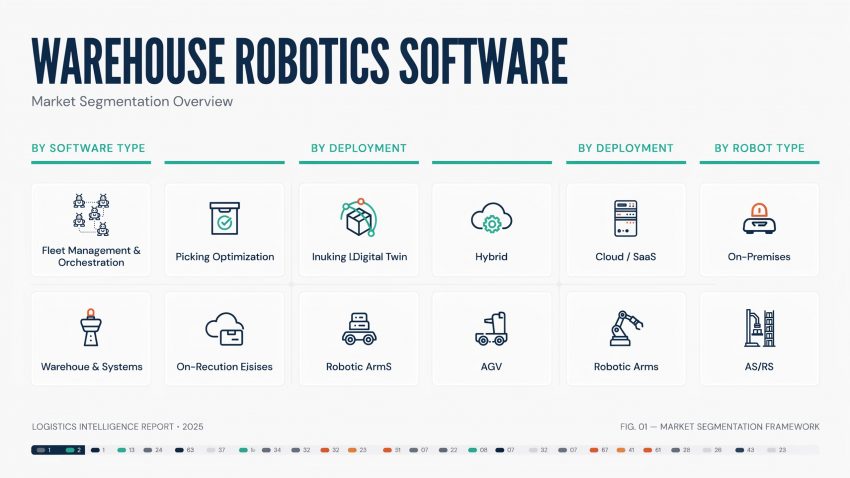
The Warehouse Robotics Software Market is evolving rapidly as emerging robotics technologies continue to transform warehouse operations across industries. Growing e-commerce demand, increasing supply chain complexity, labor shortages, and rising expectations for faster order fulfillment are encouraging businesses to invest in advanced automation solutions. While robotics hardware forms the operational backbone of automated warehouses, software serves as the intelligence layer that enables robots to function efficiently, communicate with other systems, and adapt to changing warehouse conditions. Emerging robotics technologies such as artificial intelligence, autonomous mobile robotics, computer vision, collaborative robotics, digital twins, and advanced sensor systems are significantly enhancing the capabilities of warehouse robotics software. These technological advancements are driving innovation, improving operational efficiency, and creating substantial opportunities for market expansion.
One of the most influential emerging technologies shaping the market is autonomous mobile robotics. Autonomous mobile robots are increasingly replacing traditional fixed-path automation systems by providing greater flexibility and adaptability. These robots can independently navigate warehouse environments, transport inventory, replenish stock, and support order fulfillment processes. Warehouse robotics software plays a critical role in enabling autonomous navigation, route optimization, obstacle avoidance, and fleet coordination. As autonomous mobile robots become more sophisticated and widely deployed, software platforms are evolving to manage increasingly complex robotic ecosystems and support large-scale warehouse automation initiatives.
Artificial intelligence is becoming a fundamental component of modern warehouse robotics solutions. AI-powered software enables robots to analyze operational data, make intelligent decisions, optimize workflows, and adapt to dynamic warehouse environments. Advanced algorithms can identify patterns, forecast demand, prioritize tasks, and allocate resources more effectively. Artificial intelligence allows robotic systems to operate with greater autonomy while continuously improving performance through data-driven learning processes. As AI capabilities advance, warehouse robotics software is becoming more intelligent and capable of supporting increasingly complex automation requirements.
Download PDF Brochure @ https://www.marketsandmarkets.com/pdfdownloadNew.asp?id=86640666
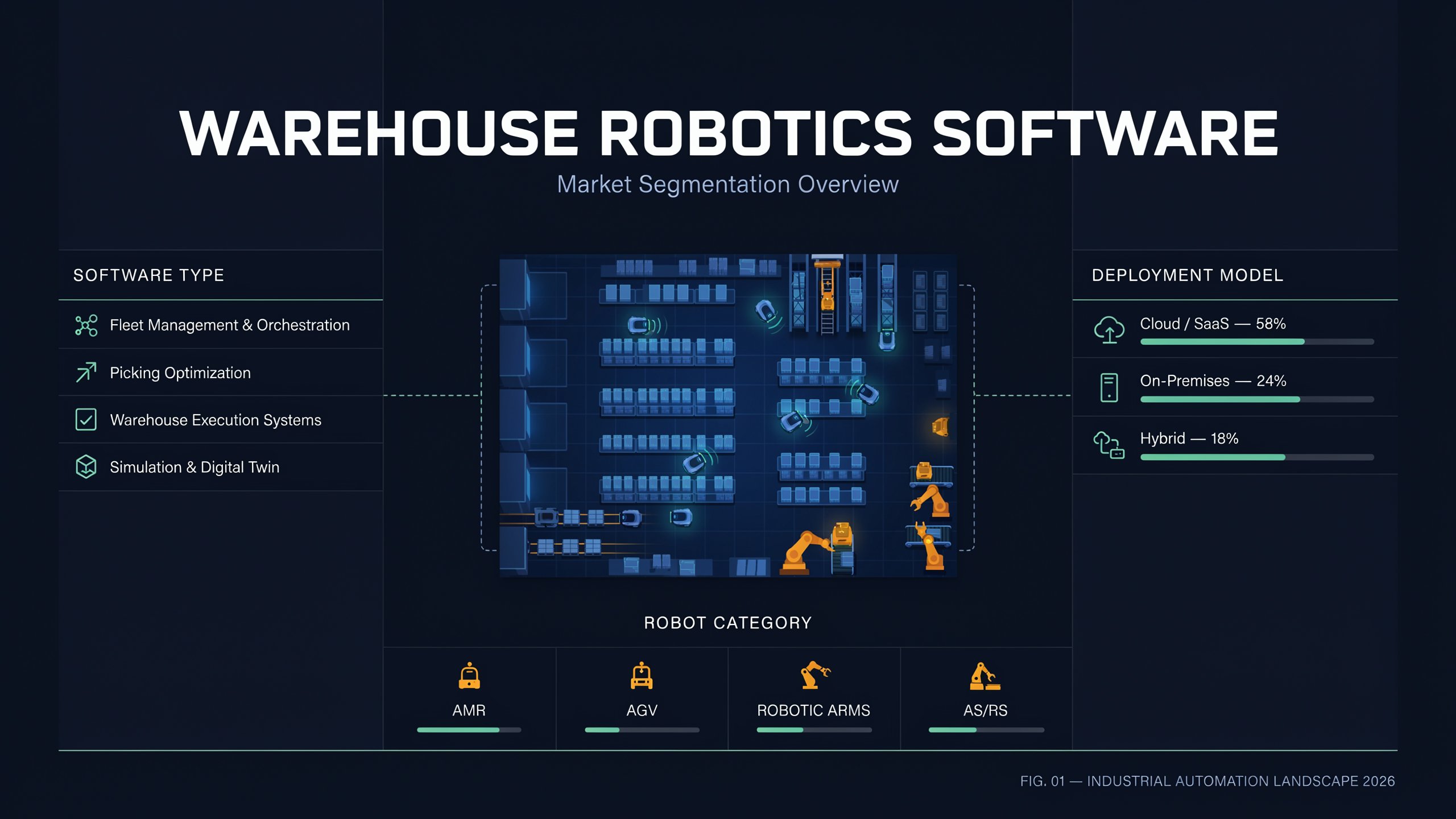
Machine learning technologies are further enhancing the effectiveness of robotics software platforms. Machine learning enables warehouse robots to improve navigation accuracy, optimize picking strategies, and refine operational processes based on historical data and real-time experiences. These systems continuously learn from warehouse activities and adapt their behavior to improve efficiency over time. The ability to self-optimize reduces operational inefficiencies and helps organizations achieve greater returns on their automation investments. This trend is contributing significantly to the growing adoption of intelligent warehouse robotics software.
Computer vision technology is another major innovation influencing the market. Modern warehouse robots are increasingly equipped with advanced cameras and imaging systems that allow them to interpret their surroundings with high accuracy. Warehouse robotics software processes visual data to identify products, locate inventory, recognize storage locations, detect obstacles, and perform quality inspections. Computer vision enhances robotic flexibility and enables automation of tasks that previously required human intervention. As imaging technologies become more sophisticated, software platforms are expanding their capabilities to support a wider range of warehouse applications.
Collaborative robotics is emerging as an important trend within warehouse automation environments. Collaborative robots are designed to work safely alongside human employees rather than operating in isolated areas. Warehouse robotics software manages interactions between workers and robots, ensuring safe movement, efficient task allocation, and productive collaboration. This approach allows organizations to combine human expertise with robotic precision and consistency. As businesses increasingly adopt hybrid workforce models, collaborative robotics software is becoming a key growth area within the market.
Inquiry Before Buying @ https://www.marketsandmarkets.com/Enquiry_Before_BuyingNew.asp?id=86640666
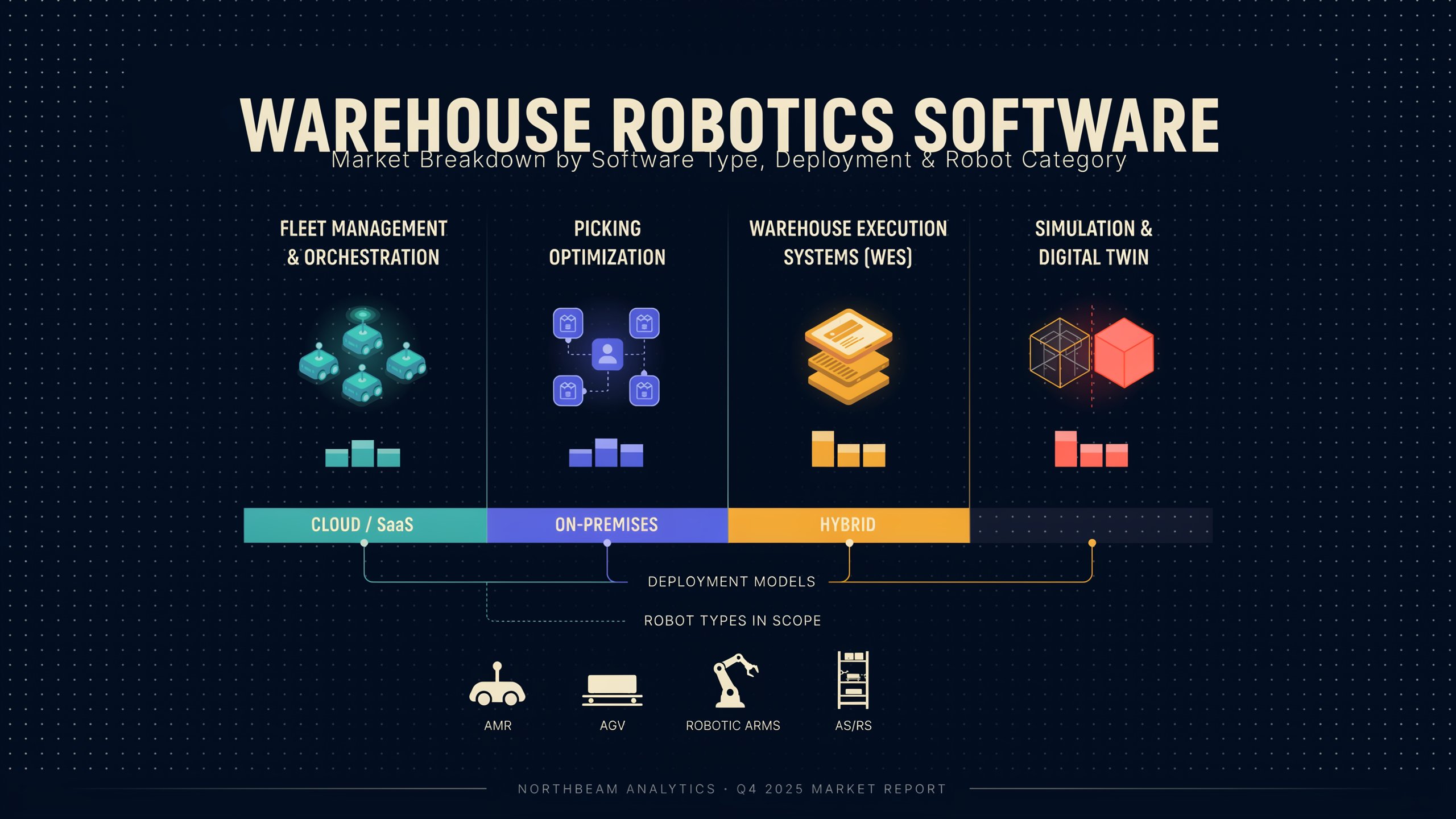
Advanced sensor technologies are playing an increasingly important role in warehouse robotics systems. Modern robots utilize lidar sensors, ultrasonic sensors, infrared systems, depth cameras, and environmental monitoring devices to gather detailed information about their surroundings. Warehouse robotics software integrates data from these sensors to create comprehensive situational awareness and support intelligent decision-making. Enhanced sensing capabilities improve navigation accuracy, operational safety, and overall warehouse efficiency. As sensor technologies continue to advance, software platforms are becoming more capable of supporting autonomous warehouse operations.
The emergence of digital twin technology is creating new opportunities for warehouse robotics software innovation. Digital twins are virtual representations of physical warehouse environments, robotic systems, and operational processes. These virtual models enable businesses to simulate workflows, test automation strategies, and evaluate system performance before implementing changes in real-world operations. Warehouse robotics software integrated with digital twin capabilities allows organizations to optimize layouts, improve resource utilization, and reduce deployment risks. This technology is gaining traction as companies seek more efficient methods for managing warehouse transformation projects.
Cloud robotics is another emerging technology influencing market growth. Cloud-based warehouse robotics software enables centralized management of robotic systems across multiple locations while providing access to advanced computing resources and real-time analytics. Cloud connectivity allows robots to share information, receive software updates, and benefit from collective learning across distributed operations. This approach improves scalability, reduces infrastructure costs, and accelerates the deployment of new automation capabilities. As cloud adoption increases, cloud robotics is expected to become a major component of future warehouse ecosystems.
View detailed Table of Content here – https://www.marketsandmarkets.com/Market-Reports/warehouse-robotics-software-market-86640666.html
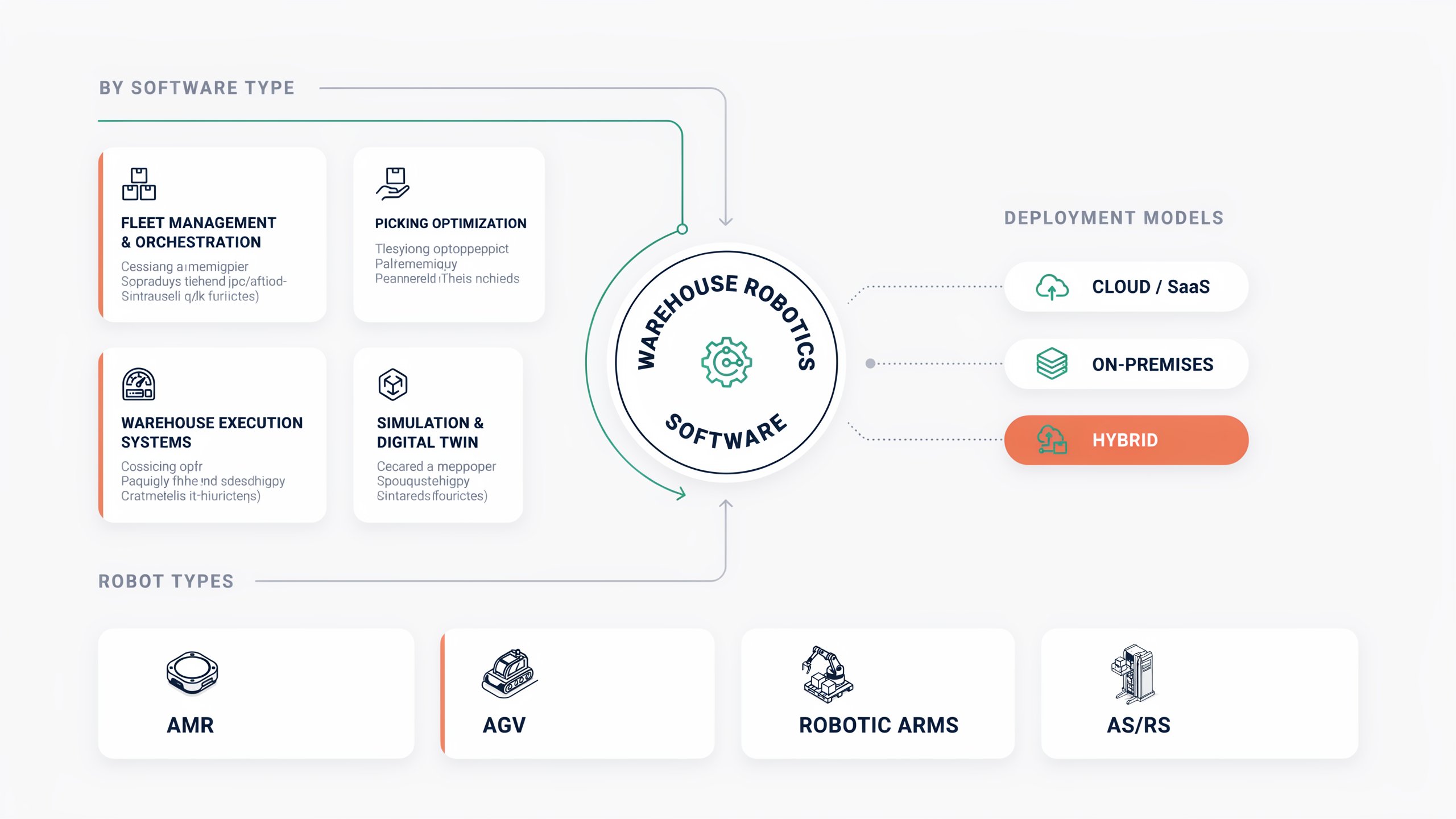
The integration of Internet of Things technologies is further strengthening the capabilities of warehouse robotics software. Connected sensors, smart shelves, RFID systems, and monitoring devices generate continuous streams of operational data that can be utilized by robotic systems. Warehouse robotics software leverages IoT connectivity to improve inventory visibility, optimize workflows, and enhance decision-making. This interconnected environment supports real-time communication between robots and other warehouse assets, creating more intelligent and responsive operations.
Advanced analytics capabilities are becoming increasingly important as emerging robotics technologies generate larger volumes of operational data. Warehouse robotics software uses analytics tools to monitor robot performance, identify bottlenecks, predict maintenance requirements, and optimize warehouse workflows. These insights enable organizations to improve productivity, reduce downtime, and maximize automation effectiveness. Data-driven decision-making is becoming a defining characteristic of next-generation warehouse operations.
The growth of smart warehouses is accelerating the adoption of emerging robotics technologies. Smart warehouses combine robotics, artificial intelligence, IoT connectivity, cloud computing, and analytics to create highly automated and intelligent environments. Warehouse robotics software serves as the central platform that coordinates these technologies and enables seamless operational integration. As organizations continue investing in smart warehouse initiatives, demand for advanced software solutions will continue to increase.
Looking ahead, emerging robotics technologies will play a critical role in shaping the future of the warehouse robotics software market. Innovations in autonomous robotics, artificial intelligence, machine learning, computer vision, collaborative automation, cloud robotics, and digital twin technologies will continue to expand software capabilities and drive automation adoption. As warehouses become more intelligent, connected, and data-driven, warehouse robotics software will remain essential for enabling efficient operations, supporting scalable growth, and delivering the next generation of logistics and supply chain performance.