
As climate change, urbanization, and geopolitical disruptions continue to challenge global food systems, governments and agricultural stakeholders are increasingly investing in controlled-environment agriculture technologies. Recent initiatives across Asia, Europe, and North America aimed at strengthening domestic food production and reducing dependence on imports have placed vertical farming at the center of sustainable agriculture strategies.
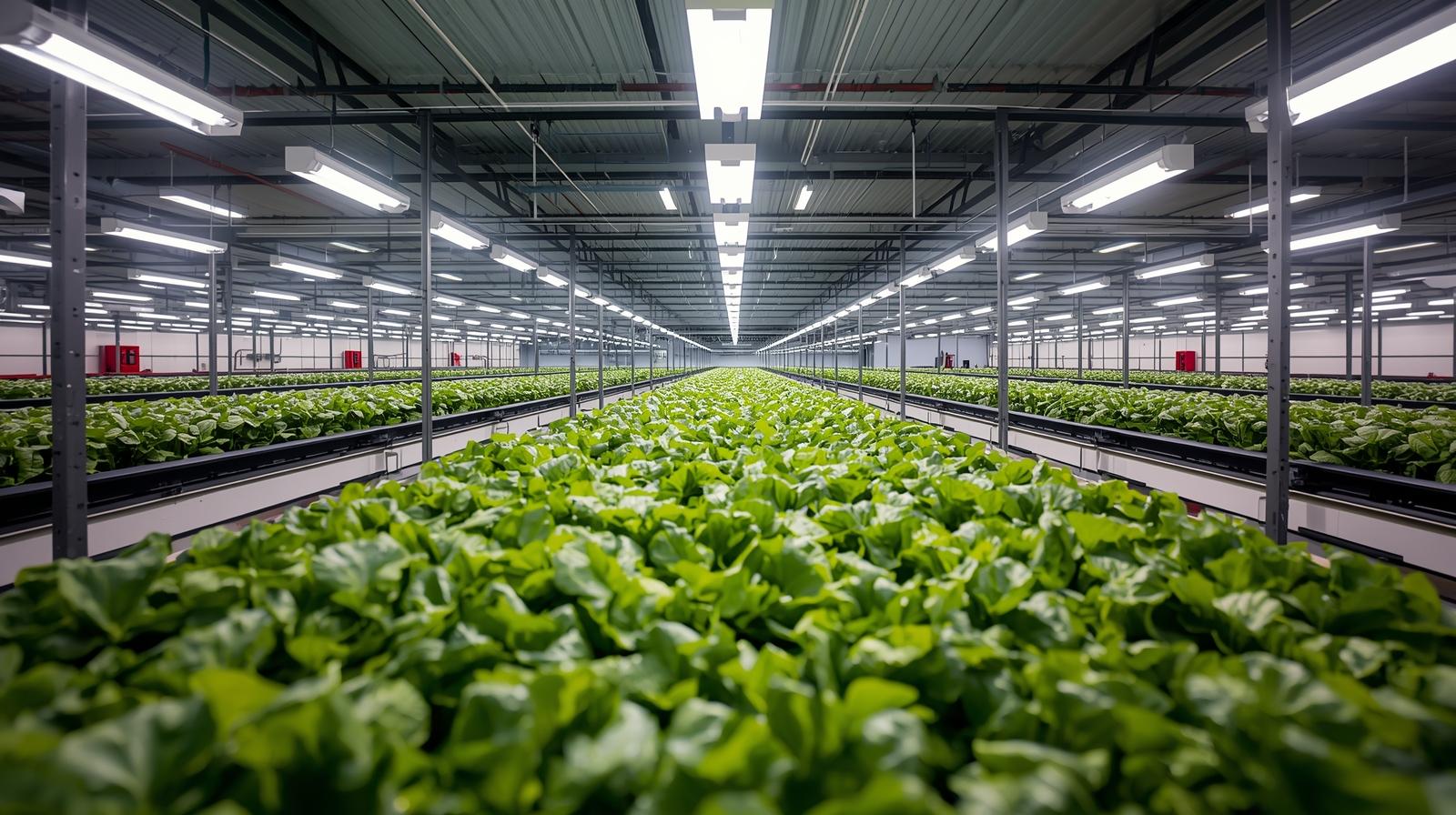
The growing emphasis on food security is emerging as one of the most significant catalysts for the expansion of the Vertical Farming Market. By enabling year-round crop cultivation in highly controlled indoor environments, vertical farms offer a reliable solution for producing fresh vegetables, herbs, and specialty crops regardless of weather conditions, land availability, or seasonal fluctuations.
Download PDF Brochure @ https://www.marketsandmarkets.com/pdfdownloadNew.asp?id=221795343
Why Vertical Farming Is Gaining Strategic Importance
Traditional agriculture faces mounting challenges from water scarcity, soil degradation, labor shortages, and extreme weather events. In response, governments are promoting innovative farming methods that can increase agricultural productivity while minimizing environmental impact.
Vertical farming utilizes advanced technologies such as:
-
Artificial Intelligence (AI)-driven crop monitoring
-
Internet of Things (IoT)-enabled environmental controls
-
LED grow lighting systems
-
Hydroponic, aeroponic, and aquaponic cultivation methods
-
Automated nutrient and irrigation management
These technologies allow growers to optimize crop yields while significantly reducing water consumption, pesticide use, and land requirements.
As urban populations continue to expand, vertical farming facilities located near consumption centers help shorten supply chains, reduce transportation costs, and improve food freshness.
Sustainability Goals Drive Market Expansion
Sustainability has become a top priority for governments and corporations worldwide. The agricultural sector is under increasing pressure to reduce greenhouse gas emissions and improve resource efficiency.
Vertical farming addresses several sustainability objectives by:
-
Using up to 95% less water than conventional farming methods
-
Eliminating the need for large-scale agricultural land conversion
-
Reducing food miles through localized production
-
Minimizing chemical pesticide usage
-
Supporting carbon reduction initiatives
Many countries are incorporating controlled-environment agriculture into broader sustainability and food resilience programs, creating favorable conditions for market growth.
Technology Innovations Transform Indoor Agriculture
Continuous technological advancements are significantly improving the economic viability of vertical farming operations.
Artificial intelligence and machine learning algorithms are helping growers analyze crop performance, predict yields, and optimize growing conditions in real time. Meanwhile, next-generation LED lighting systems are reducing energy consumption while enhancing plant growth efficiency.
Automation technologies, including robotic harvesting systems and autonomous monitoring platforms, are further improving operational productivity and reducing labor dependence.
The integration of digital agriculture technologies is transforming vertical farms into highly efficient food production facilities capable of delivering consistent, high-quality yields.
Government Initiatives Strengthen Market Momentum
Several nations have recently expanded investments in food security infrastructure and sustainable agriculture innovation. Government-backed programs supporting smart agriculture, urban farming, and controlled-environment cultivation are accelerating commercial adoption.
Countries with limited arable land are increasingly viewing vertical farming as a strategic tool for enhancing food self-sufficiency. Public-private partnerships, research grants, and agricultural technology funding programs are helping scale new farming models and encourage innovation.
This growing institutional support is expected to create significant opportunities for technology providers, equipment manufacturers, and vertical farming operators.
Commercial Agriculture and Urban Farming Lead Adoption
The commercial agriculture sector remains one of the largest adopters of vertical farming technologies. Large-scale indoor farming operations are leveraging automation, precision agriculture, and data analytics to improve productivity and profitability.
At the same time, urban farming initiatives are gaining momentum as cities seek resilient food production systems capable of serving growing populations. Retailers, restaurants, and food service providers are increasingly partnering with vertical farm operators to secure consistent supplies of locally grown produce.
The combination of consumer demand for fresh food and government support for sustainable agriculture is creating a strong foundation for long-term market expansion.
Regional Outlook
Asia Pacific
Asia Pacific is expected to witness substantial growth due to rapid urbanization, rising population density, and increasing investments in agricultural technology. Countries such as Japan, Singapore, China, and South Korea are actively promoting vertical farming to strengthen food security and reduce import dependence.
North America
North America continues to be a major innovation hub for vertical farming technologies. Strong venture capital investments, advanced agricultural infrastructure, and growing consumer demand for locally produced food support regional market growth.
Europe
European countries are increasingly investing in sustainable food production systems aligned with climate objectives and resource conservation goals. Supportive regulations and green technology initiatives are driving adoption across the region.
Middle East
Water scarcity and limited agricultural land are encouraging several Middle Eastern nations to invest heavily in controlled-environment agriculture and indoor farming technologies.
Competitive Landscape
The vertical farming ecosystem includes technology developers, lighting manufacturers, automation providers, greenhouse operators, and indoor farming specialists. Companies are focusing on strategic partnerships, technological innovation, and facility expansion to strengthen market positions.
Industry participants are investing heavily in AI-enabled cultivation systems, energy-efficient lighting technologies, and automated crop management solutions to improve profitability and scalability.
Future Outlook
The future of vertical farming appears increasingly promising as governments, investors, and agricultural stakeholders seek sustainable solutions to global food security challenges. Rising demand for fresh produce, growing urban populations, technological innovation, and supportive policy frameworks are expected to accelerate market growth over the coming decade.
As nations continue prioritizing resilient food systems and climate-smart agriculture, vertical farming is positioned to become a critical component of next-generation food production infrastructure.
According to MarketsandMarkets, the Vertical Farming Market is projected to experience robust growth throughout the forecast period, supported by advancements in controlled-environment agriculture technologies, increasing food security investments, and expanding adoption of sustainable farming practices worldwide.
For more info: https://www.marketsandmarkets.com/Market-Reports/vertical-farming-market-221795343.html