
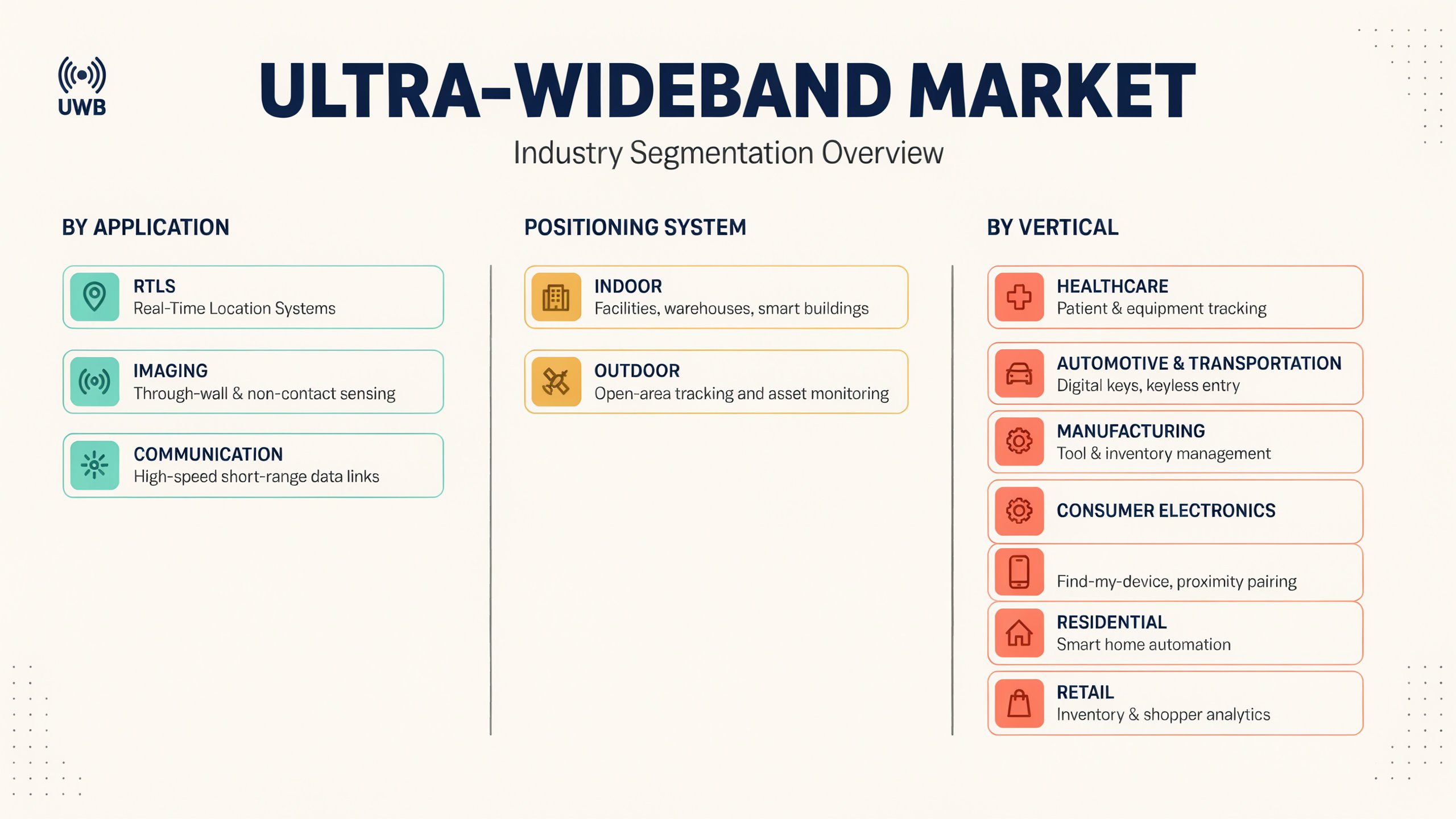
UWB-based vehicle access technology is gaining importance in the automotive industry as manufacturers increasingly focus on improving vehicle security and preventing unauthorized entry. The growing adoption of connected vehicles, smartphone-based digital keys, and passive keyless entry systems is creating demand for advanced wireless authentication technologies. Traditional keyless entry solutions provide convenience by allowing drivers to unlock vehicles without using physical keys. However, certain conventional systems are vulnerable to relay attacks, in which unauthorized individuals intercept and retransmit communication signals between a vehicle and its authorized key. Ultra-wideband (UWB) technology addresses this challenge through precise distance measurement, secure ranging, and advanced wireless communication capabilities. These features are encouraging automotive manufacturers to integrate UWB-enabled access systems into next-generation vehicles, creating new growth opportunities for the global ultra-wideband market.
Download PDF Brochure @ https://www.marketsandmarkets.com/pdfdownloadNew.asp?id=200905786
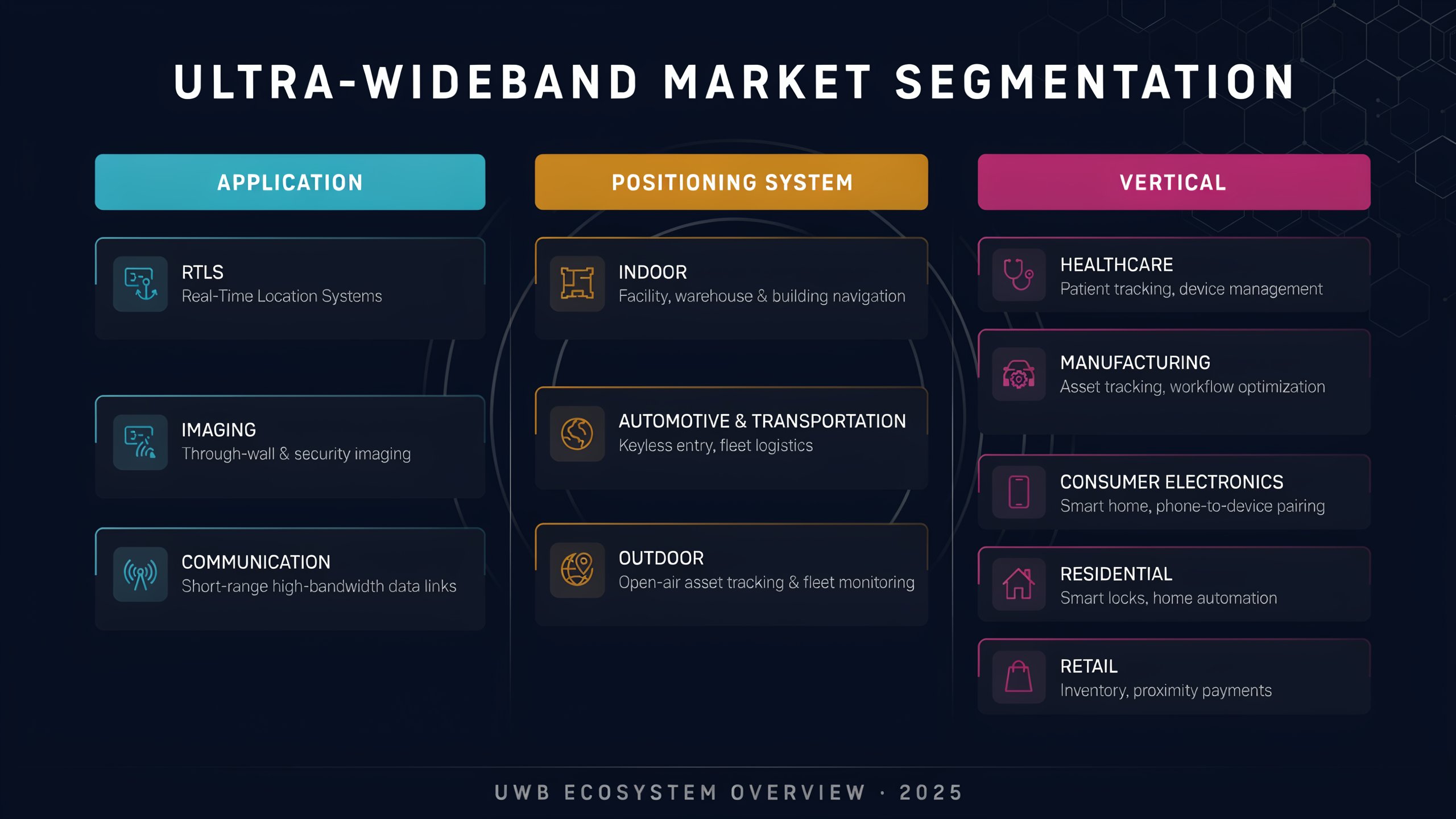
Growing Vehicle Security Concerns Drive UWB Adoption
Vehicle theft techniques are becoming increasingly sophisticated as automotive access systems incorporate wireless connectivity and digital authentication. Traditional passive keyless entry systems commonly use radio frequency communication and Bluetooth-based technologies to identify authorized key devices. Although these systems improve convenience, some implementations may be vulnerable to relay attacks that manipulate communication between the vehicle and its key.
In a typical relay attack, criminals use electronic equipment to capture and extend signals between an authorized key and a vehicle. This can make the vehicle believe that the key is located nearby even when the actual device is considerably farther away. Such security concerns are encouraging automakers to explore technologies that can verify the physical distance between connected devices. UWB technology offers an effective technical approach through highly accurate time-of-flight measurements and secure distance estimation.
Precise Distance Measurement Strengthens Vehicle Authentication
One of the major advantages of UWB technology is its ability to measure the distance between two communicating devices with high precision. Unlike conventional wireless systems that primarily depend on signal strength or basic proximity detection, UWB uses extremely short electromagnetic pulses to calculate signal travel time.
This time-of-flight measurement allows vehicle access systems to determine whether an authorized digital key is physically located within the required access range. When a driver approaches a vehicle with a compatible smartphone or digital key, the UWB-enabled system can perform secure ranging to verify proximity before granting access.
By incorporating distance-based authentication, automotive manufacturers can make certain relay attack techniques more difficult. This additional security layer helps distinguish between genuine nearby devices and signals that have been artificially extended over longer distances. Consequently, UWB is becoming an important technology for strengthening secure digital vehicle access.
Inquiry Before Buying @ https://www.marketsandmarkets.com/Enquiry_Before_BuyingNew.asp?id=200905786
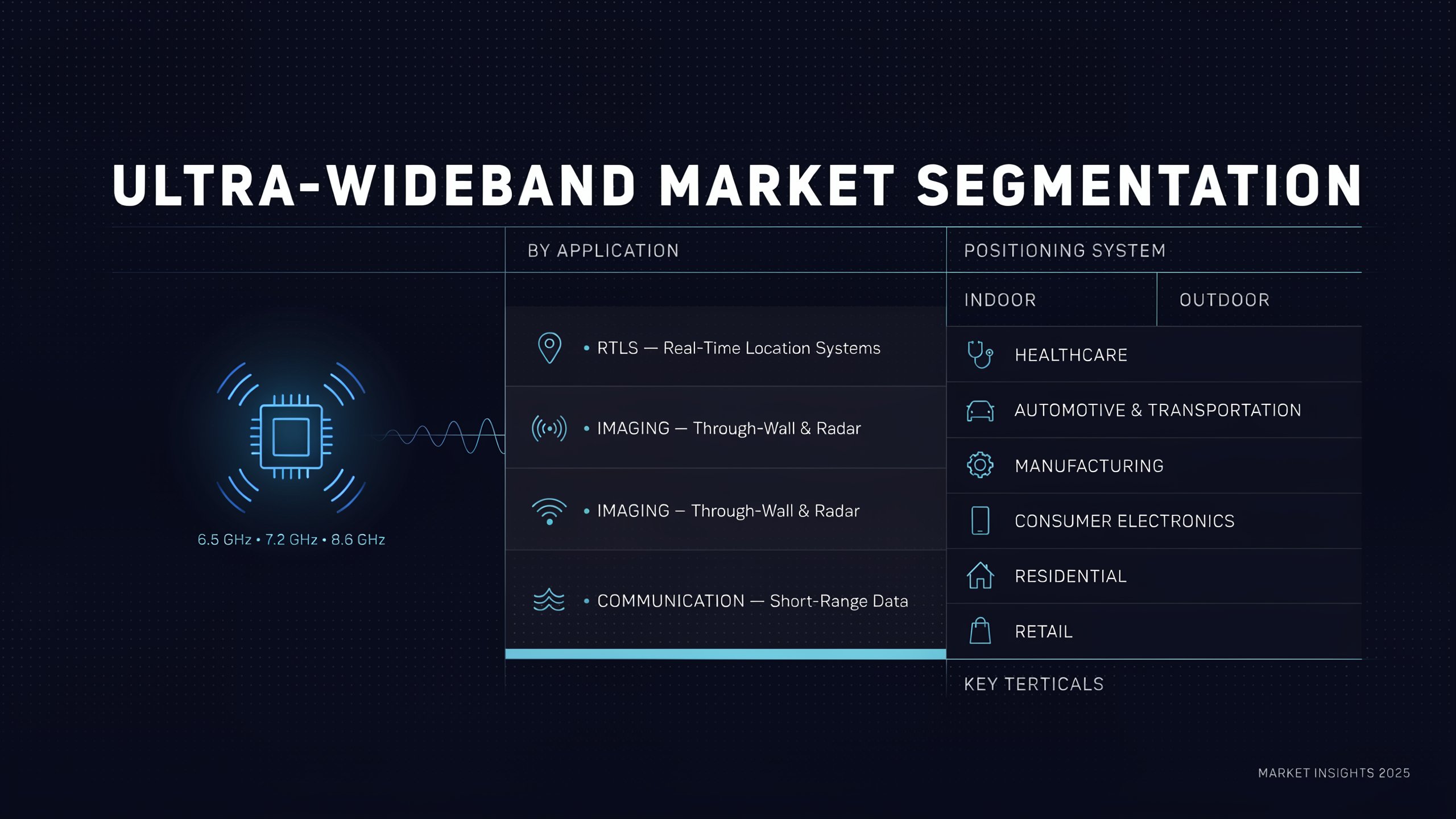
Digital Car Key Integration Accelerates Market Growth
The growing popularity of smartphone-based digital car keys is creating significant opportunities for UWB technology providers. Consumers increasingly prefer using smartphones and smartwatches to unlock, lock, and start connected vehicles. Digital key systems eliminate the need to carry conventional physical keys while providing additional features such as remote access management and personalized vehicle settings.
UWB technology can improve the security of these systems by verifying the distance between an authorized smartphone and the vehicle. Integration with Bluetooth Low Energy (BLE) and near-field communication (NFC) can further strengthen functionality. BLE can support initial device discovery, NFC can provide close-range authentication, and UWB can deliver precise distance measurement.
This combination enables manufacturers to develop flexible digital access systems that balance convenience and security. As automotive companies expand smartphone integration across vehicle models, demand for UWB chipsets and compatible wireless components is expected to increase.
Connected Vehicles Create New Opportunities for UWB Security
The expansion of connected vehicle technologies is increasing the importance of advanced wireless security solutions. Modern vehicles incorporate digital infotainment platforms, cloud connectivity, smartphone applications, and intelligent electronic systems. These developments require secure communication between vehicles and authorized external devices.
UWB technology can support secure vehicle authentication by providing accurate positioning and ranging capabilities. Automotive manufacturers can integrate UWB-enabled systems into vehicle access modules to improve user identification and prevent unauthorized access attempts. These capabilities are particularly relevant for premium vehicles, electric vehicles, and software-defined vehicle platforms.
Furthermore, digital key-sharing features allow vehicle owners to provide temporary access to family members, employees, and authorized service providers. UWB-based authentication can help verify the proximity of compatible devices before allowing vehicle entry, improving the security of shared mobility applications.
View detailed Table of Content here – https://www.marketsandmarkets.com/Market-Reports/ultra-wideband-market-200905786.html
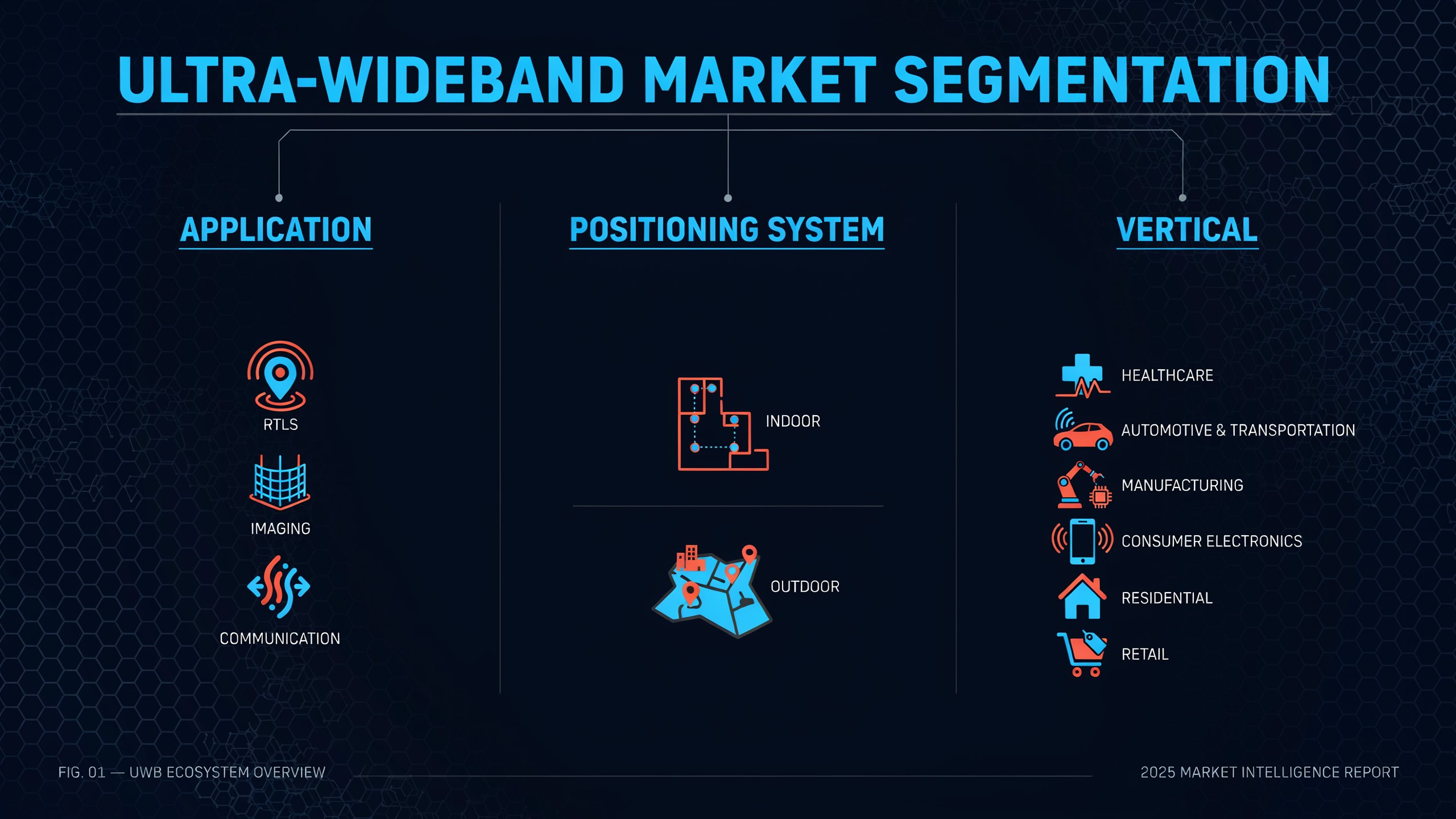
Automotive Semiconductor Innovation Supports UWB Deployment
Advancements in automotive semiconductor technologies are supporting the development of compact and energy-efficient UWB components. Chip manufacturers are focusing on improving signal processing, ranging accuracy, antenna integration, and secure communication capabilities. These improvements can help reduce system complexity and support the integration of UWB technology across different vehicle categories.
Automotive electronics suppliers are also collaborating with smartphone manufacturers and wireless technology developers to improve digital key compatibility. Standardization initiatives are helping establish consistent communication and security requirements across connected vehicle platforms. As interoperability improves, UWB adoption could expand beyond premium automotive models into broader passenger vehicle segments.
Future Outlook for UWB-Based Vehicle Access Systems
The future growth of UWB-based vehicle access systems will depend on increasing digital key adoption, automotive cybersecurity requirements, semiconductor innovation, and the expansion of connected mobility solutions. Manufacturers will continue focusing on secure ranging, reliable authentication, power efficiency, and compatibility with different mobile devices.
Overall, growing concerns regarding relay attacks and unauthorized vehicle access are strengthening demand for advanced wireless security technologies. UWB’s ability to combine precise distance measurement with secure communication makes it a promising component of next-generation vehicle access systems. As automotive manufacturers increasingly prioritize connected vehicle security and smartphone-based authentication, UWB-based solutions are expected to create significant growth opportunities across the global Ultra-Wideband Industry.