
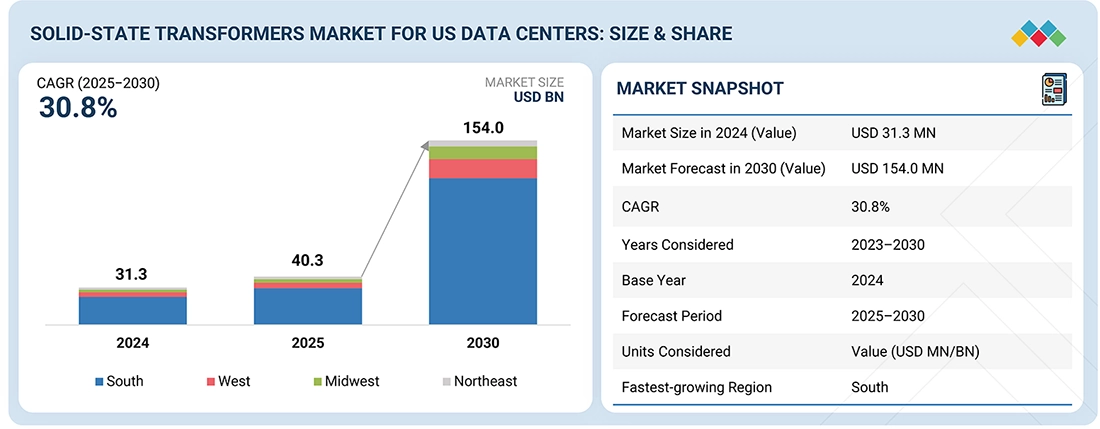
The US Data Center Solid-state Transformers Market is experiencing significant growth as smart grid connectivity becomes increasingly important within modern digital infrastructure. Solid-state transformers are advanced power conversion systems that use high-frequency semiconductors, intelligent digital controls, and sophisticated power electronics to improve voltage regulation, energy efficiency, and real-time power management. Unlike conventional transformers, solid-state transformers provide bidirectional energy flow, faster switching performance, compact system architecture, and advanced communication capabilities. These features make them highly suitable for integration with smart grid networks that require intelligent and flexible energy management systems. As the United States continues modernizing its electrical infrastructure and expanding cloud computing, artificial intelligence, and renewable energy systems, smart grid connectivity is becoming a major trend shaping the future of the solid-state transformers market within data center applications.
One of the most important factors driving this trend is the increasing demand for intelligent energy management within hyperscale and enterprise data centers. Modern data centers consume enormous amounts of electricity to support artificial intelligence workloads, cloud platforms, edge computing systems, and digital applications. Traditional electrical infrastructure often lacks the flexibility required to manage fluctuating energy demand efficiently. Solid-state transformers integrated with smart grids provide real-time monitoring and automated voltage regulation capabilities that improve power distribution efficiency across digital infrastructure environments. These intelligent systems allow operators to dynamically optimize energy usage and reduce operational losses while maintaining stable infrastructure performance.
Download PDF Brochure @ https://www.marketsandmarkets.com/pdfdownloadNew.asp?id=51807964
Artificial intelligence technologies are playing a major role in strengthening smart grid connectivity within data center operations. AI-powered energy management systems integrated with solid-state transformers can continuously analyze electricity demand, grid conditions, thermal performance, and energy consumption trends. These systems use machine learning algorithms to optimize power distribution automatically and improve interaction between data centers and utility networks. Intelligent smart grid connectivity enables predictive energy balancing and supports automated decision-making processes that improve operational efficiency. As AI adoption continues accelerating across industries, demand for smart transformer technologies integrated with connected grid systems is expected to rise significantly.
Renewable energy integration is another major trend supporting smart grid connectivity in the US data center solid-state transformers market. Many data center operators are pursuing sustainability initiatives by incorporating solar energy, wind power, and battery energy storage systems into their infrastructure. Smart grids require intelligent transformer systems capable of managing bidirectional power flow between renewable energy sources, energy storage platforms, and utility networks. Solid-state transformers provide advanced voltage regulation and dynamic power conversion capabilities that support efficient renewable energy utilization within connected infrastructure environments. As sustainability targets become increasingly important across the digital infrastructure industry, demand for smart grid-compatible transformer systems is expected to grow steadily.
Cloud computing expansion is further driving the need for advanced smart grid connectivity solutions. Hyperscale cloud providers operate massive data center facilities that require highly reliable and scalable power infrastructure capable of supporting continuously changing workloads. Smart grid-enabled solid-state transformers allow cloud operators to improve energy management efficiency and optimize electricity consumption across multiple facilities. These systems support real-time communication with utility providers and centralized infrastructure management platforms, enabling more intelligent and responsive energy operations. The continued expansion of cloud infrastructure throughout the United States is expected to create strong long-term demand for interconnected transformer technologies.
Edge computing development is also contributing significantly to market growth in smart grid connectivity applications. Edge data centers are often deployed in distributed and decentralized locations where flexible energy management and grid interaction are essential. Smart grid-connected solid-state transformers help edge facilities manage localized energy generation, battery storage systems, and variable grid conditions more effectively. Their intelligent communication capabilities support autonomous energy management and improve operational resilience within remote digital infrastructure environments. As 5G communication networks, Industrial Internet of Things technologies, and autonomous systems continue expanding, the demand for intelligent transformer systems in edge computing environments is expected to increase rapidly.
Inquiry Before Buying @ https://www.marketsandmarkets.com/Enquiry_Before_BuyingNew.asp?id=51807964
Wide-bandgap semiconductor technologies such as silicon carbide and gallium nitride are accelerating innovation within smart grid-connected transformer systems. These advanced semiconductor materials provide higher switching frequencies, improved thermal performance, and lower power losses compared to traditional silicon-based components. Their superior operational efficiency supports the development of compact and intelligent solid-state transformers capable of handling complex grid interactions and real-time energy balancing. Continued advancements in semiconductor engineering are expected to improve transformer performance and scalability across smart grid-connected data center environments.
Energy resilience and reliability are becoming increasingly important considerations within smart grid infrastructure. Data centers require uninterrupted power availability to support mission-critical operations and prevent costly downtime. Smart grid-connected solid-state transformers improve infrastructure resilience by enabling automated fault detection, dynamic load balancing, and seamless energy switching between utility grids, renewable energy systems, and battery storage platforms. These intelligent systems reduce operational risks and improve infrastructure stability during power disruptions or fluctuating grid conditions. As climate-related energy challenges and grid reliability concerns continue growing, demand for resilient transformer infrastructure is expected to strengthen.
Thermal management optimization is another important trend influencing the adoption of smart grid-connected transformer technologies. High-density computing environments generate significant heat, placing pressure on cooling systems and increasing energy consumption within data centers. Solid-state transformers integrated with smart grid energy management platforms help optimize cooling efficiency by dynamically adjusting power distribution based on operational conditions. AI-driven thermal analytics systems further improve infrastructure performance by monitoring temperature fluctuations and automatically optimizing energy usage. These capabilities support more sustainable and energy-efficient operations within large-scale digital infrastructure environments.
Cybersecurity integration is becoming increasingly essential as smart grid-connected transformer systems become more digitally interconnected. Modern data centers rely heavily on cloud-based management platforms, Industrial Internet of Things devices, and intelligent automation systems to manage critical infrastructure operations. Smart grid-enabled solid-state transformers increasingly incorporate encrypted communication protocols, advanced cybersecurity frameworks, and secure digital controls to protect infrastructure from cyber threats. Maintaining secure communication between data centers and utility networks is becoming a top priority for operators investing in connected energy ecosystems.
Modular data center development is also supporting growth within the smart grid connectivity segment. Modular facilities require scalable and flexible power management systems capable of integrating seamlessly with distributed energy resources and intelligent utility networks. Solid-state transformers provide compact system architecture and advanced communication capabilities suitable for modular environments. Smart grid connectivity allows modular facilities to optimize electricity usage and improve energy distribution efficiency while supporting rapid infrastructure scalability.
Research and development investments continue driving innovation within the US data center solid-state transformers market. Semiconductor manufacturers, utility companies, cloud infrastructure providers, and power electronics firms are investing heavily in artificial intelligence, renewable energy systems, digital communication technologies, and advanced power management platforms. These investments are improving transformer interoperability, energy efficiency, operational intelligence, and smart grid compatibility while accelerating commercialization across the industry.
View detailed Table of Content here – https://www.marketsandmarkets.com/Market-Reports/us-data-centers-solid-state-transformers-market-51807964.html
Regional growth opportunities remain particularly strong in major US data center markets such as Northern Virginia, Texas, California, Arizona, and Illinois. These regions continue attracting large-scale investments in cloud infrastructure, renewable energy projects, artificial intelligence ecosystems, and smart city initiatives. The increasing concentration of advanced digital infrastructure within these markets is driving demand for intelligent smart grid-connected transformer technologies capable of supporting scalable and sustainable operations.
Despite strong market potential, several challenges continue affecting adoption across the industry. High implementation costs, integration complexity, cybersecurity concerns, semiconductor supply chain limitations, and compatibility issues with legacy electrical systems remain important industry considerations. Additionally, achieving seamless interoperability between utility grids and advanced digital infrastructure requires continued standardization and engineering innovation. However, ongoing advancements in artificial intelligence, smart grid systems, renewable energy technologies, and semiconductor engineering are expected to address many of these challenges over time.
Smart grid connectivity is playing a transformative role in shaping trends within the US data center solid-state transformers market. The increasing integration of artificial intelligence, renewable energy systems, cloud computing infrastructure, edge networks, and intelligent automation technologies is driving strong demand for advanced and interconnected transformer solutions. As the United States continues modernizing its electrical infrastructure and expanding next-generation digital ecosystems, smart grid-connected solid-state transformers will remain essential for enabling efficient, scalable, resilient, and sustainable power management across modern data center environments.