
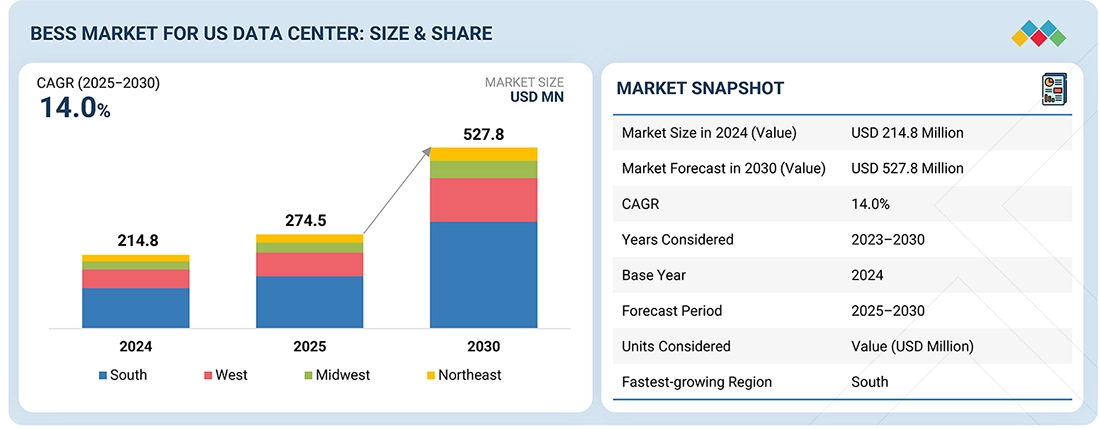
The US Data Center Battery Energy Storage System (BESS) Market is experiencing strong growth in enterprise data centers as organizations modernize their digital infrastructure to support cloud services, artificial intelligence (AI), cybersecurity, business continuity, and mission-critical applications. While hyperscale cloud facilities continue attracting major investments, enterprise data centers remain an essential part of the US digital ecosystem, serving industries such as banking, healthcare, manufacturing, retail, government, education, and telecommunications. These organizations increasingly require highly reliable, energy-efficient, and sustainable power infrastructure to ensure uninterrupted operations. Battery Energy Storage Systems have become a strategic investment because they provide dependable backup power, optimize electricity consumption, improve renewable energy integration, and strengthen resilience against grid disturbances. As enterprise IT environments continue evolving, BESS adoption is becoming a key driver of operational efficiency and long-term infrastructure modernization.
Enterprise data centers differ from hyperscale facilities in terms of scale, ownership, and operational objectives, but they face similar challenges regarding power reliability. Organizations rely on their data centers to host enterprise resource planning systems, customer databases, financial transactions, communication platforms, and business-critical workloads that cannot tolerate unexpected downtime. Battery Energy Storage Systems provide immediate backup power during utility interruptions, ensuring that servers, networking equipment, and storage systems continue operating while backup generators or alternative power sources become available. This capability minimizes operational disruptions and protects organizations from financial losses associated with service interruptions.
The rapid adoption of artificial intelligence within enterprises is creating additional demand for battery-supported infrastructure. Businesses across sectors are integrating AI into customer service, predictive maintenance, fraud detection, supply chain optimization, and data analytics. These AI applications require more powerful computing infrastructure, increasing electricity consumption within enterprise data centers. Battery Energy Storage Systems support these expanding workloads by maintaining stable power delivery and reducing the impact of sudden fluctuations in electricity demand. As AI adoption continues growing among enterprise organizations, the importance of advanced energy storage will increase accordingly.
Download PDF Brochure @ https://www.marketsandmarkets.com/pdfdownloadNew.asp?id=121216276
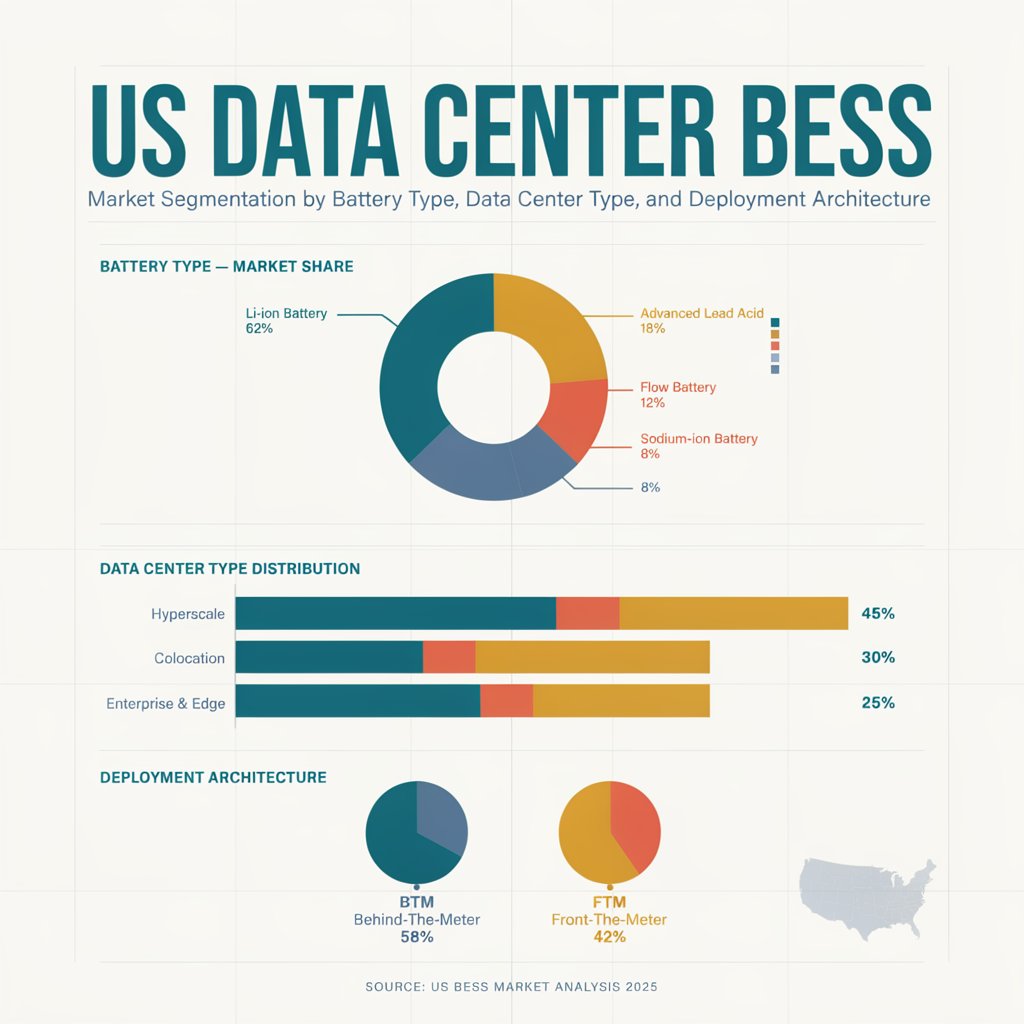
Cloud transformation strategies are also supporting market growth. Many organizations operate hybrid IT environments that combine private enterprise infrastructure with public cloud platforms. Enterprise data centers remain responsible for processing sensitive workloads, storing regulated information, and supporting latency-sensitive applications. Battery Energy Storage Systems improve the reliability of these hybrid environments by ensuring continuous operation of local infrastructure while supporting seamless connectivity with cloud services. This enhanced resilience is particularly valuable for industries that require uninterrupted digital operations and strict regulatory compliance.
Energy efficiency has become a major priority for enterprise data center operators. Rising electricity prices and growing awareness of environmental sustainability encourage organizations to optimize power consumption wherever possible. Battery Energy Storage Systems contribute to this objective by supporting peak load management, allowing enterprises to store electricity during lower-cost periods and use stored energy during peak pricing intervals. Intelligent energy management software further enhances efficiency by optimizing charging and discharging schedules based on electricity demand, battery health, and utility pricing, reducing long-term operating expenses.
Renewable energy integration is becoming increasingly common within enterprise facilities. Many organizations have established environmental, social, and governance (ESG) objectives that include reducing carbon emissions and increasing renewable electricity usage. Enterprise campuses equipped with rooftop solar installations or renewable energy contracts use Battery Energy Storage Systems to store surplus clean electricity and utilize it during periods of reduced renewable generation. This capability improves renewable energy utilization while supporting sustainability goals without compromising operational reliability.
Battery technology advancements continue making BESS more attractive for enterprise applications. Lithium-ion batteries dominate new installations because they provide high energy density, long operational life, fast charging capability, and relatively low maintenance requirements. Lithium iron phosphate (LFP) batteries are gaining particular attention because of their enhanced thermal stability, long cycle life, and improved safety characteristics. These features make them especially suitable for enterprise environments where reliability, operational continuity, and simplified maintenance are essential considerations.
Inquiry Before Buying @ https://www.marketsandmarkets.com/Enquiry_Before_BuyingNew.asp?id=121216276
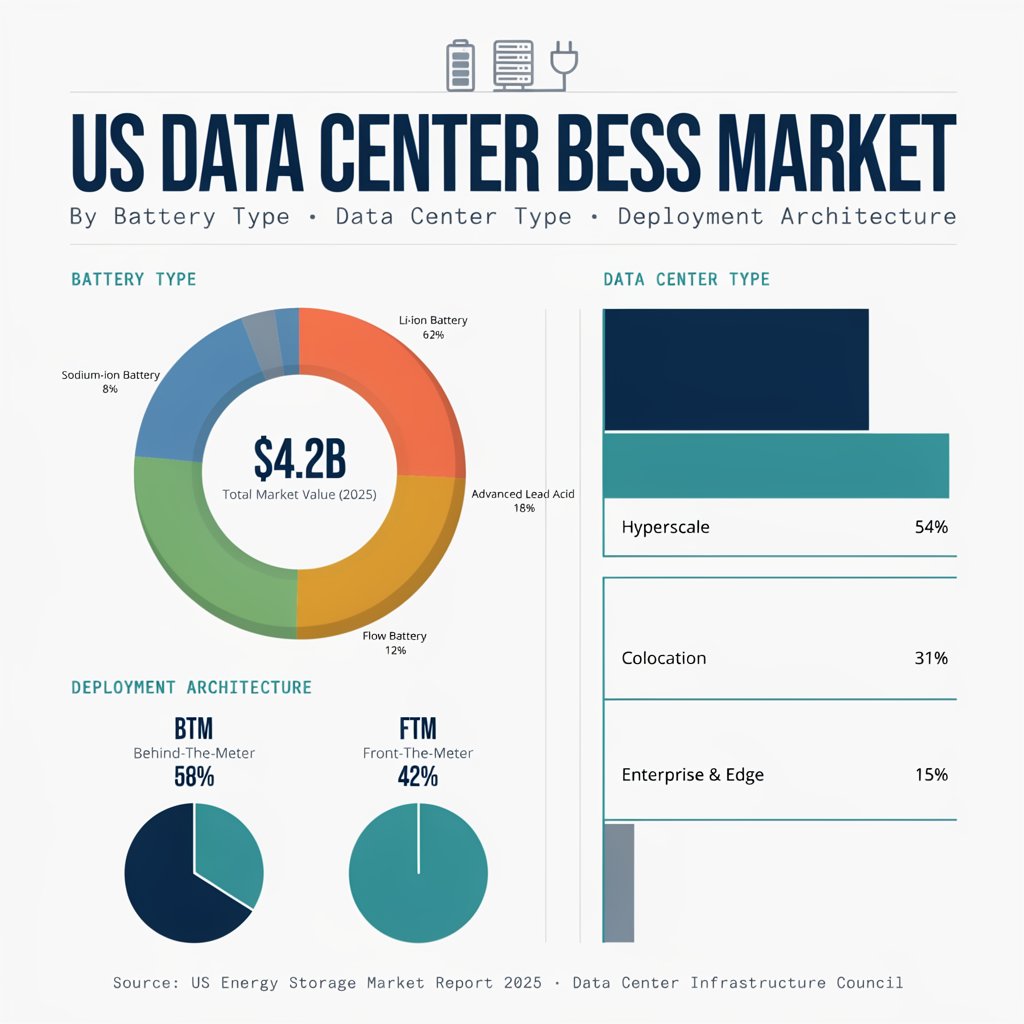
The increasing adoption of modular battery systems further supports enterprise market growth. Modular Battery Energy Storage Systems allow organizations to install storage capacity based on current operational requirements while retaining flexibility for future expansion. This scalable approach reduces initial capital investment and enables enterprises to expand storage incrementally as computing infrastructure grows. Modular designs also simplify maintenance because individual battery modules can be replaced without affecting the entire energy storage system.
Artificial intelligence is improving battery management itself. Modern Battery Management Systems continuously monitor battery temperature, voltage, charging cycles, and overall system health using intelligent software. AI-powered predictive maintenance identifies potential issues before failures occur, maximizing battery lifespan while reducing unexpected maintenance costs. Automated optimization also improves energy efficiency by ensuring batteries operate under ideal charging and discharging conditions.
Business continuity planning remains one of the strongest motivations for battery deployment. Enterprise organizations increasingly recognize that digital infrastructure disruptions can affect customer service, financial operations, regulatory compliance, and corporate reputation. Battery Energy Storage Systems provide immediate response during power disturbances, maintaining continuous operation while preventing data loss and protecting mission-critical business applications. This resilience has become especially important as organizations increase reliance on digital services and remote operations.
Regional expansion contributes to market development across the United States. Enterprise data centers continue expanding in states such as Virginia, Texas, California, Arizona, Ohio, Georgia, and North Carolina, where digital infrastructure investment remains strong. Growing regional demand for enterprise cloud services, industrial automation, healthcare technology, and financial services creates favorable conditions for battery-supported infrastructure modernization. Many regions also provide incentives supporting energy storage deployment and renewable energy adoption.
View detailed Table of Content here – https://www.marketsandmarkets.com/Market-Reports/us-data-center-bess-market-121216276.html
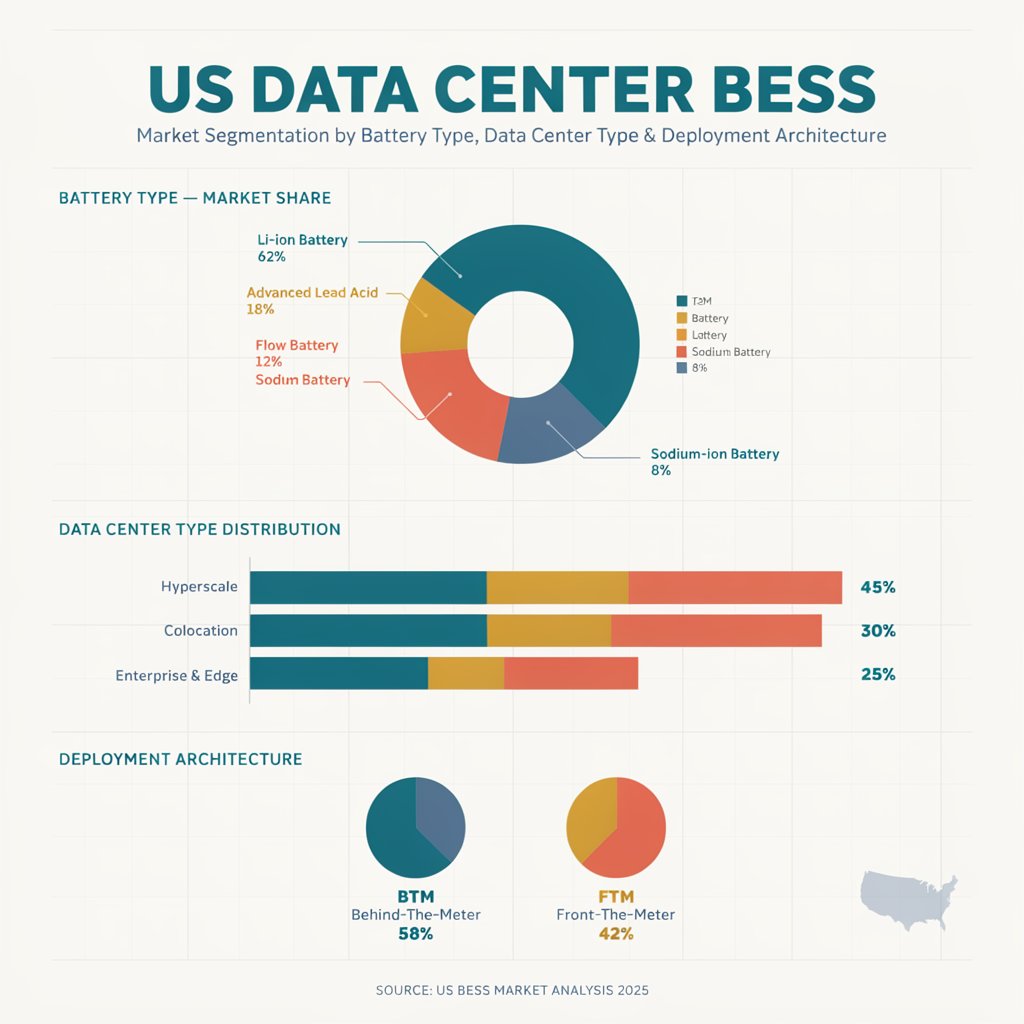
Government initiatives further encourage enterprise investment in Battery Energy Storage Systems. Federal clean energy programs, state-level energy storage incentives, and grid modernization initiatives improve the financial viability of battery projects. Increasing emphasis on infrastructure resilience and energy security also encourages organizations to adopt advanced energy storage as part of comprehensive business continuity strategies.
Microgrid development presents another opportunity for enterprise facilities. Corporate campuses increasingly integrate Battery Energy Storage Systems with renewable generation, backup generators, and intelligent control software to create resilient local energy networks. These microgrids improve operational independence while reducing reliance on conventional utility infrastructure during emergencies or peak demand periods.
Looking ahead, the outlook for Battery Energy Storage Systems in enterprise data centers remains highly positive. Continued digital transformation, expanding AI adoption, growing cybersecurity requirements, renewable energy integration, and rising electricity costs will encourage broader investment in advanced energy storage technologies. Enterprise organizations will increasingly view Battery Energy Storage Systems not simply as backup power solutions but as intelligent energy management platforms that improve operational resilience, reduce costs, and support sustainability objectives. As enterprise IT infrastructure becomes more sophisticated and energy intensive, BESS will play an increasingly vital role in ensuring reliable, efficient, and environmentally responsible digital operations across the United States.