
The Ultra-Wideband Market is witnessing strong growth in automotive connectivity solutions as the automotive industry rapidly transitions toward connected, intelligent, and autonomous mobility systems. Modern vehicles increasingly rely on advanced wireless communication technologies to support safety, convenience, navigation, security, and real-time data exchange. Ultra-wideband technology has emerged as a highly effective communication solution because of its ability to deliver precise positioning, low-latency connectivity, enhanced security, and reliable short-range communication. As automakers continue investing in digital transformation and connected vehicle ecosystems, ultra-wideband systems are becoming essential components of next-generation automotive connectivity infrastructure.
One of the major factors driving ultra-wideband market growth in automotive applications is the increasing adoption of digital key systems. Traditional keyless entry technologies based on radio-frequency communication and Bluetooth often face security vulnerabilities such as relay attacks and unauthorized signal interception. Ultra-wideband technology significantly improves security by enabling accurate distance measurement and spatial awareness between the vehicle and the authorized device. Vehicles equipped with ultra-wideband communication systems can verify the exact location of a smartphone or digital key before granting access, reducing the risk of cyber threats and improving user safety. As consumers increasingly demand secure and seamless vehicle access solutions, ultra-wideband-enabled digital key systems are gaining widespread adoption.
Download PDF Brochure @ https://www.marketsandmarkets.com/pdfdownloadNew.asp?id=200905786
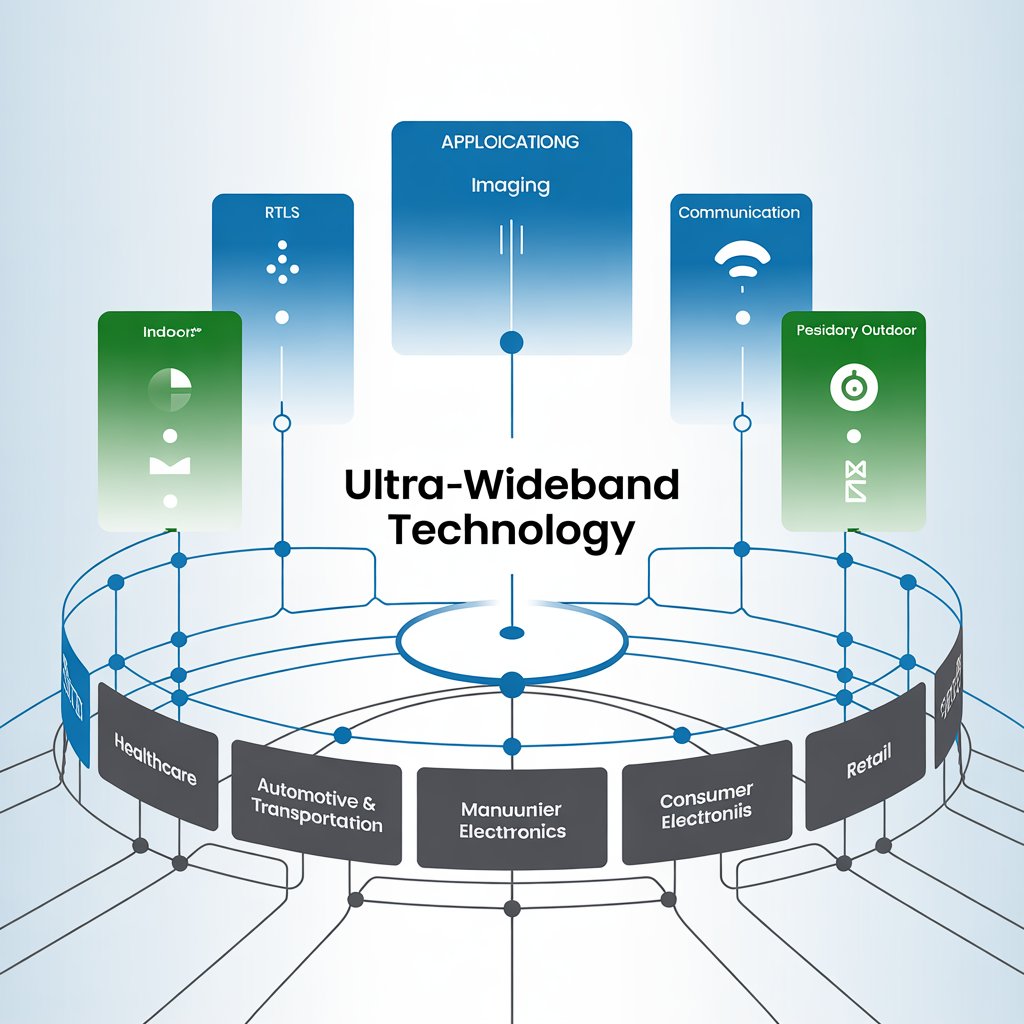
Connected vehicle ecosystems are also contributing significantly to ultra-wideband market expansion. Modern vehicles increasingly communicate with smartphones, wearable devices, cloud platforms, and surrounding infrastructure to support intelligent mobility applications. Ultra-wideband communication systems provide reliable and low-latency wireless connectivity that enhances real-time interaction between connected devices and vehicle systems. These capabilities support personalized driver experiences, smart infotainment systems, connected navigation services, and automated vehicle settings. The rising demand for intelligent in-vehicle connectivity is creating strong growth opportunities for ultra-wideband technology providers.
The development of advanced driver assistance systems is another important trend driving ultra-wideband adoption in automotive connectivity solutions. ADAS technologies rely on accurate positioning, real-time communication, and environmental awareness to support collision avoidance, parking assistance, lane monitoring, and autonomous driving functionalities. Ultra-wideband systems enable precise spatial awareness and low-latency communication between onboard sensors and connected devices. This capability improves the reliability and responsiveness of vehicle safety systems while supporting the broader evolution of semi-autonomous and autonomous driving technologies.
In-cabin sensing and occupant monitoring applications are emerging as major growth areas for ultra-wideband technologies within the automotive sector. Vehicle manufacturers increasingly use ultra-wideband systems to monitor passenger presence, detect movement, and improve cabin safety. Ultra-wideband-enabled sensing technologies can detect occupants with high accuracy, supporting applications such as child presence detection, seat occupancy monitoring, and personalized cabin experiences. These systems enhance passenger safety and comfort while helping manufacturers comply with evolving automotive safety regulations.
Vehicle-to-device communication is becoming increasingly important in connected mobility environments, further supporting ultra-wideband market growth. Drivers and passengers increasingly expect seamless interaction between vehicles and personal devices such as smartphones, smartwatches, and wearable electronics. Ultra-wideband technology supports fast and secure communication between connected devices, enabling applications such as automated vehicle unlocking, personalized infotainment synchronization, and context-aware driver assistance features. The growing integration of consumer electronics into automotive ecosystems is accelerating demand for advanced wireless communication solutions.
Inquiry Before Buying @ https://www.marketsandmarkets.com/Enquiry_Before_BuyingNew.asp?id=200905786
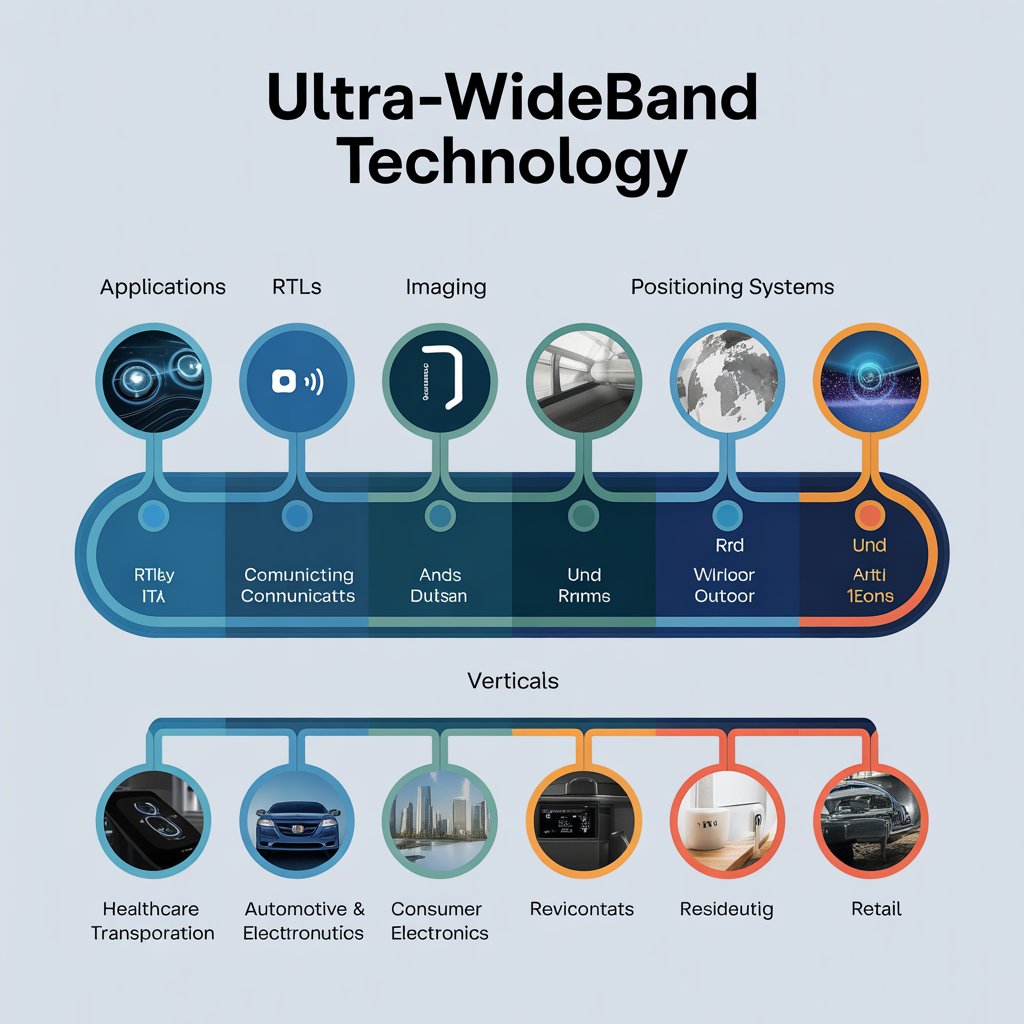
Electric vehicles are also creating substantial opportunities for ultra-wideband technologies in automotive connectivity systems. The rapid global adoption of electric mobility is driving investments in intelligent vehicle platforms and connected charging infrastructure. Ultra-wideband systems support secure communication between vehicles and charging stations while enabling location-based charging management and access control. Connected electric vehicle ecosystems increasingly require reliable and accurate wireless communication technologies to support efficient operation and enhanced user experiences.
Smart transportation infrastructure and connected mobility systems are further strengthening the role of ultra-wideband technologies in automotive applications. Intelligent transportation networks increasingly involve communication between vehicles, traffic management systems, smart parking infrastructure, and public transportation platforms. Ultra-wideband communication systems support highly accurate positioning and reliable short-range connectivity within connected transportation ecosystems. These capabilities improve traffic management, navigation efficiency, and urban mobility operations while supporting the development of smart city infrastructure.
Artificial intelligence and machine learning integration are enhancing automotive ultra-wideband connectivity solutions. AI-powered vehicle systems rely on real-time communication and positioning data to optimize navigation, automate safety functions, and improve driver experiences. Ultra-wideband technologies generate highly accurate spatial data that can be analyzed using machine learning algorithms to support intelligent mobility applications. AI-driven connectivity platforms integrated with ultra-wideband systems are expected to play an increasingly important role in autonomous driving and predictive vehicle management.
The rollout of 5G communication networks is also accelerating the growth of ultra-wideband-enabled automotive connectivity solutions. While 5G networks provide large-scale high-speed connectivity, ultra-wideband technology offers precise short-range communication and positioning capabilities. Together, these technologies enable advanced connected vehicle ecosystems capable of supporting autonomous driving, vehicle-to-everything communication, and intelligent transportation systems. The convergence of 5G and ultra-wideband communication technologies is expected to transform future automotive communication infrastructure significantly.
View detailed Table of Content here – https://www.marketsandmarkets.com/Market-Reports/ultra-wideband-market-200905786.html
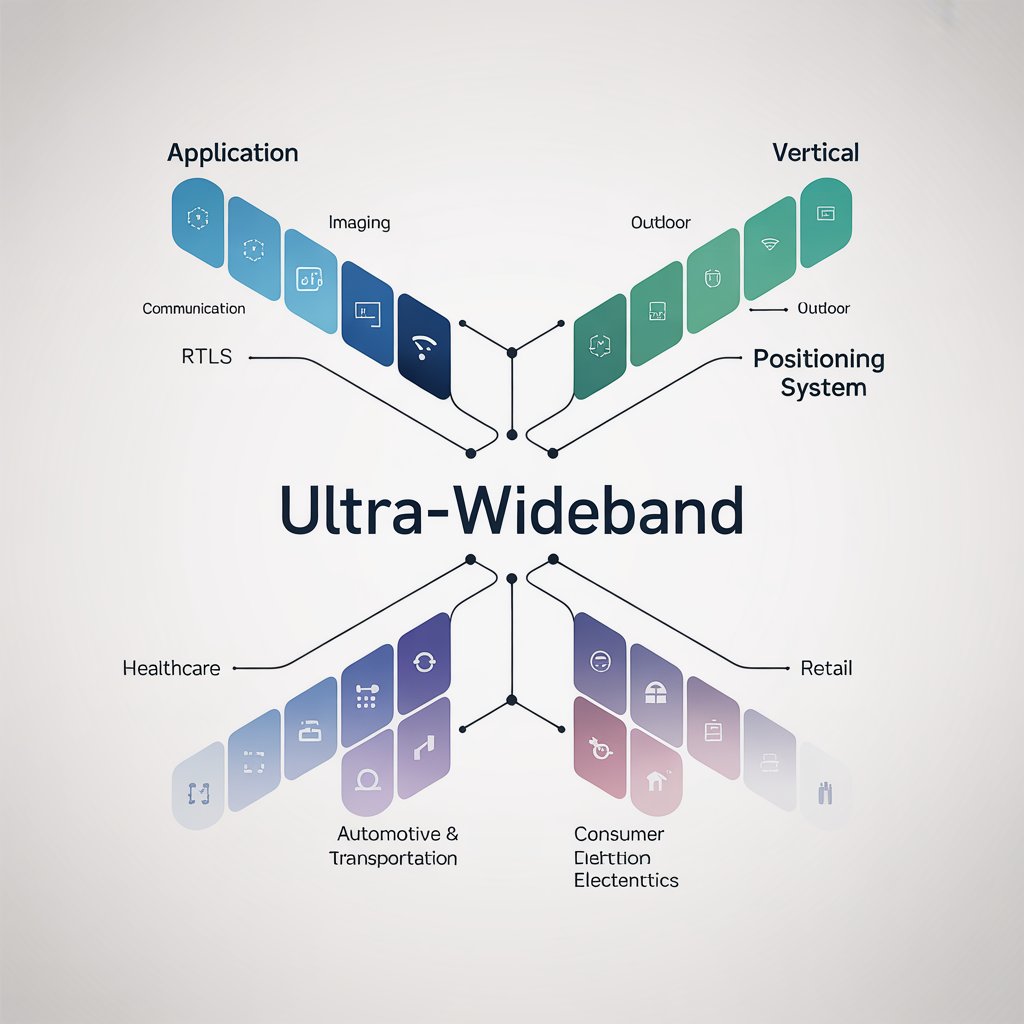 Semiconductor innovation is further supporting ultra-wideband market growth within the automotive industry. Modern ultra-wideband chipsets are becoming more compact, energy efficient, and capable of supporting multiple communication functions within connected vehicles. Advances in semiconductor manufacturing and wireless communication design are reducing production costs while improving communication performance and scalability. Automotive manufacturers are increasingly integrating ultra-wideband chips into connected vehicle platforms as part of broader digital transformation strategies.
Regional market trends indicate strong growth opportunities across North America, Europe, and Asia-Pacific. North America remains a leading market due to strong investments in connected vehicle technologies, electric mobility, and autonomous driving research. Europe is increasingly focusing on intelligent transportation infrastructure, automotive safety innovation, and sustainable mobility systems. Asia-Pacific countries such as China, Japan, South Korea, and India are rapidly expanding electric vehicle production, semiconductor manufacturing, and connected automotive infrastructure, creating substantial opportunities for ultra-wideband technology adoption.
Despite strong growth potential, certain challenges remain within the automotive ultra-wideband market. Interoperability issues, cybersecurity concerns, infrastructure integration complexity, and evolving communication standards can impact deployment and scalability. However, ongoing collaboration between automotive manufacturers, semiconductor companies, and wireless communication providers is helping establish standardized frameworks and secure connectivity platforms for future automotive ecosystems.
Automotive connectivity solutions are playing a transformative role in driving ultra-wideband market growth worldwide. The increasing demand for secure digital access, connected vehicle ecosystems, advanced driver assistance systems, electric mobility, and intelligent transportation infrastructure is accelerating the adoption of ultra-wideband communication technologies across the automotive industry. As vehicles become more connected, autonomous, and digitally integrated, ultra-wideband systems will remain critical components of next-generation automotive communication and mobility solutions.