
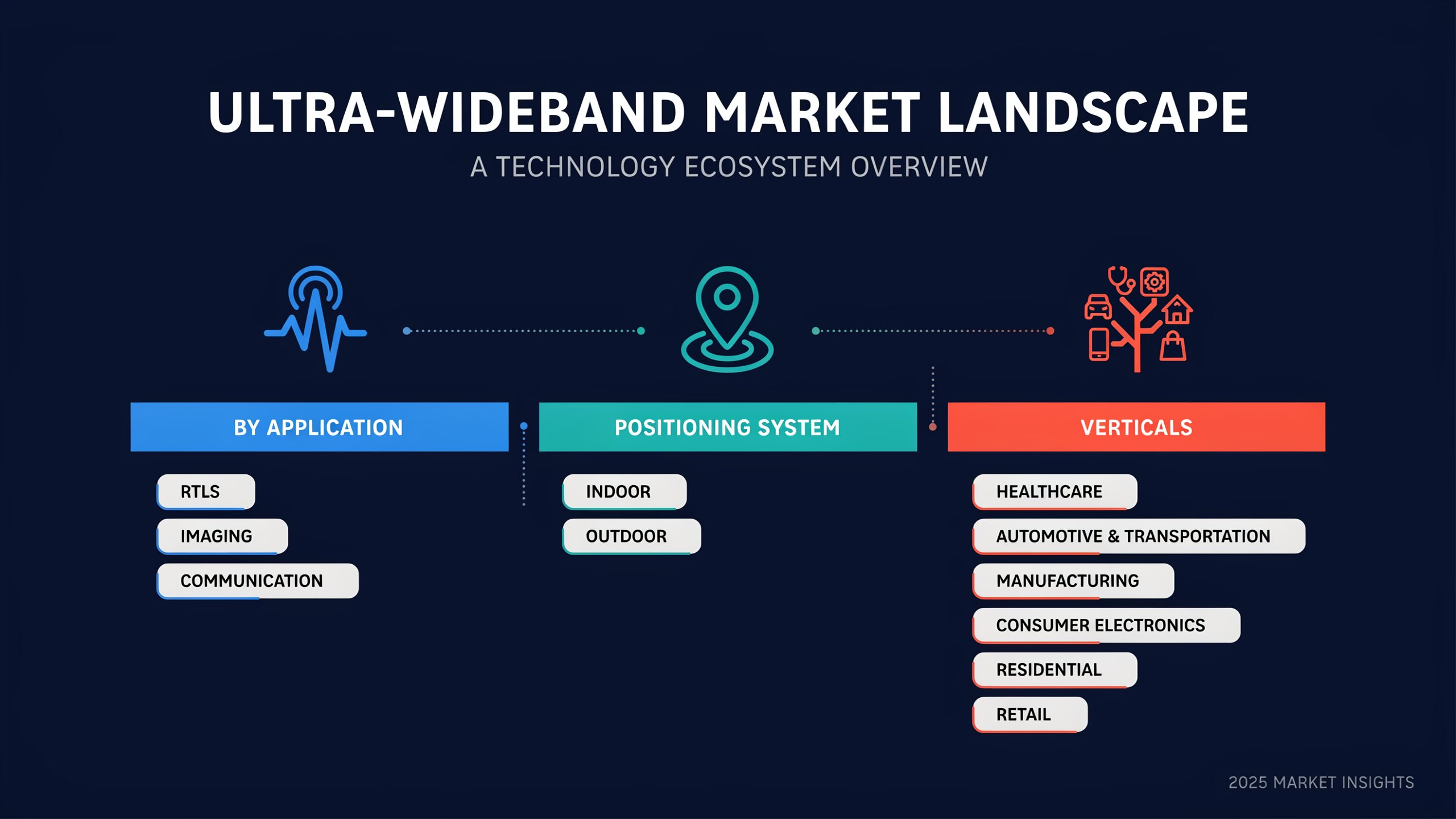
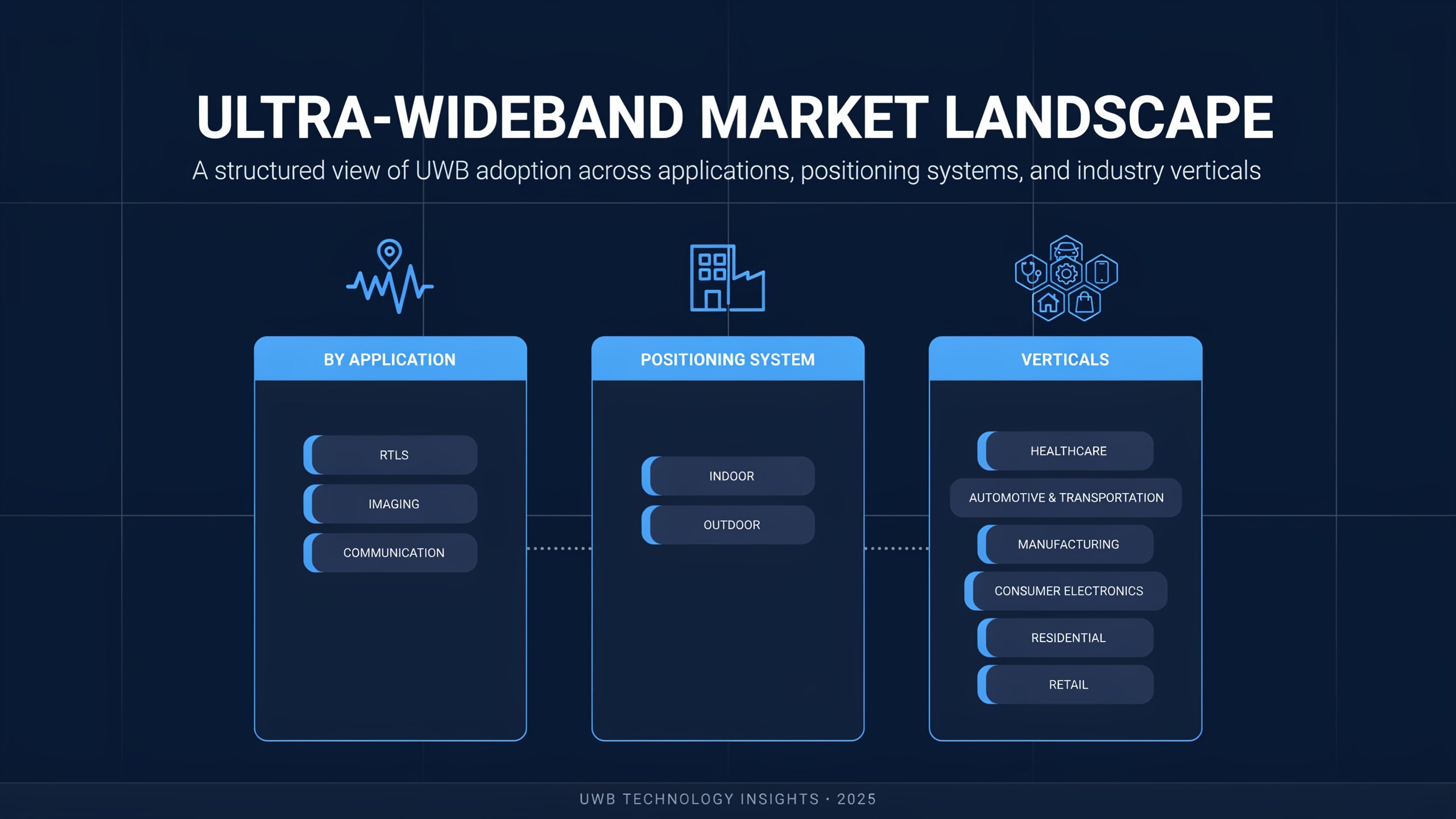
The Ultra-Wideband (UWB) Market is gaining significant momentum as industries increasingly recognize the value of precise positioning, secure short-range communication, and real-time location tracking. Applications across consumer electronics, automotive, industrial automation, healthcare, logistics, and smart infrastructure are driving widespread adoption of UWB technology. However, despite its strong technical advantages, the market continues to face several challenges that influence deployment speed and commercial expansion. At the same time, emerging technologies, expanding digital transformation initiatives, and growing investments in intelligent connectivity are creating substantial growth opportunities that are expected to support the long-term development of the Ultra-Wideband market.
One of the primary challenges affecting market growth is the relatively high implementation cost of Ultra-Wideband infrastructure. Unlike conventional wireless communication technologies, UWB deployments often require dedicated anchor nodes, gateways, positioning software, and supporting network infrastructure to deliver high-accuracy location services. Large industrial facilities, warehouses, hospitals, and manufacturing plants may require significant investments to establish comprehensive positioning networks. Although long-term operational benefits often justify these investments, the initial capital expenditure remains a consideration for small and medium-sized organizations evaluating new positioning technologies.
Limited market awareness also presents an important challenge. While Bluetooth, Wi-Fi, and RFID technologies have been widely adopted across industries for many years, Ultra-Wideband remains relatively unfamiliar to many potential users outside specialized technology sectors. Some organizations continue relying on legacy wireless systems without fully understanding the accuracy, security, and operational advantages offered by UWB. Increasing education, industry demonstrations, and successful commercial implementations will be essential for improving awareness and accelerating broader market adoption.
Download PDF Brochure @ https://www.marketsandmarkets.com/pdfdownloadNew.asp?id=200905786
Interoperability with existing industrial infrastructure can also create deployment complexities. Many organizations operate diverse communication environments that combine Wi-Fi, Bluetooth, RFID, Ethernet, Industrial Internet of Things (IIoT) platforms, and proprietary automation systems. Integrating Ultra-Wideband into these established ecosystems requires careful planning to ensure compatibility and seamless data exchange. Although technology providers continue improving interoperability through standardized interfaces and open communication protocols, integration challenges may extend deployment timelines for some organizations.
Another challenge involves spectrum regulations that vary across different countries and regions. Ultra-Wideband operates over a broad frequency spectrum that is subject to regulatory oversight. Different national authorities establish specific transmission power limits, operating frequencies, and certification requirements that manufacturers must satisfy before commercial deployment. Navigating diverse regulatory environments can increase product development costs while extending certification timelines, particularly for companies seeking global market expansion.
Power consumption remains an area of ongoing technological development. While modern UWB chipsets have become significantly more energy efficient than earlier generations, battery-powered applications such as wearable devices, asset tracking tags, and industrial sensors continue requiring extended operating lifetimes. Manufacturers are investing heavily in semiconductor innovation to reduce energy requirements without compromising positioning accuracy or communication reliability. Continued advancements in low-power electronics are expected to further strengthen the commercial viability of large-scale UWB deployments.
Despite these challenges, the Ultra-Wideband market offers considerable growth opportunities driven by accelerating digital transformation across industries. One of the most promising opportunities lies in smart manufacturing. Manufacturers worldwide are investing in Industry 4.0 technologies that integrate robotics, artificial intelligence, IIoT, digital twins, and intelligent automation. These advanced production environments require highly accurate positioning to coordinate equipment, autonomous mobile robots, materials, and workforce movement. Ultra-Wideband provides the precision necessary to support these intelligent manufacturing systems, making it a strategic technology for future factory modernization.
The rapid expansion of warehouse automation and logistics digitalization represents another significant opportunity. Global supply chains increasingly depend on automated storage systems, autonomous guided vehicles, robotic picking systems, and intelligent inventory management platforms. Ultra-Wideband enables real-time tracking of pallets, containers, forklifts, robots, and inventory with exceptional accuracy. Growing e-commerce activity and increasing demand for faster order fulfillment are encouraging logistics providers to invest in advanced positioning technologies that improve operational efficiency and supply chain visibility.
Inquiry Before Buying @ https://www.marketsandmarkets.com/Enquiry_Before_BuyingNew.asp?id=200905786
Automotive innovation continues creating substantial opportunities for Ultra-Wideband providers. Connected vehicles increasingly incorporate digital key systems, secure access control, occupant detection, and advanced driver assistance features that benefit from highly accurate ranging capabilities. Future autonomous vehicles are also expected to utilize UWB for precise short-range positioning and communication with surrounding infrastructure. As software-defined vehicles become more common, Ultra-Wideband will likely become a standard component of intelligent automotive platforms.
Consumer electronics remain one of the fastest-growing opportunities within the market. Smartphones, wearable devices, wireless accessories, tablets, laptops, and smart home products increasingly integrate UWB technology to enable secure device interactions, precise location sharing, digital identity management, and enhanced user experiences. As leading technology companies continue expanding UWB-enabled ecosystems, broader consumer adoption is expected to generate sustained demand for advanced semiconductor solutions and supporting software platforms.
Healthcare digitalization offers another important avenue for market expansion. Hospitals increasingly adopt connected medical equipment, patient monitoring systems, and real-time location services to improve operational efficiency and patient care. Ultra-Wideband enables accurate indoor positioning of medical devices, healthcare personnel, and emergency equipment while supporting workflow optimization and resource management. Future integration with artificial intelligence and cloud-based healthcare platforms will further increase the value of UWB-enabled medical solutions.
Artificial intelligence is expected to significantly enhance future market opportunities. AI-powered analytics platforms process large volumes of positioning data collected through Ultra-Wideband systems to optimize asset utilization, predict workflow bottlenecks, improve equipment maintenance, and automate industrial decision-making. Machine learning algorithms continuously improve positioning accuracy by adapting to changing environmental conditions, making UWB solutions increasingly intelligent and operationally valuable.
The continued expansion of Industrial Internet of Things ecosystems also strengthens market prospects. Connected sensors, industrial machinery, autonomous systems, and smart infrastructure require precise location information to operate efficiently within digital environments. Ultra-Wideband complements existing IIoT communication technologies by providing highly accurate spatial awareness that enhances automation, predictive maintenance, and intelligent asset management. Growing investments in connected industrial operations are expected to drive sustained demand for UWB positioning technologies.
View detailed Table of Content here – https://www.marketsandmarkets.com/Market-Reports/ultra-wideband-market-200905786.html
Smart city development presents another emerging growth opportunity. Governments worldwide are investing in intelligent transportation systems, public safety infrastructure, connected utilities, and digital urban services. Ultra-Wideband supports these initiatives by enabling accurate positioning for infrastructure monitoring, emergency response coordination, intelligent parking systems, and public transportation management. As urban digitalization accelerates, UWB applications are expected to expand beyond traditional industrial markets.
Advancements in semiconductor manufacturing will further strengthen future growth opportunities. Smaller, lower-cost, and more energy-efficient UWB chipsets enable integration into a broader range of commercial devices while reducing implementation costs. Improved scalability will encourage adoption across industries previously constrained by hardware expenses, supporting wider deployment of positioning technologies.
Regional industrial modernization efforts also contribute to positive market prospects. North America continues investing in advanced manufacturing, healthcare innovation, and connected mobility. Europe emphasizes Industry 4.0, smart factories, and intelligent infrastructure, while Asia Pacific remains the fastest-growing region due to strong electronics manufacturing, industrial automation, semiconductor production, and smart city investments. These regional developments provide a stable foundation for long-term market expansion.
Looking ahead, while the Ultra-Wideband market faces challenges related to implementation costs, interoperability, regulatory requirements, and technology awareness, the long-term growth outlook remains highly favorable. The convergence of artificial intelligence, Industrial IoT, autonomous systems, digital twins, smart manufacturing, connected mobility, and intelligent infrastructure is creating powerful demand for precise wireless positioning technologies. As innovation continues improving performance and affordability, Ultra-Wideband is expected to become an increasingly important technology supporting the next generation of connected industries and digital ecosystems through the remainder of the decade.