
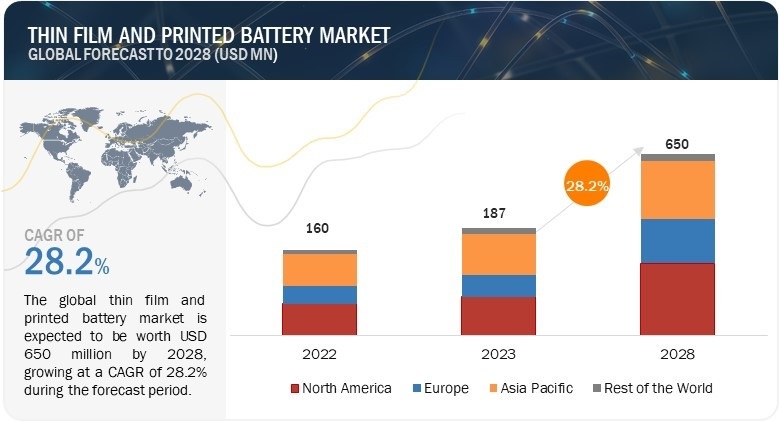
The Thin Film and Printed Battery Market is experiencing notable growth in smart cards and payment systems, driven by the increasing need for secure, convenient, and technologically advanced transaction methods. As financial systems transition toward digitalization and contactless payments, smart cards are evolving from simple identification tools into multifunctional devices capable of supporting enhanced security features, displays, and wireless communication. These advancements require compact and efficient power sources, positioning thin film and printed batteries as critical components in enabling next-generation smart card technologies.
One of the key trends influencing this market is the rapid adoption of contactless payment systems. Near-field communication-enabled cards allow users to make quick and secure transactions without physical contact, improving convenience and transaction speed. While traditional contactless cards operate passively, advanced smart cards with dynamic features such as biometric authentication and display screens require an internal power source. Thin film batteries, with their ultra-thin structure and reliable energy output, are ideally suited for such applications, supporting enhanced functionalities without increasing card thickness significantly.
Download PDF Brochure @ https://www.marketsandmarkets.com/pdfdownloadNew.asp?id=660
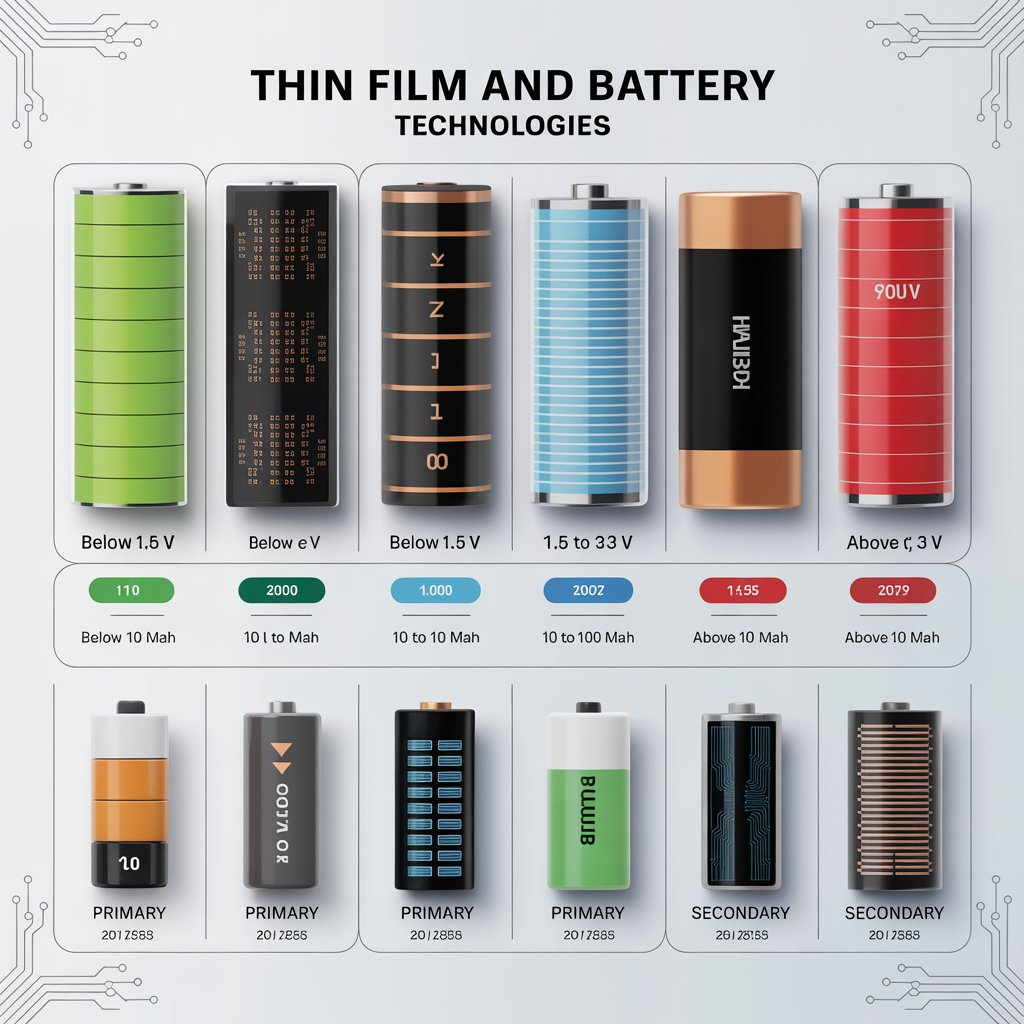
The integration of biometric authentication in payment cards is another major trend driving demand for thin film batteries. Biometric smart cards use fingerprint sensors to verify user identity, adding an extra layer of security to financial transactions. These sensors require consistent and reliable power to function effectively, which is provided by embedded thin film batteries. The adoption of biometric cards is gaining momentum as financial institutions seek to reduce fraud and improve user trust. This trend is expected to significantly contribute to the growth of the thin film battery market in payment systems.
Printed batteries are also gaining traction in smart card applications, particularly in cost-sensitive and high-volume markets. These batteries can be produced using scalable printing technologies, making them suitable for large-scale deployment in prepaid cards, transit cards, and identification systems. Printed batteries offer flexibility in design and can be integrated into various card formats without compromising performance. Their cost-effectiveness and ease of manufacturing make them an attractive option for applications that require disposable or limited-use cards.
Another important trend is the incorporation of display features in smart cards. Some advanced payment cards are equipped with small e-paper or LCD displays that provide real-time information such as transaction details, one-time passwords, or account balances. These features enhance user experience and security but also increase power requirements. Thin film and printed batteries are enabling these innovations by providing a compact and efficient energy source that supports display functionality without significantly increasing the card’s size or weight.
Inquiry Before Buying @ https://www.marketsandmarkets.com/Enquiry_Before_BuyingNew.asp?id=660
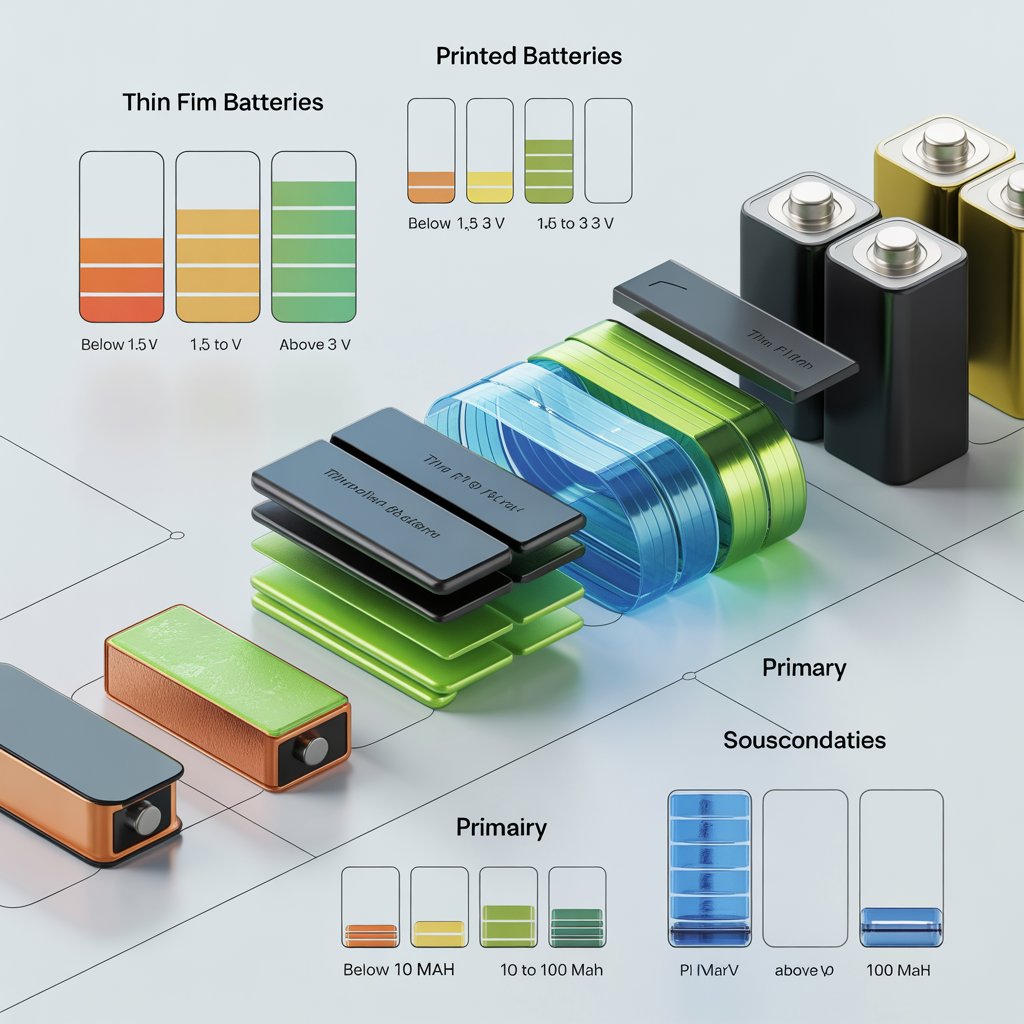
The growth of digital banking and fintech solutions is further accelerating the adoption of advanced smart cards and, consequently, thin film and printed batteries. Financial institutions are investing in innovative payment solutions to enhance customer experience and differentiate their offerings. Smart cards with added functionalities such as dynamic CVV codes, multi-account access, and enhanced encryption require reliable power sources to operate effectively. Thin film batteries, with their high reliability and long shelf life, are well-suited to meet these requirements, supporting the evolution of modern payment systems.
Security remains a critical factor in payment systems, and battery-powered smart cards are enabling more sophisticated security features. Dynamic authentication mechanisms, such as time-based codes and real-time encryption, rely on embedded electronics that require consistent power. Thin film and printed batteries provide the necessary energy to support these features, enhancing the overall security of transactions. As cyber threats and fraud risks continue to evolve, the demand for secure and technologically advanced payment solutions is expected to grow, driving further adoption of these battery technologies.
The transportation sector is also contributing to the growth of thin film and printed batteries in smart card applications. Transit cards used for public transportation systems are increasingly incorporating advanced features such as real-time tracking, multi-functionality, and integration with mobile payment platforms. These features require power sources that can operate efficiently within compact card designs. Printed batteries, in particular, are well-suited for such applications due to their low cost and scalability, enabling widespread deployment across large transit networks.
View detailed Table of Content here – https://www.marketsandmarkets.com/Market-Reports/printed-thin-film-battery-market-660.html
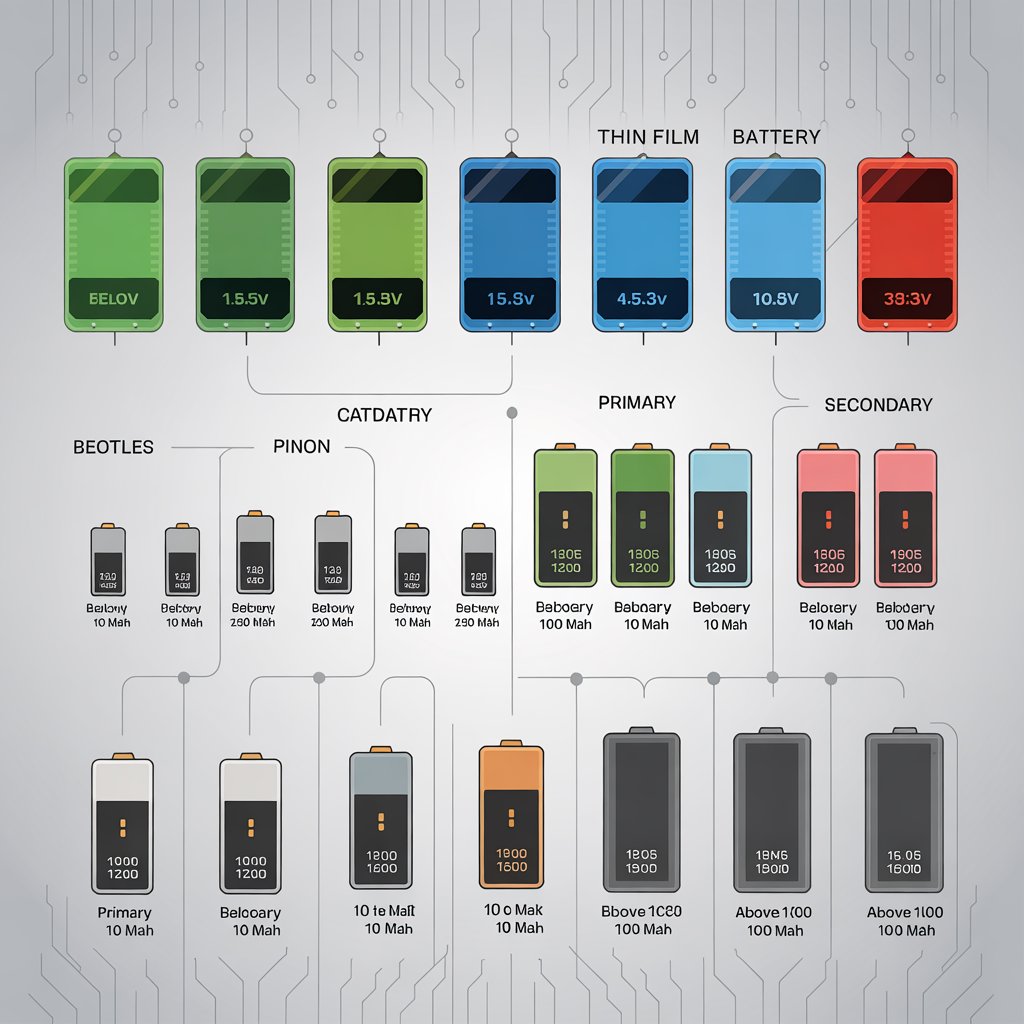
Technological advancements in battery design and materials are further supporting market growth. Innovations in solid-state electrolytes, flexible substrates, and conductive materials are improving the performance, safety, and lifespan of thin film and printed batteries. These advancements are enabling the development of more reliable and durable smart cards that can support advanced functionalities. As battery technologies continue to evolve, they will play a crucial role in shaping the future of smart card and payment systems.
Despite the positive outlook, challenges such as limited energy capacity, integration complexity, and cost constraints remain. Ensuring that batteries can deliver sufficient power while maintaining thin and flexible designs is a key challenge for manufacturers. Additionally, achieving cost efficiency for large-scale deployment requires continuous optimization of manufacturing processes. However, ongoing research and innovation are addressing these challenges, paving the way for broader adoption of battery-powered smart cards.
Looking ahead, the thin film and printed battery market in smart cards and payment systems is expected to grow significantly as digital payment ecosystems continue to expand. The increasing demand for secure, convenient, and feature-rich payment solutions will drive further innovation and adoption of advanced battery technologies. As financial institutions and technology providers continue to collaborate, new opportunities will emerge for integrating thin film and printed batteries into next-generation payment systems.
Thin film and printed batteries are playing a vital role in transforming smart cards and payment systems by enabling advanced functionalities, enhanced security, and improved user experience. Key trends such as contactless payments, biometric authentication, and digital banking are driving market growth and shaping the future of the industry. As technology advances and adoption increases, these battery solutions will remain essential in powering the next generation of secure and intelligent payment systems.