
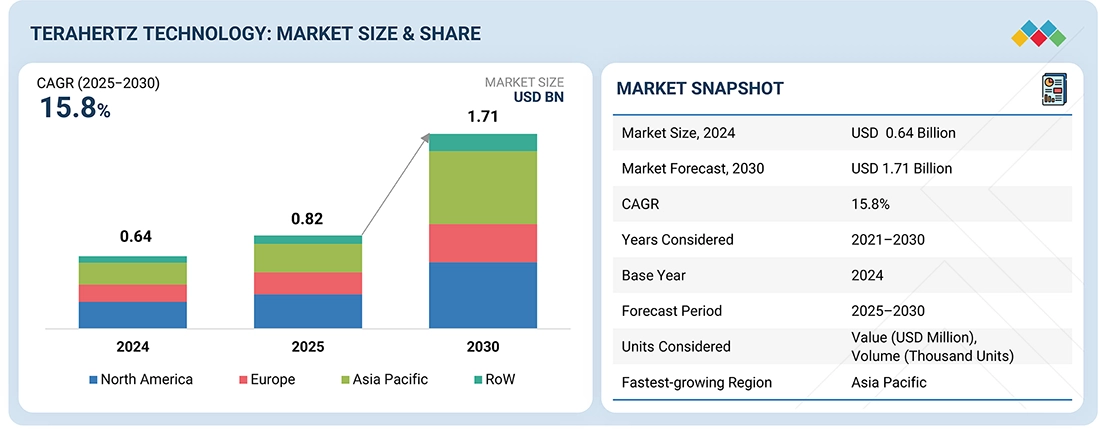
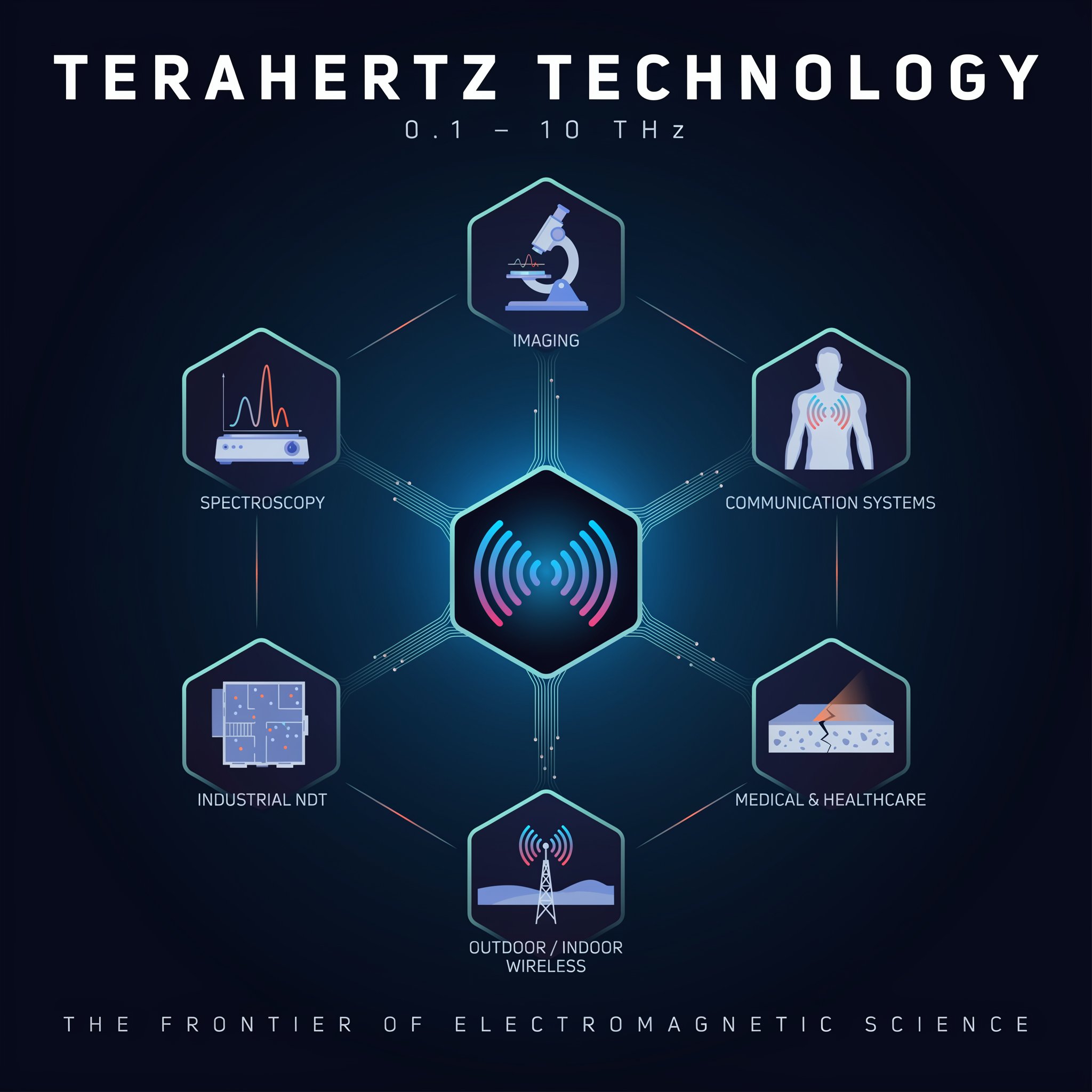
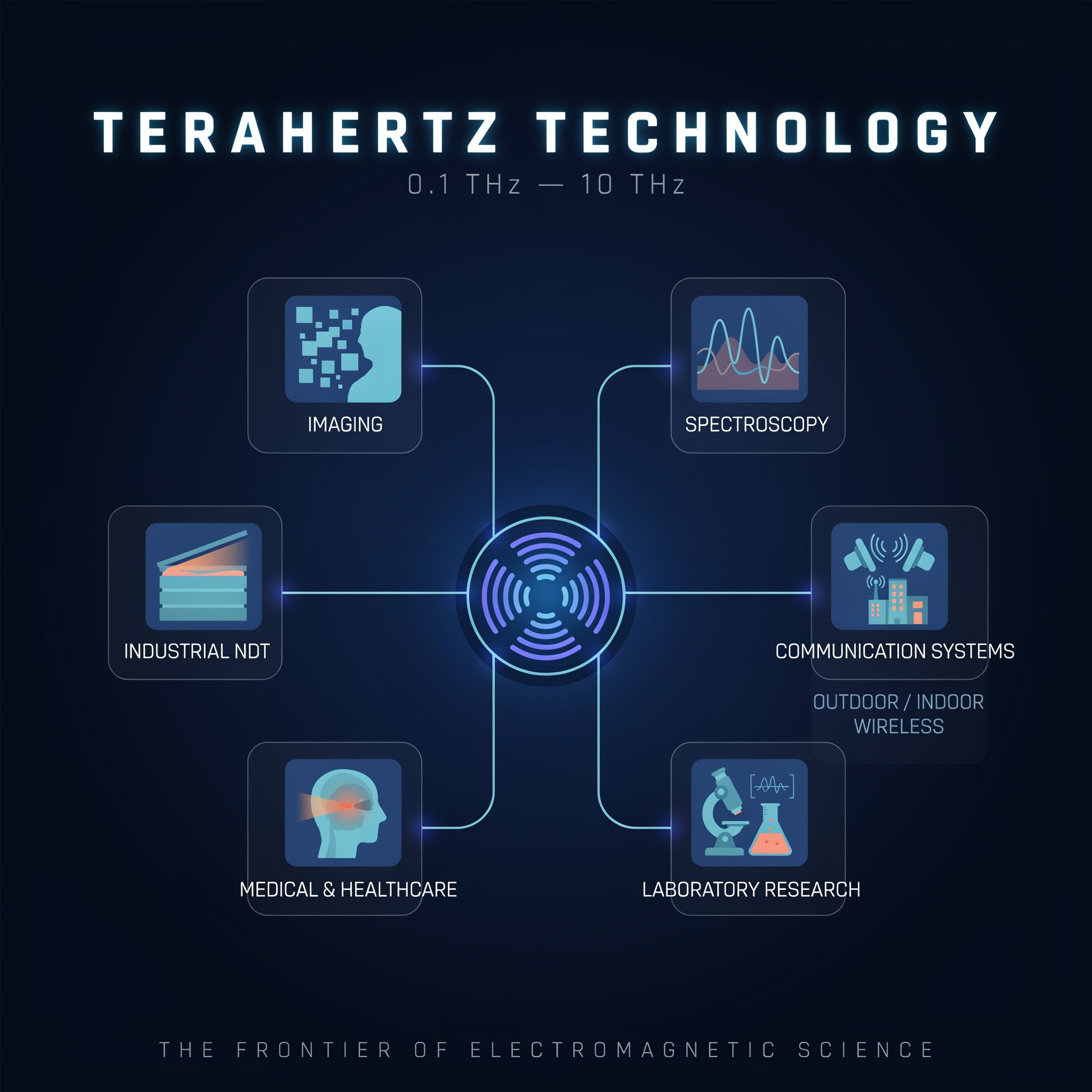
The Terahertz Technology Market is entering a phase of accelerated growth as industries increasingly focus on performance optimization and cost efficiency in their operational strategies. Terahertz technology, positioned between microwave and infrared frequencies in the electromagnetic spectrum, offers unique capabilities in imaging, spectroscopy, sensing, communication, and non-destructive testing. These capabilities are helping organizations improve productivity, enhance quality control, reduce operational costs, and support advanced research initiatives. As technological advancements continue to improve system performance while lowering deployment costs, terahertz solutions are becoming more commercially attractive across a wide range of industries. This combination of performance enhancement and cost optimization is shaping the future outlook of the terahertz technology market and driving broader adoption worldwide.
One of the primary factors influencing market growth is the continuous improvement in terahertz system performance. Early terahertz technologies often faced limitations related to signal strength, detection sensitivity, system complexity, and operational reliability. Recent advancements in photonics, semiconductor technologies, signal processing, and integrated electronics have significantly improved overall system capabilities. Modern terahertz platforms offer higher imaging resolution, faster data acquisition rates, improved measurement accuracy, and enhanced operational stability. These performance improvements are enabling organizations to utilize terahertz technologies more effectively in demanding industrial and commercial applications.
The increasing demand for high-precision inspection and analysis is contributing significantly to market expansion. Industries such as aerospace, automotive, electronics, healthcare, and advanced manufacturing require technologies capable of delivering detailed and accurate information about materials, components, and production processes. Terahertz systems provide non-destructive inspection capabilities that allow users to identify defects, analyze structures, and evaluate material properties without causing damage. As system performance continues to improve, organizations can achieve better quality control outcomes while minimizing operational disruptions.
Download PDF Brochure @ https://www.marketsandmarkets.com/pdfdownloadNew.asp?id=71182197
Cost efficiency has become a major consideration for organizations evaluating advanced technologies. Historically, the adoption of terahertz systems was often limited by high equipment costs and complex implementation requirements. However, ongoing technological advancements are helping reduce manufacturing expenses and improve system affordability. Innovations in semiconductor fabrication, integrated photonics, and component miniaturization are lowering production costs while maintaining or enhancing performance levels. As a result, terahertz solutions are becoming increasingly accessible to a broader range of industries and organizations.
The semiconductor industry is playing a crucial role in improving both performance and cost efficiency within the terahertz market. Advanced semiconductor materials and manufacturing processes are enabling the development of more efficient terahertz sources, detectors, and integrated circuits. These improvements contribute to higher system performance while supporting large-scale production capabilities that reduce costs. Continued innovation in semiconductor technologies is expected to further strengthen the economic viability of terahertz systems.
Industrial manufacturing represents one of the largest opportunities for performance-driven market growth. Manufacturers increasingly seek technologies capable of optimizing production processes, improving quality assurance, and reducing waste. Terahertz imaging and sensing systems provide real-time inspection capabilities that enable organizations to identify issues earlier in the production cycle. Faster inspections and more accurate analyses contribute to higher operational efficiency while reducing material losses and rework expenses. These benefits support strong return-on-investment outcomes for manufacturers adopting terahertz technologies.
Inquiry Before Buying @ https://www.marketsandmarkets.com/Enquiry_Before_BuyingNew.asp?id=71182197
The automotive industry is also benefiting from advancements in terahertz performance and affordability. Modern vehicles incorporate increasingly complex materials, electronic systems, and battery technologies that require advanced inspection methods. Terahertz systems provide detailed analysis capabilities while supporting efficient manufacturing workflows. Improved system performance allows automotive manufacturers to maintain stringent quality standards, while cost reductions make large-scale deployment more practical across production facilities.
Electric vehicle production is creating additional demand for cost-effective terahertz solutions. Battery manufacturing requires precise inspection procedures to ensure safety, performance, and reliability. Terahertz imaging systems can evaluate battery structures and materials without damaging components, reducing waste and supporting efficient production processes. As electric vehicle demand continues to grow globally, the need for high-performance yet affordable inspection technologies is expected to increase significantly.
Healthcare and biomedical research applications are becoming increasingly important contributors to market growth. Researchers require advanced analytical tools capable of providing accurate and detailed information about biological tissues and materials. Improved terahertz system performance is enhancing imaging and spectroscopy capabilities, enabling more effective research outcomes. At the same time, reductions in system costs are making terahertz technologies more accessible to academic institutions, research laboratories, and healthcare organizations.
View detailed Table of Content here – https://www.marketsandmarkets.com/Market-Reports/terahertz-technology-market-71182197.html

Artificial intelligence is emerging as a powerful driver of performance optimization within terahertz applications. AI-powered algorithms can process complex terahertz datasets more efficiently than traditional analytical methods. Automated image interpretation, defect detection, material classification, and predictive analytics improve operational efficiency while reducing manual labor requirements. These capabilities enhance overall system value and contribute to better cost-effectiveness for users.
The integration of terahertz technologies into digital manufacturing ecosystems is creating new opportunities for operational optimization. Smart factories increasingly rely on connected sensors, real-time analytics, and automated decision-making systems. Terahertz devices provide valuable data that supports process monitoring, quality assurance, and predictive maintenance initiatives. This integration helps organizations maximize productivity while reducing operational expenses.
Miniaturization is another important trend shaping the market outlook. Historically, many terahertz systems were large and expensive laboratory instruments. Advances in photonics, microelectronics, and packaging technologies are enabling the development of compact and portable systems. Smaller devices reduce infrastructure requirements, simplify deployment, and lower ownership costs. These advantages are encouraging adoption across new application areas and market segments.
The communication sector is also benefiting from ongoing performance improvements. Terahertz frequencies are being explored as a foundation for future ultra-high-speed wireless communication networks. Advances in signal generation, transmission efficiency, and detection technologies are making terahertz communication systems increasingly practical. As research progresses, cost-effective deployment strategies are expected to support broader commercialization opportunities.

Government investments and research funding continue to accelerate technological development. Many countries recognize the strategic importance of terahertz technologies for industrial competitiveness, scientific research, healthcare innovation, and national security. Public and private sector investments are supporting research initiatives aimed at improving system performance while reducing costs. These efforts are helping accelerate commercialization and market expansion.
Environmental monitoring applications are increasingly benefiting from optimized terahertz systems. Organizations responsible for air quality monitoring, emissions analysis, and climate research require highly sensitive analytical tools. Improved performance enables more accurate environmental measurements, while lower costs support wider deployment across monitoring networks and research programs.
The security and defense sectors remain important contributors to market growth. Terahertz imaging and sensing systems offer advanced capabilities for detecting concealed objects and hazardous materials. Enhanced performance improves detection accuracy, while cost reductions support broader implementation across transportation hubs, public facilities, and security infrastructure.
Looking ahead, the terahertz technology market is expected to experience strong growth as performance optimization and cost efficiency continue to improve. Advances in photonics, semiconductors, artificial intelligence, integrated electronics, and digital connectivity will further enhance system capabilities while reducing deployment barriers. As industries increasingly seek innovative technologies that deliver measurable operational and economic benefits, terahertz solutions are positioned to become a key component of future industrial, scientific, healthcare, and communication ecosystems.