
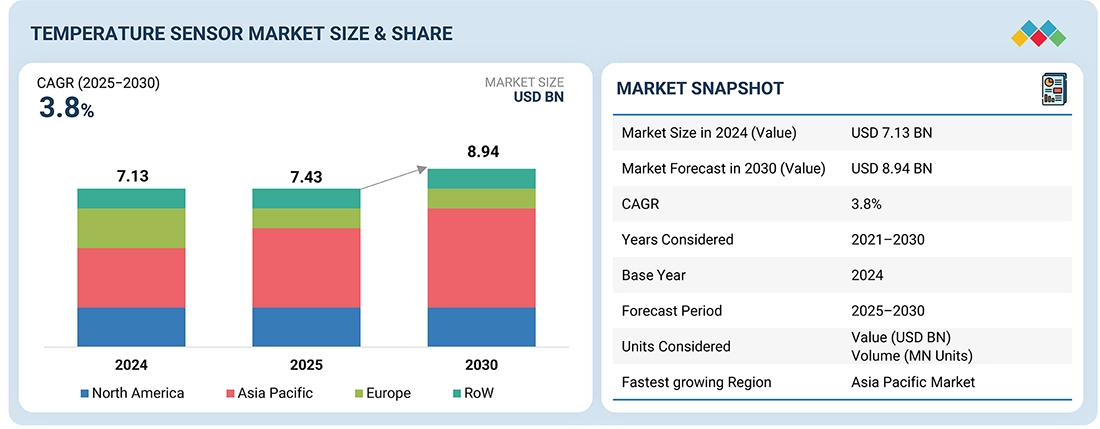
The Temperature Sensor Market is experiencing significant expansion as smart city development initiatives accelerate across the globe. Governments and urban planners are increasingly investing in intelligent infrastructure, connected technologies, and data-driven management systems to improve urban living, enhance sustainability, and optimize resource utilization. Temperature sensors play a fundamental role in these smart city ecosystems by providing real-time environmental and operational data that supports efficient decision-making. From smart buildings and intelligent transportation systems to environmental monitoring and energy management, temperature sensing technologies are becoming essential components of modern urban infrastructure. As smart city projects continue to expand, the demand for advanced temperature sensors is growing steadily.
One of the primary factors driving temperature sensor adoption in smart cities is the increasing need for environmental monitoring. Urban areas face numerous environmental challenges, including rising temperatures, air pollution, climate change impacts, and urban heat island effects. Temperature sensors deployed throughout cities provide real-time information about local environmental conditions and help authorities monitor temperature variations across different districts. This data enables city planners to develop targeted strategies for improving environmental sustainability and enhancing public health.
Smart building development represents one of the largest opportunities for temperature sensor market growth. Modern smart buildings rely on integrated heating, ventilation, air conditioning, and energy management systems that continuously monitor and regulate indoor environments. Temperature sensors provide the data necessary to maintain occupant comfort while optimizing energy consumption. These intelligent systems automatically adjust climate control settings based on real-time conditions, reducing energy waste and improving operational efficiency. As smart buildings become increasingly common within urban development projects, demand for temperature sensors continues to rise.
Download PDF Brochure @ https://www.marketsandmarkets.com/pdfdownloadNew.asp?id=522
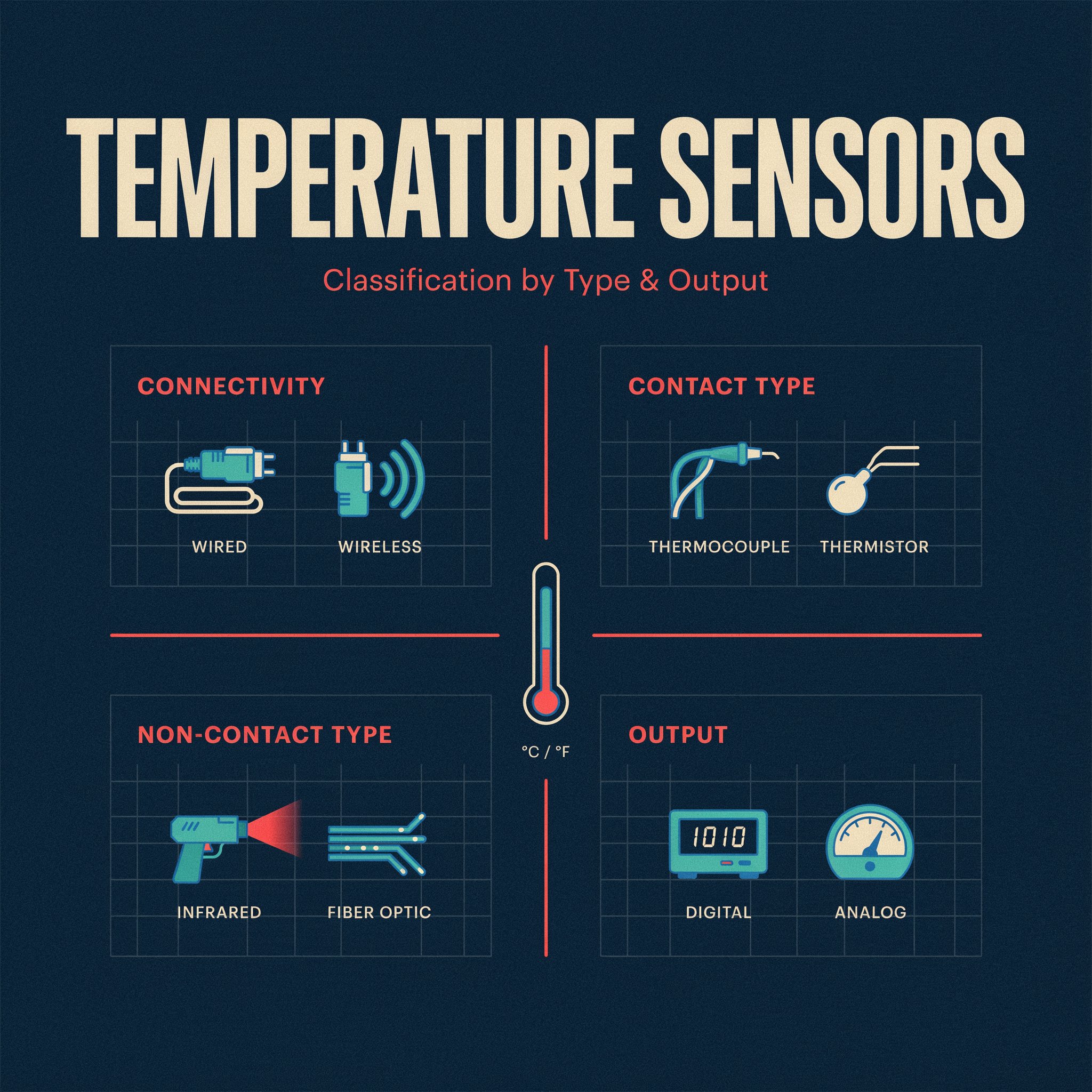
Energy efficiency remains a central objective of smart city initiatives, and temperature sensors play a critical role in achieving this goal. Cities are investing in intelligent energy management systems that monitor and optimize energy consumption across residential, commercial, and public infrastructure. Temperature sensors help identify inefficiencies, improve heating and cooling performance, and support more effective resource allocation. By enabling precise thermal management, these technologies contribute to lower energy costs and reduced carbon emissions.
The development of smart transportation infrastructure is creating additional demand for temperature sensing solutions. Transportation systems require continuous monitoring of various components to ensure safety, efficiency, and reliability. Temperature sensors are used in traffic management systems, electric vehicle charging stations, public transportation networks, and transportation infrastructure. These sensors help optimize performance, detect potential issues, and support predictive maintenance programs. As cities adopt intelligent transportation technologies, temperature monitoring becomes increasingly important.
Electric vehicle adoption is closely linked to smart city development and represents another significant growth area for the temperature sensor market. Electric vehicles rely on advanced battery management systems that require accurate thermal monitoring to maintain safety and efficiency. Temperature sensors help regulate battery temperatures, optimize charging performance, and prevent overheating. As urban areas invest in electric mobility infrastructure and charging networks, demand for automotive-grade temperature sensors continues to increase.
Inquiry Before Buying @ https://www.marketsandmarkets.com/Enquiry_Before_BuyingNew.asp?id=522

Smart grids are becoming a key component of modern city infrastructure, further supporting temperature sensor market expansion. These intelligent energy distribution networks integrate renewable energy sources, energy storage systems, and advanced monitoring technologies to improve efficiency and reliability. Temperature sensors are deployed throughout smart grid infrastructure to monitor transformers, substations, transmission equipment, and energy storage systems. This thermal data supports efficient operation and helps prevent equipment failures.
Environmental sustainability initiatives within smart cities are also contributing to growing demand for temperature monitoring solutions. Urban governments are implementing sustainability programs that focus on reducing emissions, conserving resources, and improving environmental quality. Temperature sensors provide valuable data for tracking environmental conditions and evaluating the effectiveness of sustainability measures. This information supports policy development and helps cities achieve long-term environmental objectives.
The integration of Internet of Things technologies is transforming how temperature sensors are used within urban environments. Connected temperature sensors continuously collect and transmit data to centralized platforms where information is analyzed and utilized for city management. These IoT-enabled networks provide real-time visibility into environmental and infrastructure conditions, allowing authorities to respond quickly to emerging challenges. As IoT adoption expands across smart city ecosystems, temperature sensors are becoming increasingly interconnected and intelligent.
View detailed Table of Content here – https://www.marketsandmarkets.com/Market-Reports/temperature-sensor-market-522.html
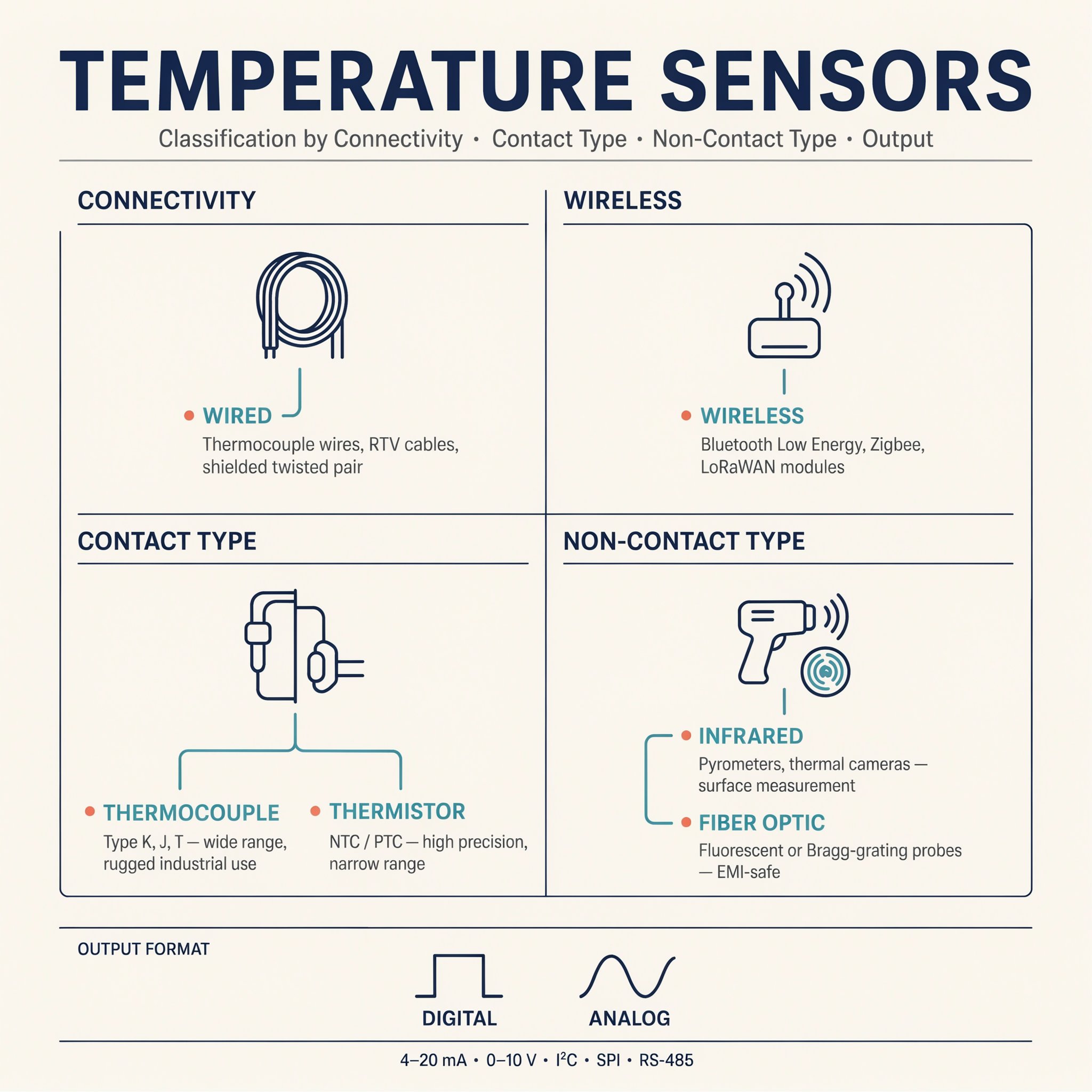
Public safety applications are creating additional opportunities for temperature sensor deployment. Smart cities utilize temperature monitoring systems in critical infrastructure, public facilities, utility networks, and emergency response systems. Temperature sensors help identify overheating equipment, detect fire risks, and support disaster management efforts. These capabilities contribute to safer urban environments and more resilient infrastructure systems.
Water management systems within smart cities are also benefiting from temperature sensing technologies. Water temperature plays an important role in maintaining water quality, supporting environmental sustainability, and ensuring efficient utility operations. Temperature sensors help monitor water distribution networks, treatment facilities, reservoirs, and environmental water resources. These insights support effective resource management and infrastructure optimization.
Artificial intelligence and advanced analytics are enhancing the value of temperature sensor networks within smart cities. AI-powered platforms analyze temperature data collected from thousands of sensors distributed throughout urban environments. These systems identify trends, predict future conditions, and recommend actions that improve efficiency and sustainability. The combination of temperature sensing and advanced analytics is enabling more intelligent urban management strategies.
Climate resilience has become a major priority for cities worldwide, particularly in regions affected by extreme weather conditions. Temperature sensors help municipalities monitor heat waves, assess climate risks, and implement adaptive strategies that protect communities and infrastructure. Real-time thermal monitoring supports more effective planning and enhances the ability of cities to respond to environmental challenges.
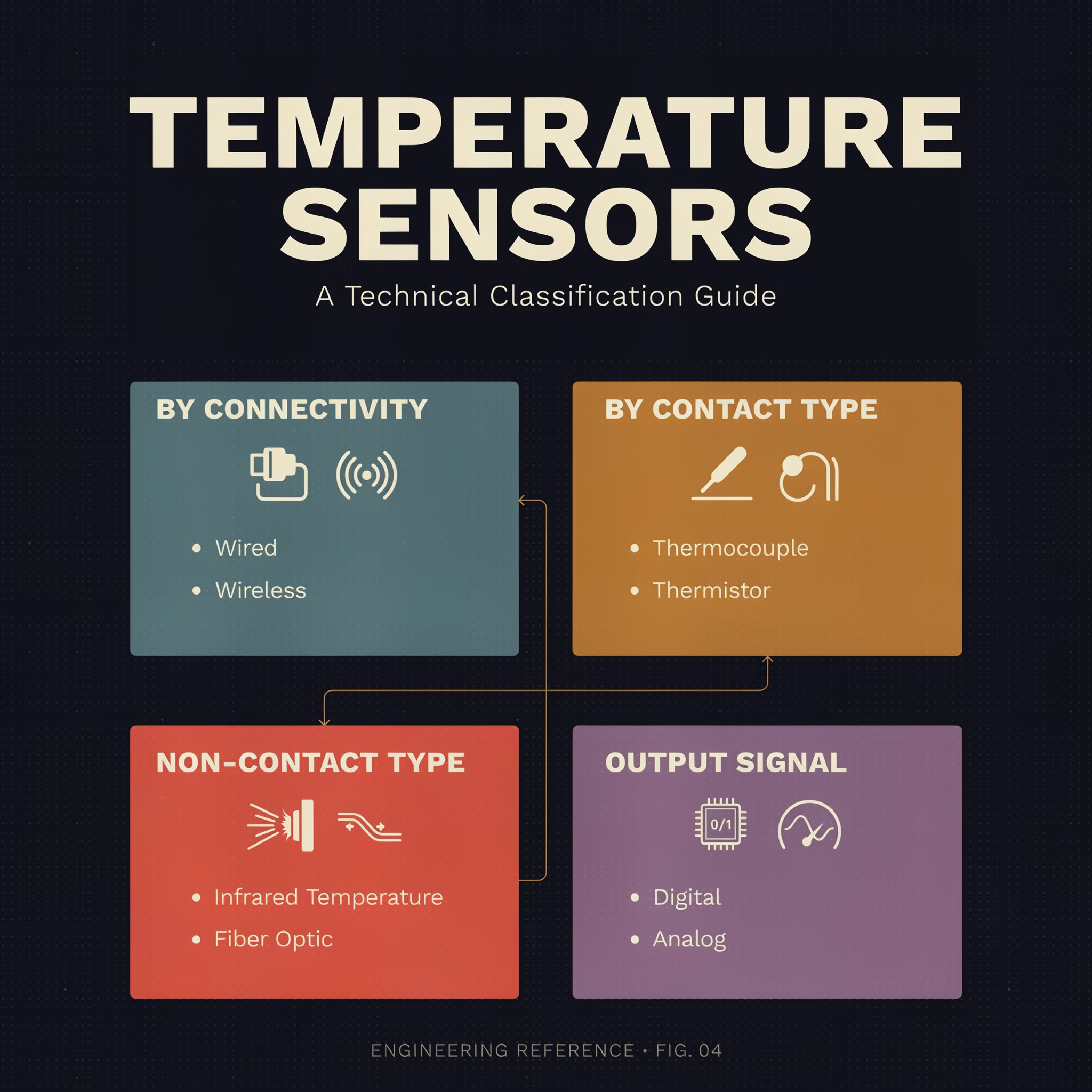
The healthcare sector within smart cities is also leveraging temperature monitoring technologies. Hospitals, public health facilities, laboratories, and pharmaceutical storage systems require precise thermal management to maintain operational standards. Temperature sensors support healthcare infrastructure by ensuring safe operating conditions and protecting sensitive medical materials.
Advancements in sensor technology are further accelerating adoption within smart city environments. Modern temperature sensors offer improved accuracy, wireless connectivity, lower power consumption, and greater durability. These characteristics make them well suited for large-scale urban deployments where reliability and efficiency are essential.
Looking ahead, smart city development will remain a significant driver of Temperature Sensor Market growth. The continued expansion of connected infrastructure, intelligent transportation systems, smart buildings, renewable energy networks, and environmental monitoring programs will create increasing demand for advanced temperature sensing solutions. As cities pursue greater sustainability, efficiency, resilience, and quality of life, temperature sensors will continue to play a crucial role in supporting the intelligent urban ecosystems of the future.