

The Shortwave Infrared (SWIR) Market is experiencing significant growth within industrial automation and robotics, driven by the increasing demand for advanced sensing and imaging technologies that enhance precision, efficiency, and reliability. As industries move toward smarter manufacturing environments under Industry 4.0 initiatives, the need for intelligent vision systems has become critical. SWIR imaging, with its ability to provide superior visibility beyond the capabilities of conventional cameras, is emerging as a powerful tool in automated and robotic systems. Its unique properties, including the ability to detect moisture, penetrate certain materials, and operate effectively in low-light conditions, are enabling new levels of performance in industrial processes.
One of the key drivers of SWIR adoption in industrial automation is its role in quality inspection and defect detection. Manufacturing processes require high levels of accuracy to ensure product quality and consistency. Traditional vision systems often struggle to detect hidden defects or subtle material variations. SWIR cameras, however, can identify issues such as internal cracks, contamination, and moisture content that are not visible in the visible spectrum. In industries such as electronics, automotive, and food processing, this capability is crucial for maintaining quality standards and reducing production losses. As automation becomes more sophisticated, the integration of SWIR imaging into inspection systems is becoming increasingly common.
Download PDF Brochure @ https://www.marketsandmarkets.com/pdfdownloadNew.asp?id=52975079
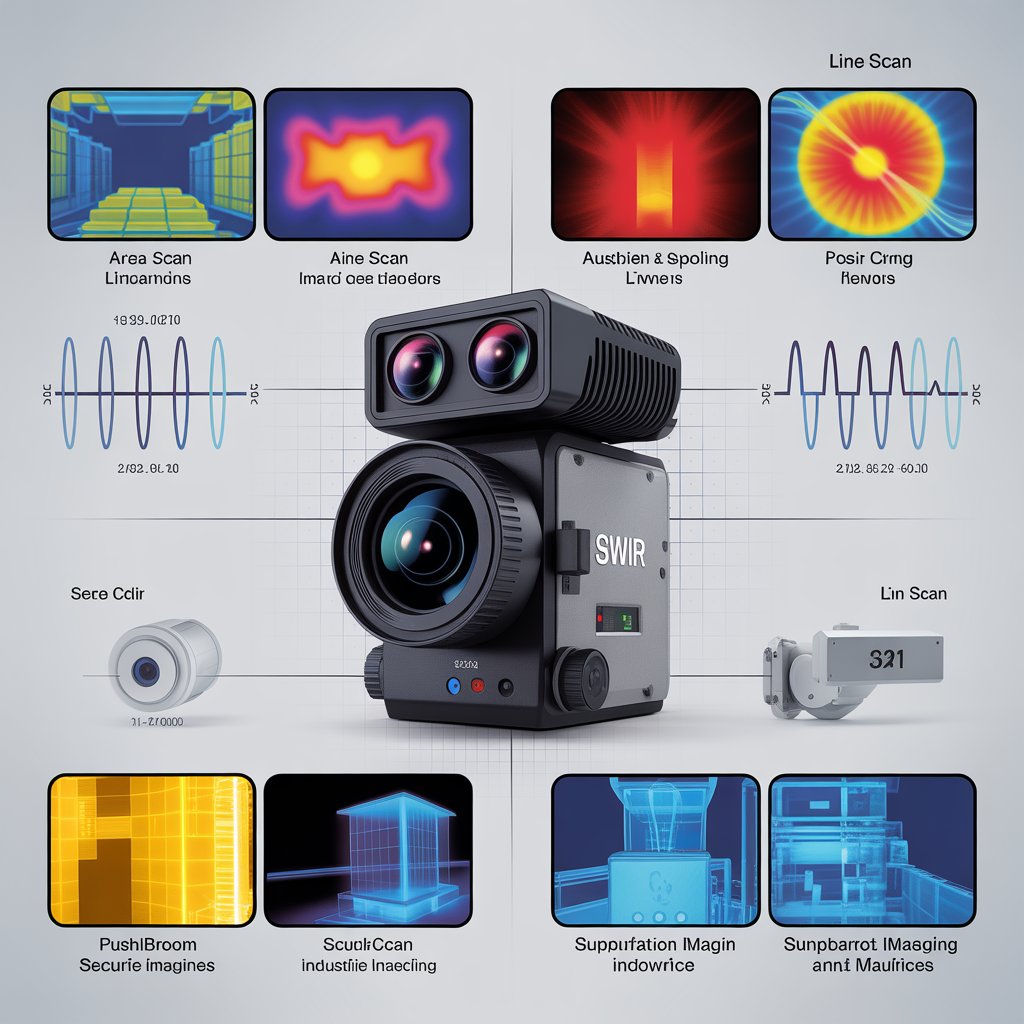
Robotics is another area where SWIR technology is driving innovation. Industrial robots rely on advanced vision systems to perform tasks such as assembly, sorting, and material handling. SWIR imaging enhances robotic vision by providing clearer and more detailed images in challenging conditions, including low light and environments with dust or smoke. This improves the accuracy and efficiency of robotic operations, enabling robots to perform complex tasks with greater precision. For example, in semiconductor manufacturing, robots equipped with SWIR cameras can handle delicate components and detect defects at a microscopic level, ensuring high-quality production.
The ability of SWIR technology to support real-time monitoring is also contributing to its growth in industrial automation. Modern manufacturing environments require continuous monitoring of processes and equipment to ensure optimal performance. SWIR imaging can capture real-time data on temperature variations, material properties, and process conditions. When integrated with automation systems, this data can be used to adjust processes dynamically, improving efficiency and reducing downtime. This capability is particularly valuable in high-speed production lines, where even minor disruptions can have significant impacts on output.
Another important factor driving SWIR adoption is its compatibility with advanced analytics and artificial intelligence. AI-powered systems can analyze SWIR images to identify patterns, detect anomalies, and make decisions in real time. This combination of imaging and intelligence enables more efficient and autonomous industrial operations. In robotic systems, AI-enhanced SWIR vision can improve object recognition, navigation, and decision-making, allowing robots to operate more effectively in complex environments. The integration of SWIR with AI is transforming industrial automation by enabling smarter and more adaptive systems.
Inquiry Before Buying @ https://www.marketsandmarkets.com/Enquiry_Before_BuyingNew.asp?id=52975079
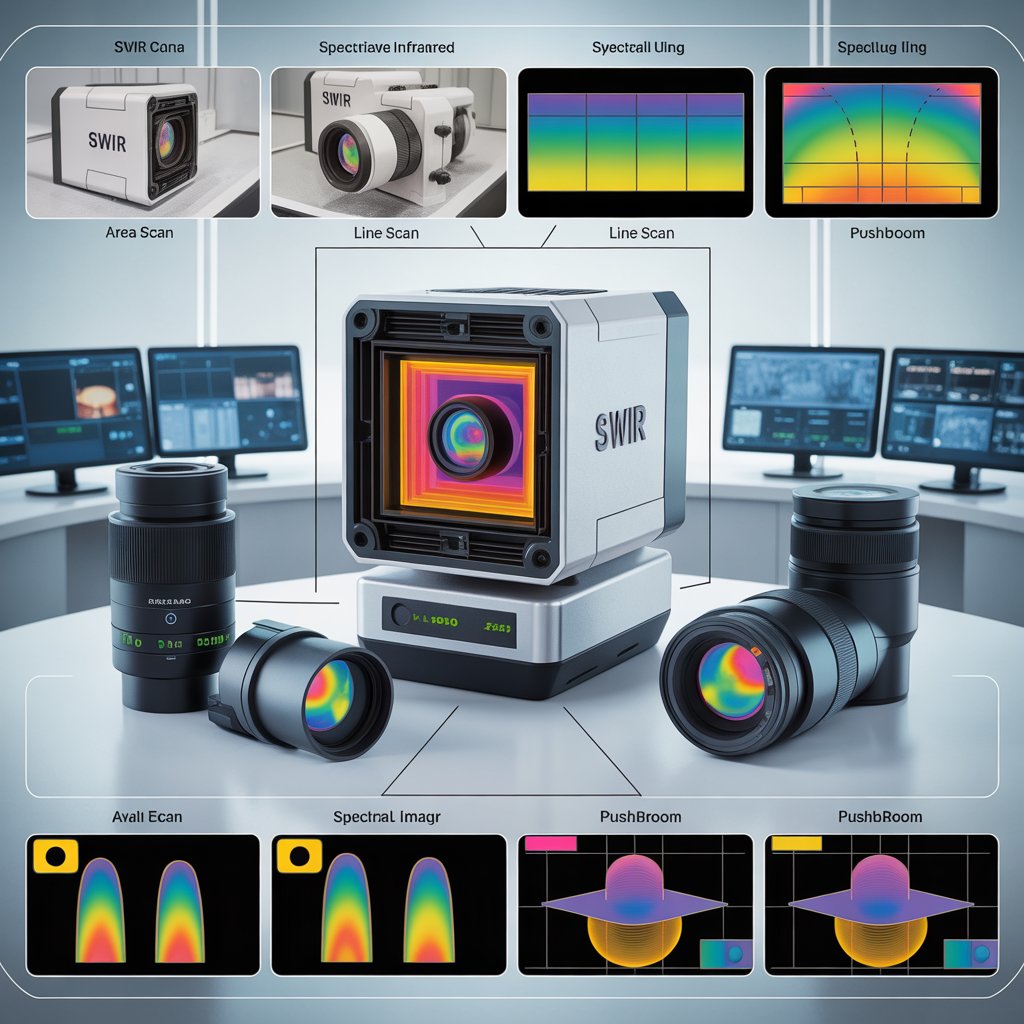
The use of SWIR technology in material identification and sorting is also gaining traction. In industries such as recycling and waste management, accurate material identification is essential for efficient processing. SWIR imaging can differentiate between materials based on their spectral properties, enabling automated sorting systems to achieve higher accuracy. This not only improves operational efficiency but also supports sustainability initiatives by enhancing recycling processes. As industries place greater emphasis on resource optimization, the demand for SWIR-based sorting solutions is expected to increase.
Miniaturization and system integration are further supporting the growth of SWIR in industrial automation and robotics. Advances in sensor technology and optical design are enabling the development of compact and lightweight SWIR cameras that can be easily integrated into robotic systems and automated equipment. These smaller form factors reduce installation complexity and expand the range of applications. Additionally, integration with industrial networks and IoT platforms allows SWIR systems to communicate with other components, enabling seamless data exchange and coordinated operations.
The growing adoption of collaborative robots, or cobots, is another trend influencing the SWIR market. Cobots are designed to work alongside human operators, requiring advanced sensing capabilities to ensure safety and efficiency. SWIR imaging can enhance the perception capabilities of cobots, enabling them to detect objects and conditions that may not be visible to standard sensors. This improves interaction between humans and machines, supporting safer and more efficient workflows.
View detailed Table of Content here – https://www.marketsandmarkets.com/Market-Reports/shortwave-ir-market-52975079.html
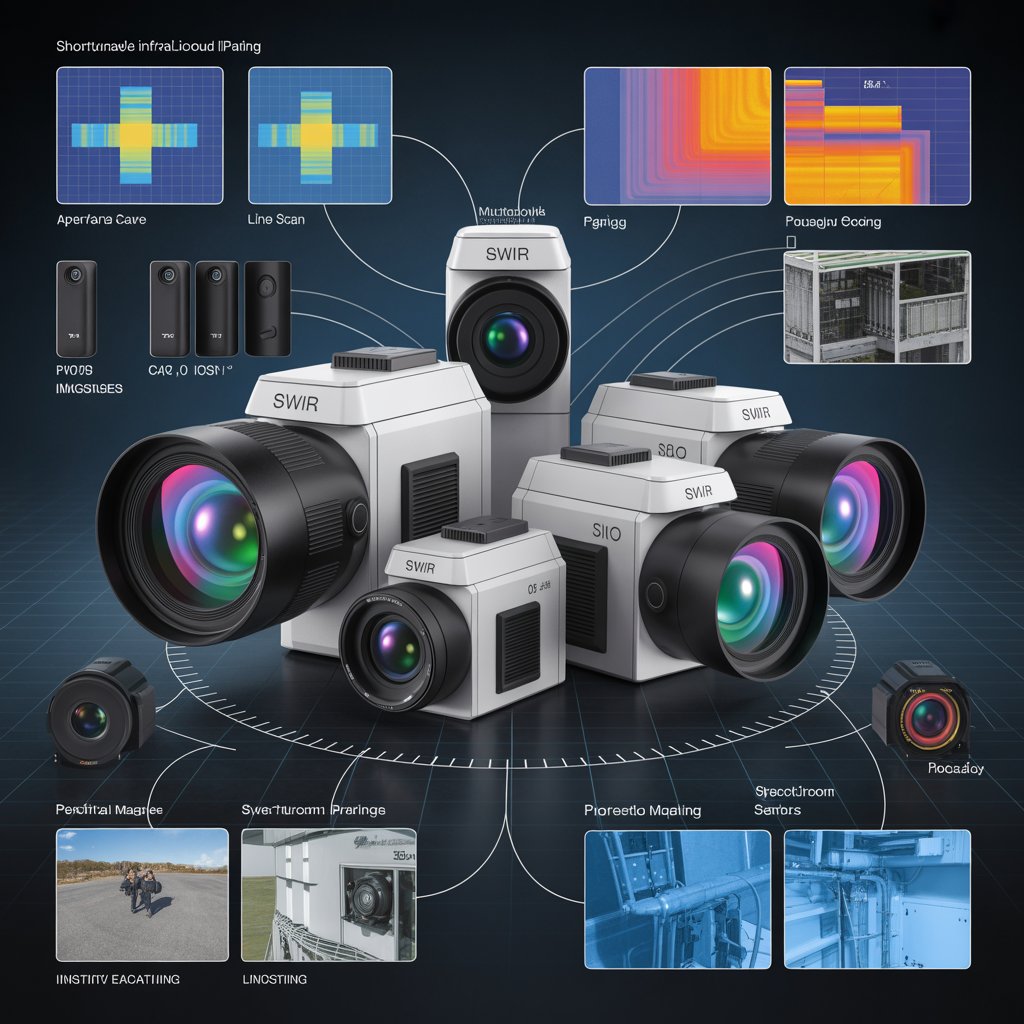
Despite the numerous advantages, challenges such as high initial costs and technical complexity remain. Implementing SWIR systems requires investment in specialized equipment and expertise, which can be a barrier for some organizations. However, ongoing advancements in technology and increasing competition among manufacturers are helping to reduce costs and improve accessibility. As the benefits of SWIR technology become more widely recognized, its adoption in industrial automation and robotics is expected to accelerate.
The growth of the SWIR market in industrial automation and robotics is driven by its ability to enhance vision systems, improve process efficiency, and enable intelligent operations. From quality inspection and robotic vision to real-time monitoring and material sorting, SWIR technology is playing a crucial role in transforming industrial processes. The integration of AI, advancements in sensor technology, and increasing demand for automation are further supporting its adoption. As industries continue to embrace smart manufacturing, SWIR is set to become an essential component of next-generation automation and robotics systems.