
Smart Grid Technologies Driving Solid-State Transformer Market Expansion
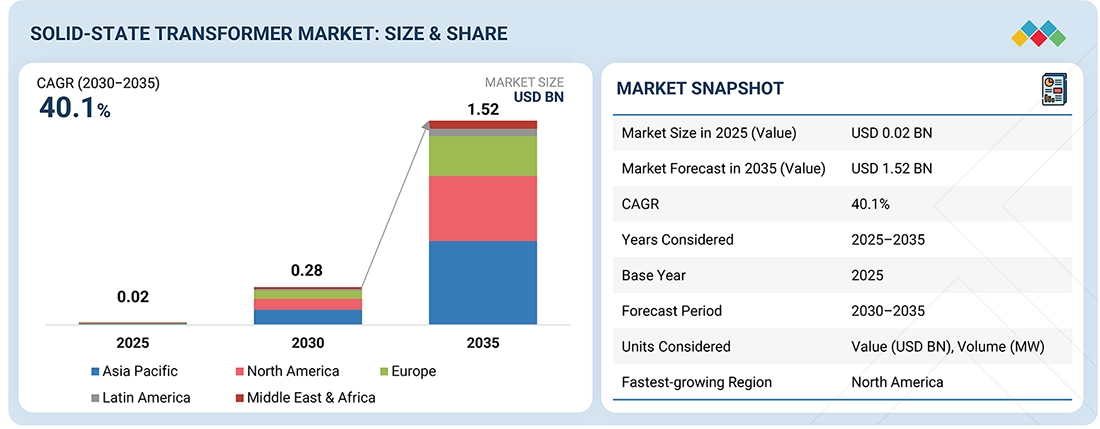
The Solid-State Transformer Market Size is gaining momentum as electricity networks transition toward intelligent, automated, and digitally connected power distribution systems. Smart grid technologies are transforming conventional electricity infrastructure by introducing advanced monitoring, communication, automation, and energy management capabilities. Within this transition, solid-state transformers are emerging as an important technology for improving voltage regulation, managing bidirectional power flow, and integrating distributed energy resources.
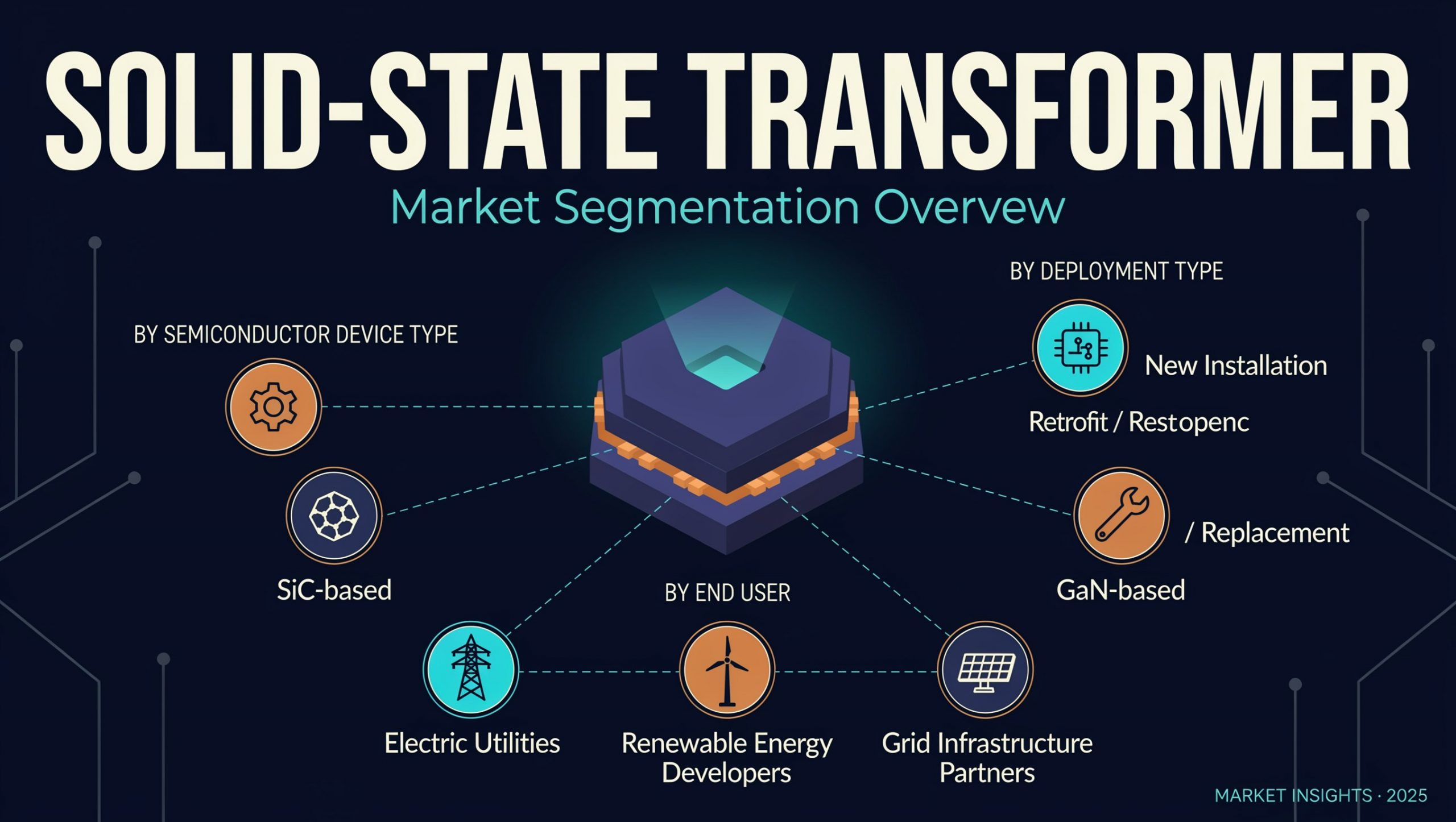
Unlike conventional transformers, solid-state transformers combine power electronic converters, high-frequency transformers, semiconductor devices, and digital control systems. These components enable more flexible electricity conversion and provide opportunities for real-time monitoring and intelligent power management. As utilities invest in grid modernization, the integration of solid-state transformers with smart grid infrastructure is expected to create new opportunities across power distribution, renewable energy, transportation, and industrial applications.
Download PDF Brochure @ https://www.marketsandmarkets.com/pdfdownloadNew.asp?id=774
Intelligent Power Distribution Strengthens Market Demand
Smart grids require advanced electrical equipment capable of responding to changing electricity demand and supply conditions. Conventional power distribution systems often have limited flexibility when managing multiple distributed energy sources and fluctuating loads. Solid-state transformers can address some of these requirements through controlled voltage conversion, power quality management, and bidirectional electricity transfer.
The increasing adoption of smart meters, automated substations, digital sensors, and distribution management systems is creating demand for compatible power electronics. Solid-state transformers can potentially connect these digital systems with advanced electrical infrastructure, allowing operators to monitor and regulate power flow more effectively.
Intelligent power distribution is particularly important in urban areas where electricity consumption is increasing due to commercial buildings, electric transportation, data centers, and industrial development. Solid-state transformers could support more adaptable distribution networks by helping manage changing load conditions and improving coordination between grid components.
Renewable Energy Integration Creates New Opportunities
The expansion of renewable energy is one of the major factors supporting the adoption of smart grid technologies. Solar and wind power generation varies according to weather conditions, creating challenges for conventional electricity networks. Smart grids use digital monitoring and advanced control systems to balance electricity supply and demand, while solid-state transformers can contribute through flexible power conversion and voltage regulation.
Distributed solar installations, community energy projects, and renewable-powered microgrids are increasing the need for advanced distribution equipment. Solid-state transformers can facilitate power exchange between renewable generation systems, battery storage, and local distribution networks. Their bidirectional capabilities are particularly relevant when electricity must move between the grid and decentralized energy resources.
As utilities pursue decarbonization objectives, investments in renewable energy integration and grid flexibility are expected to increase. This creates opportunities for solid-state transformer manufacturers to develop systems designed for modern distribution networks with higher shares of renewable electricity.
Inquiry Before Buying @ https://www.marketsandmarkets.com/Enquiry_Before_BuyingNew.asp?id=774
Digital Monitoring and Artificial Intelligence Improve Grid Management
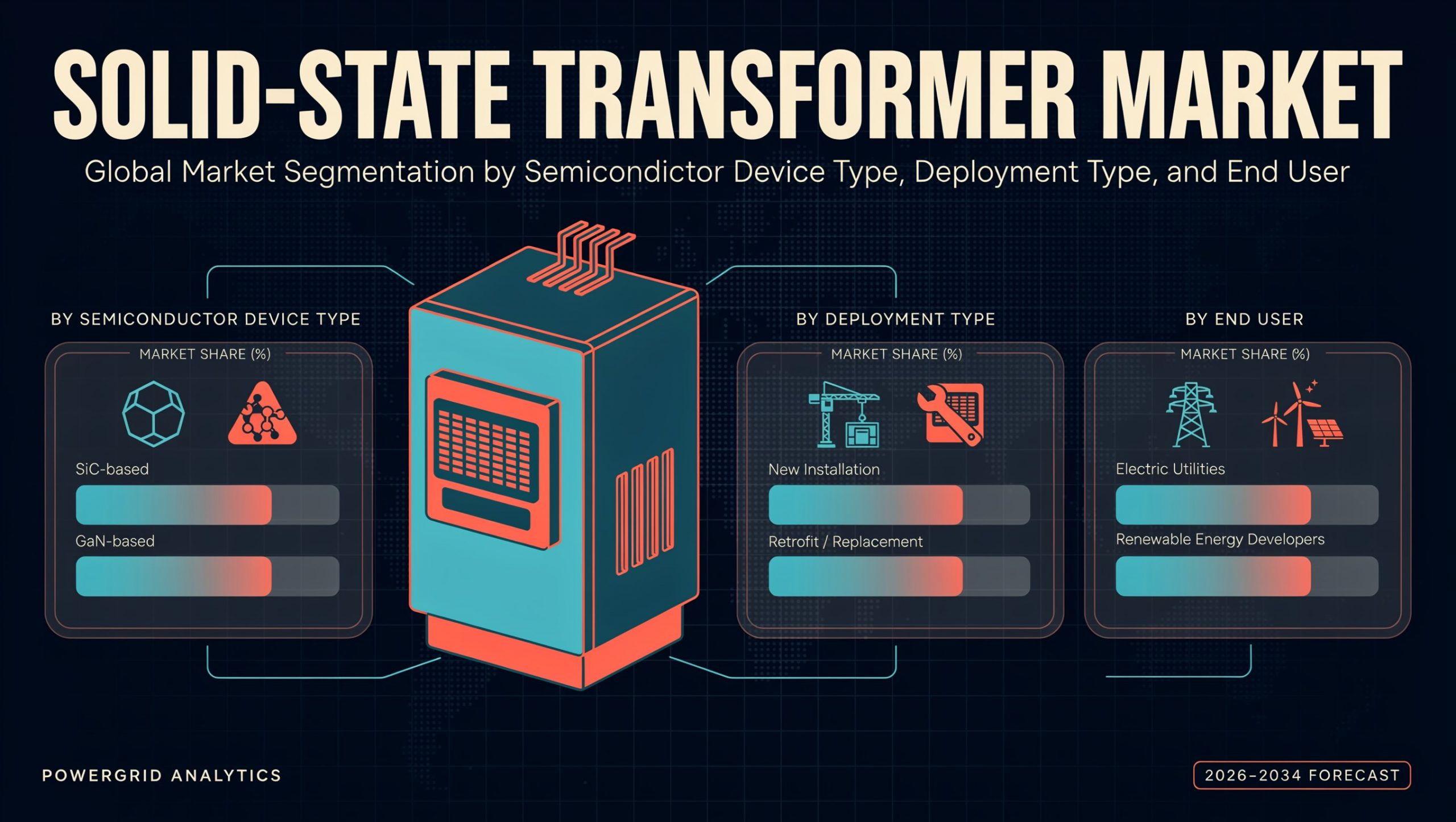
Digital monitoring is becoming a central feature of smart grid infrastructure. Sensors, communication networks, and intelligent controllers provide information about voltage, current, temperature, and equipment operating conditions. Solid-state transformers can incorporate digital control systems that use this information to regulate electrical performance and respond to changing operating requirements.
Artificial intelligence and machine learning technologies can further strengthen these capabilities. Advanced analytics can help identify abnormal operating conditions, optimize power conversion, and support predictive maintenance. By analyzing equipment performance data, operators may be able to identify potential failures before they cause major disruptions.
The integration of solid-state transformers with digital grid management platforms can also improve coordination between substations, distributed energy resources, and electricity consumers. These developments are especially relevant as utilities move toward automated distribution networks that require faster responses and greater operational visibility.
Electric Vehicle Charging and Energy Storage Support Adoption
The expansion of electric vehicle charging infrastructure is increasing pressure on electricity distribution networks. High-power charging stations require reliable voltage conversion and effective load management. Smart grid technologies can coordinate charging demand with available electricity supply, while solid-state transformers can support efficient power conversion and bidirectional energy transfer.
Vehicle-to-grid technology creates additional opportunities by enabling compatible electric vehicles to return electricity to the grid or support local energy requirements. Solid-state transformers can potentially facilitate these power exchanges when integrated with suitable charging systems and control platforms.
Battery energy storage systems are also becoming important components of smart grids. They help store excess renewable electricity, balance demand, and provide backup power. Solid-state transformers can support controlled charging and discharging operations while connecting storage systems with distribution networks. The combined deployment of smart controls, storage, and advanced transformers can improve grid flexibility and energy resilience.
View detailed Table of Content here – https://www.marketsandmarkets.com/Market-Reports/solid-state-transformer-market-774.html
Industry Developments and Technology Partnerships
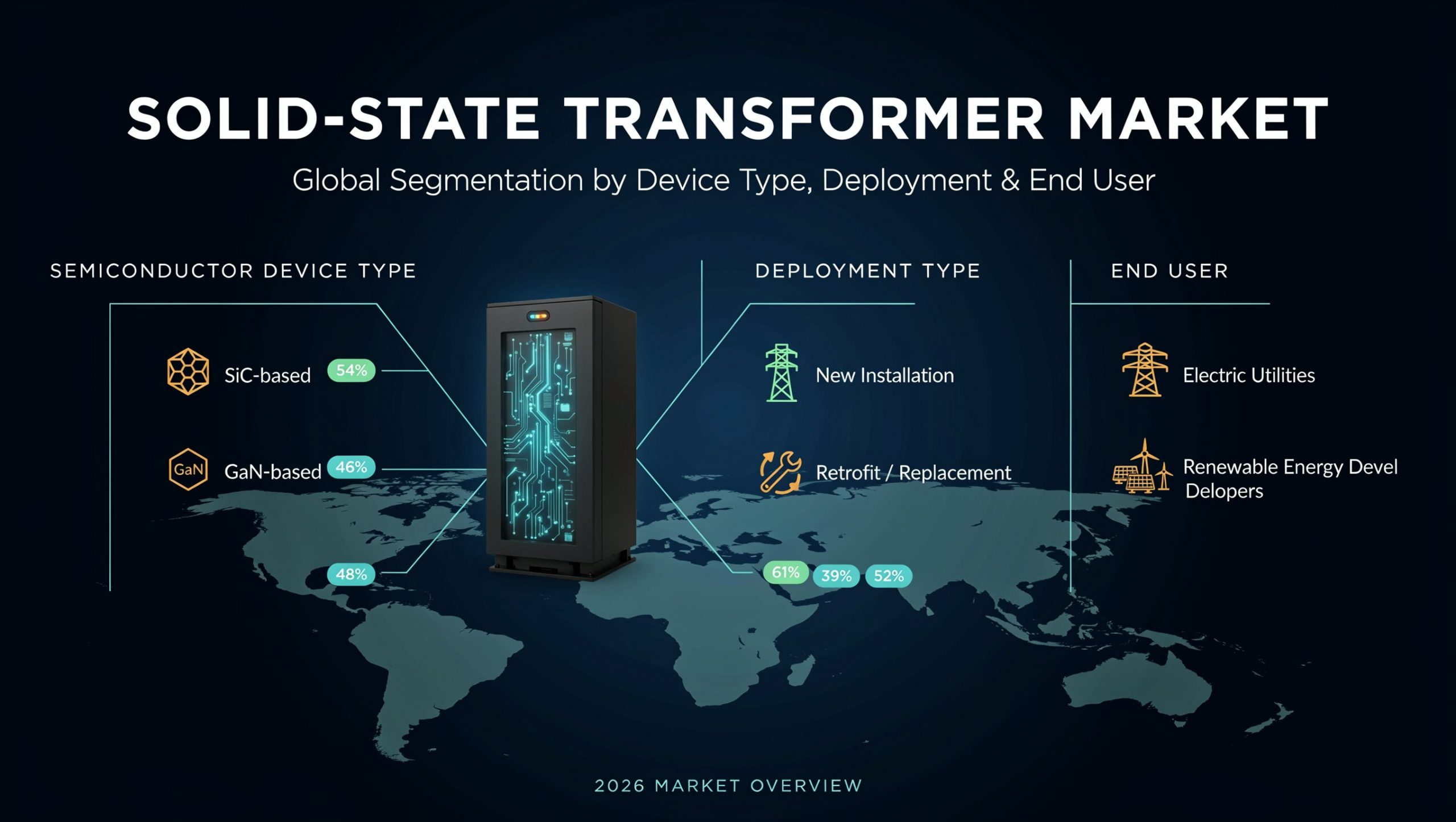
The development of smart grid-compatible solid-state transformers is encouraging collaboration among power equipment manufacturers, semiconductor suppliers, utilities, and research institutions. Industry participants are focusing on improving converter efficiency, semiconductor performance, thermal management, system reliability, and digital connectivity.
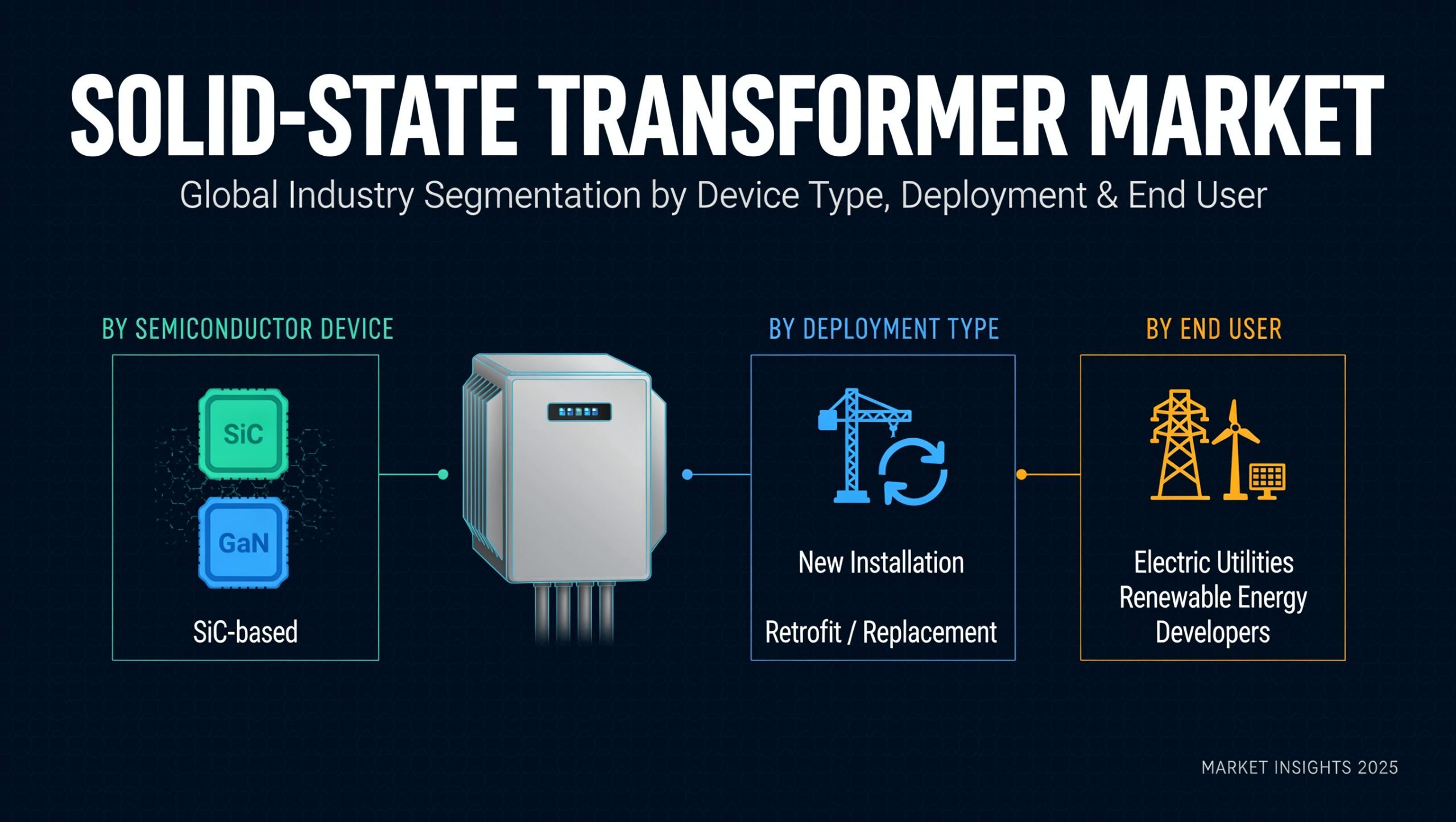
Wide-bandgap semiconductor technologies, particularly silicon carbide and gallium nitride, are attracting attention because of their potential to improve switching performance and power density. Modular converter architectures and advanced protection systems are also being developed to support different voltage requirements and operating conditions.
Companies such as ABB, Siemens, Hitachi Energy, Eaton, and GE Vernova participate in the broader grid modernization and power distribution ecosystem. Their capabilities in electrical infrastructure and power technologies are relevant to the development of smarter electricity networks, although participation in this ecosystem does not necessarily indicate leadership in commercial solid-state transformer deployments.
Future Outlook for Smart Grid-Driven Market Expansion
The Solid-State Transformer Industry is expected to benefit from the growing modernization of electricity infrastructure. Increasing renewable energy generation, electric vehicle adoption, distributed storage, industrial electrification, and digital grid management are creating demand for flexible power conversion solutions.
However, high initial costs, technical complexity, semiconductor requirements, thermal management, and compatibility with existing infrastructure remain challenges. Wider deployment will depend on improvements in cost competitiveness, reliability, interoperability, and industry standards.
Overall, smart grid technologies are creating favorable conditions for solid-state transformer market expansion. As electricity networks become more intelligent, decentralized, and interconnected, solid-state transformers could play an increasingly important role in supporting efficient power distribution, renewable energy integration, and next-generation grid management.