

The Solid-State Battery Market is entering a transformative phase as industries worldwide prioritize safer battery technologies for electric vehicles, consumer electronics, aerospace, healthcare, renewable energy storage, and industrial automation. Battery safety has become one of the most critical factors influencing product development, government regulations, and consumer purchasing decisions. Conventional lithium-ion batteries have enabled the rapid growth of electrification over the past two decades, but concerns regarding thermal runaway, electrolyte leakage, overheating, and fire hazards have accelerated the search for safer alternatives. Solid-state batteries, which replace flammable liquid electrolytes with stable solid electrolyte materials, are emerging as one of the most promising technologies capable of addressing these challenges while delivering higher performance and improved reliability. As research advances and manufacturing capabilities expand, the outlook for safer battery technologies continues to strengthen the long-term growth prospects of the Solid-State Battery market.
One of the most significant advantages of solid-state batteries is the elimination of flammable liquid electrolytes. Traditional lithium-ion batteries rely on liquid electrolytes that can ignite under conditions such as overcharging, mechanical damage, or excessive heat. These incidents, although relatively rare, have highlighted the importance of improving battery safety across multiple industries. Solid electrolytes substantially reduce the risk of leakage and combustion, making batteries inherently safer under normal operating conditions as well as during accidental impacts or extreme environmental exposure.
Thermal stability represents another defining feature of safer battery technologies. Solid-state batteries are capable of operating across a wider temperature range without experiencing the same level of chemical instability associated with liquid electrolyte systems. Improved thermal resistance reduces the likelihood of thermal runaway, a chain reaction in which excessive heat rapidly spreads between battery cells. This enhanced stability is especially valuable in electric vehicles, aerospace systems, industrial equipment, and stationary energy storage installations where battery safety is directly linked to operational reliability.
The electric vehicle industry remains one of the strongest drivers supporting safer battery technologies. As millions of electric vehicles are introduced globally, manufacturers face increasing pressure to improve battery safety while simultaneously extending driving range and reducing charging times. Solid-state batteries provide a combination of high energy density and improved safety, allowing automotive companies to design battery systems that deliver greater performance without increasing operational risks. Safer batteries also simplify thermal management systems, reducing engineering complexity while improving vehicle efficiency.
Download PDF Brochure @ https://www.marketsandmarkets.com/pdfdownloadNew.asp?id=164577856
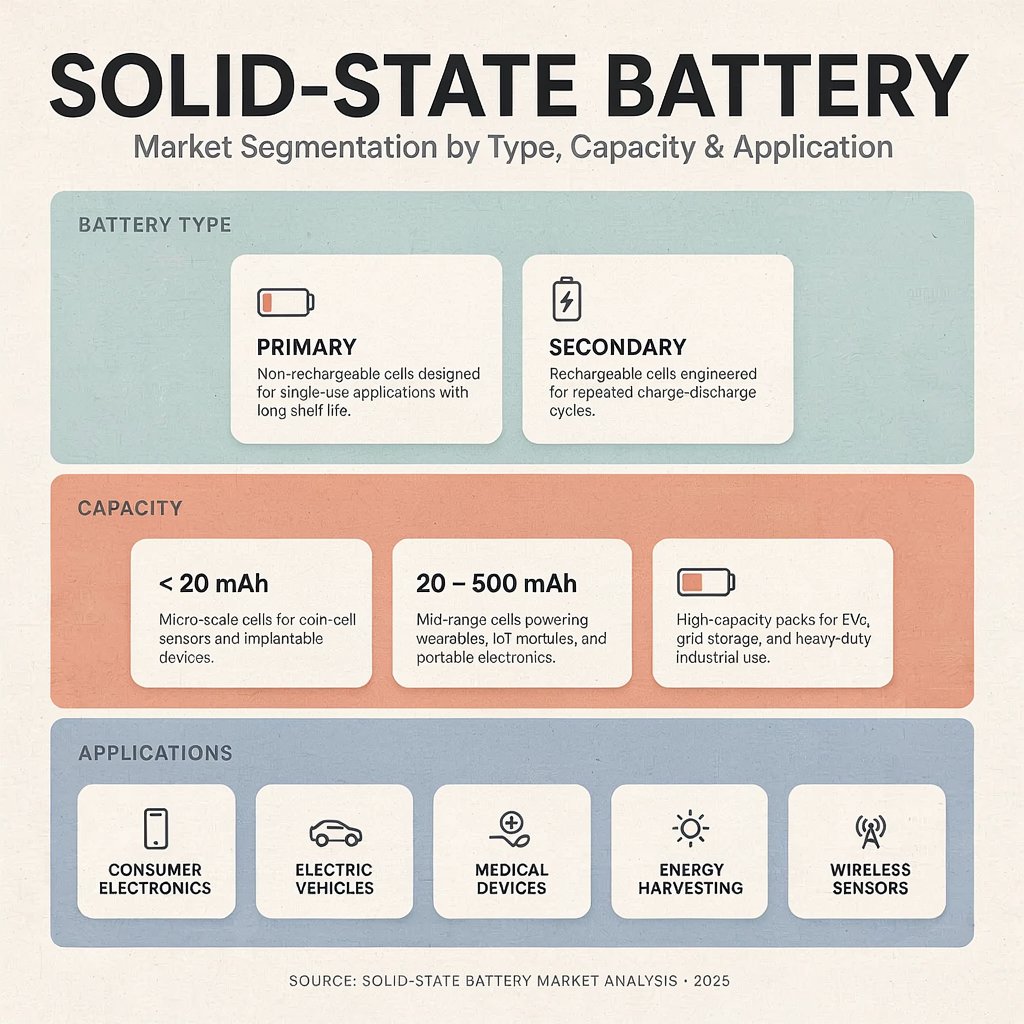
Consumer electronics continue creating strong demand for advanced battery safety. Smartphones, laptops, tablets, wearable devices, wireless headphones, and portable gaming systems are used continuously throughout daily life, making battery reliability a critical concern. Consumers increasingly expect compact devices that offer long battery life without concerns related to overheating or battery swelling. Solid-state batteries provide manufacturers with opportunities to improve product safety while maintaining lightweight, slim designs and supporting advanced computing capabilities.
Renewable energy storage is another application where safer battery technologies play an increasingly important role. Residential, commercial, and utility-scale battery storage systems operate continuously while storing large amounts of electrical energy. Battery safety becomes particularly important as installations increase in size and capacity. Solid-state batteries reduce fire risks associated with stationary storage while improving operational stability over extended service periods. Their longer cycle life also supports more sustainable and cost-effective renewable energy infrastructure.
Healthcare applications further highlight the importance of battery safety. Implantable medical devices, portable diagnostic equipment, wearable health monitors, infusion pumps, and emergency medical systems require highly reliable batteries capable of operating without failure. Solid-state batteries minimize leakage risks while providing stable electrical performance throughout extended operating periods. Enhanced safety is particularly valuable for implantable devices where long-term reliability directly affects patient well-being.
Aerospace and defense sectors also benefit significantly from safer battery technologies. Aircraft, satellites, unmanned aerial vehicles, military communication systems, and portable defense equipment often operate under extreme environmental conditions involving high temperatures, pressure variations, vibration, and mechanical stress. Solid-state batteries provide enhanced resistance to these demanding environments while reducing the possibility of battery-related failures. Their improved safety characteristics support mission-critical applications where equipment reliability is essential.
Inquiry Before Buying @ https://www.marketsandmarkets.com/Enquiry_Before_BuyingNew.asp?id=164577856
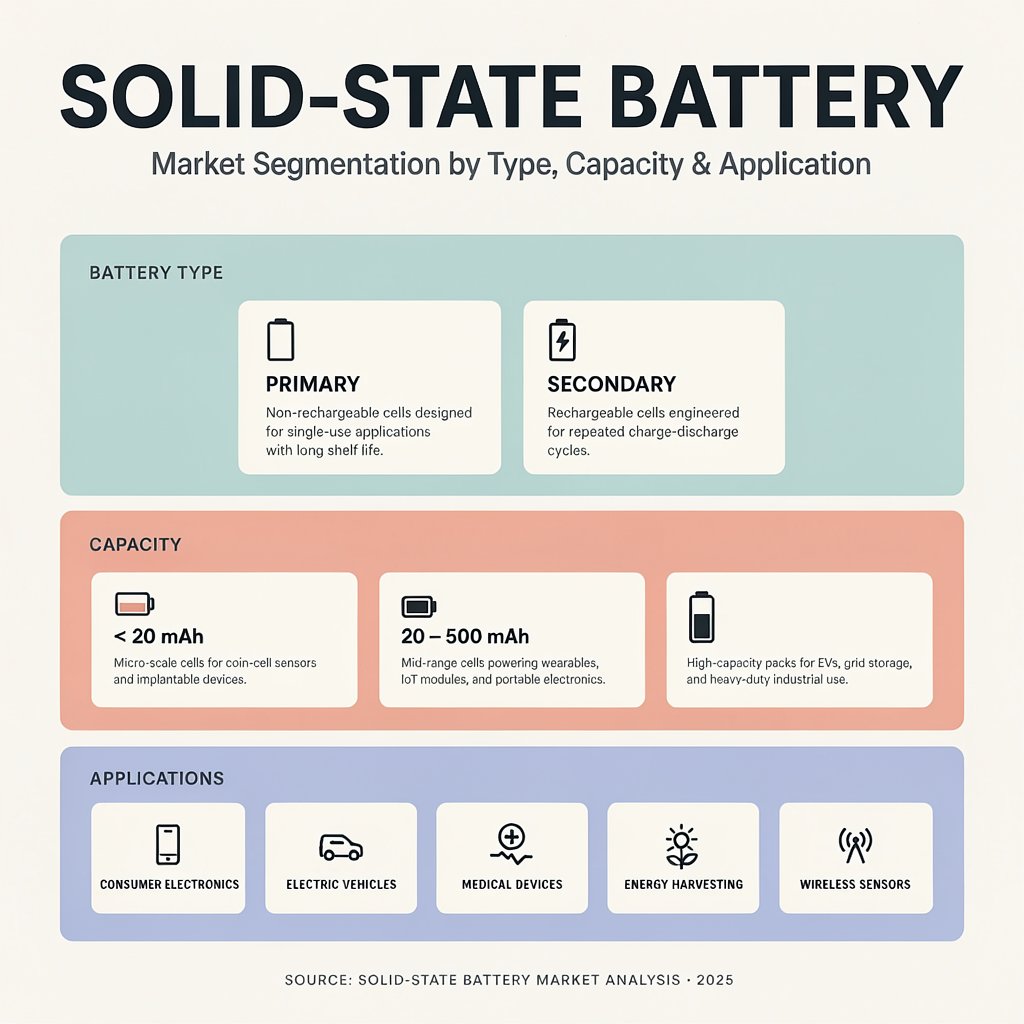
Material innovation continues strengthening the outlook for safer batteries. Researchers are developing advanced sulfide, oxide, polymer, and composite solid electrolytes that combine excellent ionic conductivity with exceptional chemical stability. These new materials improve battery performance while maintaining structural integrity under demanding charging and operating conditions. Ongoing advances in electrolyte chemistry are expected to further reduce safety risks while enabling higher energy density and faster charging.
Lithium metal anodes represent another major innovation enabled by safer solid electrolytes. Conventional lithium-ion batteries typically cannot fully utilize lithium metal because dendrite formation can create short circuits and safety concerns. Solid electrolytes act as physical barriers that suppress dendrite growth, allowing manufacturers to exploit the high energy density of lithium metal while maintaining battery stability. This advancement supports safer high-capacity batteries for electric vehicles and other demanding applications.
Artificial intelligence is becoming an increasingly valuable tool in battery safety management. AI-powered battery management systems continuously monitor voltage, current, temperature, internal resistance, and charging behavior in real time. Predictive analytics detect abnormal operating conditions before failures occur, allowing corrective actions that protect battery integrity. Intelligent battery monitoring further enhances the inherent safety advantages of solid-state batteries while maximizing operational efficiency and battery lifespan.
Advanced manufacturing technologies also contribute to improved safety. Precision automation, advanced material processing, digital quality control, and real-time production monitoring reduce manufacturing defects that could affect battery performance. Improved manufacturing consistency strengthens product reliability while supporting large-scale commercial production. As production processes mature, manufacturers are expected to achieve even higher safety standards across global battery supply chains.
View detailed Table of Content here – https://www.marketsandmarkets.com/Market-Reports/solid-state-battery-market-164577856.html
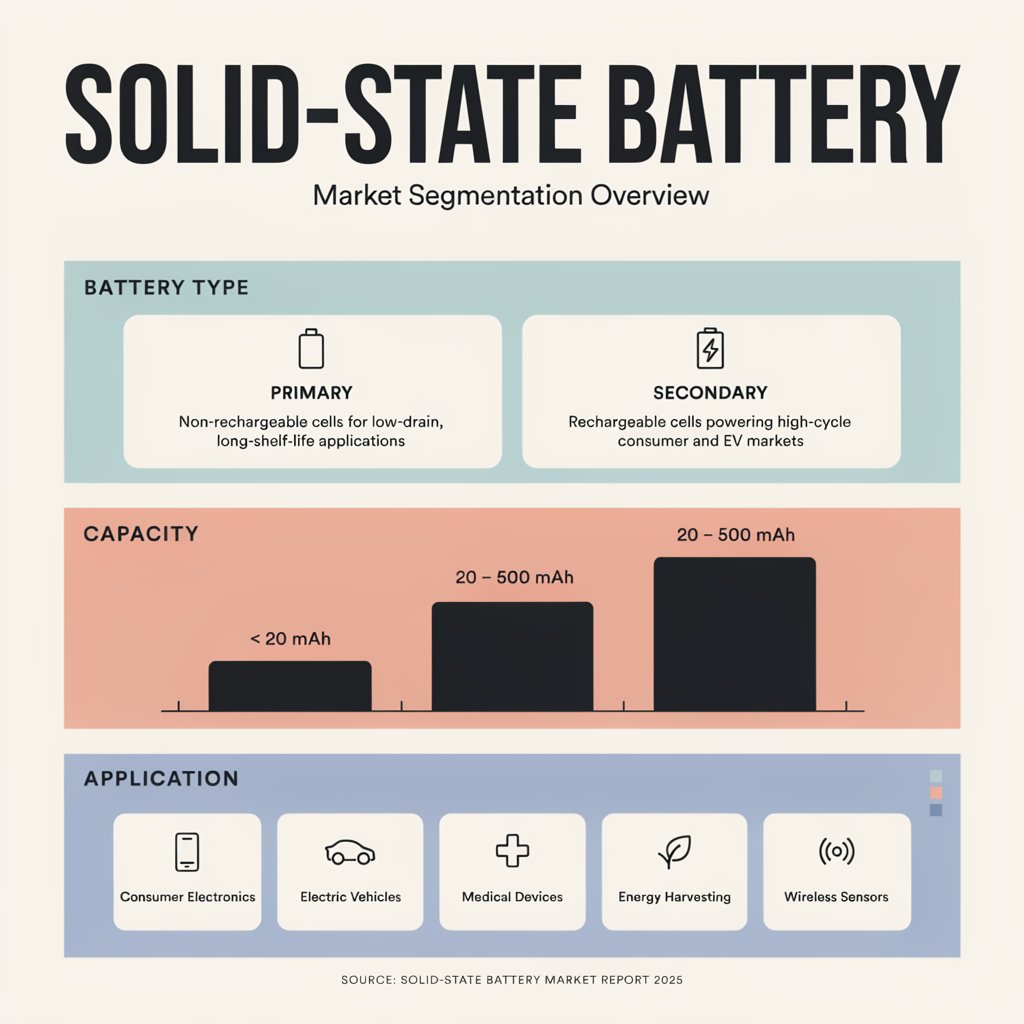
Government regulations are increasingly supporting safer battery technologies. Transportation safety agencies, environmental regulators, and energy authorities continue introducing stricter standards governing battery manufacturing, transportation, installation, and recycling. These regulations encourage battery manufacturers to invest in technologies that reduce fire hazards and improve overall operational reliability. Solid-state batteries naturally align with these evolving regulatory expectations because of their safer electrochemical design.
Growing public awareness of battery safety is also influencing purchasing behavior. Consumers increasingly consider product safety alongside performance, charging speed, and battery life when selecting electric vehicles and portable electronics. Manufacturers that successfully integrate safer battery technologies strengthen brand reputation while improving customer confidence in advanced electrified products.
Despite the promising outlook, several challenges remain before widespread commercialization becomes fully established. Manufacturing costs remain relatively high compared to conventional lithium-ion batteries, while large-scale production requires continued improvements in material processing and manufacturing efficiency. Researchers also continue optimizing electrolyte performance, interface stability, and charging behavior to maximize commercial readiness.
Looking toward the future, safer battery technologies will remain one of the strongest competitive advantages driving the Solid-State Battery market. Continued innovation in solid electrolytes, lithium metal anodes, artificial intelligence, battery management systems, and automated manufacturing will further improve battery reliability across electric vehicles, renewable energy storage, healthcare, aerospace, industrial automation, and consumer electronics. As commercialization accelerates and production costs decline, solid-state batteries are expected to establish a new benchmark for safety, enabling the next generation of high-performance energy storage systems that support the global transition toward cleaner, smarter, and more sustainable technologies.