
The global transition toward renewable energy, energy independence, and sustainable power generation is creating significant growth opportunities for the solar container industry. Increasing demand for reliable electricity in remote locations, expanding rural electrification initiatives, and rising investments in decentralized energy infrastructure are encouraging the adoption of containerized solar power systems. These developments are positioning the Solar Container Market as an emerging segment within the global renewable energy industry.
According to MarketsandMarkets, the global Solar Container Market is projected to grow from USD 0.29 billion in 2025 to USD 0.83 billion by 2030, registering a compound annual growth rate (CAGR) of 23.8% during the forecast period. Growing investments in off-grid renewable energy, advancements in battery storage, and increasing demand for portable electricity solutions are expected to accelerate market expansion.
Solar containers are modular energy generation systems that integrate solar photovoltaic (PV) panels, battery storage, inverters, and energy management systems within transportable container structures. These solutions provide flexible and scalable electricity generation for applications such as agriculture, construction, mining, military operations, disaster relief, and remote charging stations.
The Solar Container Market Opportunities extend beyond conventional solar power generation. Manufacturers are increasingly exploring smart energy management, hybrid power systems, battery integration, and electric vehicle (EV) charging applications to develop new revenue streams. As businesses and governments prioritize clean energy infrastructure, solar containers are expected to become an important solution for flexible and decentralized power generation.
Rising Demand for Portable Renewable Energy Creates New Revenue Opportunities
The increasing demand for portable and decentralized renewable energy solutions is one of the primary factors driving Solar Container Market Opportunities. Traditional electricity infrastructure often requires significant investment, particularly in remote locations where grid connectivity is limited or unavailable.
Solar containers provide an alternative by combining electricity generation, energy storage, and power management within a single modular structure. Their transportable design allows businesses and organizations to deploy renewable energy systems at different locations without depending entirely on conventional electricity networks.
Construction companies, mining operators, agricultural businesses, and defense organizations are increasingly exploring portable solar power solutions to reduce fuel consumption and improve energy reliability.
The ability to rapidly install and relocate solar containers creates commercial opportunities for manufacturers offering customized systems for temporary and permanent applications.
Furthermore, growing concerns regarding carbon emissions and dependence on diesel generators are encouraging organizations to adopt renewable energy alternatives. Solar containers can reduce operating expenses and support sustainability objectives by providing clean electricity for remote operations.
Download PDF Brochure @ https://www.marketsandmarkets.com/pdfdownloadNew.asp?id=234680839
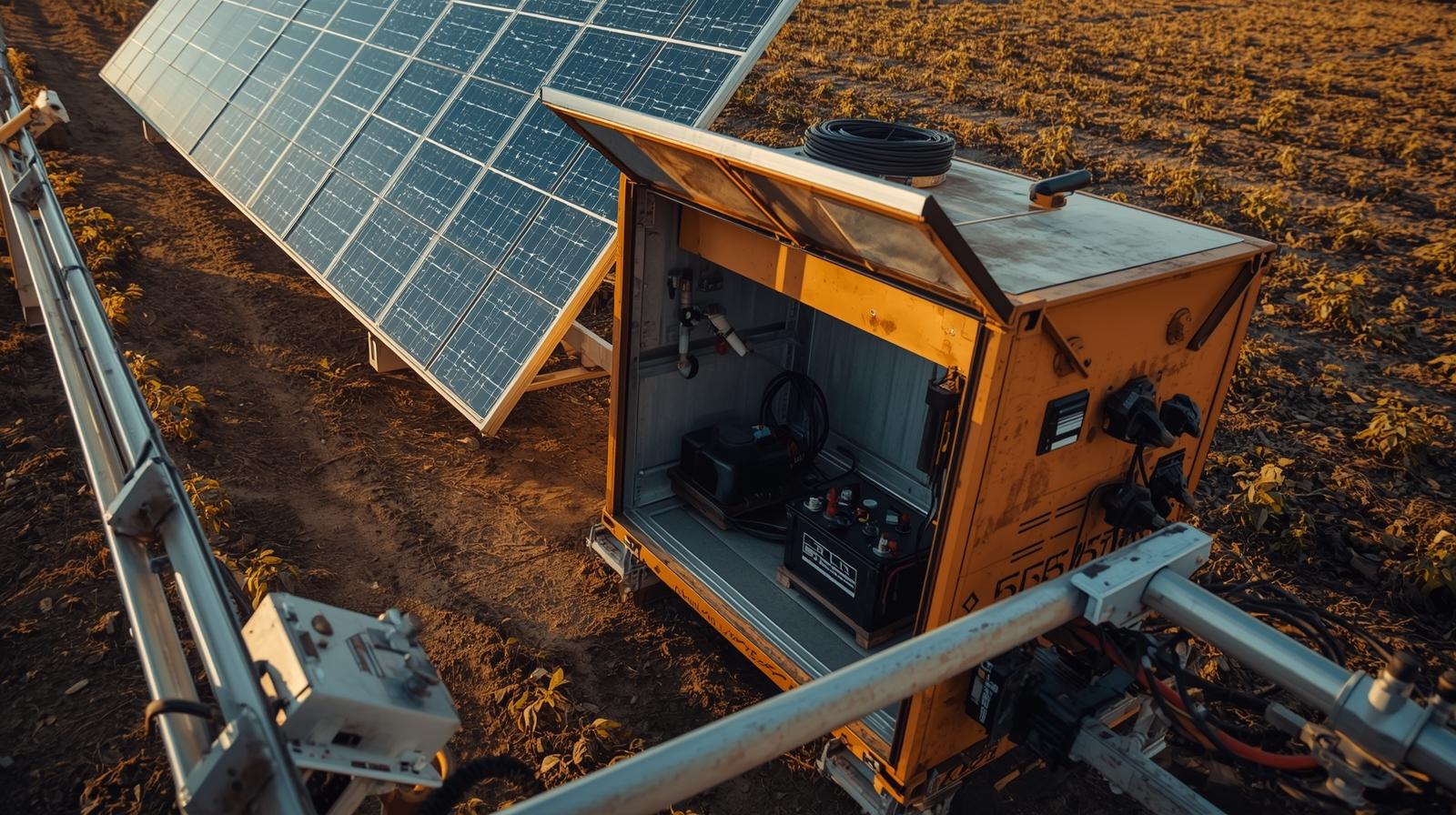
Off-Grid Energy Solutions Accelerate Market Growth
Off-grid power generation represents a significant opportunity for the Solar Container Market, particularly in regions with limited electricity infrastructure.
Remote communities, mining locations, agricultural facilities, and emergency response operations often require independent electricity sources. Extending conventional power grids to these locations can involve substantial infrastructure investments and lengthy installation periods.
Solar containers address these challenges by providing self-contained renewable energy systems that can operate independently of traditional electricity networks.
Off-grid applications include rural electrification, remote industrial operations, telecommunications infrastructure, military installations, and disaster relief facilities.
The growing requirement for reliable electricity in underserved regions is encouraging governments, energy companies, and humanitarian organizations to invest in modular solar solutions.
For manufacturers, this creates opportunities to develop systems with integrated battery storage, hybrid inverters, remote monitoring, and flexible power capacities.
The expansion of decentralized energy infrastructure is expected to create additional demand for portable solar containers across emerging and developing economies.
Smart Energy Management Systems Unlock Technology Opportunities
The integration of artificial intelligence (AI), the Internet of Things (IoT), and advanced energy management technologies is creating new growth opportunities in the Solar Container Market.
Modern solar containers are evolving beyond basic photovoltaic electricity generation systems. Manufacturers are increasingly integrating intelligent monitoring platforms that optimize power generation, battery charging, energy distribution, and consumption.
Smart energy management systems use real-time operational data to monitor solar panel performance, evaluate battery conditions, and manage electricity demand. These capabilities can improve energy utilization, reduce operational expenses, and enhance system reliability.
AI-powered monitoring can also support predictive maintenance by identifying potential performance issues before they result in equipment failures.
IoT-enabled connectivity allows operators to monitor solar container performance remotely, making these solutions particularly valuable for mining sites, agricultural operations, military facilities, and remote infrastructure.
For technology providers, the integration of intelligent energy management creates revenue opportunities across monitoring software, automation platforms, energy optimization solutions, and connected hardware.
Companies that combine renewable energy equipment with digital technologies can differentiate their offerings and develop additional recurring service opportunities.
Battery Storage Advancements Strengthen Market Potential
Battery technology plays a critical role in determining the performance and reliability of solar container systems. Since solar electricity generation depends on sunlight availability, energy storage is essential for maintaining power supply during nighttime hours and periods of low solar generation.
According to MarketsandMarkets, the battery component segment is projected to register the highest CAGR of 26.9% during the forecast period.
Increasing demand for uninterrupted renewable electricity is encouraging manufacturers to integrate advanced battery storage technologies into containerized solar systems.
Battery storage enables solar containers to store excess electricity generated during peak sunlight hours and distribute it when required. This capability improves energy independence and reduces dependence on diesel generators and conventional grid electricity.
Advancements in lithium-ion battery technology, battery management systems, and energy storage integration are further supporting market development.
Battery manufacturers and energy storage technology providers can benefit from increasing demand for higher-capacity, durable, and efficient storage solutions.
The growing adoption of hybrid solar-storage systems is also creating opportunities for companies offering integrated power generation and energy management platforms.
Portable Solar Containers Drive Demand Across Industrial Applications
Portable solar containers accounted for 61.5% of the market in terms of value in 2024, according to MarketsandMarkets. Their mobility, rapid deployment capabilities, and flexibility make them suitable for multiple commercial and industrial applications.
Portable systems are particularly useful in construction projects, mining operations, military installations, and disaster relief activities where electricity requirements can change according to operational conditions.
Construction companies can use solar containers to supply electricity to temporary facilities, equipment, and remote project locations. Mining operators can deploy these systems to reduce fuel transportation costs and improve energy availability.
Military organizations can benefit from mobile renewable energy systems that support field operations and temporary installations.
The increasing demand for flexible power infrastructure is creating opportunities for manufacturers to develop compact, durable, and scalable portable solar containers.
Companies offering customized container configurations, integrated battery storage, and rapid deployment capabilities are positioned to benefit from growing industrial demand.
Electric Vehicle Charging Creates Emerging Business Opportunities
The expansion of electric mobility is creating new opportunities for solar container manufacturers.
The increasing adoption of electric vehicles is generating demand for charging infrastructure across urban, commercial, industrial, and remote locations. However, installing conventional charging stations in areas with limited grid capacity can be expensive and technically challenging.
Solar containers equipped with photovoltaic panels, battery storage, and charging infrastructure offer an alternative for providing renewable electricity to EV charging stations.
These systems can support temporary charging installations, remote highways, fleet operations, construction sites, and commercial facilities.
The combination of solar generation and battery storage also provides greater flexibility in managing charging demand and reducing dependence on conventional electricity sources.
For manufacturers, the EV ecosystem presents opportunities to expand beyond traditional portable power applications and develop specialized containerized charging solutions.
Partnerships with EV charging infrastructure providers, battery manufacturers, and renewable energy companies could further accelerate commercialization.
On-Grid Solar Containers Expand Commercial Applications
On-grid solar containers are gaining attention as businesses and energy companies explore flexible renewable energy generation and integration with existing electricity infrastructure.
According to MarketsandMarkets, the on-grid installation segment is projected to grow at a CAGR of 28.5% during the forecast period.
On-grid systems can connect to conventional electricity networks, allowing solar-generated power to supplement existing energy supplies. This approach provides opportunities for commercial facilities, industrial operators, and energy companies seeking to improve renewable energy utilization.
Grid-connected solar containers can also support distributed energy generation and modular power deployment.
The growing interest in smart grids, decentralized electricity generation, and energy storage integration is expected to strengthen demand for connected solar container systems.
For industry participants, on-grid applications offer opportunities to develop advanced inverters, grid synchronization technologies, monitoring platforms, and integrated energy management solutions.
Agriculture and Irrigation Create Significant Market Opportunities
Agriculture and irrigation represent important application areas for the Solar Container Market. Agricultural operations require reliable electricity for water pumping, irrigation systems, cold storage, processing equipment, and other farm activities.
In rural areas, limited grid connectivity and fluctuating electricity availability can increase operating expenses and affect agricultural productivity.
Solar containers provide an alternative electricity source that can support irrigation infrastructure and other agricultural operations.
According to MarketsandMarkets, agriculture and irrigation are expected to account for the largest application market size in 2030.
The increasing adoption of sustainable farming practices and solar-powered irrigation technologies is creating opportunities for manufacturers to develop application-specific solar container systems.
These solutions can be customized with battery storage, water pumping equipment, monitoring systems, and energy management technologies.
Companies targeting agricultural customers can benefit from government-supported renewable energy initiatives, rural electrification programs, and increasing investments in smart agriculture.
Asia Pacific Emerges as a Major Growth Engine
Regional investments in renewable energy infrastructure are creating additional Solar Container Market Opportunities across global markets.
Asia Pacific is estimated to account for 41.3% of the global Solar Container Market in 2025, according to MarketsandMarkets. The region is also expected to register the highest CAGR during the forecast period.
Increasing renewable energy investments, rural electrification initiatives, and government incentives are supporting market expansion across countries such as India, China, and Indonesia.
The region’s growing industrial infrastructure and demand for decentralized electricity are creating opportunities for portable and off-grid solar power systems.
North America represents another important market, supported by investments in renewable energy, remote industrial operations, and disaster resilience infrastructure.
Europe is also witnessing opportunities through sustainability initiatives, clean energy investments, and the growing adoption of modular renewable power solutions.
For manufacturers, expanding regional distribution networks, establishing local partnerships, and developing cost-effective products will be important strategies for capturing emerging demand.
Competitive Landscape and Strategic Industry Positioning
The Solar Container Market is characterized by product innovation, modular system development, energy storage integration, and strategic partnerships.
Leading companies are focusing on improving solar panel efficiency, enhancing battery performance, developing intelligent monitoring systems, and expanding their product portfolios to address different power requirements.
Key companies operating in the market include:
- Yangzhou CIMC New Energy Equipment Co., Ltd.
- Ecosun Innovations
- Faber Infrastructure GmbH
- BoxPower Inc.
- Hacon Containers
These companies are developing containerized solar and hybrid energy solutions for applications across construction, mining, defense, agriculture, and emergency power generation.
Other industry participants and technology providers, including Statcon Powtech, are contributing to the development of modular renewable energy and power electronics solutions.
Competitive differentiation is increasingly influenced by system portability, installation time, battery capacity, energy management capabilities, and customization.
Companies investing in integrated solar-storage solutions and AI-powered monitoring platforms can strengthen their competitive positions and capture new business opportunities.
Challenges Influencing Market Expansion
Despite strong growth potential, the Solar Container Market faces several challenges that could affect adoption.
High initial investment costs remain a major restraint. Solar containers integrate photovoltaic panels, batteries, inverters, control systems, and durable container structures, increasing upfront expenditure.
Installation, transportation, logistics, and site preparation expenses can further increase the total cost of ownership, particularly for small businesses and rural communities.
Battery limitations also present challenges. Variations in sunlight availability, battery degradation, charging speed, and storage capacity can affect the reliability of solar power systems.
Additionally, operating solar containers in extreme environmental conditions requires durable equipment and regular maintenance.
Manufacturers must address these challenges through cost optimization, improved battery technologies, efficient system designs, and advanced monitoring solutions.
Future Outlook: Unlocking Long-Term Revenue Potential
The future of the Solar Container Market will be shaped by the growing adoption of renewable energy, advancements in battery storage, smart energy management, and increasing demand for decentralized electricity generation.
The projected growth from USD 0.29 billion in 2025 to USD 0.83 billion by 2030 highlights the significant commercial potential of containerized solar power solutions.
The most promising Solar Container Market Opportunities are emerging across portable renewable energy systems, battery storage integration, smart monitoring technologies, EV charging infrastructure, agriculture, and remote industrial applications.
For manufacturers and investors, developing scalable, cost-effective, and intelligent solar container solutions will be essential for capturing future demand.
Strategic partnerships with energy companies, battery suppliers, system integrators, and government organizations can further accelerate market penetration.
Overall, the Solar Container Market is evolving into an important part of decentralized renewable energy infrastructure. As businesses and governments prioritize energy independence and sustainability, portable solar power solutions are expected to create new revenue opportunities across industrial, commercial, agricultural, and remote power applications.
Frequently Asked Questions (FAQs)
1. What is the projected size of the Solar Container Market by 2030?
The global Solar Container Market is projected to reach USD 0.83 billion by 2030, growing from USD 0.29 billion in 2025 at a CAGR of 23.8%.
2. What are the major growth drivers of the Solar Container Market?
Major growth drivers include increasing demand for renewable energy, rising adoption of off-grid power solutions, advancements in battery storage, government sustainability initiatives, and growing demand for portable electricity.
3. Which component segment is expected to grow fastest in the Solar Container Market?
The battery segment is projected to register the highest CAGR of 26.9% during the forecast period, driven by increasing demand for integrated energy storage and reliable renewable power solutions.
4. Which region dominates the Solar Container Market?
Asia Pacific is estimated to account for 41.3% of the global market in 2025 and is expected to register the highest CAGR during the forecast period.
5. Who are the key players in the Solar Container Market?
Major companies include Yangzhou CIMC New Energy Equipment Co., Ltd., Ecosun Innovations, Faber Infrastructure GmbH, BoxPower Inc., and Hacon Containers.