
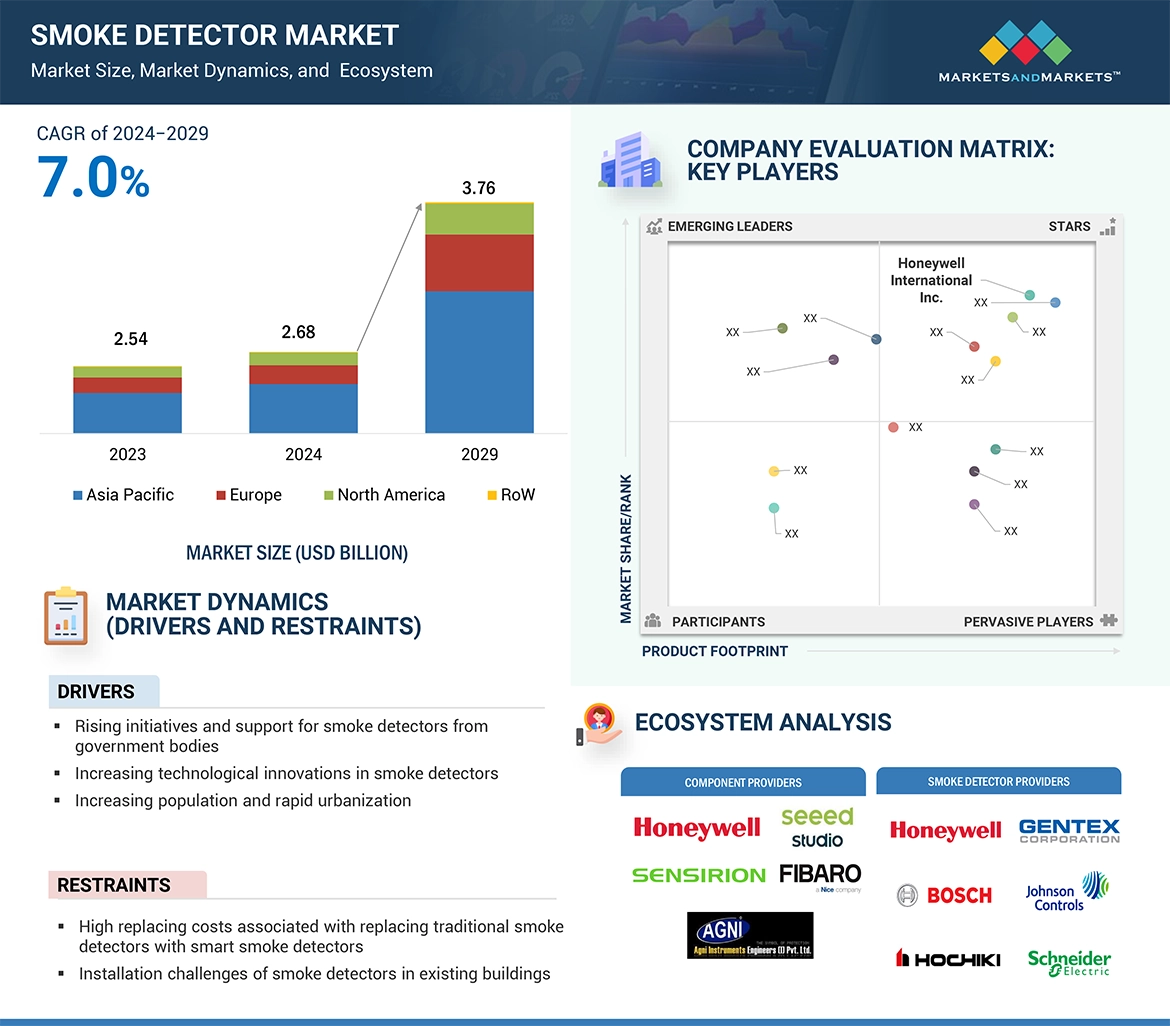
The Smoke Detector Market is experiencing steady growth as governments, regulatory authorities, industry organizations, and construction agencies continue strengthening fire safety standards across residential, commercial, industrial, healthcare, and public infrastructure. Standardization and regulatory compliance have become central pillars of the global fire protection industry, ensuring that smoke detection systems provide reliable performance, consistent quality, and effective life safety protection. As urbanization accelerates and buildings become increasingly complex, regulatory frameworks are evolving to address emerging fire risks associated with modern construction materials, smart buildings, renewable energy infrastructure, data centers, electric vehicle charging facilities, and industrial automation. These developments are encouraging widespread adoption of advanced smoke detection technologies while shaping the future direction of the global market.
One of the primary factors driving market expansion is the continuous evolution of national and international fire safety standards. Regulatory bodies worldwide regularly update building codes and fire protection guidelines to improve occupant safety and reduce fire-related fatalities. These standards establish performance requirements for smoke detector sensitivity, response time, durability, testing procedures, installation methods, maintenance schedules, and system integration. Compliance with these evolving regulations has become essential for manufacturers seeking to compete in global markets while ensuring consistent product reliability.
Building codes have become increasingly comprehensive in recent years. New residential developments, commercial office buildings, hospitals, educational institutions, hotels, airports, shopping centers, industrial facilities, and mixed-use complexes are now required to incorporate certified smoke detection systems as part of integrated fire protection strategies. Regulatory agencies increasingly mandate interconnected smoke detectors capable of providing building-wide alerts, supporting faster evacuation and more coordinated emergency response.
Download PDF Brochure @ https://www.marketsandmarkets.com/pdfdownloadNew.asp?id=162940771
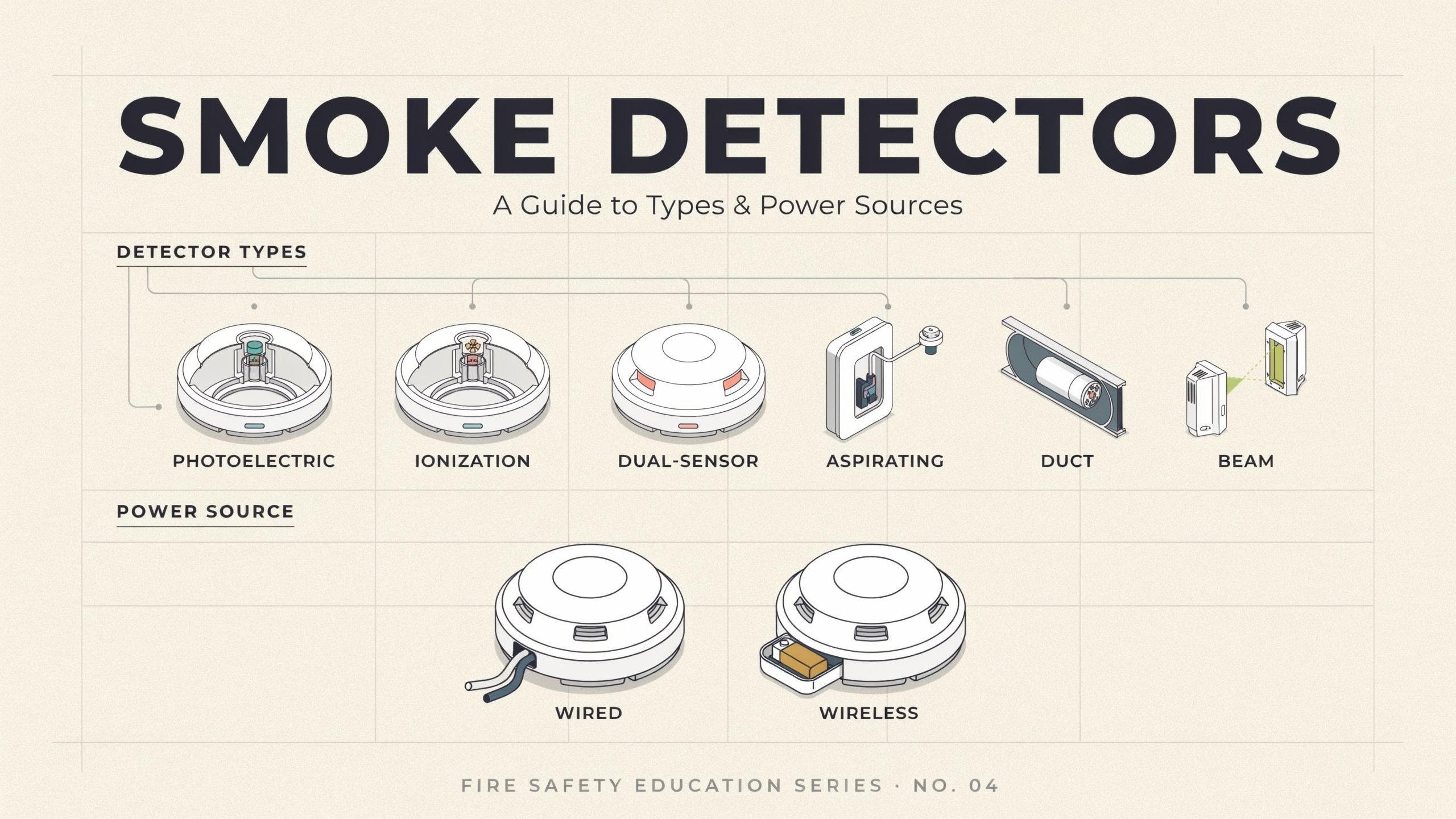
Performance certification plays a crucial role in market competitiveness. Manufacturers invest extensively in product testing, laboratory validation, quality assurance, and certification programs to demonstrate compliance with regional and international safety standards. Certification not only verifies detector performance under controlled testing conditions but also strengthens customer confidence by ensuring consistent reliability across different operating environments. Organizations purchasing smoke detection systems increasingly prioritize certified products that meet recognized regulatory requirements.
Standardization is also encouraging greater interoperability between smoke detectors and other building safety technologies. Modern regulations increasingly promote integration between fire detection systems, fire alarms, emergency lighting, heating, ventilation, air conditioning systems, access control, surveillance equipment, elevators, and building management platforms. Standardized communication protocols simplify system integration while enabling coordinated emergency responses that improve overall building safety.
The rise of smart buildings is influencing regulatory development. Intelligent buildings utilize connected smoke detectors integrated into centralized monitoring platforms capable of communicating continuously with other building systems. Regulatory authorities increasingly recognize the value of these advanced capabilities and are adapting standards to address wireless communication, cloud connectivity, cybersecurity, remote monitoring, and intelligent fire management. These updated frameworks support innovation while maintaining strict safety requirements.
Healthcare facilities remain subject to particularly rigorous regulatory oversight. Hospitals, clinics, laboratories, pharmaceutical facilities, and long-term care institutions require highly reliable smoke detection systems capable of protecting vulnerable occupants while minimizing disruptions to critical healthcare services. Regulatory standards often require redundant monitoring, continuous operational testing, intelligent alarm management, and integration with hospital emergency response systems. Compliance ensures uninterrupted protection within highly sensitive medical environments.
Inquiry Before Buying @ https://www.marketsandmarkets.com/Enquiry_Before_BuyingNew.asp?id=162940771
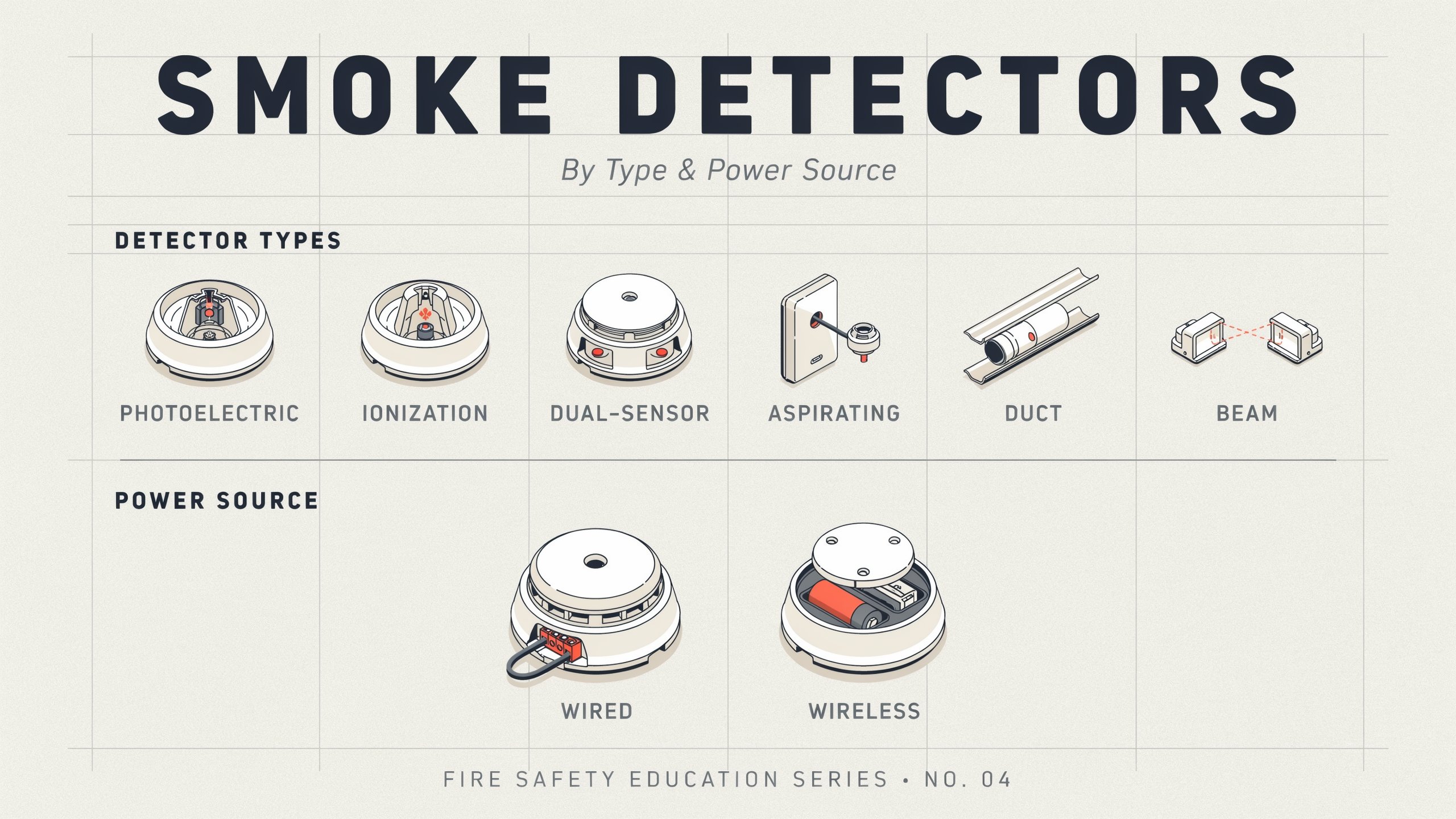
Industrial sectors also operate under specialized fire safety regulations. Manufacturing plants, chemical processing facilities, oil and gas operations, mining sites, power generation plants, and logistics centers often contain hazardous materials requiring advanced smoke detection technologies designed for demanding environments. Industry-specific standards address explosion risks, corrosive conditions, extreme temperatures, dust exposure, and hazardous atmospheres, encouraging manufacturers to develop highly specialized fire detection solutions.
Wireless smoke detection systems are becoming increasingly recognized within regulatory frameworks. Initially, many fire safety standards focused primarily on hardwired installations. Advances in wireless communication reliability, battery technology, and encrypted networking have encouraged regulators to establish performance standards specifically addressing wireless smoke detectors. These developments support broader adoption while maintaining strict operational reliability requirements.
Cybersecurity is emerging as a new area of regulatory focus. Connected smoke detectors increasingly operate within digital building management networks that require protection against cyber threats. Regulatory agencies and industry organizations are beginning to establish cybersecurity guidelines addressing encrypted communication, secure authentication, firmware integrity, software updates, and network monitoring. These standards help ensure connected fire safety systems remain secure while maintaining uninterrupted emergency operation.
Environmental sustainability is also influencing product standardization. Governments increasingly encourage environmentally responsible product development by promoting energy-efficient electronics, longer battery life, recyclable materials, reduced hazardous substances, and sustainable manufacturing practices. Compliance with environmental regulations supports broader sustainability objectives while reducing lifecycle costs associated with smoke detection systems.
Testing and maintenance requirements continue evolving to improve long-term system reliability. Regulatory frameworks increasingly specify periodic inspection procedures, functional testing intervals, battery replacement schedules, calibration requirements, and maintenance documentation. Intelligent smoke detectors equipped with predictive maintenance capabilities help organizations maintain continuous compliance while reducing maintenance costs through condition-based servicing rather than fixed inspection intervals.
View detailed Table of Content here – https://www.marketsandmarkets.com/Market-Reports/smoke-detector-market-162940771.html
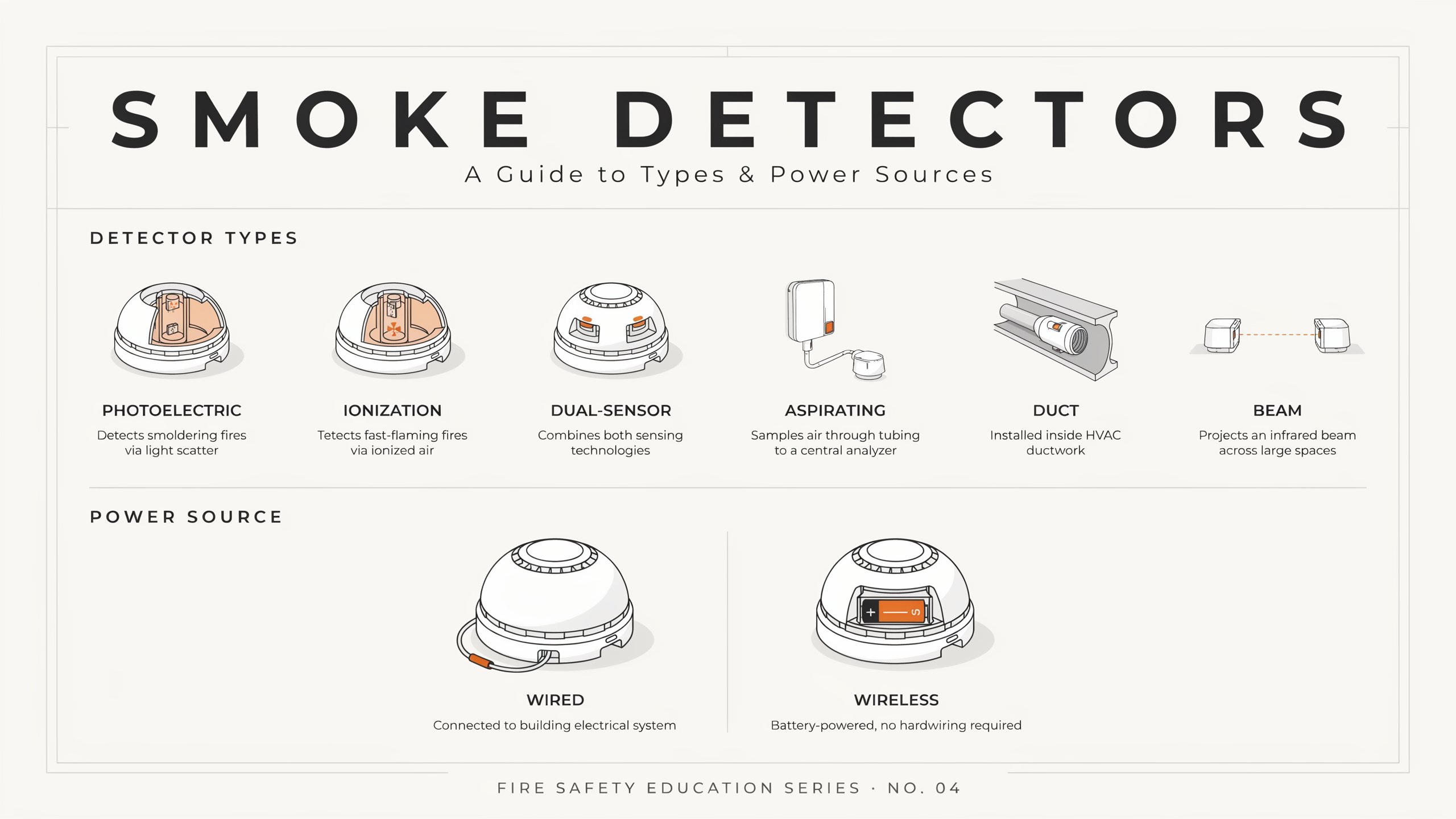
Global harmonization of fire safety standards is becoming increasingly important for manufacturers operating across international markets. Although regional regulations still differ, many countries are working toward greater alignment with internationally recognized testing procedures and performance criteria. Greater harmonization simplifies product development, accelerates certification processes, and expands international market opportunities for manufacturers.
Public awareness campaigns further reinforce regulatory compliance. Governments, fire departments, insurance providers, and safety organizations actively educate property owners regarding smoke detector installation, maintenance, battery replacement, and fire preparedness. Increased public awareness encourages voluntary adoption beyond minimum regulatory requirements while supporting stronger overall fire protection.
Manufacturers are responding strategically by investing heavily in compliance-focused research and development. Product innovation increasingly addresses not only current regulatory requirements but also anticipated future standards involving artificial intelligence, cloud connectivity, predictive diagnostics, wireless communication, cybersecurity, and smart city integration. Companies capable of rapidly adapting to changing regulations maintain stronger competitive positions within evolving global markets.
Looking ahead, standardization and regulatory compliance will continue shaping the future of the Smoke Detector Market. Ongoing revisions to building codes, fire safety standards, cybersecurity requirements, environmental regulations, and intelligent building frameworks will encourage continued adoption of advanced smoke detection technologies. As governments and industry organizations prioritize safer, smarter, and more resilient infrastructure, regulatory evolution will remain a powerful driver supporting innovation, product quality, and sustained global market growth.