
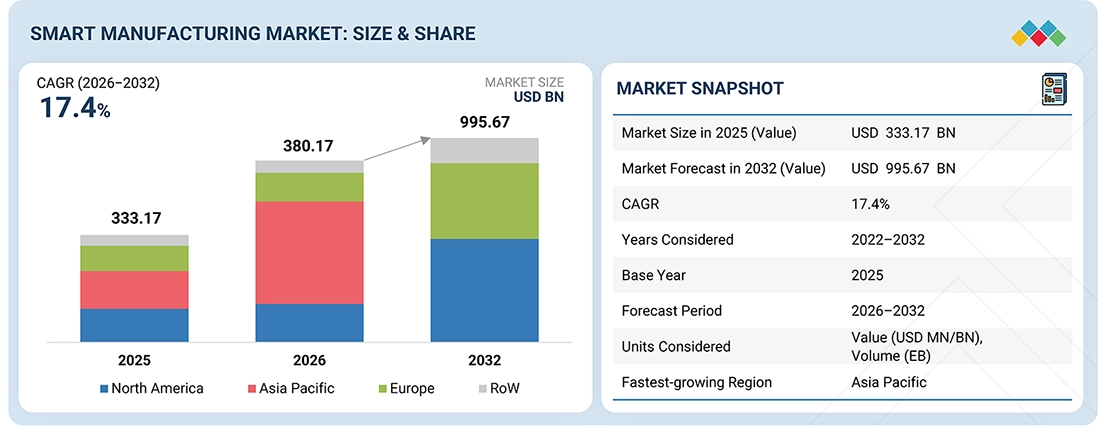
Introduction to Production Optimization in Smart Manufacturing
The Smart Manufacturing Market is witnessing increasing demand as industrial organizations seek advanced technologies to optimize production processes, improve operational efficiency, and strengthen manufacturing competitiveness. Production optimization has become a priority for manufacturers facing rising operating costs, changing customer requirements, supply chain challenges, and pressure to deliver high-quality products within shorter production cycles.
Smart manufacturing integrates digital technologies, automation, industrial connectivity, and data analytics to improve the coordination of manufacturing activities. These solutions enable manufacturers to monitor production performance, identify inefficiencies, and make informed decisions based on operational data. As industries move toward more connected and intelligent manufacturing environments, production optimization is becoming an important factor supporting smart manufacturing market demand.
Download PDF Brochure @ https://www.marketsandmarkets.com/pdfdownloadNew.asp?id=105448439
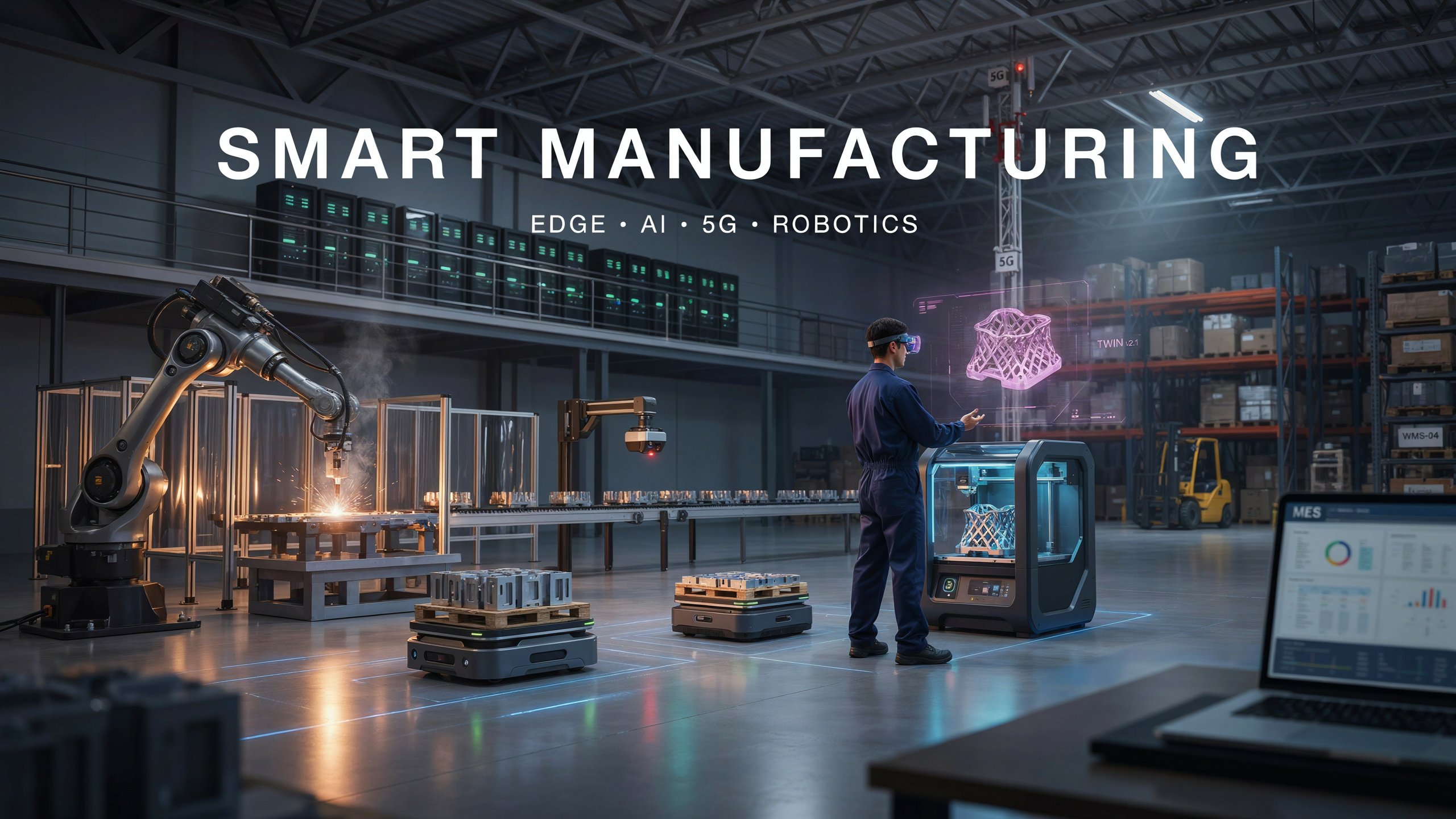
Real-Time Data Enables Efficient Production Planning
Real-time data collection is a key component of production optimization. Smart manufacturing systems use connected sensors, industrial devices, and production monitoring platforms to collect information from machinery, assembly lines, and manufacturing processes. This information provides visibility into equipment utilization, production output, cycle times, material consumption, and process performance.
Manufacturers can use these insights to identify bottlenecks, reduce idle time, and improve the coordination of production activities. For example, real-time monitoring may reveal that a particular machine is limiting the output of an entire production line. Production managers can then evaluate equipment scheduling, process adjustments, or maintenance requirements to improve overall workflow.
The ability to make timely decisions based on operational data is encouraging manufacturers to invest in industrial connectivity and monitoring solutions. These technologies can help organizations respond more effectively to changing production conditions and maintain consistent operational performance.
Industrial Automation Improves Manufacturing Productivity
Industrial automation is playing an important role in production optimization across manufacturing sectors. Automated machinery, robotics, programmable logic controllers, and advanced control systems help manufacturers perform repetitive and complex tasks with greater consistency.
Automation can improve coordination between different stages of production, including material handling, assembly, inspection, and packaging. When integrated with smart manufacturing platforms, automated systems can exchange information and respond to changes in production requirements. This supports more efficient workflows and helps reduce manual intervention in selected processes.
Robotics is also creating opportunities for manufacturers to optimize production layouts and improve operational flexibility. Collaborative robots and automated handling systems can support tasks such as component placement, material movement, and product assembly. These applications can help manufacturers manage changing production volumes while maintaining process consistency.
Inquiry Before Buying @ https://www.marketsandmarkets.com/Enquiry_Before_BuyingNew.asp?id=105448439
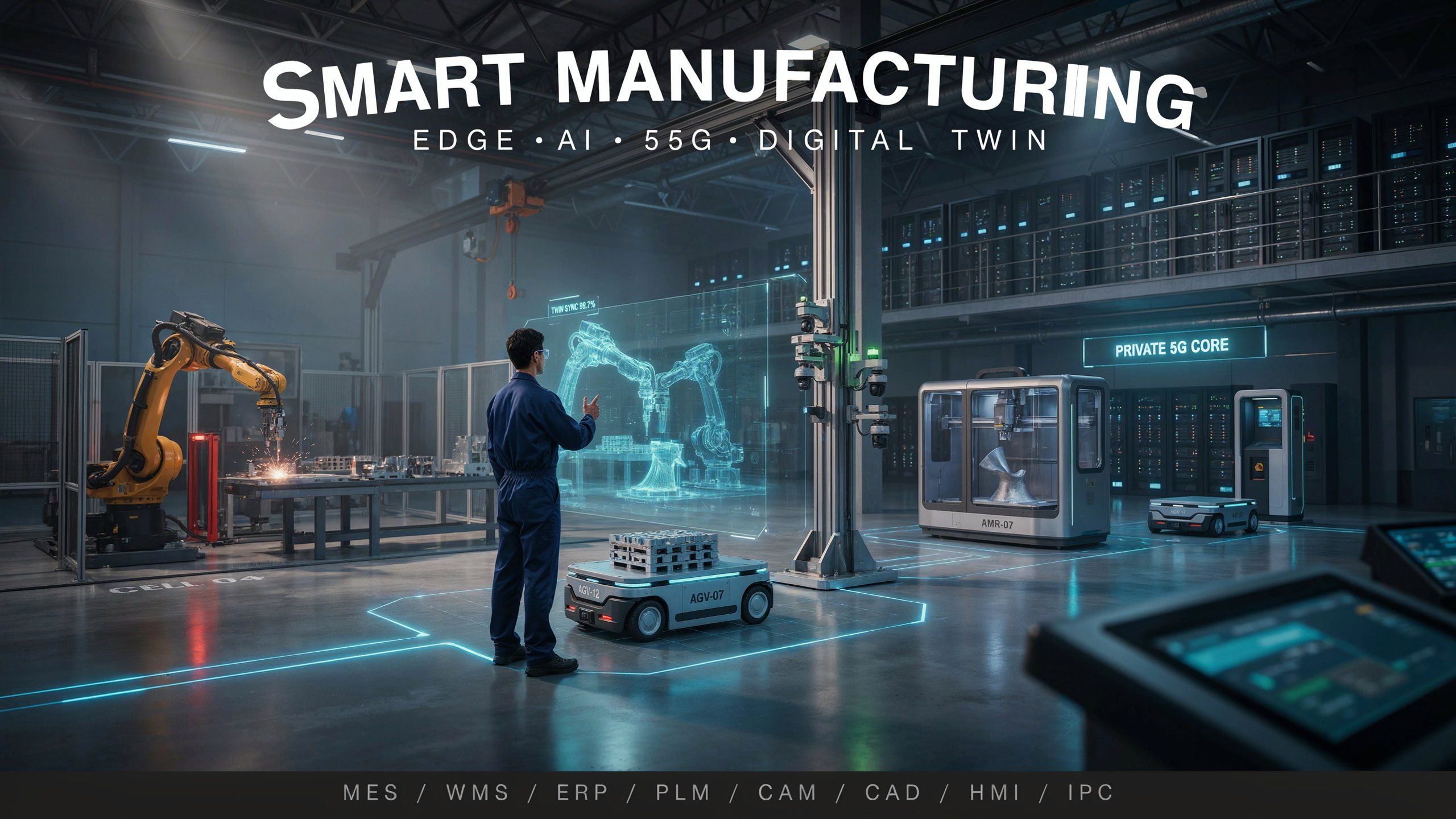
Artificial Intelligence Supports Intelligent Production Optimization
Artificial intelligence and machine learning are expanding the capabilities of smart manufacturing solutions. These technologies can analyze large volumes of production data to identify patterns, detect anomalies, and support operational decisions.
AI-powered analytics can help manufacturers evaluate production performance and identify factors contributing to inefficiencies. For example, data analysis may reveal relationships between equipment settings, production speed, material characteristics, and product quality. Manufacturers can use these insights to refine process parameters and improve production outcomes.
AI can also support predictive maintenance by identifying early indicators of equipment problems. Addressing potential failures before they interrupt production can help maintain equipment availability and support more predictable manufacturing schedules.
As manufacturers seek to improve productivity and reduce operational disruptions, demand for AI-enabled manufacturing software and analytics platforms is creating new opportunities for technology providers.
Digital Twins Enhance Process Simulation and Planning
Digital twin technology is becoming an important tool for production optimization. Digital twins create virtual representations of physical manufacturing assets, production lines, or entire facilities. These models can use operational data to simulate production conditions and evaluate different scenarios.
Manufacturers can use digital twins to assess production layouts, examine workflow changes, and identify potential bottlenecks before implementing modifications on the factory floor. This can support more informed planning and reduce the risks associated with production changes.
Digital twins can also help manufacturers evaluate how equipment performance, material availability, and production scheduling affect overall output. Their integration with automation and analytics platforms supports more coordinated manufacturing operations.
View detailed Table of Content here – https://www.marketsandmarkets.com/Market-Reports/smart-manufacturing-market-105448439.html
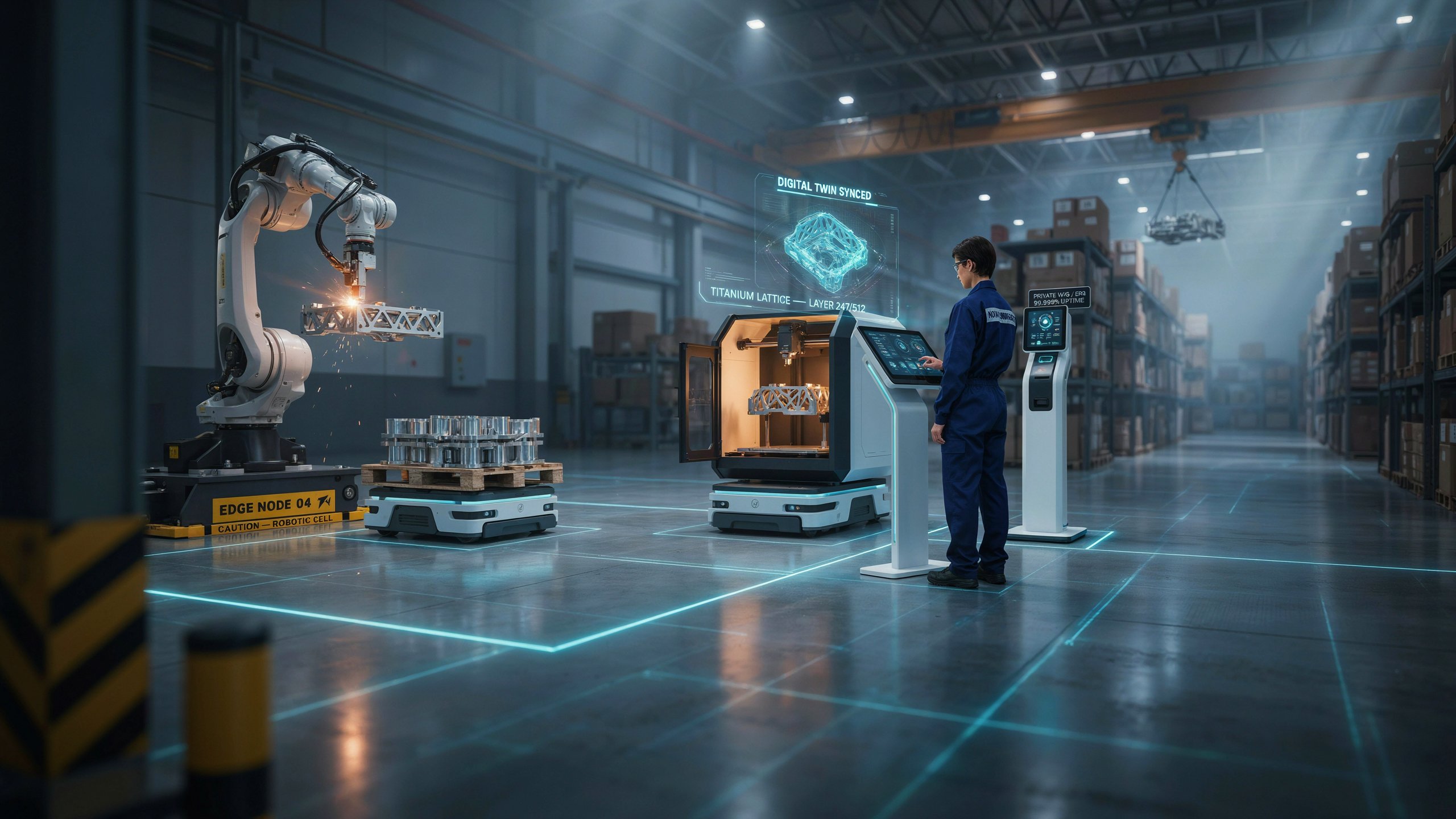
Quality and Resource Optimization Drive Market Demand
Production optimization extends beyond increasing output. Manufacturers also seek to improve product quality, minimize material waste, and use energy and resources more efficiently. Smart manufacturing systems can monitor process parameters and identify deviations from established specifications.
Automated inspection technologies, including machine vision, can help detect product defects and inconsistencies during production. Early identification of quality issues enables manufacturers to investigate problems and take corrective action before defects affect larger production volumes.
Energy monitoring and resource management systems can provide insights into electricity consumption, material utilization, and operating efficiency. These capabilities help manufacturers identify opportunities to reduce waste while maintaining production requirements.
Future Outlook for the Smart Manufacturing Market
The future of the Smart Manufacturing Industry will be shaped by growing investments in automation, industrial IoT, artificial intelligence, digital twins, and advanced production management systems. Manufacturers are expected to continue adopting technologies that support flexible production, improve resource utilization, and strengthen operational visibility.
Successful implementation will depend on integration with existing equipment, data quality, cybersecurity, workforce readiness, and measurable business value. Solutions that address these requirements can help manufacturers achieve sustainable improvements in production performance.
Overall, rising demand for production optimization is creating significant opportunities within the smart manufacturing market. By combining connected technologies, intelligent automation, and data-driven decision-making, manufacturers can improve productivity, streamline workflows, and respond more effectively to evolving industrial requirements.