
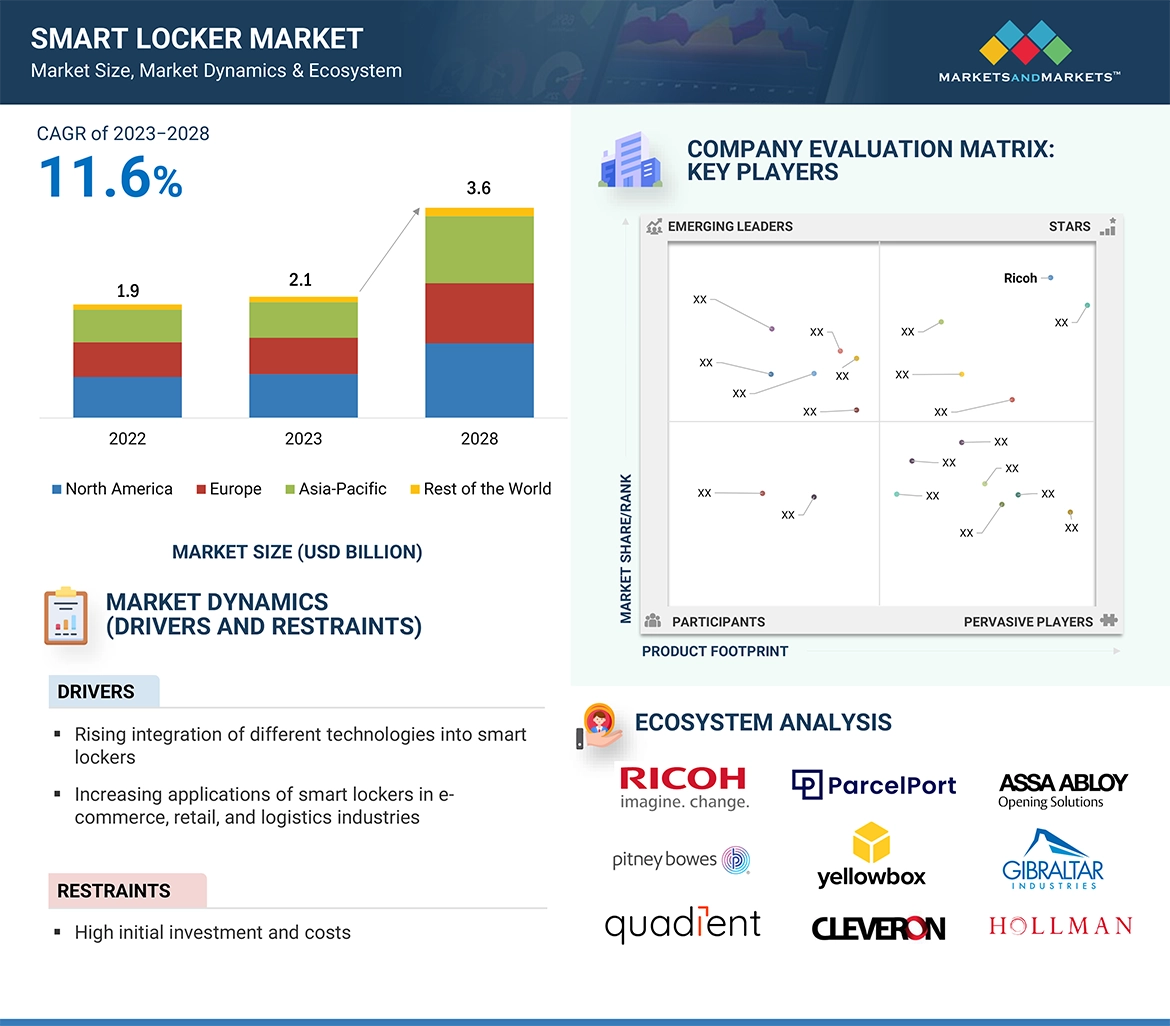
The Smart Locker Market is playing an increasingly influential role in transforming last-mile delivery as businesses seek faster, more secure, and more cost-effective methods of transporting goods to end users. Last-mile delivery represents the final stage of the logistics process, where parcels move from distribution centers to customers. Although it is the shortest segment of the supply chain, it is often the most expensive and operationally challenging due to traffic congestion, failed deliveries, rising labor costs, and growing customer expectations for speed and convenience. Smart lockers have emerged as an effective solution that addresses these challenges while supporting the digital transformation of logistics. The market continues to evolve as technological innovation, changing consumer behavior, and expanding e-commerce reshape delivery strategies across the globe.
One of the primary market dynamics influencing smart locker adoption is the continued expansion of online retail. E-commerce has significantly increased parcel volumes across both developed and emerging markets, creating unprecedented pressure on traditional delivery models. Consumers now expect fast shipping, flexible delivery options, and reliable package security regardless of location. Home delivery alone cannot efficiently accommodate this growing demand, especially in densely populated urban areas. Smart lockers provide centralized collection points where multiple packages can be delivered simultaneously, improving delivery efficiency while reducing transportation costs.
Customer expectations have become a powerful force shaping market growth. Modern consumers increasingly prioritize convenience and flexibility over conventional delivery methods. Many people are unavailable during standard delivery hours, leading to missed deliveries and repeated delivery attempts. Smart lockers eliminate this inconvenience by allowing recipients to collect parcels whenever it suits their schedules. Twenty-four-hour accessibility, secure authentication through mobile applications or QR codes, and contactless retrieval have made smart lockers highly attractive for busy professionals, students, and urban households.
The rising cost of last-mile logistics represents another important market dynamic. Fuel prices, labor expenses, vehicle maintenance, and urban congestion have steadily increased delivery costs for logistics providers. Smart lockers help reduce these expenses by consolidating multiple deliveries into a single location rather than requiring individual residential stops. Delivery personnel complete more successful deliveries within shorter timeframes while minimizing travel distances. These operational improvements contribute directly to higher profitability and more sustainable logistics operations.
Download PDF Brochure @ https://www.marketsandmarkets.com/pdfdownloadNew.asp?id=209948292
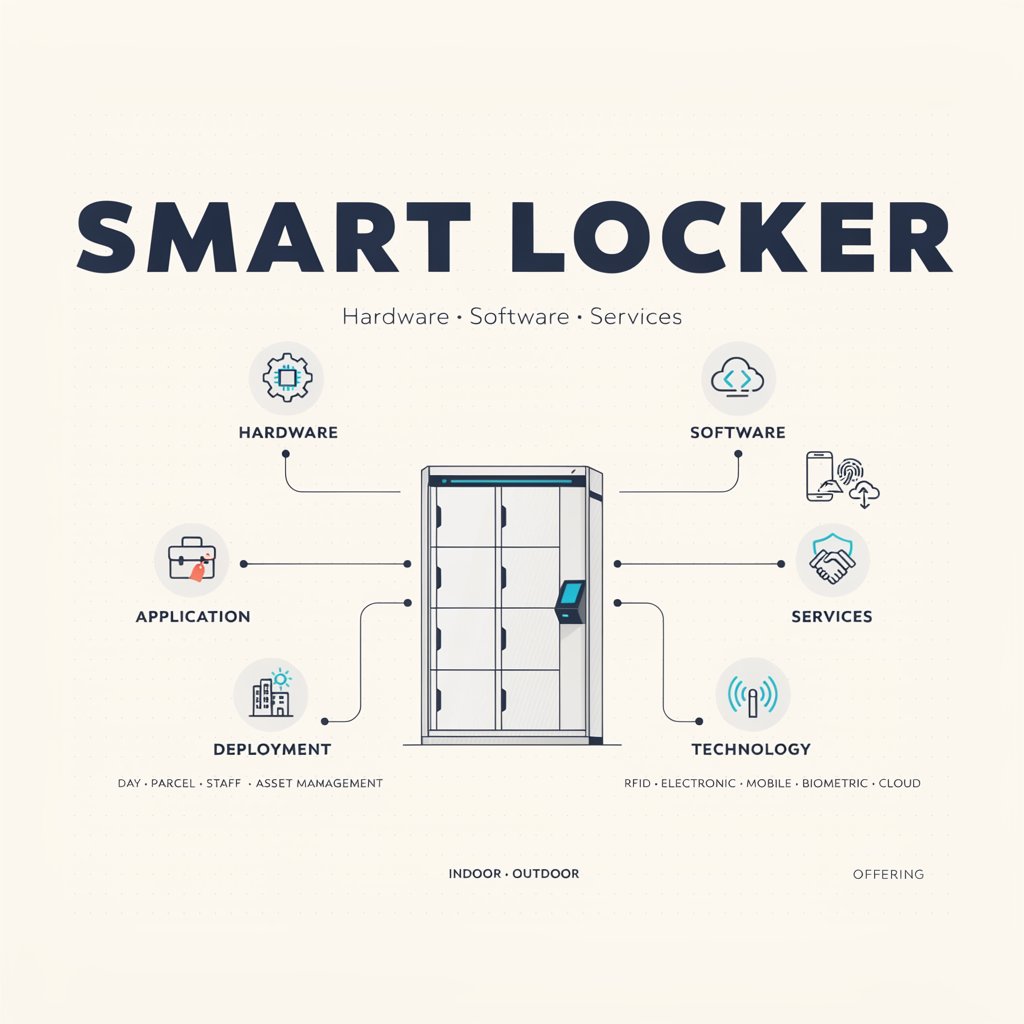
Urbanization is significantly influencing the evolution of last-mile delivery. Rapid population growth in metropolitan regions creates logistical challenges associated with traffic congestion, limited parking, restricted delivery access, and high-density residential buildings. Smart locker networks positioned in apartment complexes, transportation hubs, shopping centers, supermarkets, and commercial districts provide practical solutions that simplify parcel distribution in crowded urban environments. As cities continue expanding, demand for intelligent delivery infrastructure is expected to increase substantially.
Technological innovation remains one of the strongest drivers behind smart locker market development. Cloud computing enables centralized locker management across geographically distributed networks, allowing logistics providers to monitor locker availability, package status, customer activity, and maintenance requirements in real time. Centralized software platforms improve operational visibility while supporting efficient large-scale deployment. Continuous software updates further enhance system functionality without requiring hardware replacement.
Artificial intelligence is increasingly influencing last-mile delivery innovation. AI-powered systems analyze delivery routes, parcel volumes, customer collection behavior, locker occupancy, and seasonal demand to optimize network performance. Predictive analytics help logistics providers identify high-demand locations, forecast capacity requirements, and improve route planning. AI also supports predictive maintenance by identifying equipment issues before operational failures occur, improving service reliability while reducing maintenance costs.
The Internet of Things has further strengthened smart locker capabilities. Connected sensors continuously monitor compartment occupancy, package movement, environmental conditions, door activity, and system health. IoT connectivity enables real-time communication between lockers, cloud platforms, delivery vehicles, and customer applications. Immediate visibility into operational conditions allows faster decision-making while improving asset utilization across delivery networks.
Contactless delivery preferences continue supporting market expansion. Consumer awareness of health, hygiene, and convenience has increased interest in delivery solutions that minimize physical interaction. Smart lockers enable completely contactless package collection through digital authentication technologies, reducing dependency on face-to-face interactions. This capability has become valuable across residential communities, healthcare facilities, educational institutions, and corporate environments where secure self-service delivery is increasingly preferred.
Inquiry Before Buying @ https://www.marketsandmarkets.com/Enquiry_Before_BuyingNew.asp?id=209948292
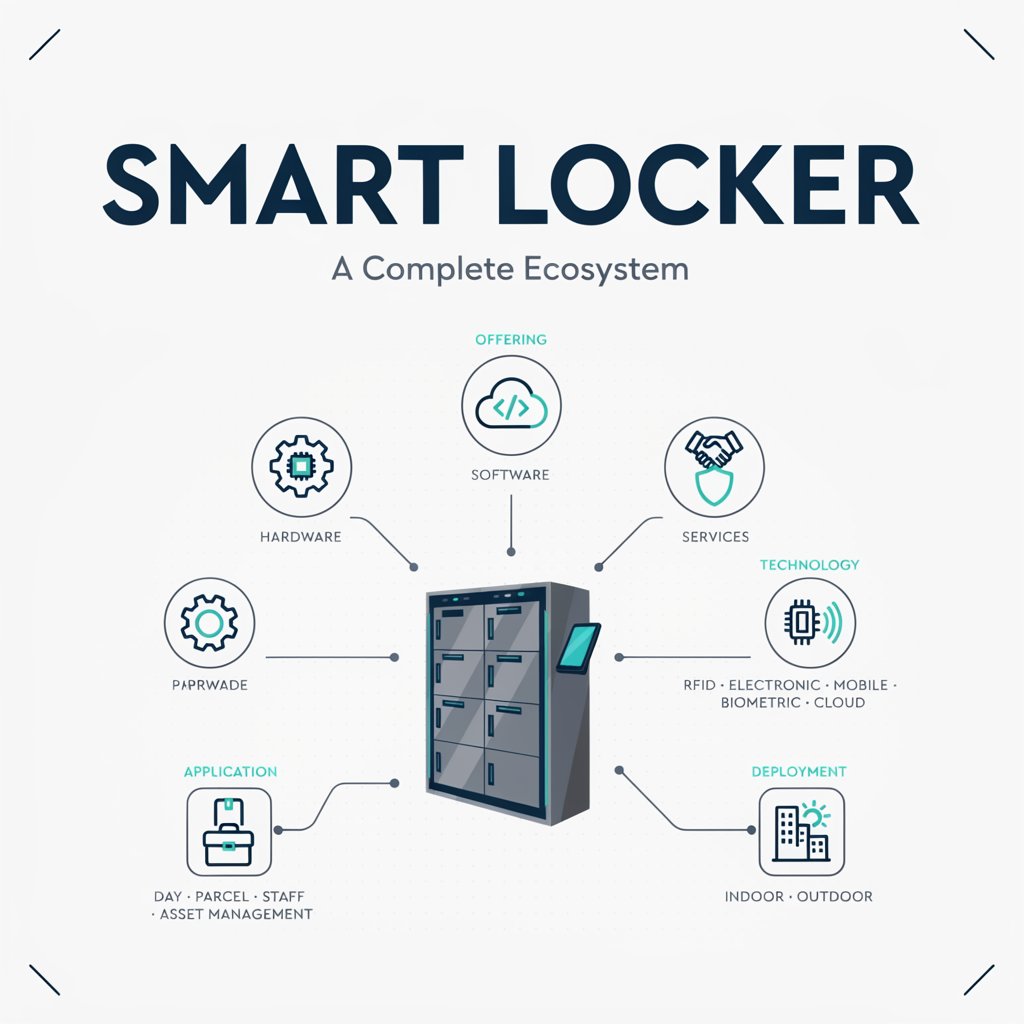
Retailers are actively influencing market dynamics by integrating smart lockers into omnichannel fulfillment strategies. Click-and-collect services allow customers to purchase products online and retrieve them from automated lockers located inside or outside retail stores. This approach reduces store congestion while accelerating order fulfillment. Retailers also benefit from lower staffing requirements and improved customer satisfaction, making smart lockers an increasingly important investment within modern retail infrastructure.
Reverse logistics has emerged as another important growth driver. Product returns continue increasing alongside e-commerce expansion, creating operational challenges for retailers and logistics providers. Smart lockers simplify return processes by allowing customers to deposit unwanted products securely at convenient locations. Automated return tracking, cloud integration, and inventory synchronization accelerate refund processing while improving reverse logistics efficiency.
Security concerns continue encouraging locker adoption. Traditional doorstep deliveries remain vulnerable to theft, weather damage, and unauthorized access. Smart lockers provide secure storage protected by digital authentication, surveillance systems, encrypted communication, and comprehensive audit trails. Enhanced security improves customer trust while reducing financial losses associated with package theft and delivery disputes.
Environmental sustainability has become an increasingly influential market factor. Governments, logistics providers, and retailers are actively seeking solutions that reduce transportation emissions and improve urban mobility. Smart lockers support consolidated deliveries that reduce vehicle mileage, fuel consumption, and greenhouse gas emissions. Optimized delivery routes enabled by intelligent locker networks contribute directly to more sustainable logistics operations while supporting corporate environmental goals.
View detailed Table of Content here – https://www.marketsandmarkets.com/Market-Reports/smart-lockers-market-209948292.html
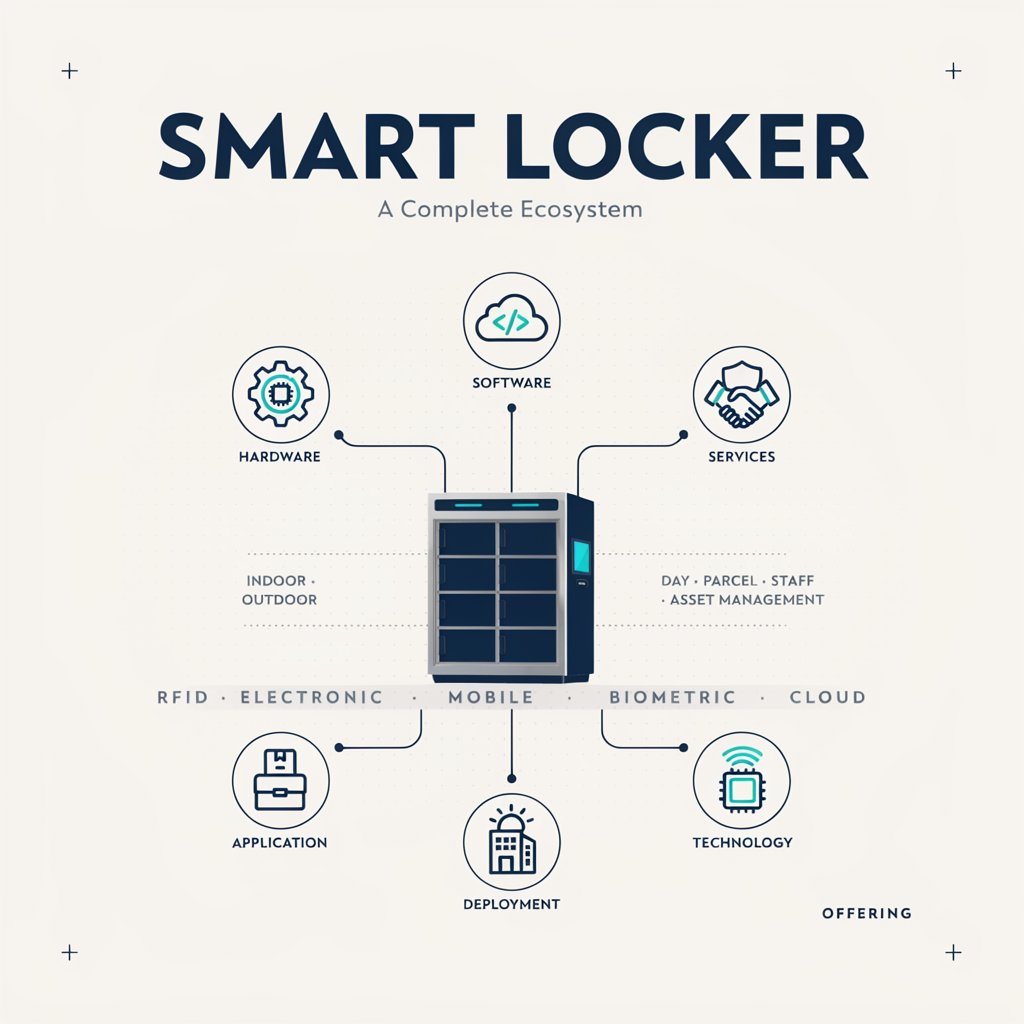
Commercial real estate developers are also contributing to market expansion. Office buildings, mixed-use developments, residential communities, and shopping centers increasingly integrate smart lockers as permanent building amenities. Automated parcel management improves occupant convenience while reducing operational workload for property managers. As intelligent building technologies continue advancing, locker systems are becoming standard components of modern commercial infrastructure.
Regional market dynamics demonstrate widespread adoption opportunities. North America continues leading innovation due to advanced logistics infrastructure, high e-commerce penetration, and strong investment in digital technologies. Europe emphasizes smart locker deployment within sustainable urban logistics strategies aimed at reducing congestion and emissions. Asia Pacific is projected to experience the fastest market growth because of rapid urbanization, increasing online retail activity, expanding smartphone adoption, and government investment in smart city development.
Competition within the market continues intensifying as technology providers introduce increasingly advanced locker platforms featuring artificial intelligence, cloud integration, mobile applications, biometric authentication, edge computing, and enhanced cybersecurity. Strategic collaborations among logistics companies, retailers, software providers, and real estate developers continue expanding automated delivery ecosystems while accelerating technological innovation.
Looking ahead, the Smart Locker Market will remain closely connected to the future of last-mile delivery innovation. Continuous growth in e-commerce, increasing urbanization, technological advancements, sustainability initiatives, and changing consumer expectations will continue driving investment in intelligent locker infrastructure. As logistics providers seek more efficient, secure, and scalable delivery models, smart lockers will become an increasingly essential component of modern distribution networks, supporting the next generation of automated and digitally connected last-mile logistics.