

The Shortwave IR Market is gaining new opportunities from the growing use of advanced imaging technologies in healthcare and biomedical applications. Shortwave infrared imaging, commonly covering wavelengths around 0.9 to 1.7 micrometers in widely deployed systems, can provide spectral information beyond the visible range and complement conventional optical and thermal imaging techniques. Its ability to capture information related to tissue characteristics, moisture, material composition, and selected biological structures is creating opportunities in medical research, diagnostics, surgical imaging, pharmaceutical development, and biomedical analysis. Increasing healthcare digitization, artificial intelligence, and demand for non-invasive imaging are supporting the development of SWIR-based solutions.
Growing Demand for Advanced Biomedical Imaging
Healthcare providers and research institutions are increasingly adopting imaging technologies that can provide more detailed information about biological structures and physiological conditions. Conventional visible imaging remains important for many applications, but it can have limitations when imaging deeper structures or distinguishing materials with similar visible characteristics.
SWIR imaging can provide complementary spectral information that supports advanced biomedical analysis. Researchers can combine SWIR data with visible, fluorescence, ultrasound, and other imaging modalities to develop more comprehensive approaches for studying biological tissues and processes.
Download PDF Brochure @ https://www.marketsandmarkets.com/pdfdownloadNew.asp?id=52975079
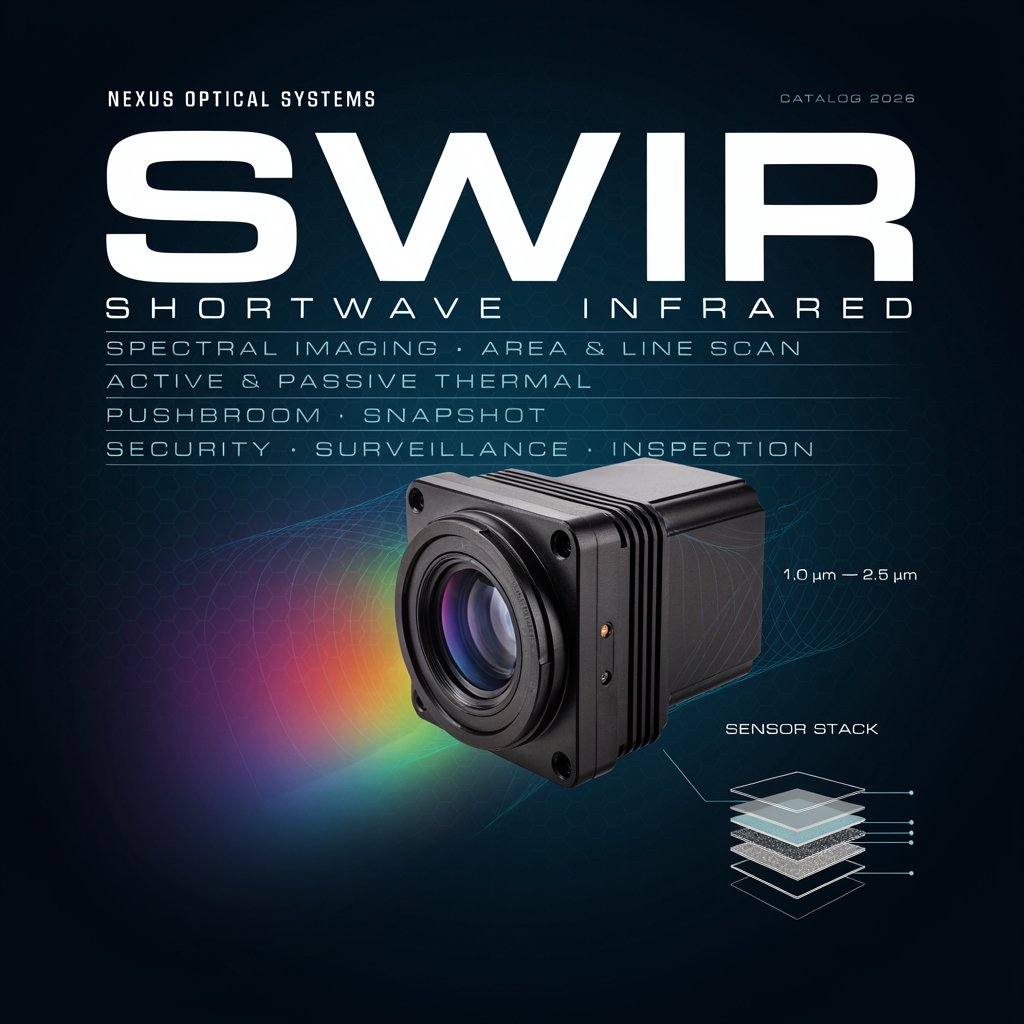
Non-Invasive Tissue Assessment
Non-invasive imaging is an important area of opportunity for the Shortwave IR Market. Medical professionals and researchers increasingly seek techniques that can provide useful biological information without requiring tissue removal or invasive procedures.
SWIR imaging can capture spectral responses associated with water and other tissue characteristics. This may support research into tissue composition, hydration, structural differences, and physiological changes. The technology can therefore contribute to emerging biomedical imaging platforms focused on improving observation while minimizing physical intervention.
Surgical Imaging Applications
SWIR technology is also attracting interest in surgical imaging. Modern procedures increasingly rely on image-guided techniques that help clinicians visualize tissues and anatomical structures during operations.
SWIR cameras can complement visible and fluorescence imaging in selected surgical applications. Their spectral sensitivity can provide additional information that may help distinguish tissues or visualize specific structures when integrated with suitable contrast agents and imaging techniques. Continued research in image-guided surgery could expand the potential role of SWIR systems in operating-room environments.
Cancer Research and Detection
Cancer research represents another potential application area for SWIR imaging. Researchers are exploring advanced optical methods for identifying differences between healthy and abnormal tissues.
SWIR imaging can provide spectral information that complements conventional optical techniques. When combined with machine learning, image-processing algorithms can analyze subtle variations across tissue images and support research into automated classification. While clinical adoption depends on extensive validation and regulatory requirements, continued research could create opportunities for SWIR imaging in biomedical diagnostics.
Inquiry Before Buying @ https://www.marketsandmarkets.com/Enquiry_Before_BuyingNew.asp?id=52975079
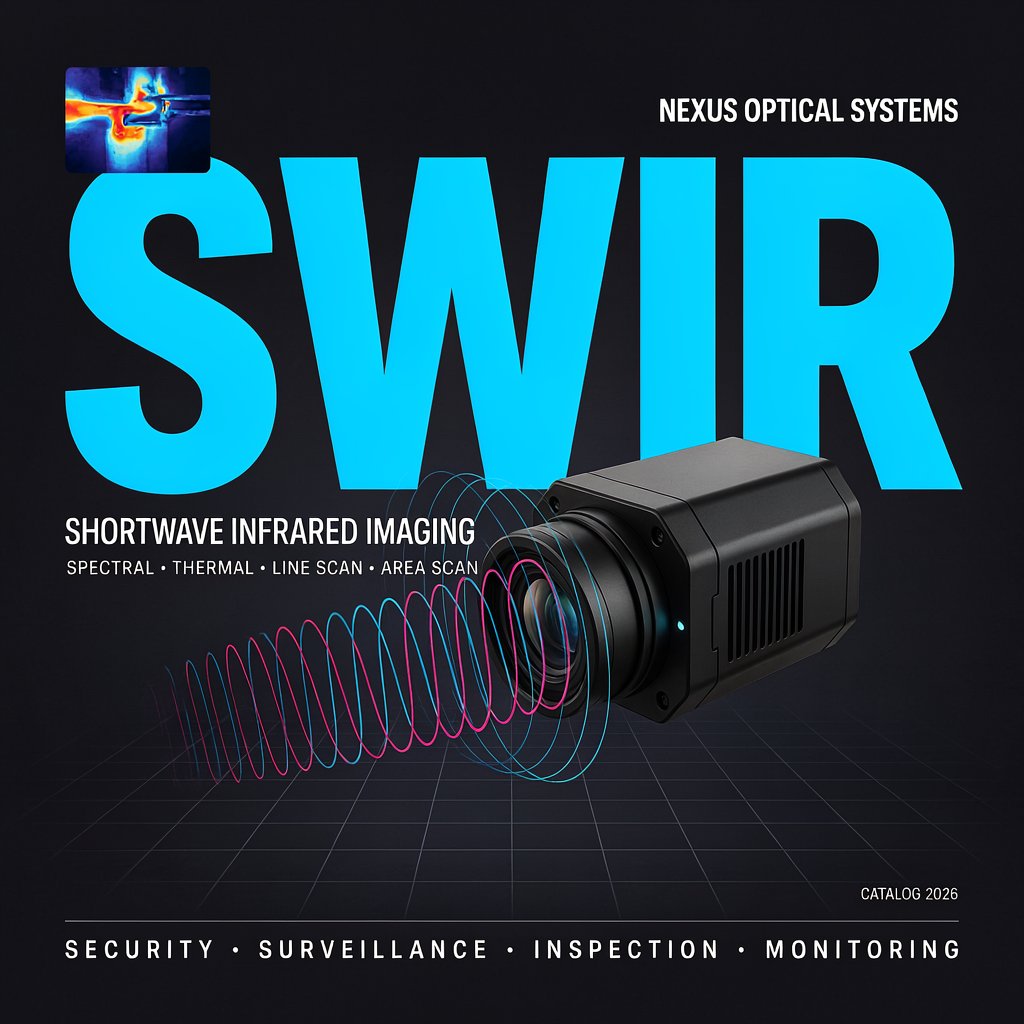
Pharmaceutical and Laboratory Applications
Pharmaceutical research and laboratory analysis are creating additional opportunities. Laboratories require imaging technologies for examining biological samples, pharmaceutical materials, cell structures, and experimental processes.
SWIR cameras can provide information related to material characteristics that may not be apparent in visible imagery. In research environments, this capability can support non-destructive sample assessment and help scientists collect additional spectral information during experiments.
Artificial Intelligence Integration
Artificial intelligence is becoming an important technology for healthcare imaging. Machine learning and deep learning algorithms can analyze large volumes of medical images and identify patterns that may be difficult to recognize manually.
SWIR imagery can provide additional data for AI-based biomedical models. Combining spectral and spatial information can support automated classification, anomaly detection, and quantitative image analysis. AI can also help integrate SWIR data with information from other imaging modalities, improving the usefulness of multimodal healthcare platforms.
Integration with Multimodal Imaging
The future development of biomedical SWIR applications is likely to involve integration with other imaging technologies. Visible, near-infrared, SWIR, fluorescence, hyperspectral, and thermal imaging each provide different types of information.
Multimodal systems can combine these capabilities to create more comprehensive images of biological tissues and materials. Advanced image-registration and data-fusion software can align information from different sensors, enabling researchers and clinicians to examine complementary characteristics within the same sample or anatomical region.
View detailed Table of Content here – https://www.marketsandmarkets.com/Market-Reports/shortwave-ir-market-52975079.html
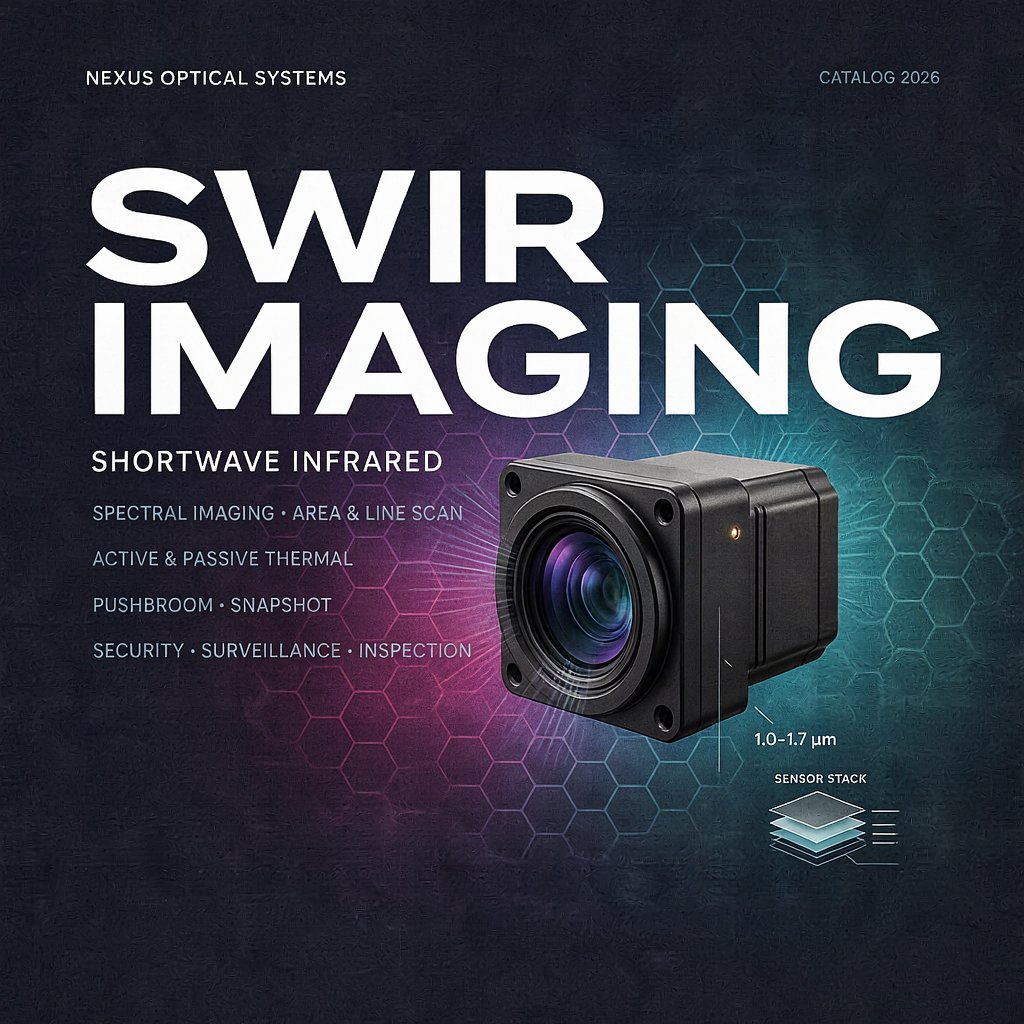
Advances in SWIR Camera Technology
Technological advances in detector materials, optics, sensor architecture, image processing, and camera packaging are supporting the development of healthcare-oriented SWIR systems. InGaAs detectors remain widely used in many SWIR imaging applications because of their sensitivity across commonly deployed wavelengths.
Research into alternative detector materials and advanced semiconductor technologies could support future improvements in cost, sensitivity, size, and integration. Smaller and more efficient SWIR cameras may enable incorporation into laboratory instruments, handheld medical systems, surgical platforms, and specialized biomedical equipment.
Real-Time Biomedical Imaging
Real-time imaging is becoming increasingly important for medical procedures and research. SWIR systems combined with high-speed image processing can support continuous observation of selected biological processes.
The integration of SWIR cameras with edge computing can enable image analysis closer to the point of acquisition. This can reduce processing delays and support rapid visualization in applications where immediate information is valuable.
Future Market Outlook
The Shortwave IR Industry is expected to benefit from continued research and development in healthcare and biomedical imaging. Non-invasive tissue assessment, surgical visualization, cancer research, pharmaceutical analysis, laboratory imaging, and multimodal diagnostic technologies are creating potential pathways for SWIR adoption.
The convergence of SWIR imaging with artificial intelligence, hyperspectral sensing, advanced optics, edge computing, and multimodal imaging is expected to strengthen the technology’s long-term potential. As detector performance improves and systems become smaller, faster, and more cost-effective, SWIR imaging could become an increasingly valuable tool for biomedical research and specialized healthcare imaging applications.