
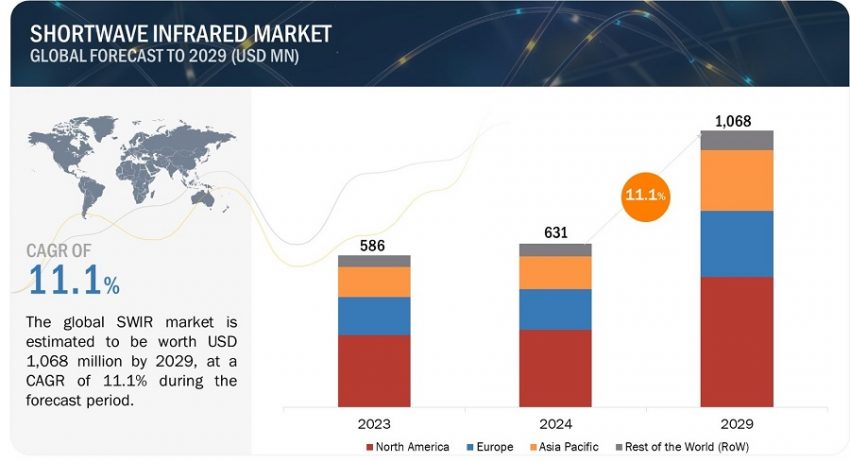
The global Shortwave Infrared (SWIR) Market is expanding steadily as industries increasingly recognize the advantages of imaging technologies that operate beyond the visible light spectrum. Covering wavelengths between approximately 900 nm and 2500 nm, SWIR imaging enables high-contrast visualization, material identification, moisture detection, and inspection through smoke, haze, plastics, and certain packaging materials. These capabilities have made SWIR an essential technology across industrial automation, semiconductor manufacturing, defense, healthcare, agriculture, scientific research, food processing, and automotive industries. As advancements in sensor technology, artificial intelligence, and machine vision continue accelerating adoption, the SWIR market is witnessing significant growth across different imaging types, technology platforms, and industry verticals.
Imaging type is one of the most important segments shaping the SWIR market. Area scan imaging remains the dominant category because of its versatility across numerous industrial applications. Area scan SWIR cameras capture complete images in a single frame, making them suitable for quality inspection, machine vision, medical imaging, surveillance, and semiconductor manufacturing. These systems provide high-resolution images that support artificial intelligence-powered defect detection, material classification, and automated decision-making. The growing adoption of smart manufacturing and robotic inspection systems continues driving demand for area scan imaging solutions worldwide.
Line scan imaging is another important segment experiencing strong growth. Unlike area scan cameras, line scan systems capture images one line at a time while products move continuously along production lines. This imaging approach is particularly valuable for inspecting continuously manufactured materials such as textiles, paper, films, semiconductor wafers, batteries, cables, and rolled metal products. High-speed production environments require precise inspection without interrupting manufacturing processes, making SWIR line scan cameras an increasingly preferred solution for industrial automation and continuous quality monitoring.
Multispectral and hyperspectral SWIR imaging are emerging as high-growth segments within the overall market. Multispectral imaging captures information across several discrete wavelength bands, allowing manufacturers to distinguish subtle differences in material composition, chemical properties, and moisture content. Hyperspectral imaging expands these capabilities further by collecting hundreds of continuous spectral bands, enabling extremely detailed material analysis. These technologies are gaining importance across agriculture, pharmaceuticals, food inspection, mineral exploration, environmental monitoring, and biomedical research, where advanced spectral information supports highly accurate analytical applications.
Download PDF Brochure @ https://www.marketsandmarkets.com/pdfdownloadNew.asp?id=52975079
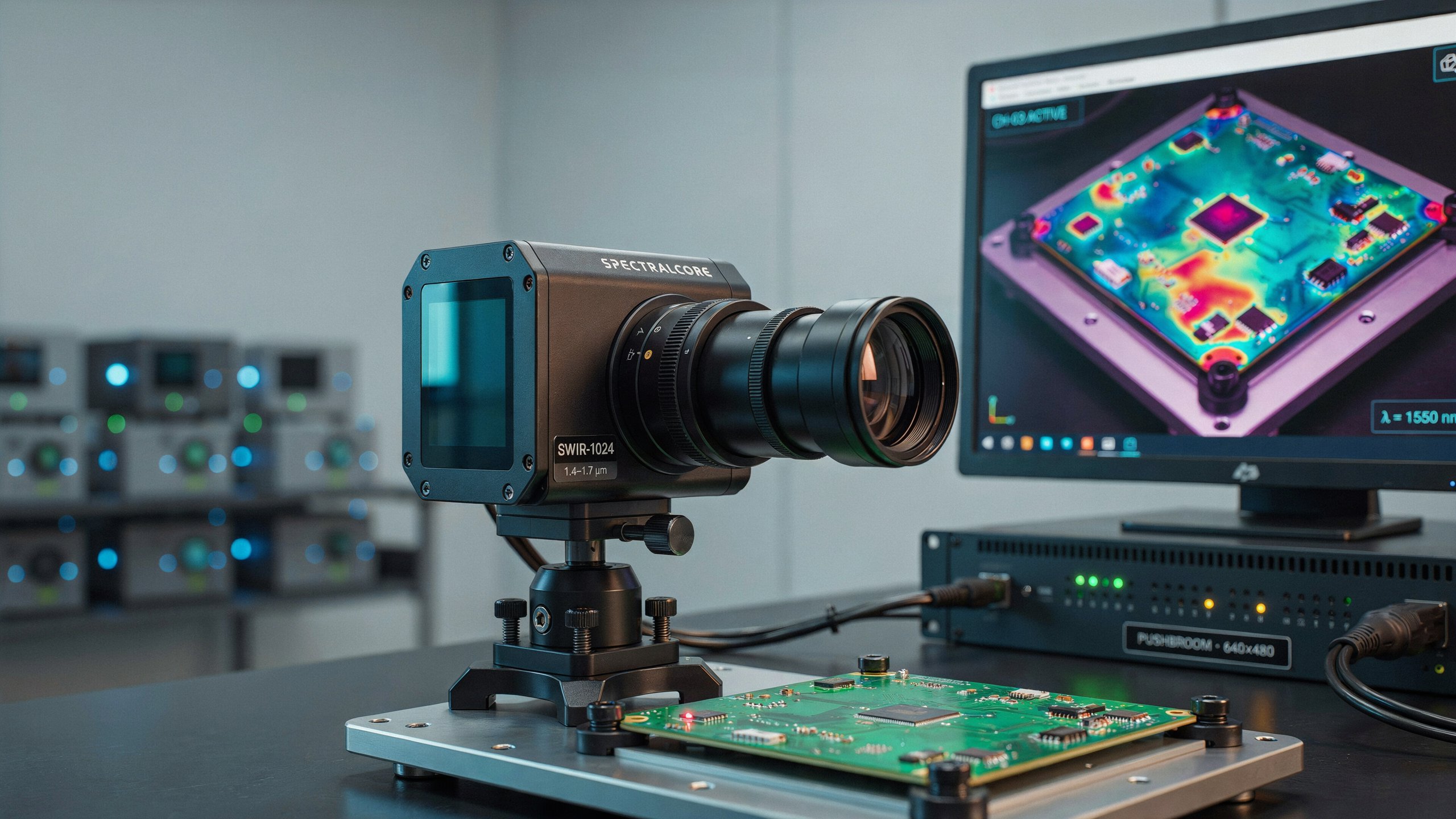
Technology segmentation is another key factor influencing SWIR market growth. Indium Gallium Arsenide (InGaAs) detector technology currently dominates the market because of its excellent sensitivity across the primary SWIR wavelength range. InGaAs sensors provide outstanding image quality, high quantum efficiency, low noise, and exceptional performance under low-light conditions. Continuous improvements in semiconductor fabrication processes have enhanced sensor resolution, reduced power consumption, and lowered production costs, making InGaAs technology increasingly accessible across commercial markets.
Extended-range InGaAs technology represents an important innovation within the market. These advanced detectors extend imaging capabilities beyond the conventional 1700 nm wavelength limit, enabling broader spectral analysis for specialized industrial and scientific applications. Extended-range sensors support advanced chemical analysis, pharmaceutical research, material characterization, and defense applications requiring enhanced spectral coverage. Continued investment in sensor development is expected to strengthen this technology segment during the forecast period.
Complementary Metal-Oxide Semiconductor (CMOS)-based SWIR technologies are also attracting growing attention. Advances in semiconductor engineering are enabling CMOS architectures to support selected SWIR applications with improved manufacturing scalability and lower production costs. Although InGaAs remains the dominant detector technology, CMOS-based SWIR solutions may become increasingly important for cost-sensitive applications requiring compact, energy-efficient imaging systems. Ongoing research into novel semiconductor materials continues expanding future technology options.
Cooling technologies further differentiate the SWIR market. Thermoelectrically cooled cameras continue serving applications requiring extremely low image noise and long exposure times, particularly in scientific research, defense, astronomy, and medical imaging. At the same time, improvements in sensor sensitivity and electronic noise reduction have enabled the development of uncooled SWIR cameras suitable for many industrial inspection applications. These compact systems simplify installation while reducing equipment costs, maintenance requirements, and power consumption.
Industrial manufacturing remains the largest vertical within the SWIR market. Manufacturers increasingly rely on SWIR imaging to automate inspection processes, detect hidden defects, monitor material quality, and improve production efficiency. Machine vision systems equipped with SWIR cameras inspect semiconductor wafers, electronic assemblies, batteries, pharmaceuticals, automotive components, and industrial materials with greater precision than visible-light imaging alone. Industry 4.0 initiatives continue accelerating adoption of intelligent inspection technologies throughout global manufacturing operations.
Inquiry Before Buying @ https://www.marketsandmarkets.com/Enquiry_Before_BuyingNew.asp?id=52975079
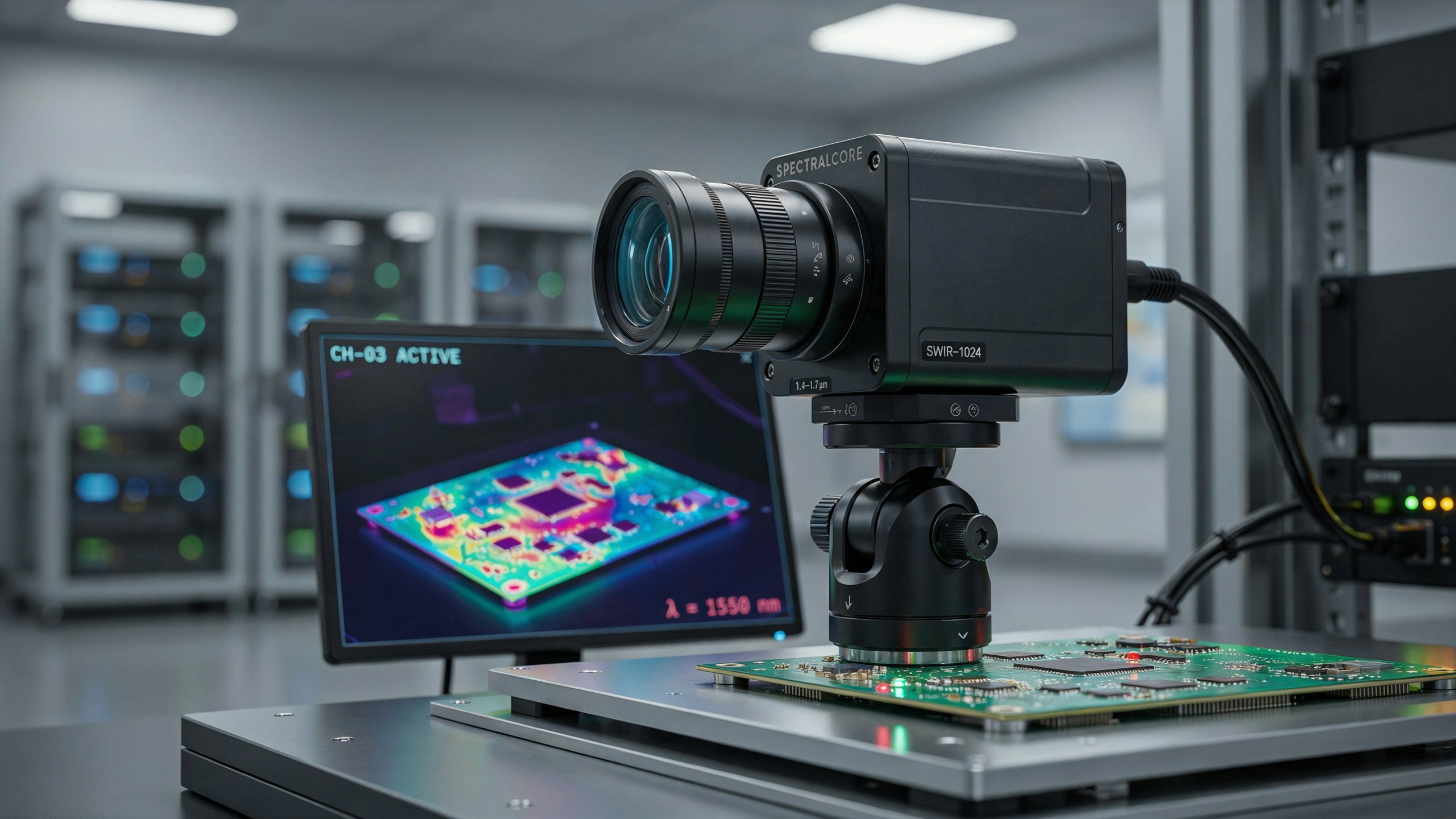
The semiconductor industry represents one of the fastest-growing verticals. As integrated circuits become increasingly complex and manufacturing tolerances continue shrinking, advanced inspection technologies become essential for maintaining production quality. SWIR imaging identifies microcracks, contamination, bonding defects, and silicon imperfections that remain invisible to conventional optical cameras. The continued expansion of semiconductor manufacturing to support artificial intelligence, cloud computing, automotive electronics, and consumer devices will sustain strong demand for SWIR inspection solutions.
Healthcare and medical imaging form another rapidly expanding vertical. SWIR technologies support tissue visualization, fluorescence-guided surgery, vascular imaging, wound assessment, and biomedical research. Improved tissue penetration and enhanced image contrast enable clinicians to obtain more detailed diagnostic information while supporting minimally invasive medical procedures. Artificial intelligence further enhances diagnostic accuracy by automatically analyzing complex medical images, creating significant opportunities for future healthcare applications.
Defense and aerospace continue generating substantial demand for SWIR imaging technologies. Military surveillance, reconnaissance, target acquisition, border security, navigation, and intelligence operations require imaging systems capable of functioning under difficult environmental conditions. SWIR cameras provide superior performance during nighttime operations and in environments affected by fog, smoke, haze, and dust. Continuous investment in defense modernization and autonomous military systems will support sustained growth within this vertical.
Food and agriculture represent increasingly important market segments. Food manufacturers use SWIR imaging to inspect moisture content, detect contamination, identify bruising, evaluate freshness, and automate product sorting. Agricultural applications include crop monitoring, disease detection, irrigation management, soil analysis, and precision farming. Growing emphasis on food safety, sustainable agriculture, and efficient resource management continues encouraging adoption of advanced imaging technologies.
View detailed Table of Content here – https://www.marketsandmarkets.com/Market-Reports/shortwave-ir-market-52975079.html
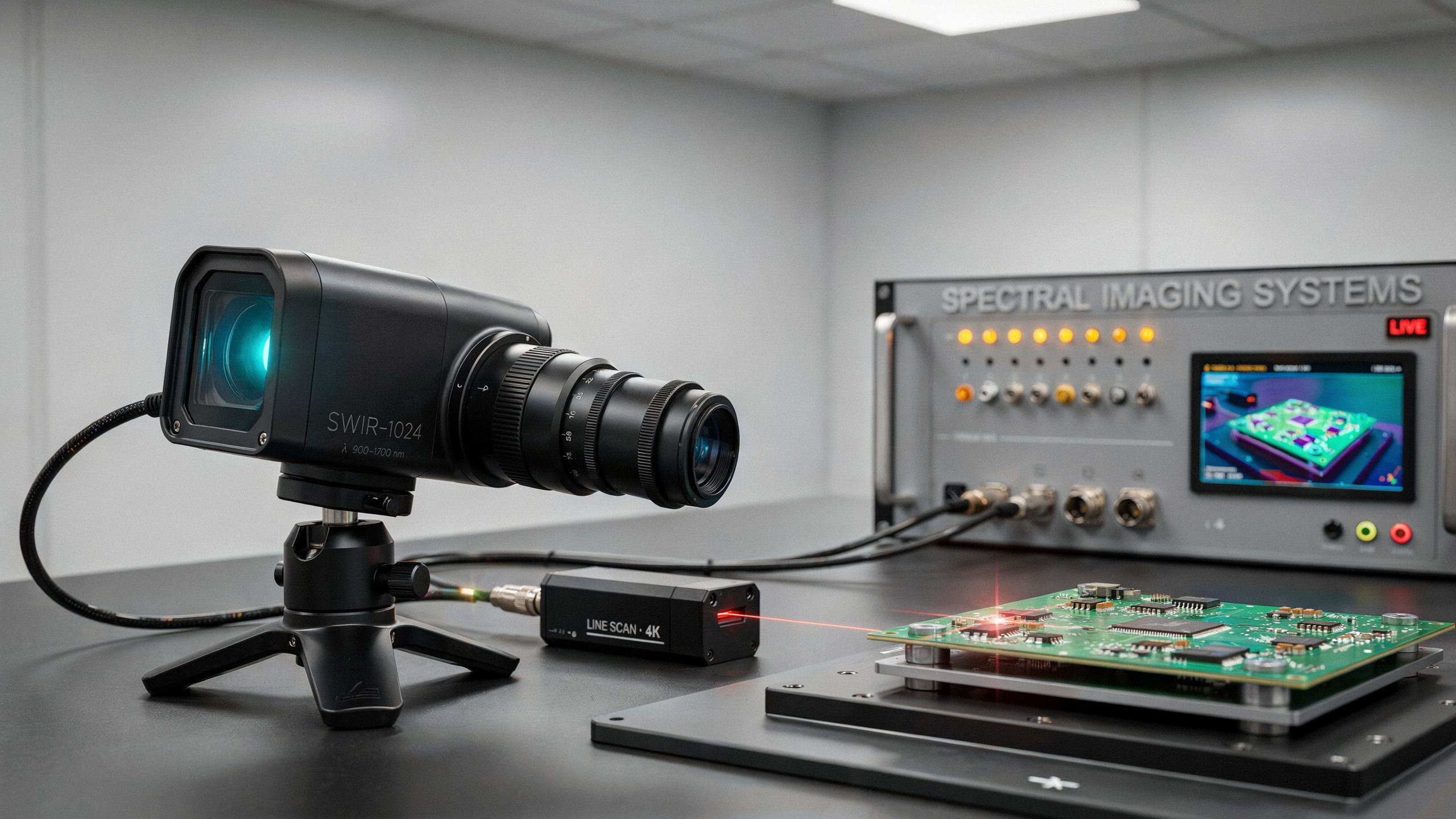
Automotive manufacturing is another high-growth vertical, particularly as electric vehicle production expands globally. SWIR imaging supports inspection of battery cells, composite materials, electronic modules, coatings, adhesives, and precision mechanical components. In addition, advanced driver assistance systems and autonomous driving platforms increasingly evaluate SWIR cameras as complementary sensors capable of improving vehicle perception under challenging environmental conditions.
Scientific research and environmental monitoring continue contributing to market expansion. Universities, laboratories, and research organizations utilize SWIR imaging for spectroscopy, chemical analysis, astronomy, biological research, climate monitoring, and materials science. Improved sensor performance and broader wavelength coverage continue expanding research possibilities across numerous scientific disciplines.
Looking toward 2029, the Shortwave Infrared market is expected to experience sustained growth across all major imaging types, technology platforms, and industry verticals. Continuous innovation in InGaAs sensors, artificial intelligence, machine vision, semiconductor manufacturing, and automation technologies will further strengthen commercial adoption. As imaging systems become more affordable, compact, and intelligent, SWIR technology will continue expanding beyond traditional industrial applications into healthcare, automotive, agriculture, defense, and scientific research, reinforcing its position as a critical imaging solution for the next generation of digital industries.