The global security screening market is undergoing significant transformation as governments, transportation authorities, and private organizations increasingly prioritize public safety, threat prevention, and operational efficiency. Rising security concerns, growing passenger traffic, cross-border trade, and the modernization of critical infrastructure are accelerating the adoption of advanced security screening technologies worldwide. Artificial intelligence (AI), machine learning, automation, biometric authentication, and next-generation imaging systems are emerging as key technologies reshaping the industry.
According to MarketsandMarkets, the global security screening market is estimated to reach USD 9.92 billion in 2025 and is projected to grow to USD 13.80 billion by 2030, registering a compound annual growth rate (CAGR) of 6.8% during 2025–2030. This growth reflects increasing investments in advanced screening infrastructure and the growing demand for faster, more accurate, and non-intrusive security solutions
As security requirements become more complex, organizations are moving beyond conventional screening equipment toward intelligent, connected, and automated systems capable of identifying emerging threats while improving the overall screening experience.
AI Integration Transforming Security Screening Operations
Artificial intelligence is becoming one of the most influential technologies in the security screening market. Traditional screening systems often depend heavily on human operators to interpret images, identify suspicious objects, and make security decisions. AI-powered solutions are changing this approach by enabling automated threat identification, real-time image analysis, and anomaly detection.
Machine learning algorithms and computer vision technologies help screening systems analyze large volumes of imaging data and identify potentially prohibited or dangerous items with greater consistency. These capabilities can reduce false alarms, support faster decision-making, and improve screening throughput at airports, railway stations, border checkpoints, and other high-traffic locations.
AI integration is particularly important in aviation security, where authorities must balance passenger convenience with stringent safety requirements. Intelligent screening platforms can assist operators in prioritizing alerts, analyzing complex images, and identifying concealed threats.
The growing importance of AI is also reflected in industry partnerships. In March 2025, Smiths Detection partnered with South Korean AI company Deepnoid to integrate advanced AI capabilities into its security screening systems. Similarly, in February 2025, Leidos partnered with SeeTrue to enhance airport security and customs screening through AI-powered threat detection algorithms. These developments demonstrate the industry’s increasing focus on intelligent screening solutions.
Download PDF Brochure @ https://www.marketsandmarkets.com/pdfdownloadNew.asp?id=264685413
Automation Driving Efficiency and Faster Screening
Automation is another major trend influencing the global security screening market. Airports, seaports, logistics centers, and public infrastructure facilities are handling increasing volumes of passengers, baggage, vehicles, and cargo. Conventional manual screening processes can create operational bottlenecks, particularly during peak travel periods.
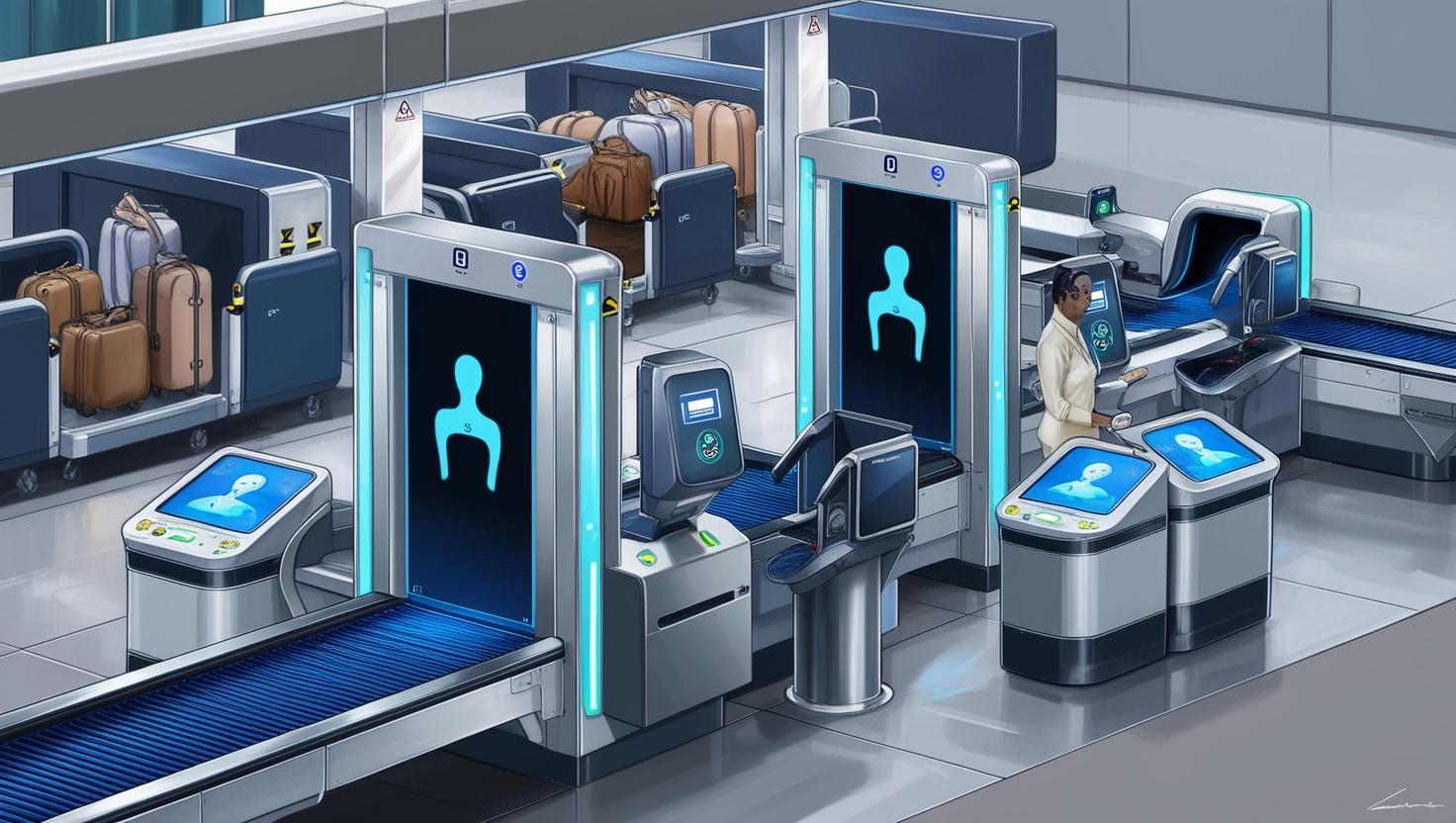
Automated screening technologies are helping organizations improve inspection speed, minimize manual intervention, and maintain consistent security procedures. Automated baggage inspection, advanced X-ray scanning, explosive detection systems, and automated border control gates are becoming increasingly important components of modern security infrastructure.
Automation also supports more efficient resource allocation by allowing security personnel to focus on suspicious cases and complex threat assessments rather than routine screening activities.
The integration of automated systems with AI and machine learning further strengthens operational capabilities. By combining intelligent image recognition with automated alert management, security operators can improve response times while maintaining effective threat detection.
Next-Generation Screening Technologies Gaining Momentum
Technological advancements are expanding the capabilities of security screening equipment. Organizations are increasingly adopting sophisticated solutions that offer improved detection accuracy, greater processing capacity, and reduced passenger inconvenience.
Some of the important technologies shaping the market include:
-
Advanced X-ray and computed tomography (CT) systems: These technologies provide detailed imaging capabilities for baggage, cargo, and personal belongings, supporting more effective identification of concealed threats.
-
Millimeter-wave scanners: These systems enable non-intrusive passenger screening and help identify concealed objects while supporting modern airport security requirements.
-
Biometric screening systems: Facial recognition, iris recognition, and identity verification technologies are improving passenger identification and border control processes.
-
Electromagnetic metal detectors: Walk-through and handheld metal detection systems remain essential for identifying metallic threats across airports, public venues, government buildings, and critical infrastructure.
-
Spectrometry and spectroscopy systems: These technologies support the detection and identification of suspicious substances and materials.
-
Automated explosive detection systems: Advanced detection solutions are helping airports and cargo facilities strengthen protection against explosive threats.
Biometric Authentication Strengthening Border and Passenger Security
Biometric technology is becoming increasingly important in modern security screening operations. Governments and border security agencies are investing in facial recognition, iris scanning, and automated identity verification systems to improve passenger identification and strengthen border control.
These technologies help authorities verify identities, identify inconsistencies in travel documents, and streamline passenger processing. Automated border control gates and biometric verification platforms are also supporting more efficient immigration procedures.
The growing adoption of biometric systems is particularly relevant as international travel and cross-border movement increase. Airports and transportation authorities are looking for solutions that can improve identity verification without creating unnecessary delays.
However, the expansion of biometric screening also raises concerns about data protection, privacy, and the secure management of personal information. Technology providers must therefore prioritize secure data storage, encryption, access controls, and compliance with applicable privacy regulations.
Growing Demand Across Transportation and Critical Infrastructure
The transportation sector represents a major growth area for the security screening market. Airports, seaports, railway stations, and public transportation networks require advanced screening solutions to protect passengers, employees, and infrastructure.
Increasing passenger volumes and evolving security requirements are encouraging transportation operators to upgrade existing screening equipment. Advanced X-ray scanners, body scanners, metal detectors, biometric systems, and automated explosive detection technologies are becoming essential components of modern transportation security.
Cargo screening is another important opportunity. The expansion of international trade, e-commerce, and cross-border logistics has increased the need for efficient inspection systems capable of screening large shipments without disrupting supply chain operations.
Regional Outlook: Asia Pacific Emerging as a High-Growth Market
The global security screening market is witnessing growth across major regions, with North America maintaining a leading position and Asia Pacific emerging as the fastest-growing regional market.
North America: The region is expected to account for the largest market share in 2025. Strong investments in airport security, border protection, advanced detection technologies, and critical infrastructure protection are supporting market expansion.
Asia Pacific: The region is projected to register the highest CAGR of approximately 8.3% during 2025–2030. Rapid urbanization, expanding aviation infrastructure, increasing passenger traffic, and government initiatives focused on homeland security are driving demand in countries such as India, China, and Japan.
Europe: Investments in transportation security, border management, regulatory compliance, and advanced screening technologies are supporting the adoption of modern security systems.
Competitive Landscape and Key Industry Developments
The security screening market is characterized by continuous technological innovation, strategic partnerships, product launches, and acquisitions. Leading companies are strengthening their market positions by expanding their technology portfolios and developing advanced screening platforms.
Major companies operating in the global security screening market include:
-
Smiths Detection Group Ltd.
-
OSI Systems, Inc.
-
Leidos
-
Thales
-
NEC Corporation
-
Teledyne Technologies
-
Bruker
-
Analogic Corporation
-
Astrophysics Inc.
-
LINEV Systems
Recent industry developments highlight the growing emphasis on AI integration and advanced cargo inspection technologies.
Future Outlook: The Shift Toward Intelligent Security Ecosystems
The future of the security screening market will be shaped by the convergence of artificial intelligence, automation, biometrics, advanced imaging, and connected security technologies. As security threats become more sophisticated, organizations will increasingly require screening solutions that deliver accurate detection, faster processing, and real-time threat intelligence.
The integration of AI with Internet of Things (IoT) technologies and edge computing is expected to create opportunities for more responsive and interconnected security infrastructure. These systems can support real-time monitoring, improve information sharing, and enable security personnel to respond more effectively to potential threats.
Manufacturers are also likely to focus on developing modular, scalable, and cost-efficient screening equipment that can be integrated into existing infrastructure. Growing investments in smart airports, automated border checkpoints, transportation networks, and critical infrastructure protection will further support market expansion.
With AI-driven solutions gaining traction and emerging economies increasing their security investments, the industry is positioned for continued technological development and commercial growth.
The global security screening market is entering a new phase of innovation, driven by AI integration, automation, biometric authentication, and next-generation detection technologies. Rising security concerns, increasing transportation activities, and stricter government regulations are creating sustained demand for advanced screening solutions.
With the market projected to reach USD 13.80 billion by 2030, technology providers have significant opportunities to develop intelligent, efficient, and privacy-conscious security systems. As organizations continue to modernize their security infrastructure, AI-powered screening and automated threat detection are expected to play an increasingly important role in shaping the industry’s future.
-
-
Frequently Asked Questions (FAQs)
1. What is the global security screening market size?
The global security screening market is estimated to reach USD 9.92 billion in 2025 and is projected to grow to USD 13.80 billion by 2030, registering a CAGR of 6.8% during the forecast period.
2. What are the key factors driving the growth of the security screening market?
Increasing security threats, rising passenger traffic, expanding international trade, stricter government regulations, and growing investments in airport and border security infrastructure are the major factors driving market growth.
3. How is artificial intelligence transforming the security screening market?
AI is improving threat detection through automated image analysis, machine learning, and real-time identification of suspicious objects. It helps reduce false alarms, enhance screening accuracy, and improve operational efficiency.
4. Which region is expected to experience the fastest growth in the security screening market?
Asia Pacific is expected to register the highest CAGR during 2025–2030, driven by rapid urbanization, expanding airport infrastructure, increasing passenger traffic, and rising government investments in security technologies.
5. Who are the key players in the global security screening market?
Major players include Smiths Detection Group Ltd., OSI Systems, Inc., Leidos, Thales, NEC Corporation, Teledyne Technologies, Bruker, Analogic Corporation, Astrophysics Inc., and LINEV Systems. These companies focus on technological innovation, strategic partnerships, and advanced screening solutions.