
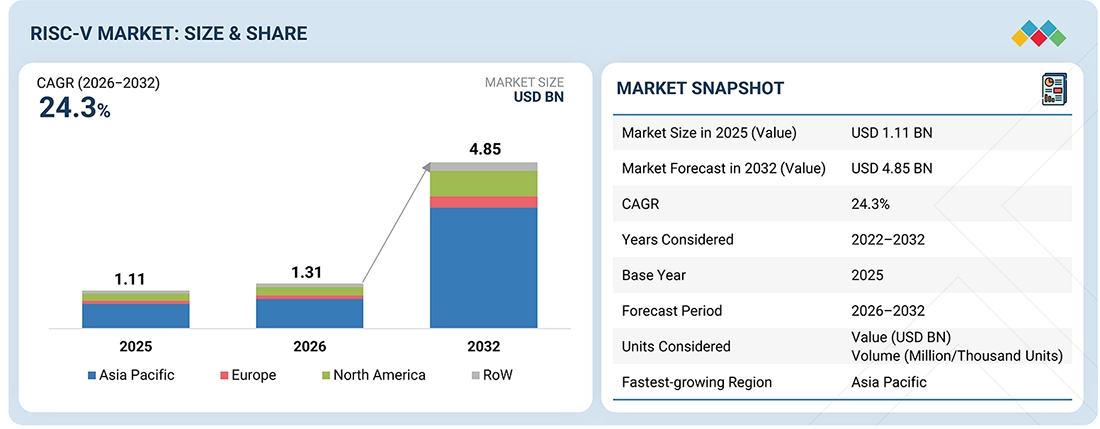
The RISC-V Market is positioned for strong long-term growth as integration and scalability trends continue to reshape the semiconductor industry. As an open-standard instruction set architecture, RISC-V has emerged as a disruptive force by offering processor developers unmatched flexibility, modularity, and customization. Unlike traditional proprietary architectures, RISC-V enables organizations to design processors optimized for specific workloads while maintaining full architectural control. This adaptability is becoming increasingly important as industries demand scalable computing platforms capable of integrating seamlessly across complex digital ecosystems. The future outlook for the RISC-V market is being strongly influenced by rapid advances in system integration, multi-platform compatibility, and scalable processor deployment across diverse applications.
One of the most significant trends shaping the RISC-V market outlook is the growing need for seamless integration across heterogeneous computing environments. Modern digital systems increasingly combine central processing units, graphics processors, artificial intelligence accelerators, security modules, and communication processors within unified architectures. RISC-V’s modular framework enables efficient integration with these diverse processing components, allowing semiconductor developers to create highly optimized system-on-chip solutions. This capability is particularly valuable in applications such as artificial intelligence, industrial automation, autonomous vehicles, and smart infrastructure where multiple computational workloads must operate simultaneously.
System-on-chip integration is becoming a major growth driver for the RISC-V market. Semiconductor manufacturers are developing increasingly sophisticated SoC designs that consolidate processing, memory management, connectivity, and specialized accelerators into compact chip platforms. RISC-V supports this trend by allowing developers to tailor processor cores to fit precise system requirements. This level of integration improves performance efficiency, reduces system complexity, and lowers manufacturing costs. As demand for highly integrated semiconductor platforms increases, RISC-V is expected to play an increasingly central role.
Download PDF Brochure @ https://www.marketsandmarkets.com/pdfdownloadNew.asp?id=263639200
Scalability is another defining trend supporting the long-term outlook of the RISC-V market. One of the architecture’s most valuable advantages is its ability to scale efficiently across a broad range of computing applications. RISC-V can be implemented in ultra-low-power microcontrollers for simple embedded tasks, mid-range processors for industrial automation, and high-performance multi-core systems for data centers and advanced computing workloads. This scalability allows organizations to use a common architectural foundation across diverse product portfolios, simplifying software development and ecosystem management.
The expansion of edge computing is significantly influencing integration and scalability trends. Edge devices require processors that can efficiently process data locally while integrating seamlessly with broader cloud and network infrastructures. RISC-V’s customizable architecture enables optimized edge processors capable of balancing computational performance with low power consumption. Its scalability supports deployment across simple sensor nodes, industrial gateways, and advanced edge AI systems. This flexibility is driving strong adoption across connected devices and distributed computing networks.
Artificial intelligence integration is another major factor shaping the market outlook. AI applications demand processors capable of handling increasingly complex workloads, often requiring seamless interaction between general-purpose processing cores and specialized acceleration engines. RISC-V supports scalable AI integration through custom instruction extensions and flexible architectural design. Developers can build processors optimized for machine learning inference, computer vision, predictive analytics, and neural processing while maintaining interoperability across larger computing systems.
Inquiry Before Buying @ https://www.marketsandmarkets.com/Enquiry_Before_BuyingNew.asp?id=263639200
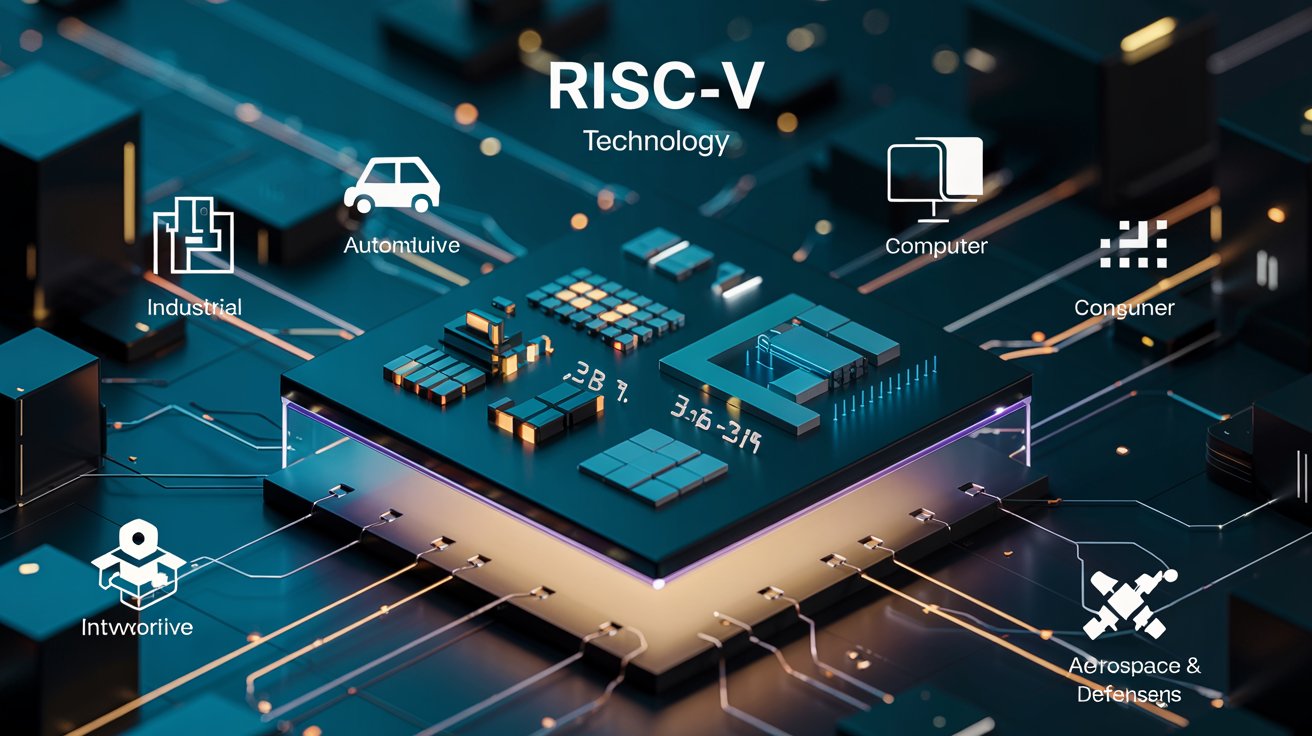
Interoperability across software ecosystems is becoming increasingly important for RISC-V market expansion. Broad commercial adoption depends on compatibility with operating systems, compilers, development frameworks, virtualization platforms, and application software. The RISC-V ecosystem is maturing rapidly as software providers, open-source communities, and semiconductor companies expand toolchain support. Improved software integration enhances scalability by allowing developers to deploy RISC-V solutions across multiple hardware platforms with reduced development complexity.
Scalable security integration is another trend strengthening the RISC-V market outlook. Modern computing environments require processors capable of supporting security functions across devices ranging from simple IoT endpoints to high-performance enterprise systems. RISC-V allows developers to integrate scalable security features such as encryption engines, secure boot systems, trusted execution environments, and access control mechanisms directly into processor architectures. This flexibility enhances deployment across cybersecurity-sensitive applications.
The growth of chiplet-based semiconductor design is also contributing to integration and scalability trends. Chiplet architectures allow modular semiconductor components to be combined into highly efficient systems. RISC-V’s modular design aligns naturally with chiplet development, enabling scalable processing solutions that can be configured for diverse workloads. This trend is expected to accelerate product innovation and reduce time-to-market.
View detailed Table of Content here – https://www.marketsandmarkets.com/Market-Reports/risc-v-market-263639200.html
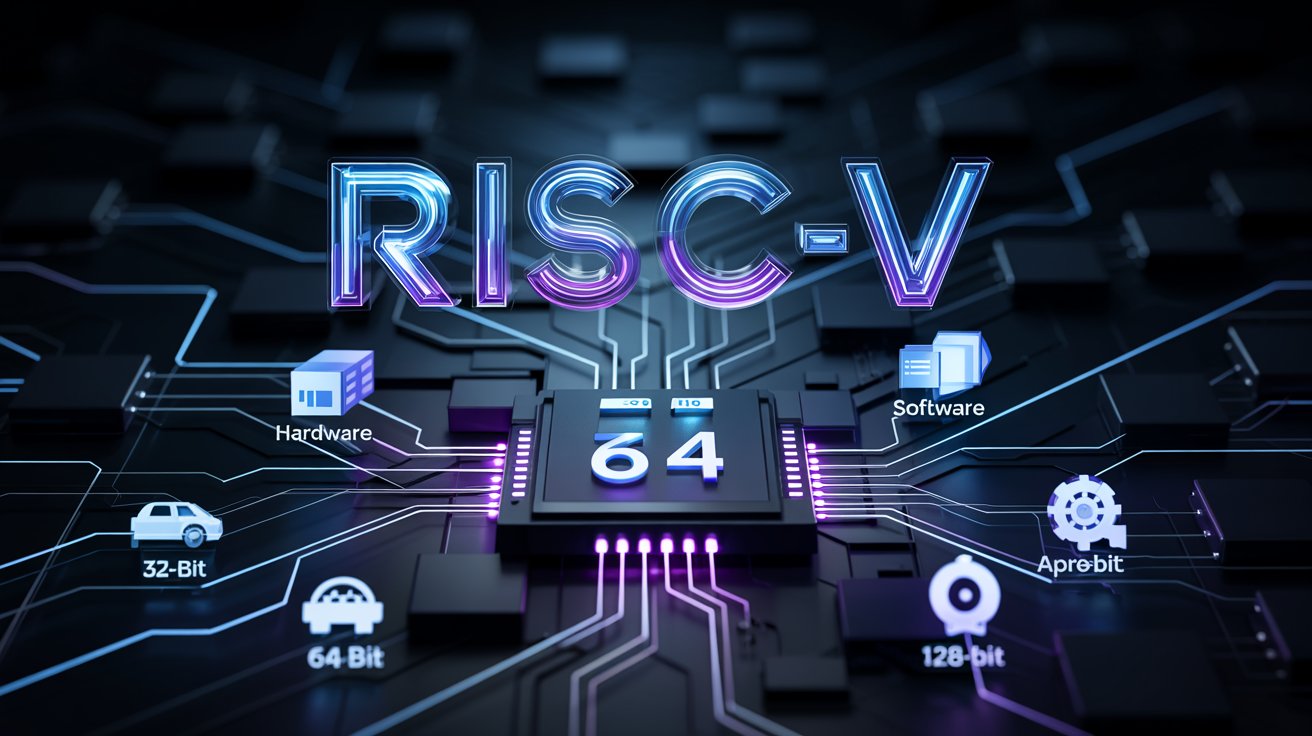
Cloud infrastructure integration is another emerging opportunity for RISC-V. As hyperscale data centers seek more customizable and energy-efficient processor architectures, RISC-V is gaining attention as a scalable alternative for server processors, storage controllers, and data acceleration systems. Its adaptability supports efficient integration into cloud computing ecosystems.
Regionally, Asia-Pacific leads RISC-V growth through strong semiconductor manufacturing and large-scale processor development initiatives. North America is advancing through AI-driven semiconductor innovation and cloud infrastructure research, while Europe continues to expand through automotive electronics and industrial automation integration.
The RISC-V market outlook remains highly promising as integration and scalability trends continue to accelerate adoption across global technology sectors. Its ability to integrate seamlessly into heterogeneous systems while scaling across applications from embedded devices to high-performance computing platforms positions RISC-V as a foundational architecture for future semiconductor innovation. Continuous progress in ecosystem maturity, software compatibility, processor design, and advanced manufacturing will further drive the long-term expansion of the global RISC-V market.