
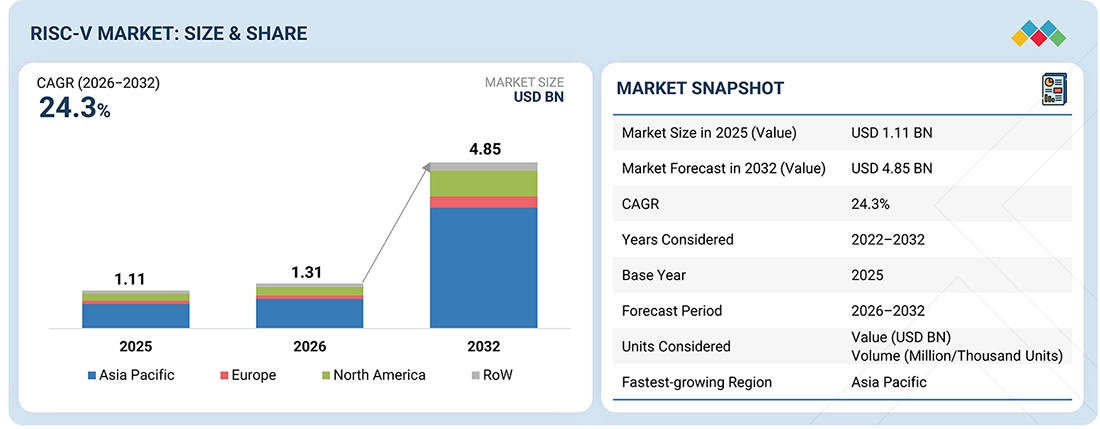
RISC-V Market Overview
The RISC-V Market is gaining momentum as semiconductor companies, technology developers, and original equipment manufacturers explore flexible processor architectures for artificial intelligence (AI), machine learning, and embedded computing applications. RISC-V is an open standard instruction set architecture that enables developers to design customized processors without relying on proprietary instruction set licenses. This flexibility is particularly valuable for AI workloads, which require specialized computing capabilities, efficient memory access, and optimized power consumption.
The growing adoption of generative AI, edge computing, intelligent automation, and connected devices is increasing demand for processors capable of handling diverse workloads. AI-optimized RISC-V processors can be tailored for specific tasks, including neural network inference, image recognition, natural language processing, predictive analytics, and real-time decision-making. As organizations seek alternatives to conventional processor architectures, RISC-V is emerging as an important option for developing differentiated and application-specific AI computing solutions.
Download PDF Brochure @ https://www.marketsandmarkets.com/pdfdownloadNew.asp?id=263639200
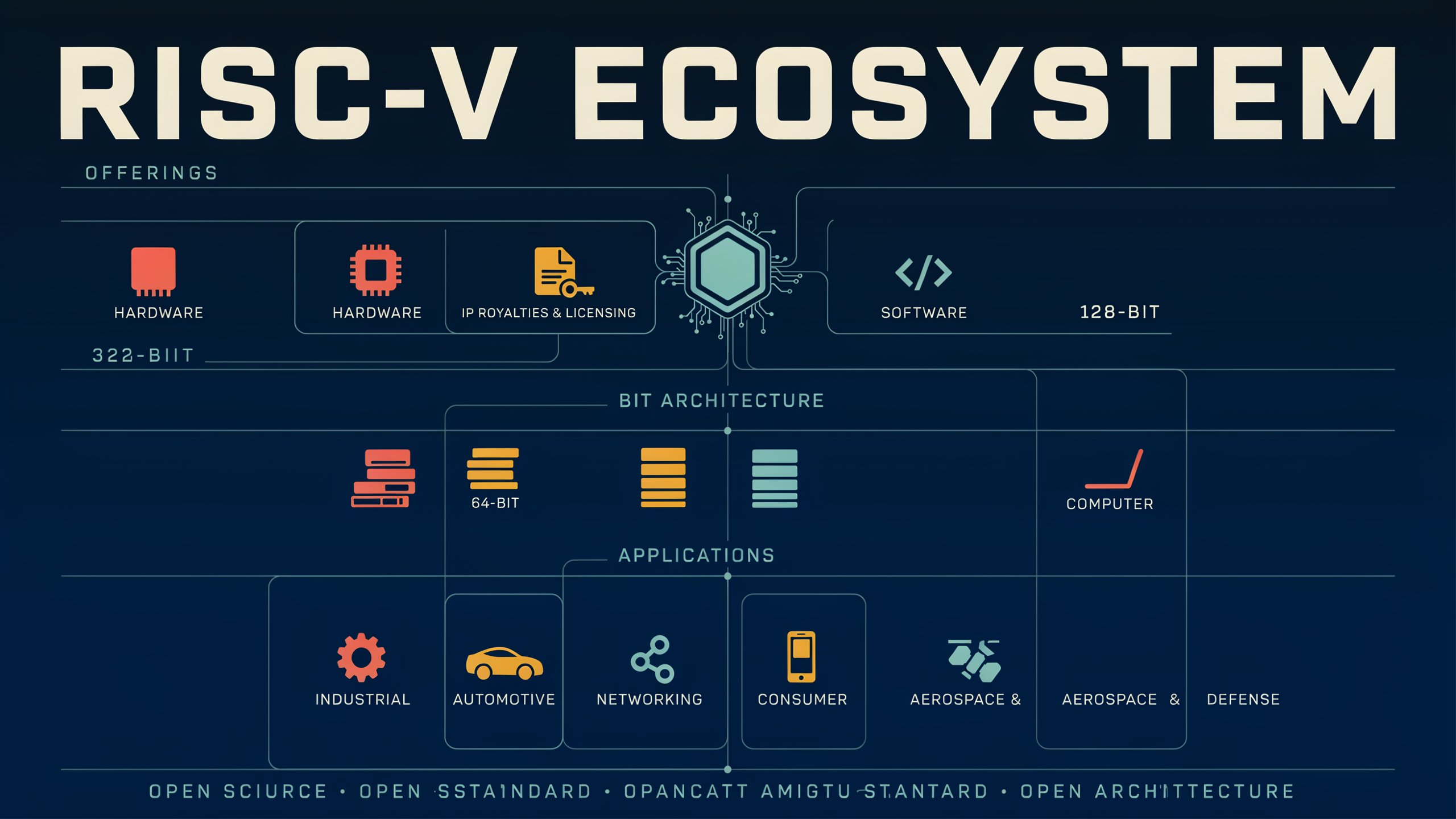
Growing Demand for AI-Optimized RISC-V Processors
AI workloads vary significantly depending on the application, creating demand for processors designed around particular performance, latency, and energy-efficiency requirements. General-purpose processors can support a broad range of operations, but specialized architectures may deliver better efficiency for specific AI tasks. RISC-V enables designers to incorporate custom instructions, vector processing capabilities, and dedicated acceleration features to improve performance for targeted workloads.
AI-optimized RISC-V processors are gaining relevance in applications such as industrial automation, smart cameras, autonomous systems, robotics, consumer electronics, and intelligent sensors. These devices often need to process data locally while operating within strict power and thermal limits. By integrating AI acceleration capabilities with programmable processor cores, manufacturers can develop systems that balance computational performance, flexibility, and energy consumption.
Another important factor is the increasing use of edge AI. Instead of transmitting all collected information to remote cloud infrastructure, edge devices can analyze data locally and generate immediate responses. RISC-V-based processors can support this approach by combining control processing, signal processing, and AI inference capabilities within compact computing platforms.
Inquiry Before Buying @ https://www.marketsandmarkets.com/Enquiry_Before_BuyingNew.asp?id=263639200
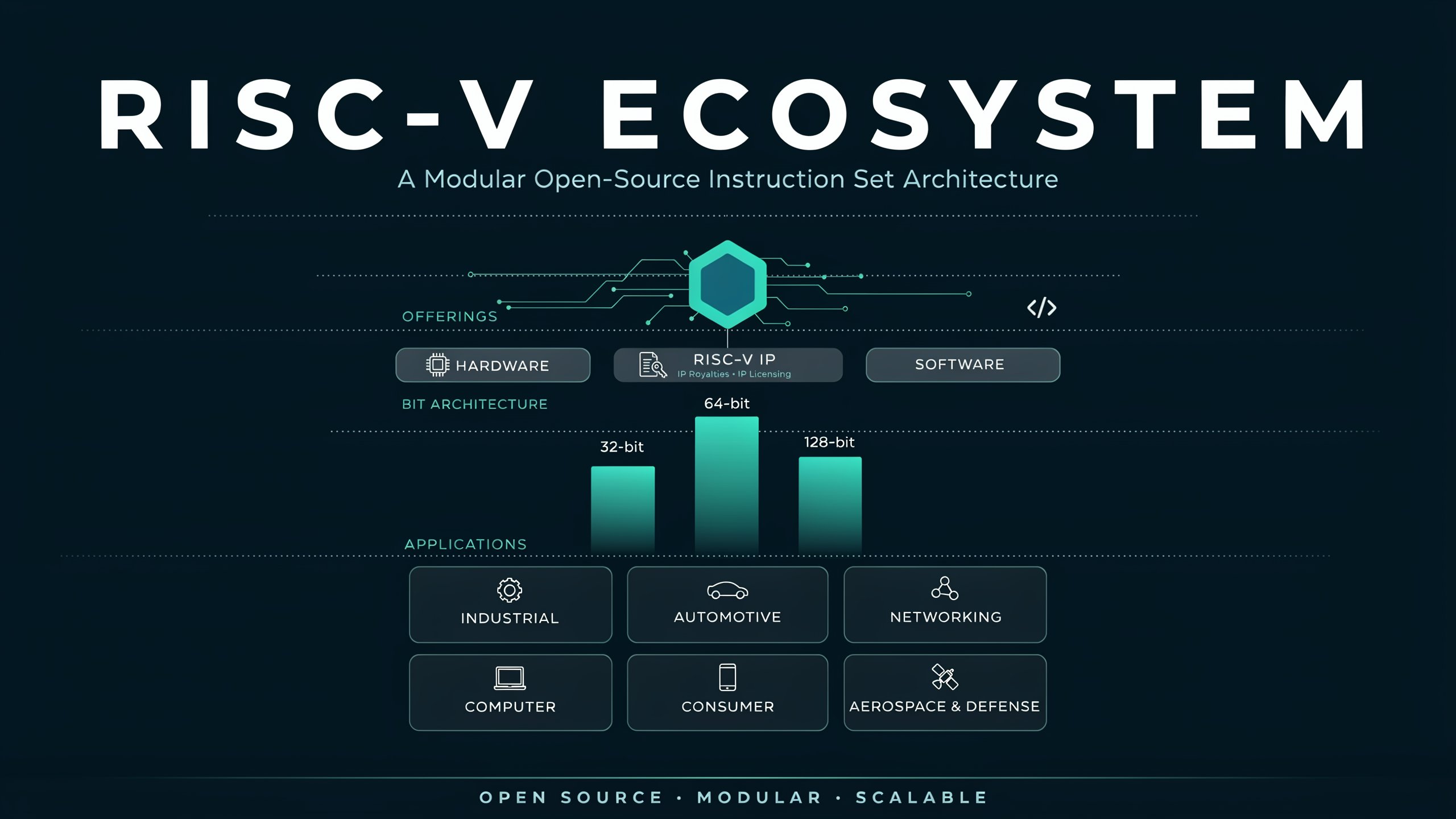
Software Solutions Strengthen the RISC-V Ecosystem
The development of software solutions is essential to the long-term expansion of the RISC-V market. Hardware innovation alone cannot ensure widespread adoption because developers also need mature compilers, operating systems, debugging tools, development environments, and optimized AI frameworks. A strong software ecosystem makes it easier to build, test, deploy, and maintain applications across different RISC-V processor implementations.
Software optimization is particularly important for AI applications, where performance depends on how efficiently models are translated into instructions and executed on the underlying hardware. Compiler improvements, optimized mathematical libraries, quantization techniques, and efficient memory management can help reduce computational overhead. These capabilities are valuable for deploying machine learning models on embedded systems and edge devices with limited resources.
Open-source development is also supporting collaboration across the RISC-V ecosystem. Semiconductor manufacturers, software developers, research institutions, and system integrators can contribute to tools and libraries that improve compatibility and reduce development barriers. However, differences among processor implementations can create software portability challenges. Greater standardization, consistent development tools, and improved support for popular AI frameworks will be important for accelerating commercial adoption.
Role of Customization and Hardware Software Co-Design
Hardware software co-design is becoming an important strategy for developing AI-optimized RISC-V solutions. This approach considers processor architecture, compiler behavior, memory organization, and application requirements together rather than optimizing each component independently. It enables developers to align hardware capabilities with the computational characteristics of specific AI models.
For example, processors designed for computer vision may benefit from efficient vector operations and data movement, while industrial AI systems may prioritize predictable execution, low latency, and reliable real-time performance. Custom instruction extensions can support selected workloads, although excessive customization may increase verification complexity and make software maintenance more difficult.
The modular nature of RISC-V gives developers opportunities to create differentiated processor designs for automotive electronics, healthcare equipment, industrial control systems, and intelligent consumer products. Successful implementations will depend on balancing customization with compatibility, scalability, security, and long-term product support.
View detailed Table of Content here – https://www.marketsandmarkets.com/Market-Reports/risc-v-market-263639200.html
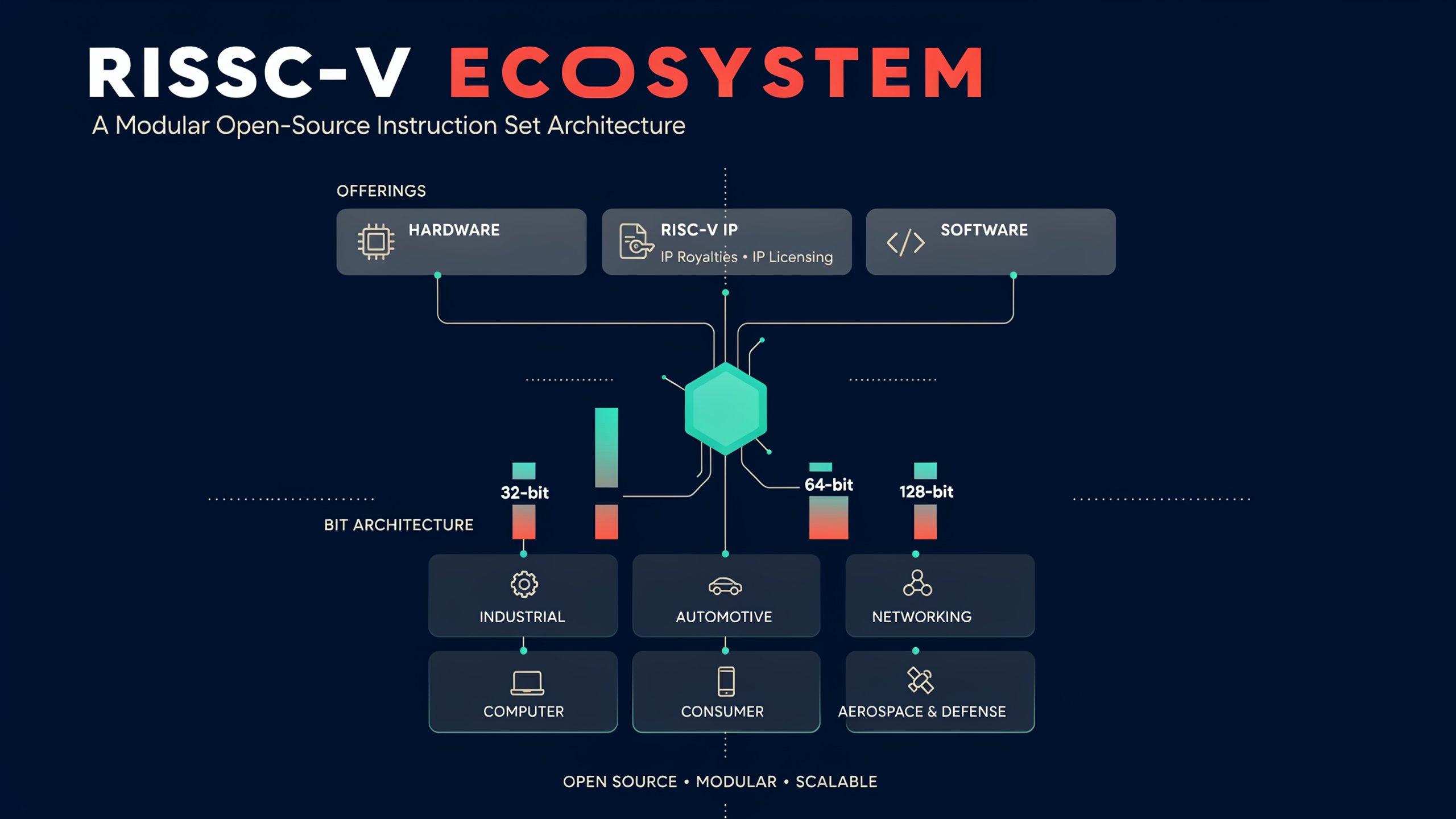
Key Challenges Affecting Market Growth
Despite its potential, the RISC-V market faces several challenges in AI processor and software development. Established processor ecosystems benefit from mature software support, extensive developer communities, and proven deployment histories. RISC-V suppliers must continue improving performance, development tools, debugging capabilities, and integration with widely used software platforms to compete effectively.
AI acceleration also requires careful attention to memory bandwidth, data movement, thermal management, and workload scheduling. Adding specialized processing features does not automatically guarantee superior system performance. Manufacturers must validate complete solutions against realistic workloads, production requirements, and total system costs.
Security and reliability are equally important, particularly in automotive, industrial, and infrastructure applications. Hardware security features, verified software components, dependable update mechanisms, and comprehensive testing can help strengthen confidence in RISC-V-based systems.
Future Outlook for AI-Optimized RISC-V Solutions
The outlook for the RISC-V Industry will increasingly depend on the ability of processor developers and software providers to deliver integrated solutions for emerging AI workloads. Edge intelligence, robotics, industrial automation, smart infrastructure, and connected devices represent important areas of opportunity. As AI inference becomes more widely distributed across devices, demand for flexible and energy-efficient processor designs is likely to remain significant.
Continued improvements in compiler technology, AI libraries, vector processing, and hardware software co-design can strengthen the commercial appeal of RISC-V. Collaboration across the semiconductor and software industries will also help address compatibility and ecosystem maturity challenges.
Overall, AI-optimized processor and software solutions are positioned to play an important role in the evolution of the RISC-V market. The architecture’s flexibility creates opportunities for application-specific innovation, while software development determines how effectively those hardware capabilities translate into practical benefits. Vendors that combine reliable processor designs, efficient AI execution, strong developer tools, and broad software compatibility will be better positioned to capture opportunities across the expanding AI computing landscape.