
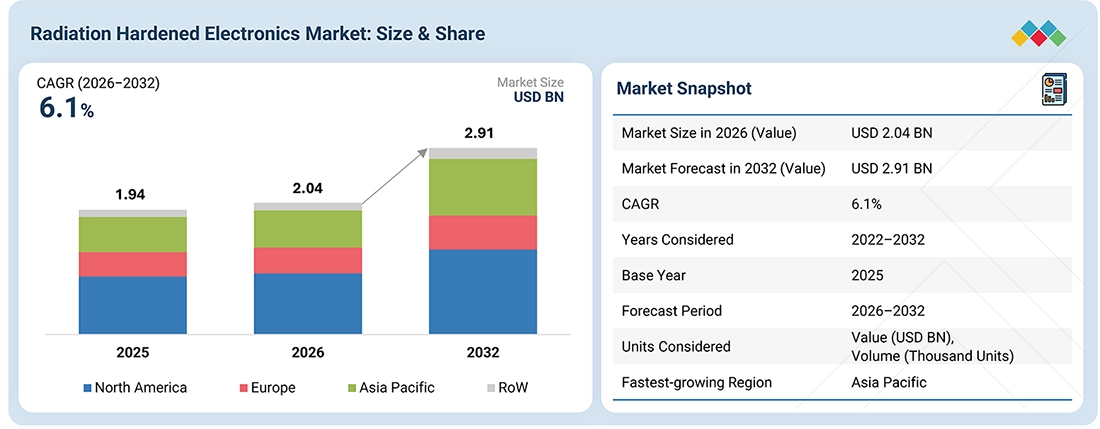
The Radiation Hardened Electronics Market is experiencing steady growth as the global space electronics industry moves toward more sophisticated, autonomous, and highly connected spacecraft. Increasing satellite launches, expanding commercial space activities, growing defense investments, and the development of deep-space exploration missions are creating greater demand for electronics capable of operating reliably under radiation exposure. Radiation hardened components are becoming essential for processors, memory devices, field-programmable gate arrays, power management systems, sensors, and communication electronics used in demanding space environments.
Expansion of Satellite Programs
The rapid expansion of satellite programs is one of the primary trends supporting the Radiation Hardened Electronics Market. Commercial communication networks, Earth observation platforms, navigation systems, scientific satellites, and defense spacecraft are increasing the global demand for reliable electronic systems. Large satellite constellations require electronics that can deliver consistent performance across numerous spacecraft while maintaining low power consumption, compact size, and long operational life.
Growth of Low Earth Orbit Electronics
The increasing deployment of satellites in low Earth orbit is creating significant opportunities for radiation hardened and radiation-tolerant electronics. LEO spacecraft are exposed to radiation conditions that can cause temporary or permanent electronic failures. As operators deploy increasingly capable satellites for broadband connectivity, remote sensing, imaging, and data services, demand is growing for components that can withstand total ionizing dose, single-event effects, and other radiation-related challenges.
Download PDF Brochure @ https://www.marketsandmarkets.com/pdfdownloadNew.asp?id=44047967
Increasing Onboard Computing Requirements
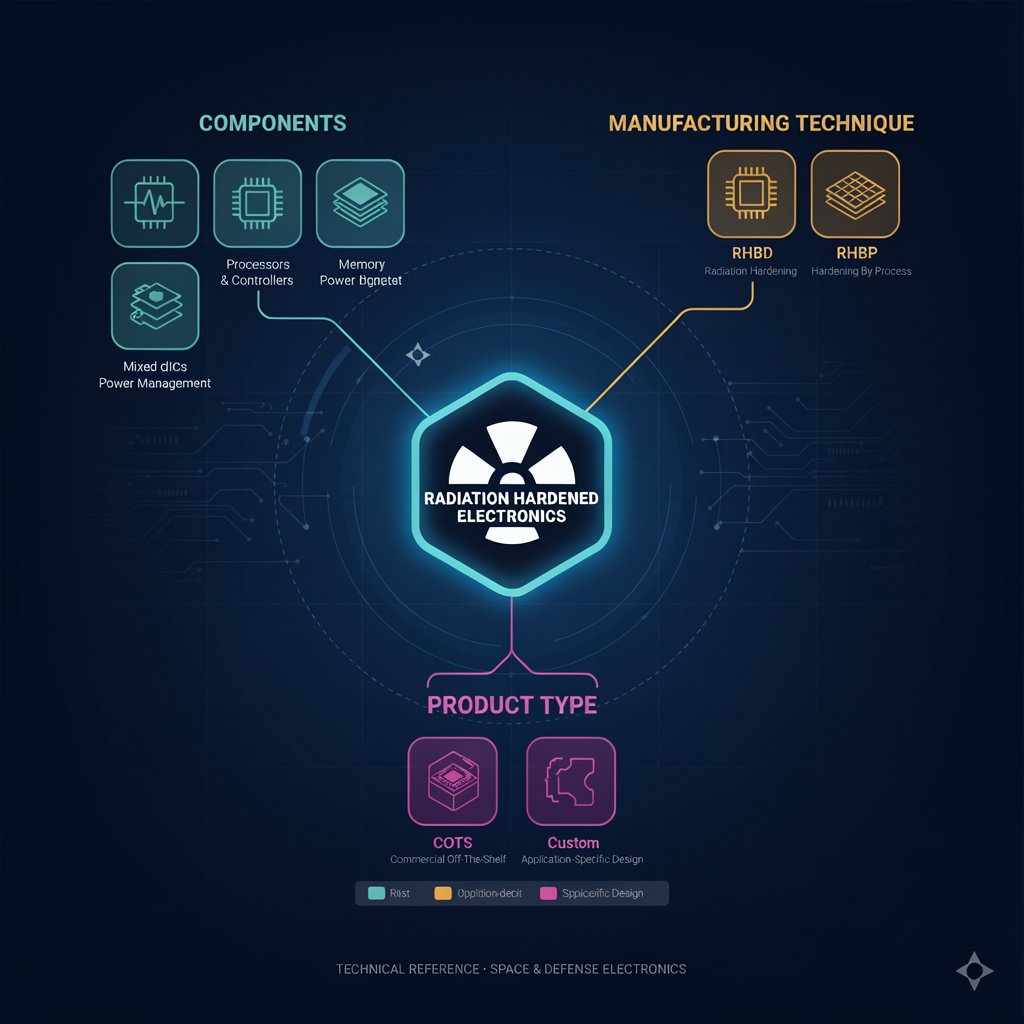
Spacecraft are increasingly processing data onboard rather than transmitting all raw information to ground stations. Advanced processors and FPGAs enable satellites to analyze imagery, signals, telemetry, and sensor information directly in orbit. This trend is increasing the importance of radiation-resistant computing architectures. High-performance processors, memory devices, and programmable logic components must combine computational capability with protection against radiation-induced errors.
Integration of Artificial Intelligence
Artificial intelligence is emerging as an important growth trend across the space electronics industry. AI-enabled satellites can support autonomous navigation, image classification, object detection, anomaly identification, predictive maintenance, and real-time decision-making. These applications require reliable processing resources capable of operating continuously in radiation environments. Radiation hardened electronics therefore provide an important foundation for integrating AI and edge computing into future spacecraft.
Demand for Radiation-Tolerant Memory
Increasing onboard data generation is also strengthening demand for radiation-tolerant memory technologies. Earth observation satellites, scientific instruments, and communication payloads generate substantial volumes of information that must be stored and processed. Radiation can cause memory upsets and data corruption, creating risks for mission performance. Error correction, redundancy, memory scrubbing, and radiation-tolerant memory architectures are consequently becoming more important in advanced spacecraft designs.
Inquiry Before Buying @ https://www.marketsandmarkets.com/Enquiry_Before_BuyingNew.asp?id=44047967
Development of Small and Efficient Components
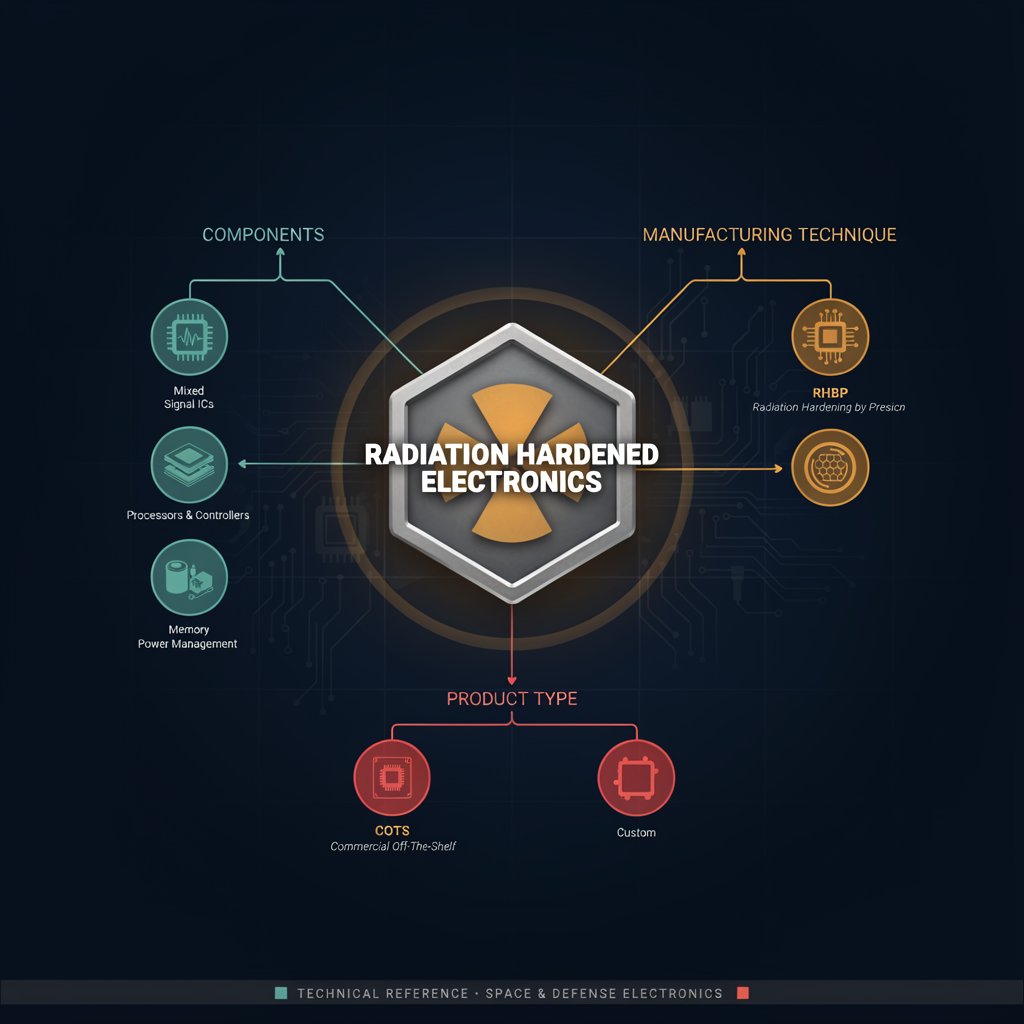
Miniaturization is transforming the global space electronics industry. Satellite manufacturers increasingly seek smaller components that reduce spacecraft mass, power consumption, and overall system size. Radiation hardened semiconductor manufacturers are responding by developing compact processors, FPGAs, power devices, sensors, and integrated circuits with improved performance. Advanced packaging and system-level integration are helping designers achieve greater functionality within increasingly constrained spacecraft platforms.
Rising Defense and Secure Space Investments
Defense organizations are increasing investments in space-based communications, surveillance, navigation, missile warning, intelligence, and resilient satellite architectures. These applications require highly dependable electronics because component failures can affect critical mission capabilities. Radiation hardened electronics can improve system reliability and support secure operation over extended periods, making them increasingly important for military and national security spacecraft.
Commercial Space Industry Development
The commercialization of space is broadening the customer base for radiation hardened electronics. Private companies are developing communication satellites, Earth observation platforms, space-based data services, and specialized spacecraft. Commercial operators are seeking a balance between component reliability, performance, availability, and cost. This is encouraging semiconductor suppliers to develop scalable radiation-tolerant solutions suitable for higher-volume spacecraft production.
View detailed Table of Content here – https://www.marketsandmarkets.com/Market-Reports/radiation-hardened-electronics-market-44047967.html
Advanced Semiconductor Technologies
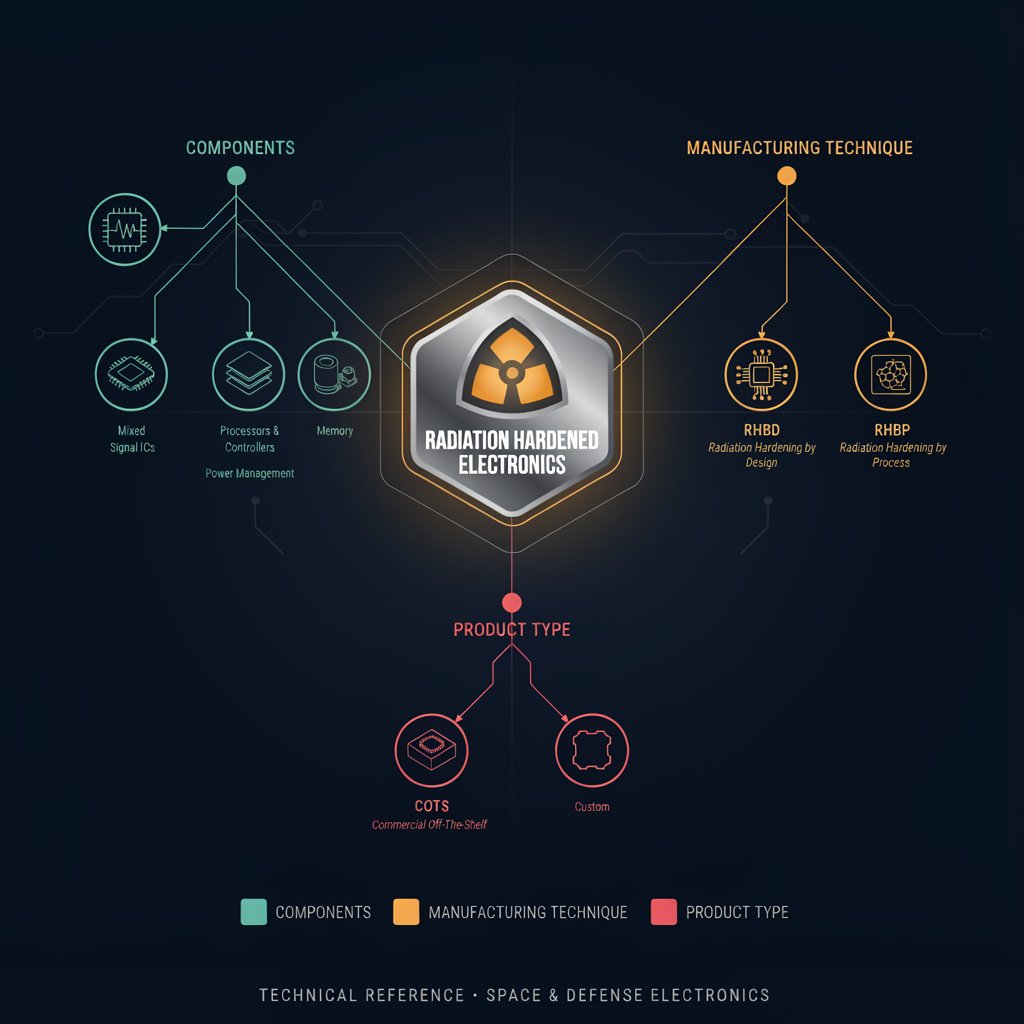
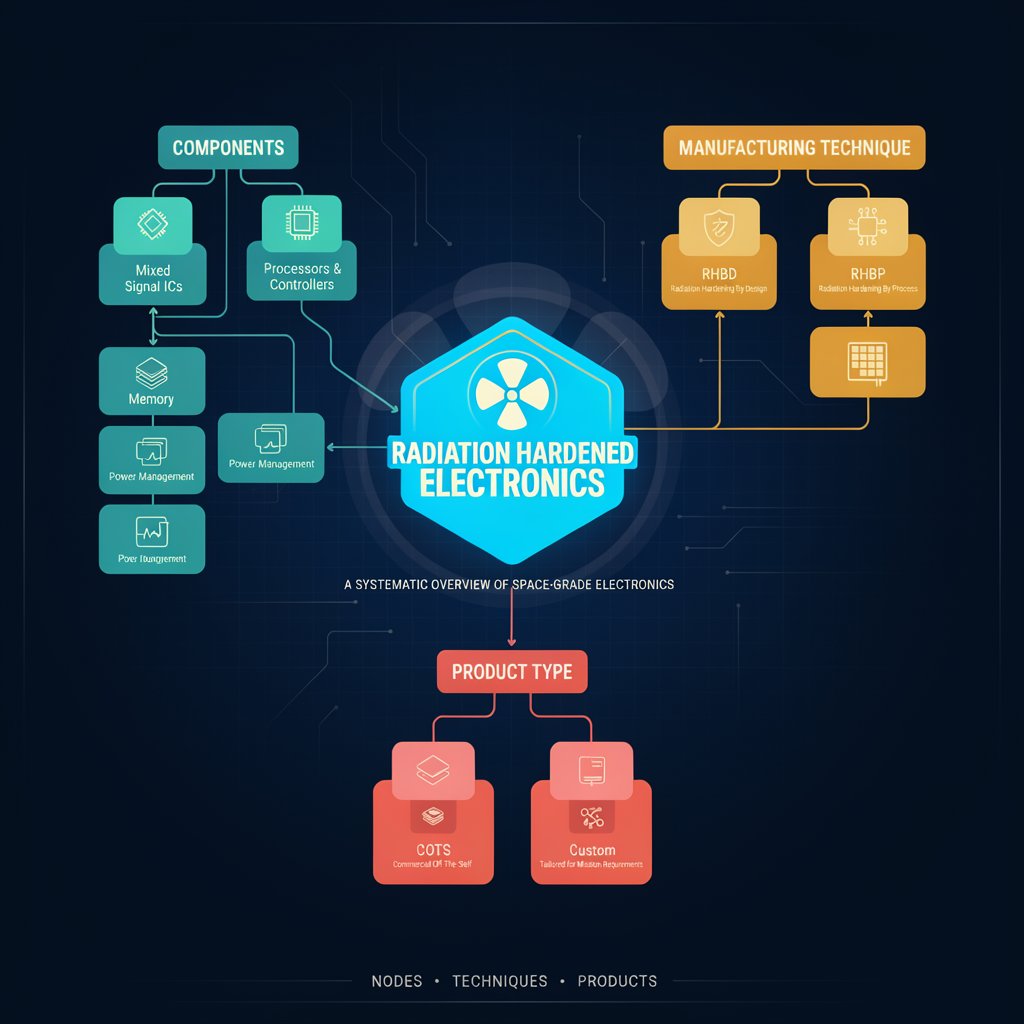
Technological developments in semiconductor manufacturing are supporting market growth by improving radiation resistance while maintaining higher processing performance. Radiation-hardened-by-design techniques, silicon-on-insulator technologies, fault-tolerant architectures, redundancy, specialized circuit layouts, and advanced packaging are helping manufacturers address increasingly complex space computing requirements. These innovations are particularly important as spacecraft incorporate more advanced processors and communication systems.
Growth Across Major Space Applications
The Radiation Hardened Electronics Market is expanding across communications, Earth observation, scientific research, navigation, defense, and exploration missions. Communication satellites require reliable processing and signal-management electronics, while Earth observation systems depend on radiation-resistant imaging and data-processing components. Scientific and exploration missions often operate in more extreme environments, creating demand for advanced radiation protection and high-reliability electronics.
Future Market Outlook
The Radiation Hardened Electronics Industry is expected to benefit from continued growth in the global space electronics industry. Satellite constellation expansion, onboard AI, edge computing, defense modernization, commercial space activities, miniaturization, radiation-tolerant memory, and advanced semiconductor manufacturing will remain important growth trends. As spacecraft become more autonomous, data-intensive, and interconnected, the need for dependable electronics capable of surviving radiation exposure will increase. Radiation hardened technologies will therefore remain a critical component of next-generation space infrastructure, supporting longer mission lifetimes, improved reliability, and increasingly sophisticated capabilities across the global space industry.