
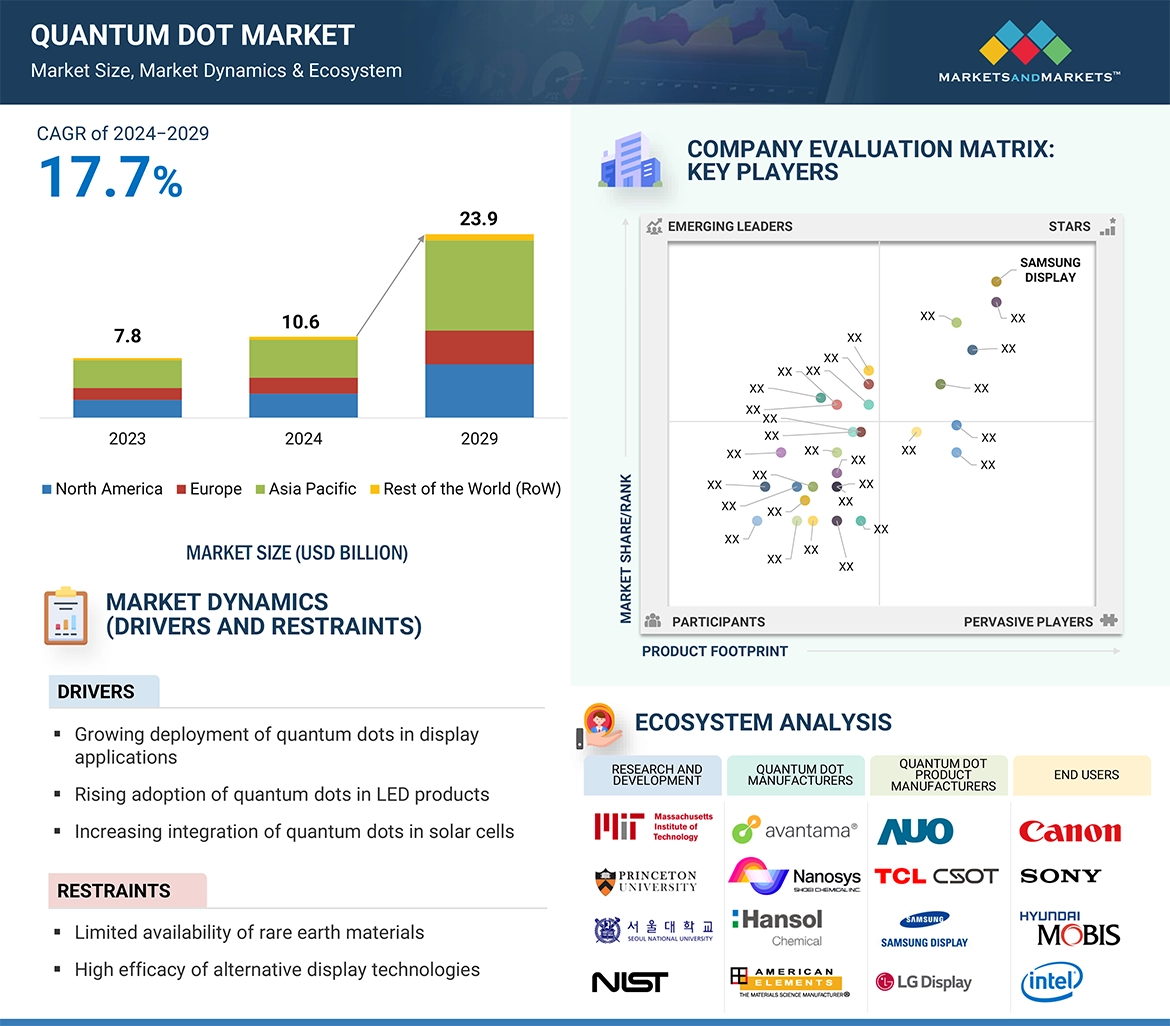
The Quantum Dot Market is gaining significant traction in flexible and foldable display technologies as manufacturers push the boundaries of design innovation and user experience. The emergence of flexible electronics has transformed the display industry, enabling new form factors such as foldable smartphones, rollable televisions, and wearable screens. In this evolving landscape, quantum dots are playing a critical role by delivering superior optical performance while supporting the mechanical flexibility required for these advanced applications. Their integration into flexible display architectures is driving new trends and expanding the scope of the quantum dot market.
One of the most important trends is the increasing demand for high-performance displays that can maintain visual quality even under mechanical stress. Flexible and foldable displays must withstand repeated bending and folding without compromising brightness, color accuracy, or resolution. Quantum dots, known for their precise light emission and stability, enhance display performance by providing consistent color output and high brightness levels. This makes them particularly suitable for applications where maintaining visual integrity is essential, such as foldable smartphones and next-generation wearable devices.
Download PDF Brochure @ https://www.marketsandmarkets.com/pdfdownloadNew.asp?id=694
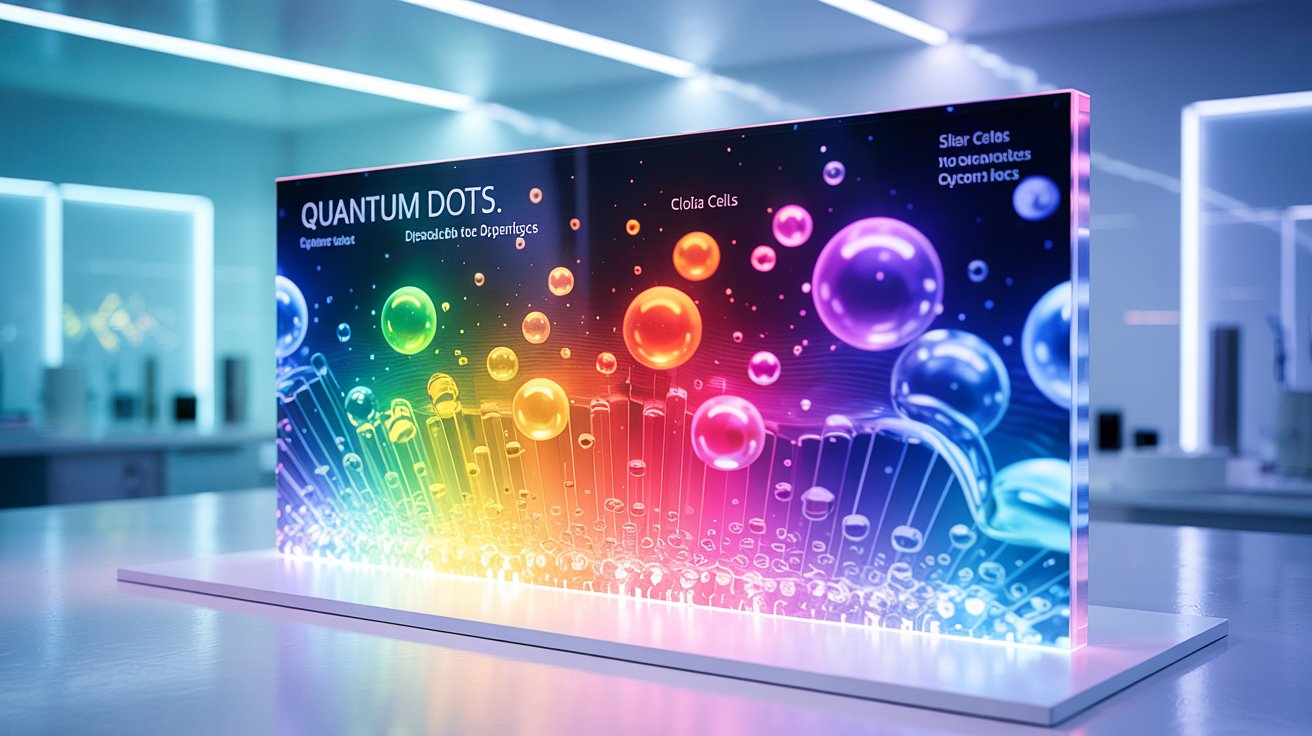
The shift toward ultra-thin and lightweight display panels is also supporting the adoption of quantum dot technologies. Flexible displays require materials that can be integrated into thin-film structures without adding bulk or reducing flexibility. Quantum dots can be incorporated into display layers through advanced techniques such as inkjet printing and solution-based deposition, allowing for seamless integration into flexible substrates. This capability enables manufacturers to design sleek and compact devices while maintaining high display performance, aligning with consumer preferences for portability and aesthetics.
Another key trend is the convergence of quantum dot technology with organic light-emitting diode architectures. Hybrid display systems that combine quantum dots with OLED technology are emerging as a powerful solution for flexible and foldable displays. These systems leverage the self-emissive properties of OLEDs along with the color enhancement capabilities of quantum dots, resulting in displays that offer deep contrast, vibrant colors, and high efficiency. This combination is particularly attractive for premium devices, where performance and visual quality are critical differentiators.
Durability and reliability are central challenges in flexible display development, and quantum dots are contributing to advancements in these areas. Modern quantum dot materials are being engineered with improved stability and resistance to environmental factors such as moisture and heat. Encapsulation techniques are also being developed to protect quantum dots within flexible display structures, ensuring long-term performance. These innovations are helping to address concerns related to the lifespan of foldable devices, making quantum dot technologies more viable for commercial applications.
Inquiry Before Buying @ https://www.marketsandmarkets.com/Enquiry_Before_BuyingNew.asp?id=694

Energy efficiency is another important factor driving the adoption of quantum dots in flexible and foldable displays. As devices become more compact and portable, optimizing power consumption is essential to extend battery life. Quantum dots enhance light conversion efficiency, enabling displays to achieve higher brightness with lower energy input. This is particularly beneficial for foldable smartphones and wearable devices, where battery capacity is limited. Improved energy efficiency not only enhances user experience but also aligns with broader sustainability goals.
The growing popularity of foldable smartphones is a major driver of quantum dot market growth in this segment. Leading device manufacturers are investing in foldable designs to differentiate their products and offer new user experiences. These devices require advanced display technologies that can deliver high performance in both folded and unfolded states. Quantum dot-based displays provide the necessary flexibility and visual quality, making them a key component in the development of foldable devices. As consumer adoption of these products increases, demand for quantum dot technologies is expected to rise.
Wearable technology is another where flexible displays and quantum dots are converging. Devices such as smartwatches, fitness trackers, and smart clothing require displays that can conform to different shapes and surfaces. Quantum dots enable high-quality visual output in these flexible factors, supporting innovative designs and applications. As wearable technology continues to evolve, the integration of quantum dot displays is expected to become more widespread.
View detailed Table of Content here – https://www.marketsandmarkets.com/Market-Reports/quantum-dots-qd-market-694.html

Manufacturing advancements are also playing a crucial role in enabling the use of quantum dots in flexible displays. Scalable production techniques and improved material formulations are reducing costs and enhancing consistency. Roll-to-roll processing and printing methods are being developed to produce flexible quantum dot displays at scale, making them more accessible to the mass market. These innovations are accelerating the commercialization of flexible and foldable display technologies.
Despite the promising outlook, challenges such as high production costs, material degradation, and complex integration processes remain. However, ongoing research and development efforts are focused on overcoming these barriers. Improvements in material stability, encapsulation, and manufacturing efficiency are expected to address these challenges and support long-term growth in the market.
Quantum dot technologies are playing a vital role in shaping the future of flexible and foldable displays. Their ability to enhance color performance, brightness, and energy efficiency while supporting flexible requirements is driving their adoption across various applications. As innovation continues and manufacturing processes improve, quantum dots are expected to become a cornerstone of next-generation display technologies, fueling growth in the global quantum dot market and enabling new possibilities in device design and user experience.