
The global food production landscape is undergoing a massive transformation driven by technology and sustainability needs. Precision aquaculture industry analysis reveals a sector poised for exponential growth as traditional fish farming methods struggle with environmental and economic pressures. This analytical deep dive covers current market dynamics, technological innovations, and future projections shaping how aquatic protein is cultivated. Farmers and investors are increasingly turning to data driven solutions to monitor water quality, feeding patterns, and fish health in real time. The precision aquaculture industry analysis shows that reducing waste and maximizing yield are the primary goals of this technological shift. By 2030, the industry is expected to contribute significantly to global seafood security while minimizing ecological footprints.
Current Market Valuation and Growth Drivers
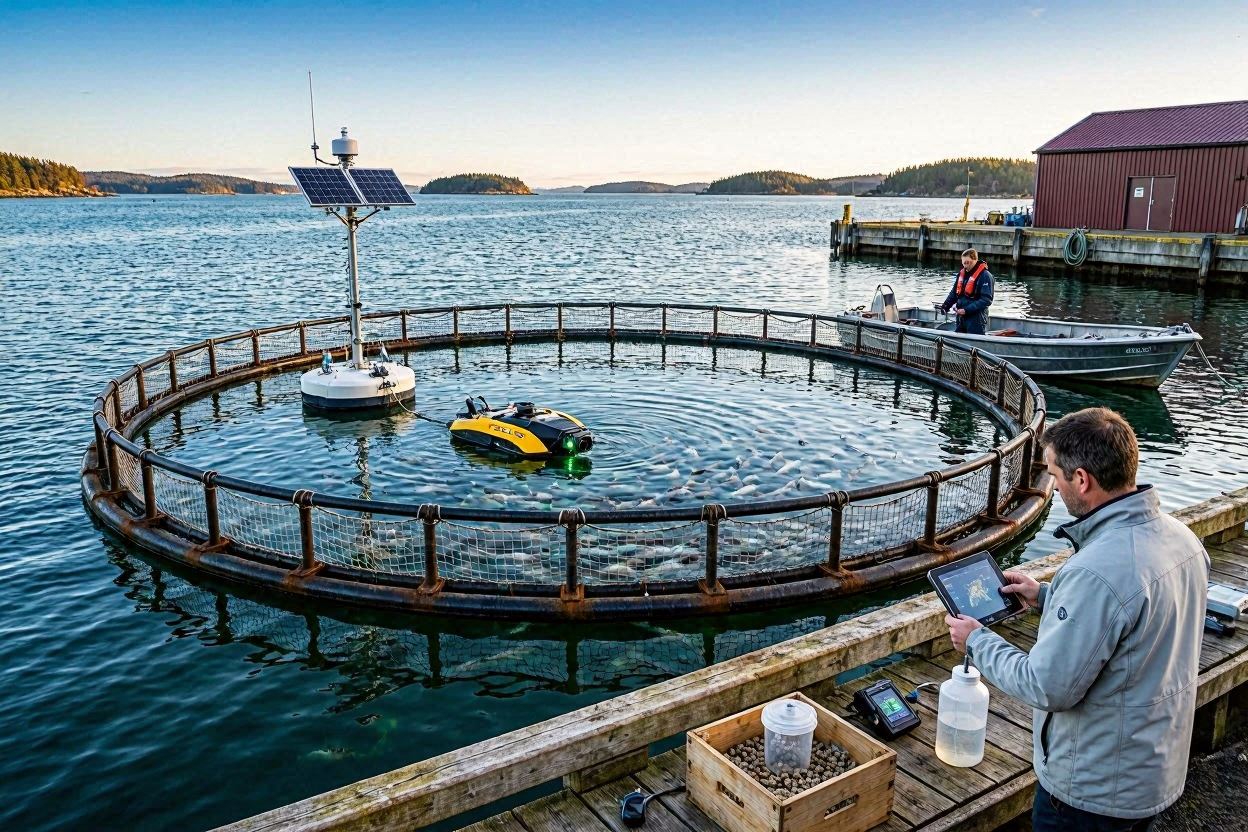
The global precision aquaculture market is projected to grow from USD 0.85 billion in 2025 to USD 1.43 billion by 2030, at a CAGR of 11.1%. This precision aquaculture industry analysis identifies several key drivers including rising seafood demand, declining wild fish stocks, and stricter environmental regulations. Governments in Norway, Chile, and China are subsidizing smart farming technologies to boost domestic production sustainably. Additionally, consumer preference for traceable and eco friendly seafood products pushes producers to adopt precision tools. The integration of artificial intelligence and Internet of Things sensors has reduced mortality rates by up to 30 percent in pilot projects. Such compelling benefits ensure that the precision aquaculture industry analysis remains a top priority for venture capitalists and agritech firms.
Core Technologies Reshaping Modern Fish Farming
Several breakthrough technologies form the backbone of precision aquaculture today. Underwater drones equipped with high resolution cameras and sonar provide continuous visual data on fish behavior and biomass estimation. Automated feeding systems use machine learning algorithms to dispense exact feed quantities, reducing feed costs by 20 to 25 percent. Real time water quality sensors monitor dissolved oxygen, pH, ammonia, and temperature, sending alerts to farmers via cloud platforms. Acoustic telemetry tracks individual fish movement, helping detect early signs of stress or disease. Computer vision systems analyze feeding intensity and adjust distribution automatically without human intervention. These tools collectively enable a level of control that was impossible a decade ago. The precision aquaculture industry analysis confirms that integrated platforms combining all these sensors are the fastest growing segment in the market.
Key Benefits and Operational Efficiencies Adopted Worldwide
Adopting precision aquaculture delivers measurable operational and environmental benefits that drive industry wide change. Farms using smart feeding systems report feed conversion ratio improvements from 1.8 to 1.4, meaning less waste and lower production costs. Mortality rates drop significantly because early disease detection algorithms catch outbreaks before they spread. Water usage becomes more efficient through automated recirculating aquaculture systems that recycle up to 99 percent of water volume. Labor costs reduce by automating routine monitoring tasks, allowing staff to focus on strategic decisions. Environmental compliance becomes easier with digital logs of all discharge and chemical usage parameters. The precision aquaculture industry analysis highlights that these efficiencies translate into 15 to 20 percent higher profit margins for early adopters. Such compelling economics explain why traditional farms are rapidly retrofitting their operations with smart sensors and analytics.
Precision Aquaculture Industry Analysis by Farm Type and Species
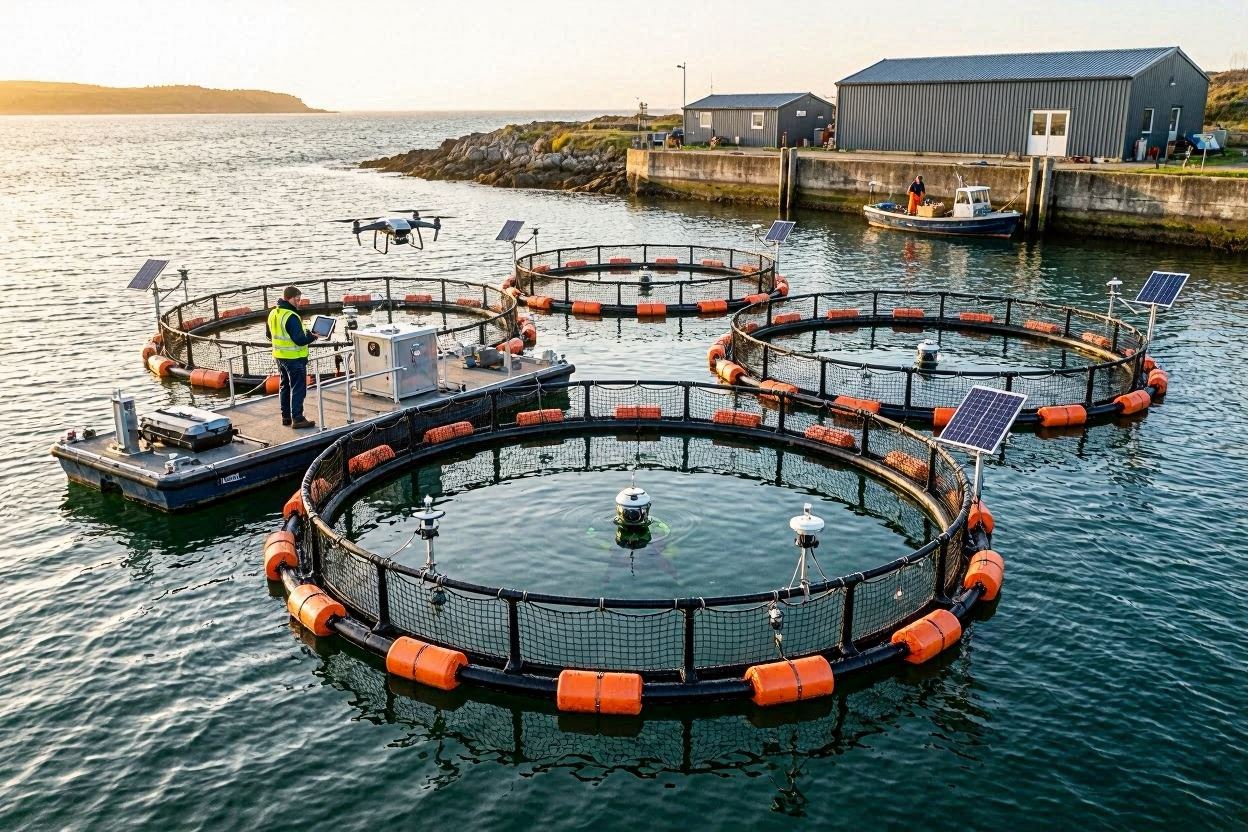
Different farm types show varying adoption rates and technology needs according to our precision aquaculture industry analysis. Land based recirculating aquaculture systems are the most advanced users, leveraging full automation for species like Atlantic salmon and shrimp. Offshore cage farms are increasingly adopting drone monitoring and automated feeders due to harsh operating conditions. Pond based farms in Asia are deploying low cost sensor networks and mobile based analytics for tilapia and catfish production. Species specific requirements also shape technology development, with high value species like tuna and eel receiving premium precision solutions. The precision aquaculture industry analysis indicates that shrimp farming has the fastest growing precision technology adoption due to its susceptibility to viral outbreaks. Each farm type requires customized sensor placements, connectivity solutions, and data interpretation models. Vendors that offer modular and scalable systems are winning the largest market share in this diverse landscape.
Regional Market Breakdown and Leading Nations
Geographically, the precision aquaculture industry analysis reveals distinct leadership patterns and growth hotspots across continents. Norway remains the undisputed leader with over 60 percent of its salmon farms using full scale precision systems integrated with government data platforms. China is rapidly catching up, deploying thousands of smart feeding and water quality monitoring units across its vast inland and coastal farms. Chile ranks third, focusing on precision technologies to combat sea lice outbreaks that have plagued its salmon industry for years. Europe as a whole benefits from strong regulatory support and research funding through Horizon Europe programs. North America shows steady growth led by land based salmon farms in the United States and trout operations in Canada. Asia Pacific excluding China is the fastest growing region, with Vietnam, Indonesia, and India investing heavily in affordable precision tools. The precision aquaculture industry analysis predicts that by 2030, Asia will account for nearly half of global precision aquaculture revenues.
Download PDF Brochure @ https://www.marketsandmarkets.com/pdfdownloadNew.asp?id=242307580
Economic Impact and Return on Investment Calculations
Understanding the financial aspects is crucial for any stakeholder reviewing precision aquaculture industry analysis data. Initial setup costs for a medium sized farm range from 50,000 to 200,000 dollars depending on sensor density and automation level. However, most farms achieve payback periods between 18 to 30 months through feed savings and mortality reduction alone. Annual operational cost reductions average 25 percent for feed, 15 percent for labor, and 30 percent for veterinary treatments. Insurance premiums are often lower for precision equipped farms because risk profiles improve with continuous monitoring. Additionally, certified precision farmed products command price premiums of 10 to 15 percent in European and North American retail markets. The precision aquaculture industry analysis shows that farms failing to adopt these technologies risk becoming uncompetitive within five years. Lenders and investors increasingly require precision aquaculture adoption plans before financing new projects.
Challenges Limiting Widespread Adoption
Despite clear benefits, several significant barriers emerge from this precision aquaculture industry analysis. High upfront capital costs remain the number one deterrent for small and medium sized farms in developing nations. Lack of technical skills among farm workers creates implementation bottlenecks, as many systems require data science knowledge. Connectivity issues plague offshore and remote pond locations where cellular and satellite internet are unreliable. Data interoperability problems arise when sensors from different manufacturers cannot share information on a single dashboard. Cybersecurity risks increase as farms become more connected, potentially allowing malicious attacks on feeding or oxygen systems. Regulatory frameworks in many countries have not yet caught up with digital farming practices, creating legal gray areas. The precision aquaculture industry analysis emphasizes that overcoming these challenges requires industry wide standards, training programs, and government subsidies. Collaborative efforts between tech providers and farming communities are slowly addressing these adoption hurdles.
Future Trends and Innovations on the Horizon
Looking forward, the precision aquaculture industry analysis identifies several emerging trends that will redefine the sector by 2035. Blockchain integration will enable full product traceability from egg to plate, satisfying consumer demands for transparency. Artificial intelligence will evolve from descriptive analytics to prescriptive recommendations, telling farmers exactly when to harvest or treat. Robotic cleaners and net inspectors will reduce diver risks and improve cage maintenance schedules automatically. Genetic selection algorithms will pair with performance data to breed disease resistant and fast growing fish strains. Edge computing devices will process sensor data locally, reducing dependency on cloud connectivity for critical alarms. The precision aquaculture industry analysis also notes rising interest in integrated multi trophic aquaculture where sensors manage multiple species together. These innovations promise to further lower costs while raising environmental standards across global seafood production.
Sustainability Outcomes and Environmental Metrics
Environmental performance is a core focus area of any responsible precision aquaculture industry analysis. Precision feeding reduces nutrient pollution by matching feed supply precisely to fish demand, lowering nitrogen and phosphorus discharge. Early disease detection minimizes the need for antibiotics and chemical treatments, preserving surrounding water quality. Smart aeration systems cut energy consumption by operating only when oxygen levels drop below thresholds. Real time mortality alerts enable instant dead fish removal, preventing water contamination from decomposition. Remote monitoring reduces boat trips to offshore cages, lowering carbon emissions from diesel engines. The precision aquaculture industry analysis reveals that certified precision farms have 40 percent lower environmental impact scores compared to conventional farms. These measurable improvements align with United Nations Sustainable Development Goals for responsible consumption and production. As carbon credit markets mature, precision aquaculture farms may earn additional revenue from verified emission reductions.
Investment Landscape and Mergers Acquisitions
The financial community has taken keen notice of trends highlighted in this precision aquaculture industry analysis. Venture capital funding for aquaculture technology startups reached 850 million dollars in 2025, a 35 percent increase from the previous year. Major mergers include sensor manufacturers buying data analytics platforms to offer end to end solutions. Established feed companies are acquiring precision feeding startups to lock in future revenue streams. Publicly traded aquaculture producers have seen their share prices rise after announcing precision technology rollouts. Private equity firms are forming specialized funds focused solely on sustainable seafood technology investments. The precision aquaculture industry analysis indicates that the most active investors are based in Norway, Singapore, and California. Exit strategies typically involve acquisition by larger agritech corporations or direct listings on stock exchanges. This vibrant investment climate ensures continuous innovation and cost reduction in precision aquaculture tools.
Conclusion and Strategic Recommendations
Summing up this comprehensive precision aquaculture industry analysis, the sector stands at an inflection point between traditional methods and digital transformation. Farms that start their precision journey today will gain competitive advantages that become insurmountable for late adopters. Key strategic recommendations include beginning with small pilot projects on single ponds or cages before scaling farm wide. Partnering with university extension programs can provide affordable technical training and troubleshooting support. Prioritizing feed and oxygen monitoring first delivers the fastest return on investment for budget constrained farms. Joining industry consortia helps smaller producers share data and benchmark performance anonymously. Governments should create tax incentives and low interest loans specifically for precision aquaculture equipment purchases. The precision aquaculture industry analysis concludes that the next five years will determine which producers thrive and which fall behind. With global seafood demand rising and wild catches plateauing, precision aquaculture is not optional but essential for future food security.
FAQs Section
What is precision aquaculture?
Precision aquaculture is a data driven farming approach that uses sensors, automation, and artificial intelligence to monitor and control fish rearing environments. It optimizes feeding, water quality, health management, and harvesting to maximize yield while minimizing waste and environmental impact.
How does IoT improve fish farming efficiency? Internet of Things devices continuously measure parameters like dissolved oxygen, temperature, and ammonia levels. They send real time alerts to farmers, automate feeding schedules, and track fish behavior patterns. This reduces mortality, lowers feed costs, and prevents disease outbreaks before they spread.
What is the current market size of precision aquaculture?
The global precision aquaculture market is projected to grow from USD 0.85 billion in 2025 to USD 1.43 billion by 2030, at a CAGR of 11.1%.
Which region leads in precision aquaculture adoption?
Norway currently leads with over 60 percent of its salmon farms using integrated precision systems. China is the fastest growing major market, while Southeast Asian countries are rapidly adopting lower cost sensor networks for shrimp and tilapia farming operations.
What are the main challenges in implementing precision aquaculture?
Primary challenges include high upfront equipment costs, lack of technical training among farm workers, poor internet connectivity in remote locations, and data compatibility issues between different sensor brands. Cybersecurity risks and unclear regulations also slow adoption rates in some countries.
How does AI contribute to disease prediction in aquaculture?
Artificial intelligence algorithms analyze historical sensor data, feeding patterns, and fish movement to identify anomalies that precede disease outbreaks. The system sends early warnings to farmers, allowing targeted treatments before the disease spreads through the entire stock.