
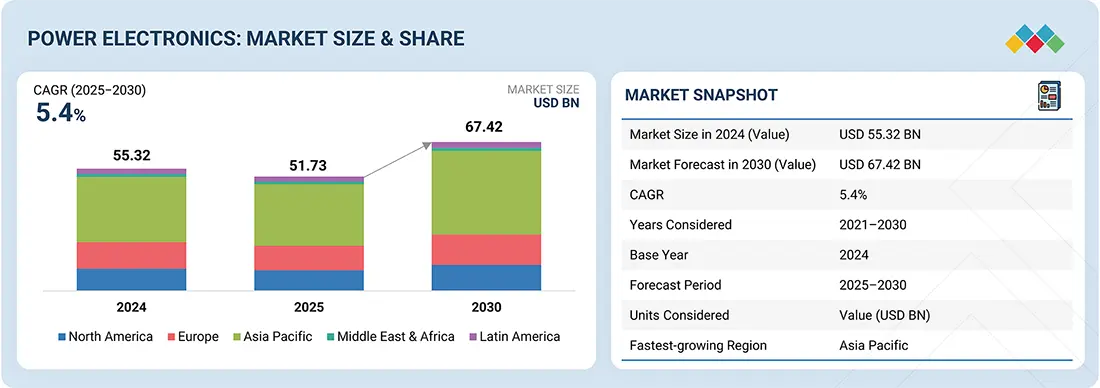
The global Power Electronics Market is evolving rapidly, driven by the dual imperatives of cost reduction and performance optimization. As industries increasingly rely on efficient energy conversion and management systems, manufacturers are focusing on delivering high-performance solutions at competitive costs. This balance between affordability and efficiency is shaping the future of power electronics, influencing design strategies, material choices, manufacturing processes, and overall market dynamics. The ongoing push toward electrification, renewable energy integration, and digital transformation is further intensifying the need for optimized power electronic systems.
One of the primary approaches to cost reduction in the power electronics market is the advancement of manufacturing technologies. Automation, process optimization, and high-volume production are enabling manufacturers to achieve economies of scale. The establishment of large-scale fabrication facilities and the adoption of standardized production methods are significantly lowering the cost per unit. These improvements are particularly important in high-demand sectors such as electric vehicles and consumer electronics, where cost competitiveness is essential for mass adoption. As production volumes continue to increase, the overall cost of power electronic components is expected to decline further.
Download PDF Brochure @ https://www.marketsandmarkets.com/pdfdownloadNew.asp?id=204729766
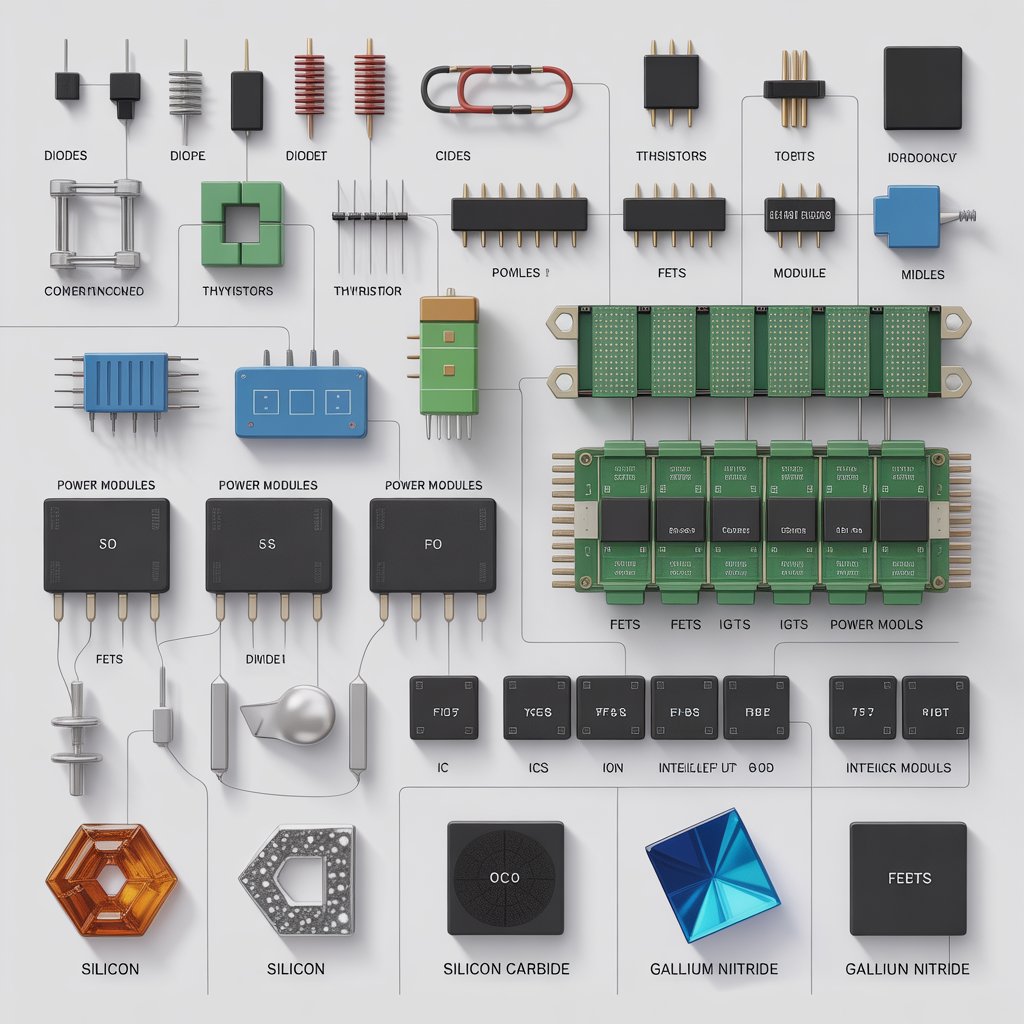
Material innovation is also playing a critical role in balancing cost and performance. While traditional silicon-based devices remain cost-effective and widely used, the adoption of advanced materials such as silicon carbide and gallium nitride is growing due to their superior performance characteristics. These materials offer higher efficiency, faster switching speeds, and better thermal management, which contribute to improved system performance. Although the initial cost of wide-bandgap materials is higher, their ability to reduce energy losses and improve reliability can lead to lower total cost of ownership over time. As manufacturing processes for these materials mature, their costs are expected to decrease, making them more accessible for a broader range of applications.
Design optimization is another key factor contributing to both cost reduction and performance enhancement. Engineers are focusing on creating more efficient circuit designs that minimize energy losses and reduce the number of components required. Integration of multiple functions into single modules or chips is helping to simplify system architecture, lower material usage, and reduce assembly costs. Advanced simulation and modeling tools are enabling designers to optimize performance before physical production, reducing development time and costs while improving product reliability.
Thermal management innovations are also essential for optimizing performance in power electronics. Efficient heat dissipation is critical for maintaining system reliability and extending component lifespan. Advances in cooling technologies, including improved heat sinks, liquid cooling systems, and innovative packaging solutions, are enabling devices to operate at higher power levels without compromising safety. By improving thermal efficiency, these solutions reduce the need for oversized components, contributing to both cost savings and performance gains.
Inquiry Before Buying @ https://www.marketsandmarkets.com/Enquiry_Before_BuyingNew.asp?id=204729766
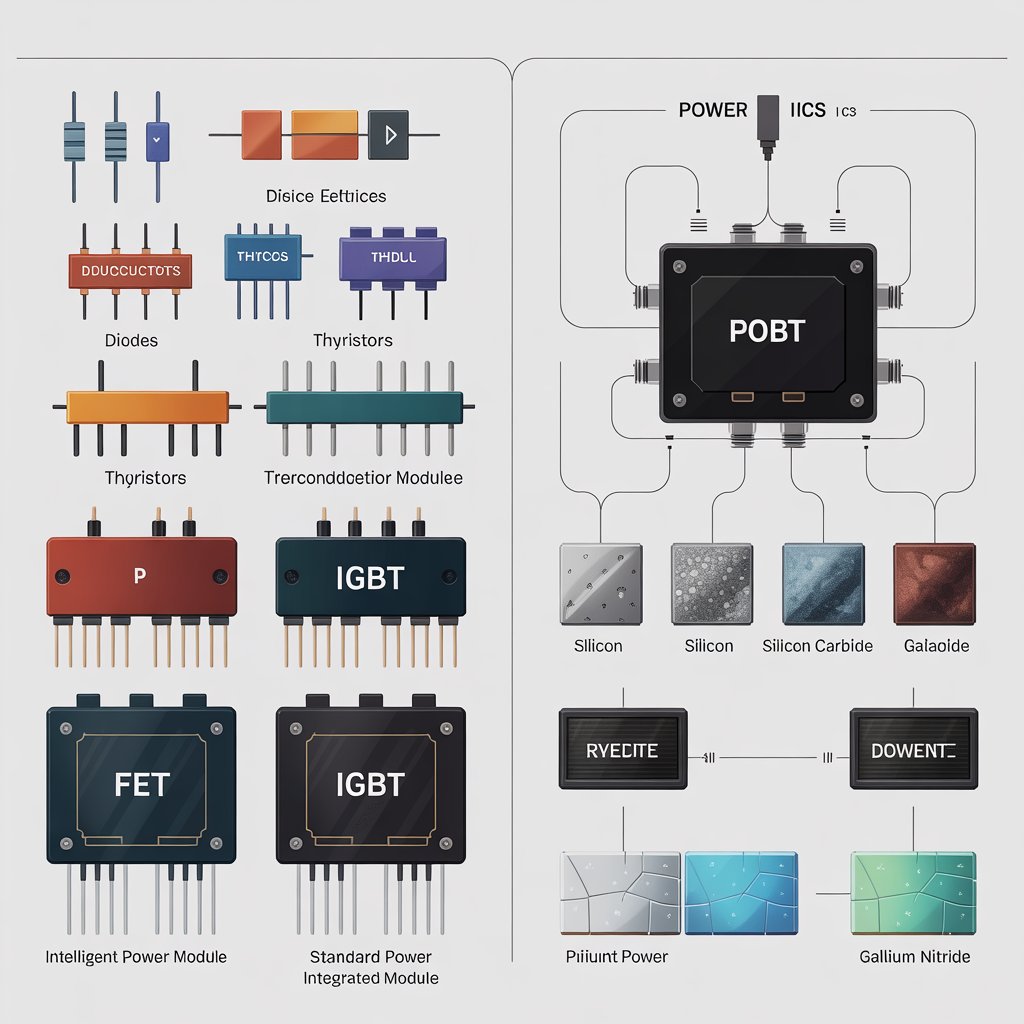
Digitalization and intelligent control systems are transforming how power electronics operate and are maintained. The integration of microcontrollers, sensors, and software-based control systems allows for real-time monitoring and optimization of performance. These systems can dynamically adjust operating parameters to maximize efficiency and minimize energy losses. Predictive maintenance capabilities, enabled by data analytics and artificial intelligence, help identify potential issues before they lead to failures, reducing downtime and maintenance costs. This combination of digital intelligence and power electronics is enhancing overall system efficiency and cost-effectiveness.
Supply chain optimization is another important aspect of cost reduction in the power electronics market. Manufacturers are working to secure reliable sources of raw materials, streamline logistics, and reduce dependency on limited suppliers. Strategic partnerships and vertical integration are helping companies gain better control over production costs and ensure consistent quality. These efforts are particularly important in the context of global supply chain disruptions, which can impact both cost and availability of components.
The growing demand for energy efficiency is also influencing cost and performance strategies. Regulatory requirements and sustainability goals are pushing manufacturers to develop power electronic systems that consume less energy and generate fewer emissions. While achieving higher efficiency may involve initial investments, the long-term benefits in terms of reduced energy consumption and operational costs make these solutions highly attractive. This focus on efficiency is driving innovation and encouraging the adoption of advanced technologies that deliver superior performance.
View detailed Table of Content here – https://www.marketsandmarkets.com/Market-Reports/power-electronics-market-204729766.html
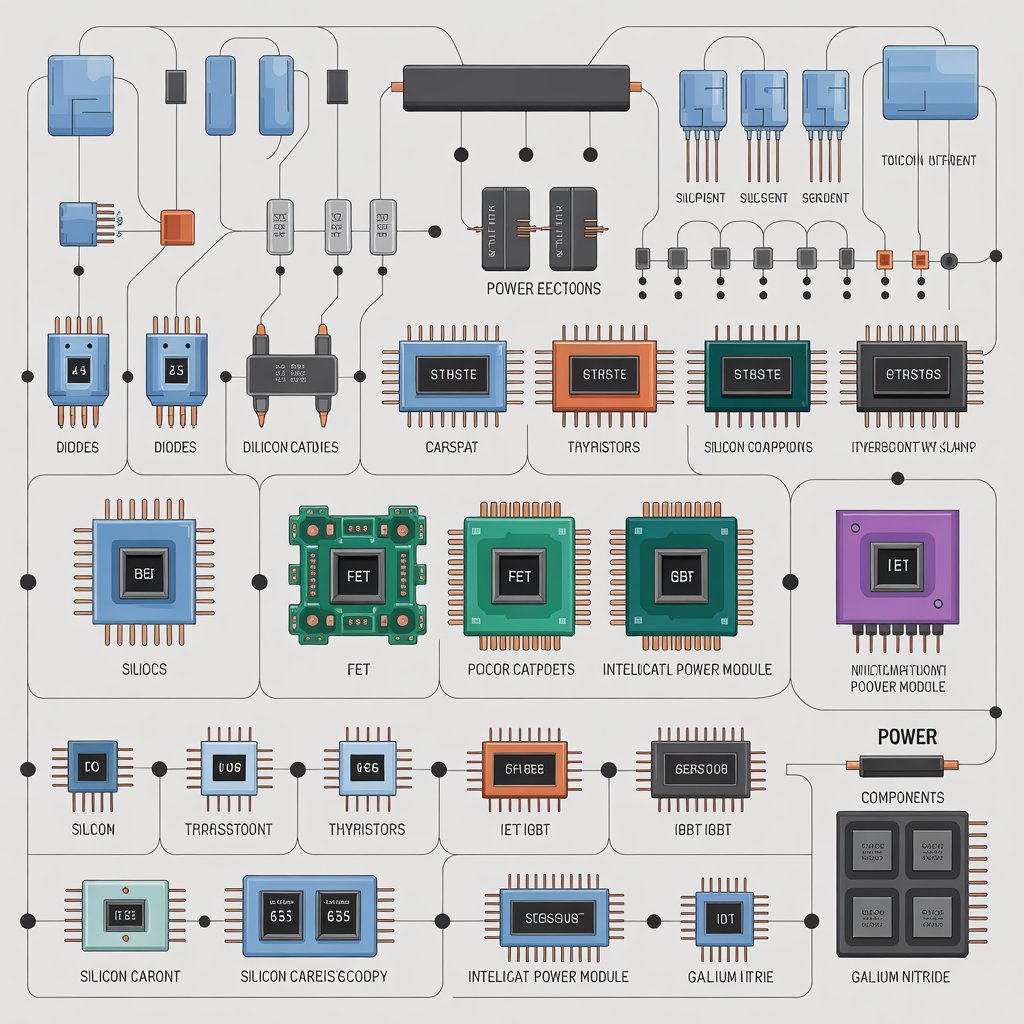
Application-specific optimization is further shaping the market outlook. Different industries have unique requirements in terms of power levels, efficiency, size, and cost. For example, electric vehicles require high-performance systems with excellent thermal management, while consumer electronics prioritize compact design and low cost. Manufacturers are tailoring their solutions to meet these specific needs, ensuring optimal performance while maintaining cost competitiveness. This targeted approach is enhancing the overall value proposition of power electronics across various sectors.
Despite the positive outlook, challenges such as high initial investment in advanced technologies, design complexity, and the need for skilled expertise remain. However, continuous research and development, along with collaboration between industry players and research institutions, are addressing these challenges. As technologies mature and production processes improve, the balance between cost and performance is expected to become more favorable.
The power electronics market is being shaped by a strong focus on cost reduction and performance optimization. Advances in manufacturing, materials, design, thermal management, and digitalization are enabling the development of efficient and affordable solutions. As demand continues to grow across industries, the ability to deliver high-performance systems at competitive costs will be a key determinant of success. This ongoing evolution is expected to drive sustained growth and innovation in the global power electronics market, supporting the transition toward more efficient and sustainable energy systems.