
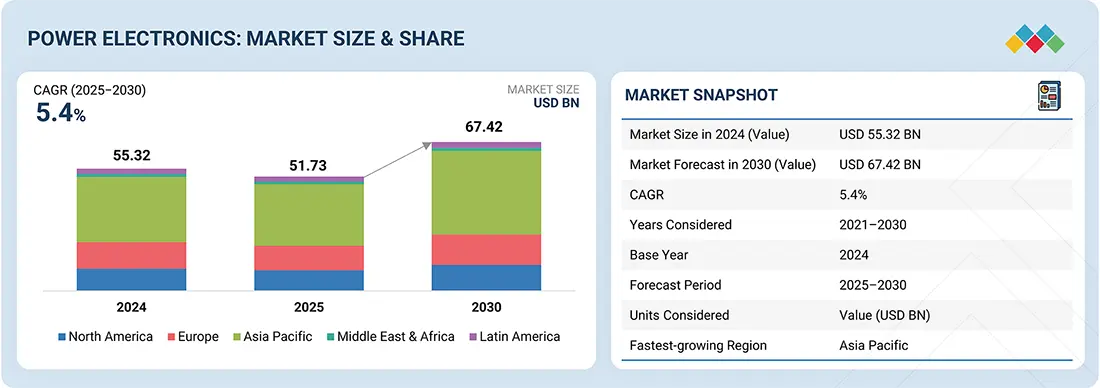
The Power Electronics Market is undergoing a significant transformation as industries increasingly demand high-performance power solutions capable of delivering superior efficiency, reliability, and operational flexibility. The rapid growth of renewable energy systems, electric vehicles, industrial automation, smart grids, advanced manufacturing, data centers, and digital infrastructure is creating new performance requirements for power management technologies. High-performance power solutions are designed to handle complex energy conversion and control tasks while minimizing losses and maximizing system efficiency. As organizations seek to improve productivity, reduce energy consumption, and enhance operational resilience, these advanced solutions are becoming central to the future growth of the Power Electronics Market.
One of the most important factors driving demand for high-performance power solutions is the growing need for energy efficiency. Modern electrical systems must manage increasing power loads while maintaining optimal performance and reducing operational costs. High-performance power electronics enable efficient energy conversion by minimizing losses during switching and transmission processes. These improvements contribute to lower electricity consumption, reduced heat generation, and enhanced overall system reliability, making them highly attractive across multiple industries.
The renewable energy sector represents one of the largest application areas for advanced power solutions. Solar photovoltaic systems, wind turbines, and battery energy storage installations require sophisticated power conversion technologies to maximize energy output and maintain grid compatibility. High-performance inverters and converters improve energy harvesting capabilities while ensuring stable operation under varying environmental conditions. As renewable energy adoption continues to accelerate globally, demand for efficient and reliable power electronics is expected to increase substantially.
Download PDF Brochure @ https://www.marketsandmarkets.com/pdfdownloadNew.asp?id=204729766
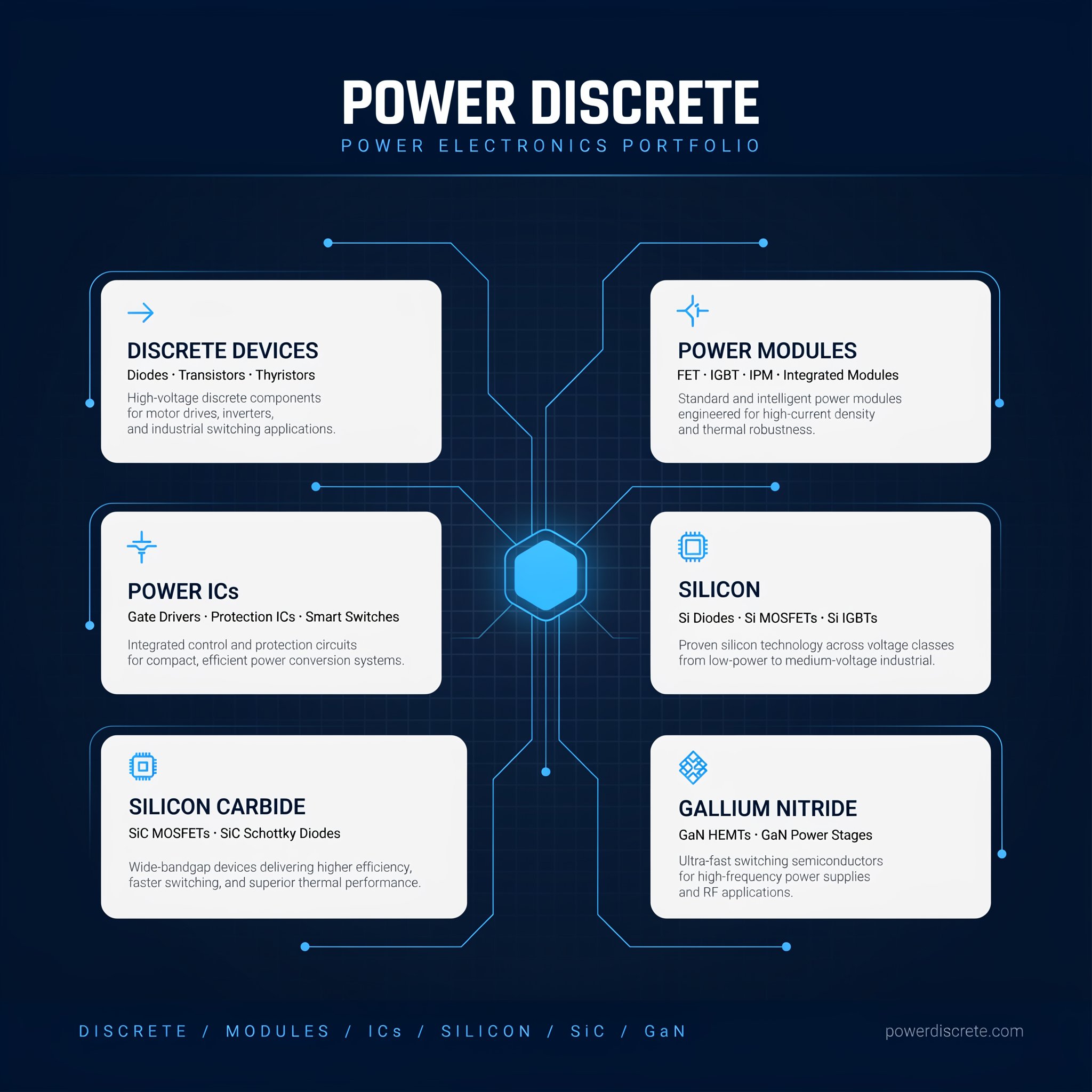
Electric vehicles are also contributing significantly to market expansion. Modern EVs require advanced power electronics for battery management, motor control, onboard charging systems, and energy optimization functions. High-performance power solutions help improve vehicle range, reduce charging times, and enhance driving efficiency. As transportation electrification continues to gain momentum, manufacturers are investing heavily in innovative power electronics technologies that support next-generation electric mobility platforms.
Industrial automation is creating strong demand for power electronics capable of delivering precise control and high reliability. Smart factories increasingly rely on robotic systems, automated production lines, and intelligent machinery that require efficient power management. High-performance motor drives and power control systems enable equipment to operate accurately under dynamic load conditions while reducing energy waste. These capabilities help manufacturers improve productivity, maintain quality standards, and optimize operational efficiency.
Data centers have emerged as another important market segment requiring advanced power solutions. The expansion of cloud computing, artificial intelligence, and digital services has led to substantial growth in data processing requirements and electricity consumption. High-performance power electronics support efficient power distribution, backup energy systems, and cooling infrastructure within these facilities. Their ability to improve power utilization and reduce operational costs makes them critical components of modern data center architecture.
Inquiry Before Buying @ https://www.marketsandmarkets.com/Enquiry_Before_BuyingNew.asp?id=204729766
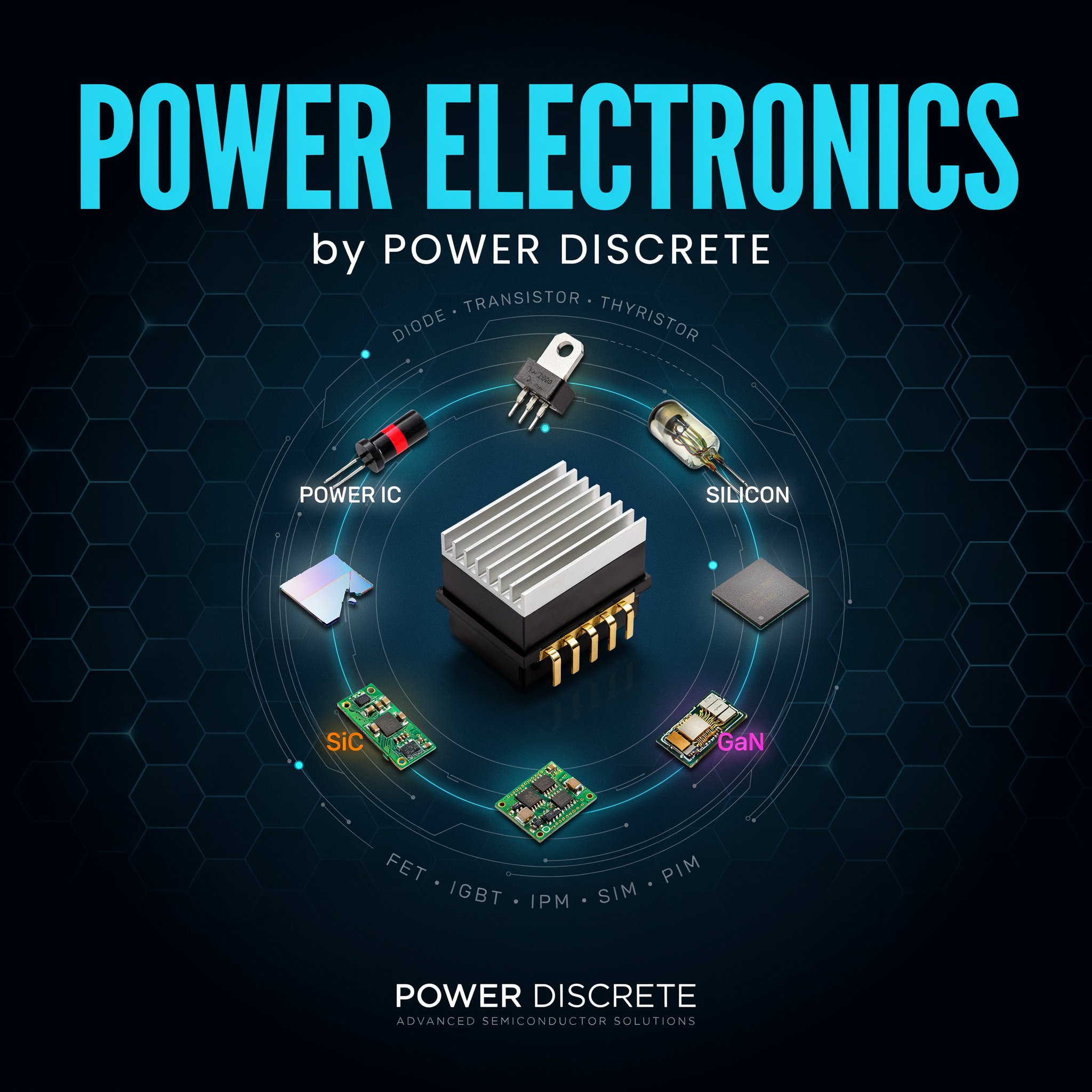
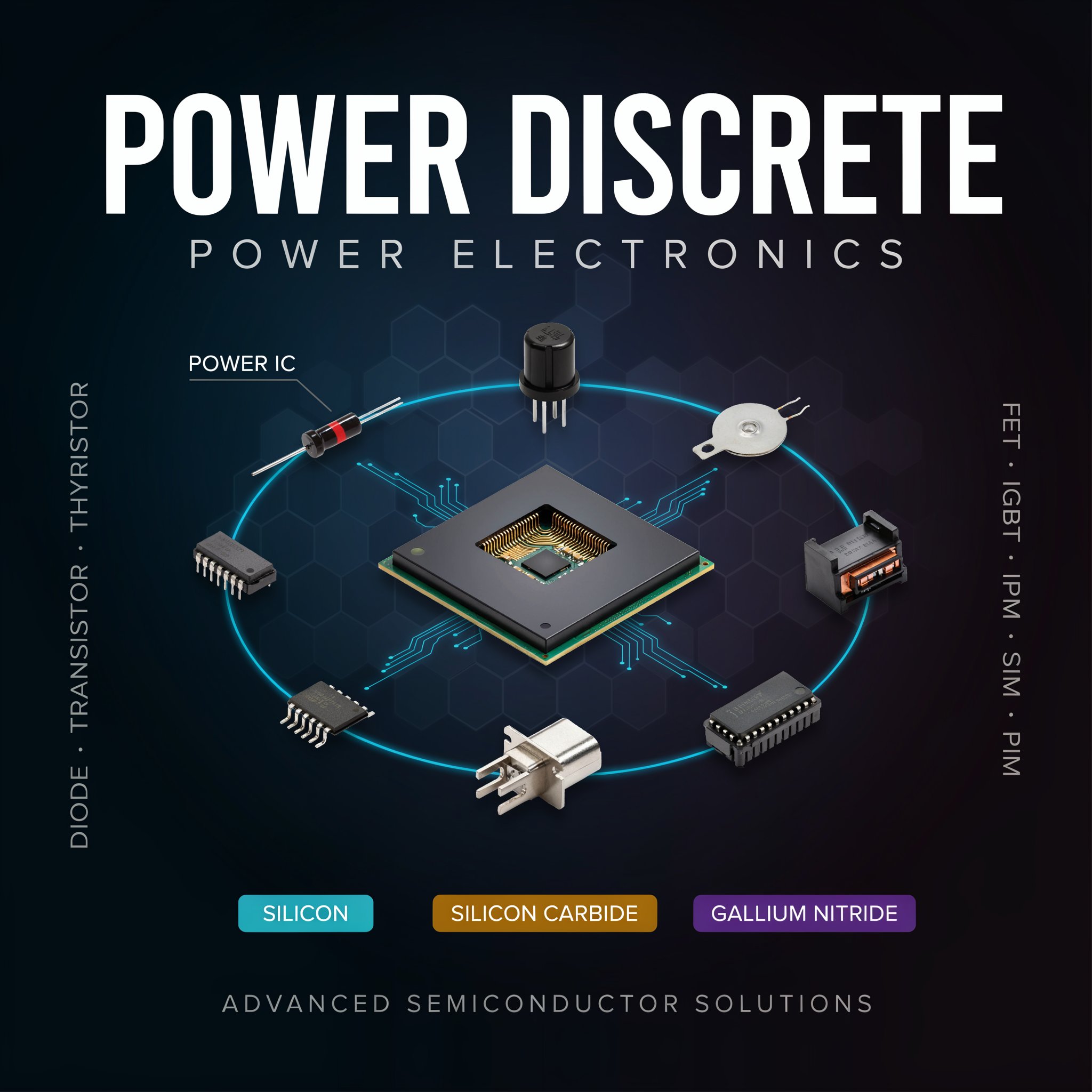
Wide-bandgap semiconductor technologies are reshaping the future of high-performance power electronics. Materials such as silicon carbide and gallium nitride offer significant advantages over conventional silicon devices, including higher switching speeds, lower conduction losses, and improved thermal performance. These characteristics enable the development of compact, lightweight, and highly efficient power systems. As production volumes increase and manufacturing costs decline, wide-bandgap technologies are expected to become increasingly dominant across multiple applications.
The development of smart grid infrastructure is also accelerating demand for advanced power management solutions. Modern power networks must accommodate distributed energy resources, renewable generation systems, electric vehicle charging stations, and battery storage assets. High-performance power electronics facilitate efficient energy distribution by managing voltage levels, power quality, and energy flows in real time. These capabilities help utilities improve grid stability and operational efficiency while supporting sustainable energy objectives.
Battery energy storage systems are becoming increasingly dependent on advanced power electronics technologies. High-performance converters and control systems enable efficient charging and discharging operations while maximizing battery lifespan and energy utilization. As energy storage deployments continue to expand in utility, commercial, and residential sectors, demand for sophisticated power management solutions will continue to grow.
View detailed Table of Content here – https://www.marketsandmarkets.com/Market-Reports/power-electronics-market-204729766.html
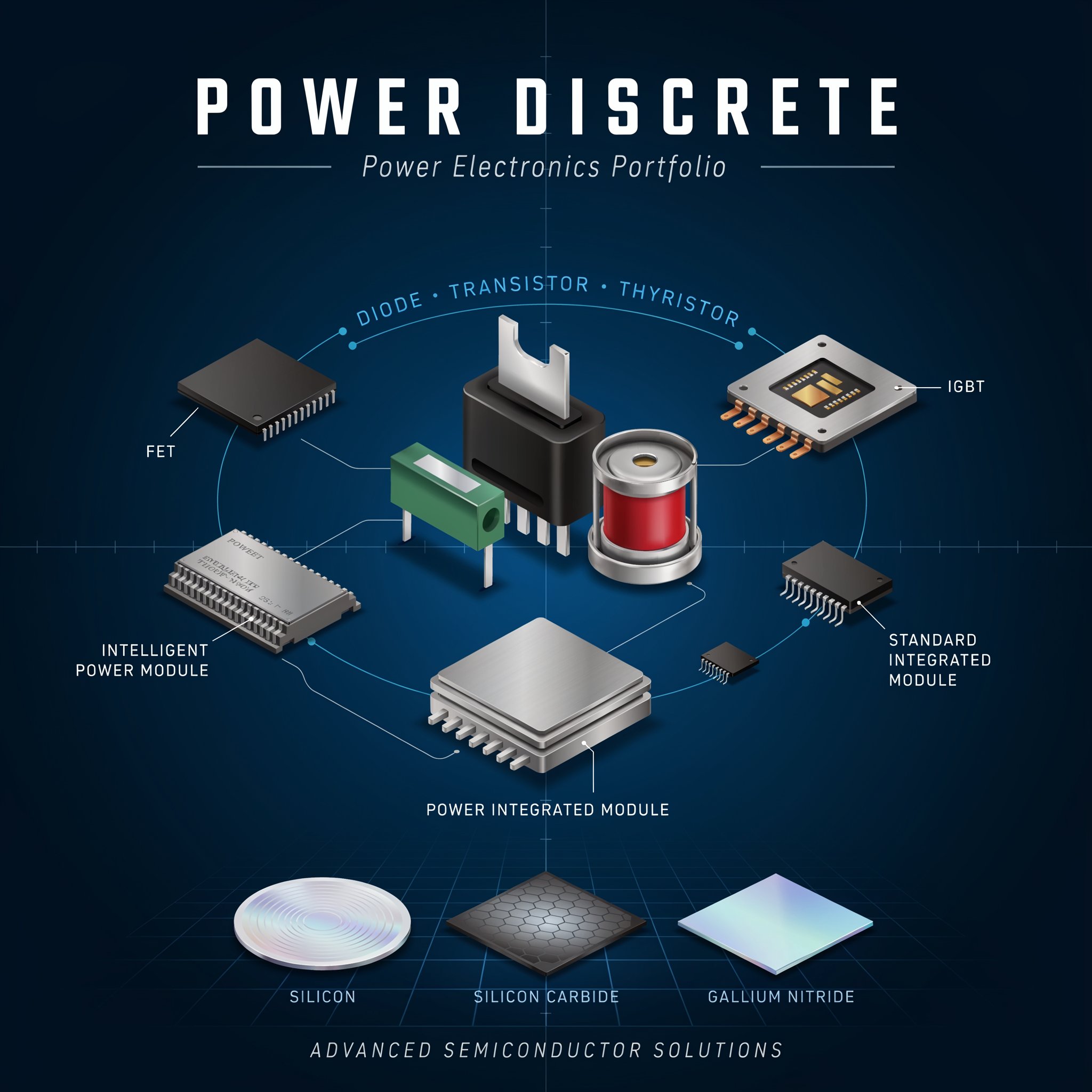
Artificial intelligence is playing an increasingly important role in optimizing the performance of power electronics systems. AI-driven platforms analyze operational data continuously and identify opportunities to improve efficiency and reliability. High-performance power solutions integrated with intelligent control systems can respond dynamically to changing operating conditions, ensuring optimal energy utilization and enhanced system performance. This convergence of artificial intelligence and power electronics is creating new possibilities for energy management.
Thermal management has become a critical focus area within the development of high-performance power systems. As power densities increase, effective heat dissipation is essential for maintaining efficiency and reliability. Advanced cooling technologies, innovative packaging methods, and improved semiconductor materials are helping manufacturers address thermal challenges while delivering higher performance levels. These innovations are contributing to the broader adoption of high-performance power electronics across demanding applications.
The aerospace and defense sectors are increasingly adopting advanced power solutions to support sophisticated electronic systems and mission-critical operations. Aircraft, satellites, and defense platforms require highly reliable power management technologies capable of operating under extreme environmental conditions. High-performance power electronics provide the efficiency, durability, and precision required for these specialized applications.
Commercial buildings and smart infrastructure projects are also benefiting from the adoption of advanced power technologies. Intelligent lighting systems, HVAC equipment, renewable energy installations, and building automation platforms rely on efficient power management to reduce energy consumption and operating costs. High-performance power electronics enable these systems to operate more effectively while supporting sustainability objectives.
Sustainability considerations are becoming increasingly influential in shaping market trends. Organizations are investing in technologies that reduce carbon emissions and improve energy efficiency without compromising performance. High-performance power solutions align closely with these goals by minimizing energy losses and enabling greater utilization of renewable energy resources.
Government initiatives supporting clean energy, electrification, and energy efficiency are creating favorable conditions for market growth. Investments in renewable energy projects, smart grid infrastructure, electric vehicle adoption, and industrial modernization are driving demand for advanced power electronics technologies capable of delivering superior performance.
Looking ahead, high-performance power solutions will remain a central focus within the Power Electronics Market. Continued advancements in semiconductor technologies, artificial intelligence, energy storage systems, renewable energy integration, and smart infrastructure will create new opportunities for innovation and adoption. As industries seek greater efficiency, reliability, and sustainability, high-performance power electronics will continue to serve as essential enablers of next-generation energy systems and digital technologies.