
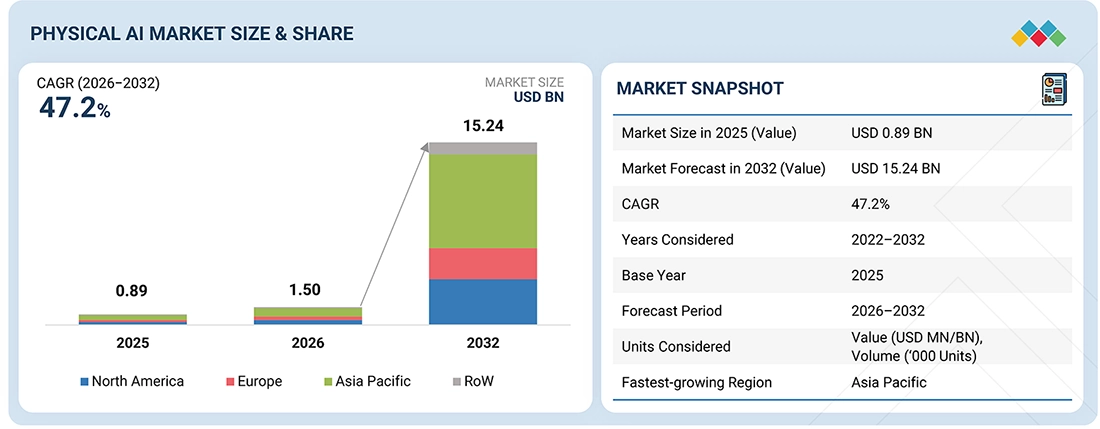
The Physical AI Market is experiencing significant transformation as humanoid robots and service robotics technologies become increasingly advanced and commercially viable across industries worldwide. Physical AI combines artificial intelligence with robotics, sensors, autonomous systems, and connected technologies that allow machines to interact intelligently with real-world environments. Humanoid robots and service robots are among the most visible and rapidly evolving segments within the physical AI ecosystem because they are designed to perform human-like tasks, assist people in daily operations, and operate autonomously in dynamic environments. As industries accelerate automation and intelligent service deployment, the demand for AI-powered humanoid and service robotics solutions is growing rapidly across healthcare, retail, hospitality, manufacturing, logistics, education, defense, and domestic applications.
One of the most important trends shaping the physical AI market is the advancement of humanoid robotics systems capable of performing complex physical and cognitive tasks. Humanoid robots are designed with human-like structures, movement capabilities, and interaction functions that allow them to operate in environments built for human activities. AI-powered humanoid robots use advanced machine learning, computer vision, speech recognition, motion control systems, and sensor technologies to understand surroundings, communicate naturally, and perform autonomous actions. Continuous innovation in robotics engineering and AI algorithms is improving robot balance, coordination, adaptability, and human interaction capabilities, making humanoid robots increasingly practical for commercial and industrial applications.
Download PDF Brochure @ https://www.marketsandmarkets.com/pdfdownloadNew.asp?id=240269196
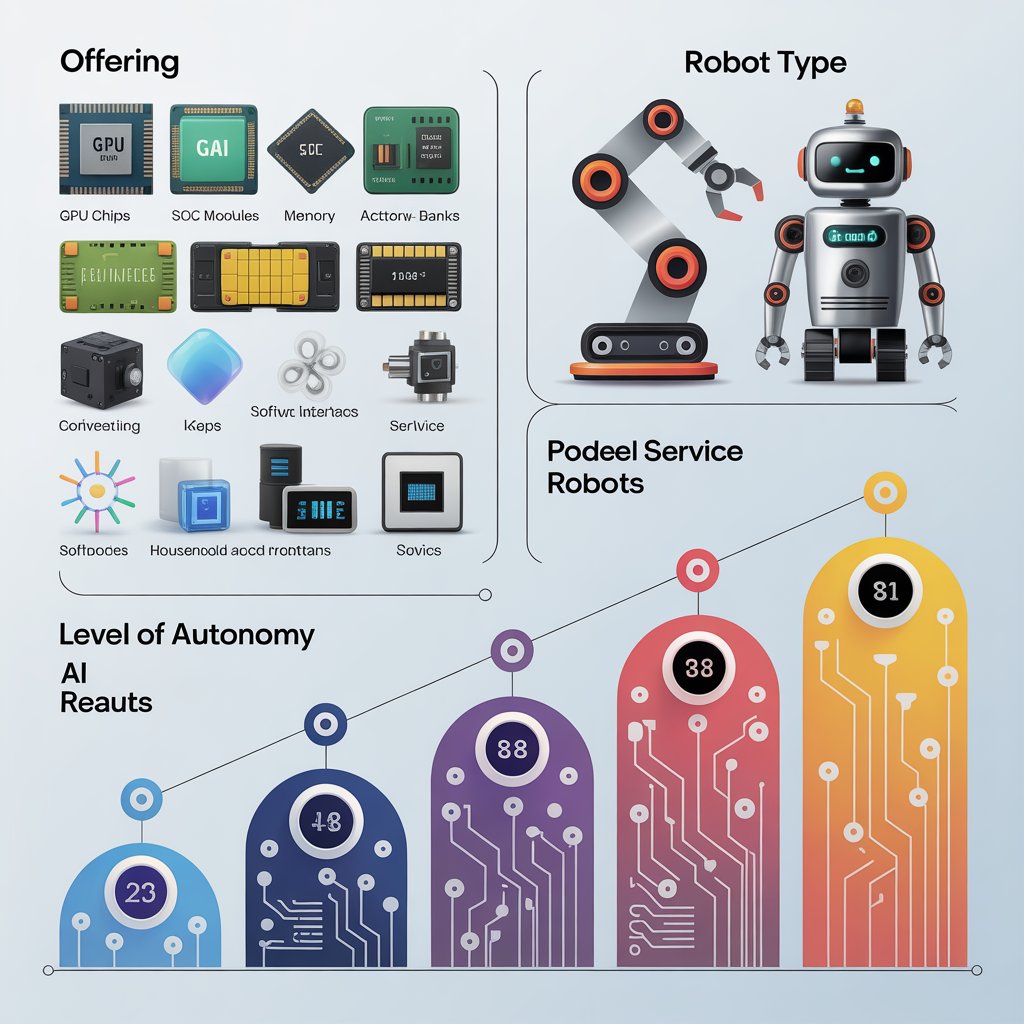
Artificial intelligence-driven human-machine interaction is becoming a major trend within humanoid robotics development. Modern humanoid robots are equipped with natural language processing systems, facial recognition technologies, emotional analysis capabilities, and voice interaction platforms that allow more intuitive communication with humans. These AI capabilities help robots understand verbal instructions, recognize human emotions, and respond appropriately in real time. Human-centric interaction systems are becoming especially valuable in healthcare, hospitality, customer service, and education sectors where robots are expected to assist and collaborate with people effectively.
Healthcare applications are emerging as one of the fastest-growing areas for humanoid robots and service robotics technologies. Hospitals, elderly care centers, rehabilitation facilities, and healthcare providers are adopting AI-powered robots to support patient monitoring, rehabilitation therapy, medication delivery, and surgical assistance. Humanoid service robots can interact with patients, assist healthcare staff, and perform repetitive tasks while improving operational efficiency within medical environments. AI-enabled healthcare robots are also helping address labor shortages and increasing demand for elderly care services in aging populations worldwide. The integration of physical AI into healthcare robotics is expected to continue expanding significantly over the coming years.
Service robotics is also gaining strong momentum in retail and hospitality industries. Hotels, restaurants, airports, shopping centers, and customer service facilities are deploying AI-powered robots for reception management, room service, cleaning operations, inventory assistance, and customer engagement activities. Service robots equipped with computer vision, speech recognition, and autonomous navigation systems can interact with customers efficiently while improving operational productivity. Businesses are increasingly investing in service robotics solutions to enhance customer experiences, reduce operational costs, and improve service consistency in highly competitive environments.
Warehouse automation and logistics operations are driving another major trend within the physical AI market. Autonomous service robots and humanoid robotic systems are increasingly used in warehouses, distribution centers, and fulfillment operations to improve material handling, sorting, inventory management, and transportation processes. AI-powered robots can navigate warehouse environments autonomously, collaborate with workers safely, and optimize operational workflows through real-time decision-making capabilities. The rapid growth of e-commerce and supply chain automation is significantly increasing demand for intelligent service robotics technologies globally.
Inquiry Before Buying @ https://www.marketsandmarkets.com/Enquiry_Before_BuyingNew.asp?id=240269196
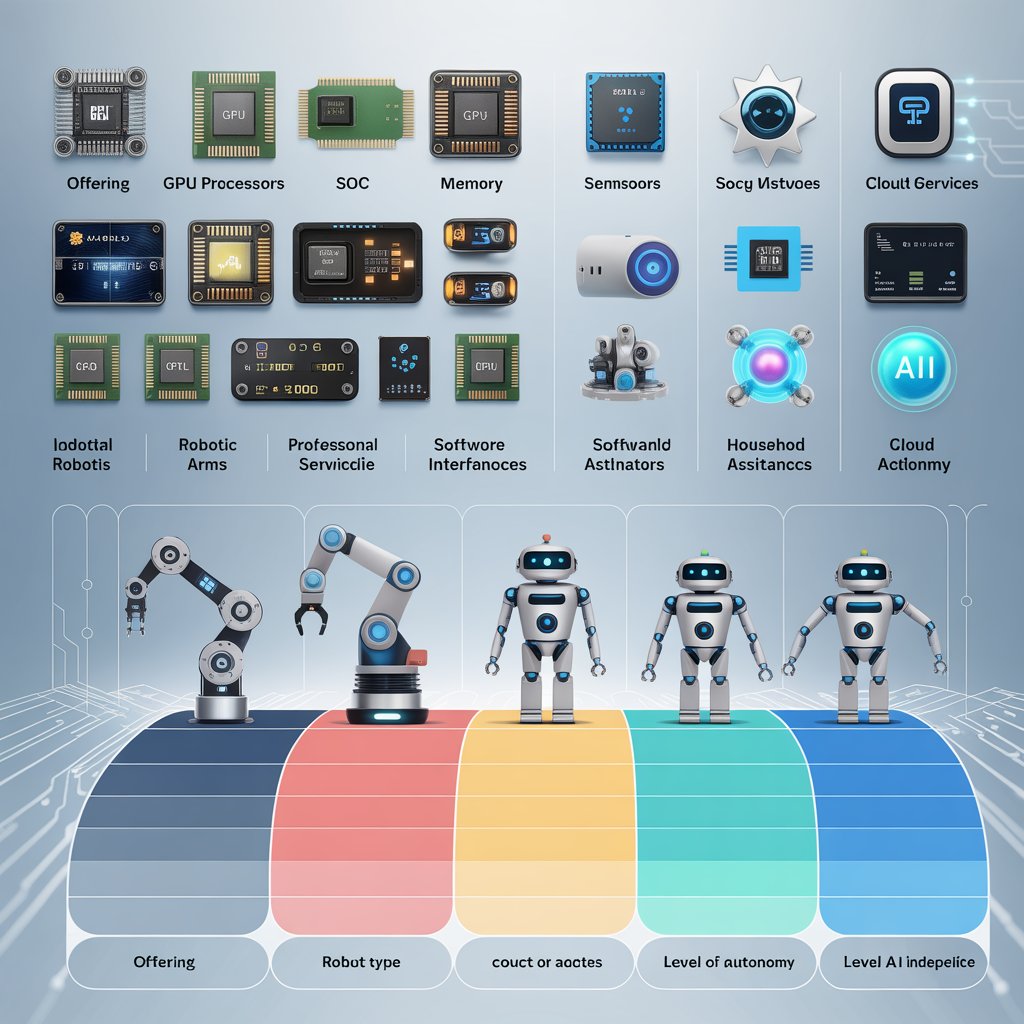
Motion control and mobility innovation are becoming central to humanoid robot development. Advanced AI-based motion control systems allow humanoid robots to walk, balance, manipulate objects, and navigate complex environments more naturally and efficiently. Machine learning algorithms continuously improve robot coordination and adaptability by analyzing movement data and environmental feedback. Developments in robotic dexterity, hand-eye coordination, and locomotion technologies are expanding the range of practical tasks humanoid robots can perform across industrial and service applications.
Computer vision technologies are also playing a transformative role in service robotics and humanoid AI systems. AI-powered vision platforms enable robots to recognize objects, identify obstacles, interpret environments, and monitor human activity in real time. These systems support autonomous navigation, object handling, facial recognition, and environmental awareness functions that are critical for service-oriented robotics operations. Vision-guided robotic systems are increasingly being integrated into retail automation, healthcare assistance, industrial inspection, and domestic service applications.
Edge computing integration is another important trend supporting the growth of humanoid robots and service robotics within the physical AI market. Autonomous robotic systems require rapid processing of sensor data and real-time decision-making capabilities to operate effectively in dynamic environments. Edge AI platforms process operational information locally within robots, reducing latency and improving responsiveness. This capability allows humanoid and service robots to react immediately to environmental changes, human interactions, and operational instructions without relying entirely on cloud-based processing infrastructure.
The integration of IoT platforms and cloud connectivity is strengthening robotic intelligence and operational scalability. Connected service robots can communicate with cloud-based AI systems, centralized operational platforms, and smart infrastructure networks to access real-time data and continuously improve performance. IoT-enabled robotics ecosystems support predictive maintenance, remote monitoring, software updates, and multi-robot coordination capabilities. These connected digital ecosystems are becoming increasingly important for large-scale deployment of intelligent service robotics solutions across industries.
View detailed Table of Content here – https://www.marketsandmarkets.com/Market-Reports/physical-ai-market-240269196.html
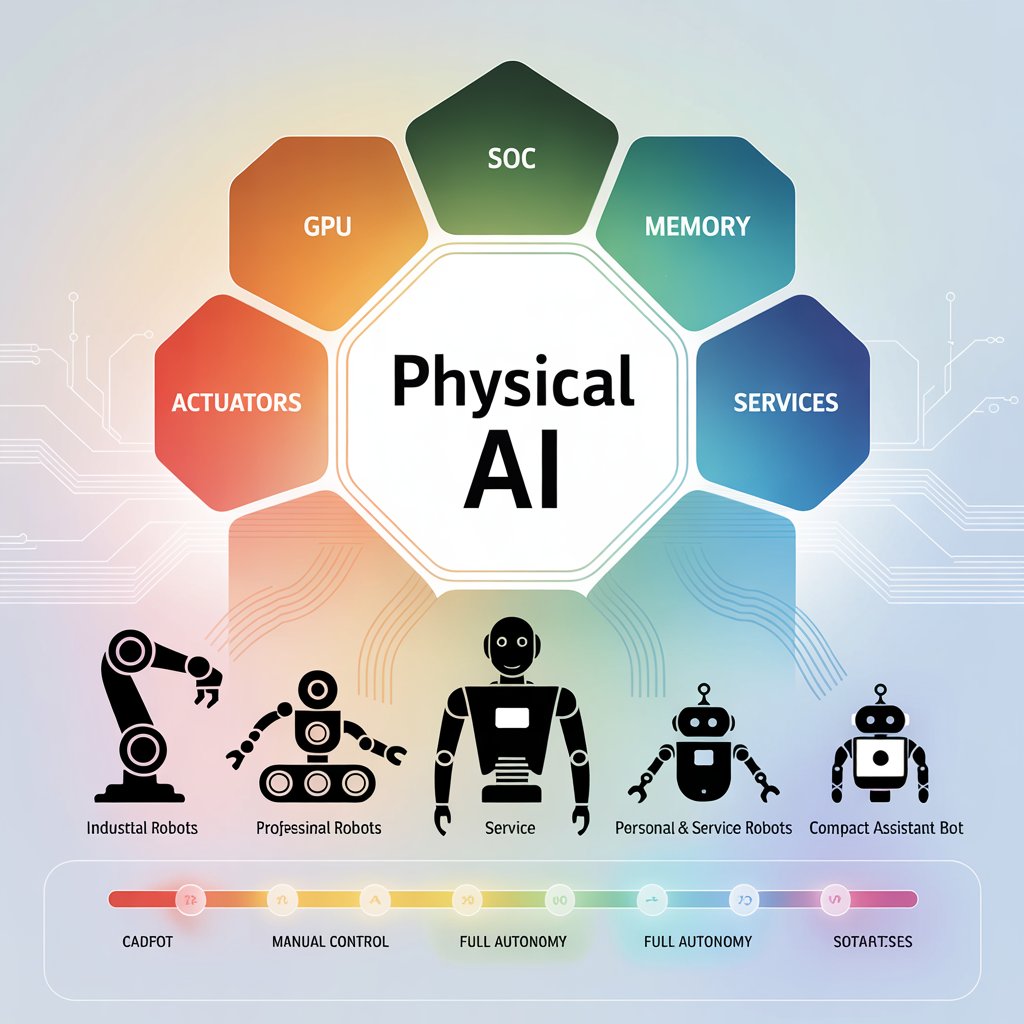
Industrial applications for humanoid and service robotics are also expanding rapidly. Manufacturing facilities are deploying humanoid robots capable of performing repetitive assembly, inspection, maintenance, and material handling tasks within industrial environments. AI-powered service robots can adapt to changing production conditions, collaborate with human workers, and support flexible manufacturing operations. These technologies help manufacturers improve productivity, reduce labor-intensive activities, and maintain operational continuity in increasingly automated industrial ecosystems.
Education and research sectors are contributing significantly to humanoid robotics innovation. Universities, research institutions, and technology companies are investing heavily in robotics R&D programs focused on cognitive AI, adaptive learning systems, robotic perception, and human-robot collaboration. Educational institutions are also using humanoid robots as interactive learning tools in science, engineering, and programming education. Continuous research in AI-driven robotics is expected to accelerate commercialization and improve the affordability of advanced service robotics technologies.
Defense and security applications are creating additional opportunities for physical AI-powered service robotics systems. Autonomous robots are increasingly used for surveillance, hazardous environment inspection, bomb disposal, reconnaissance, and security monitoring operations. Humanoid robots capable of navigating difficult terrains and interacting with human personnel can support defense operations while reducing risks to military staff. AI-powered robotic systems are improving situational awareness and operational safety across defense and homeland security applications.
Regional market trends indicate strong global growth prospects for humanoid and service robotics technologies. North America remains a leading market due to strong AI innovation ecosystems, robotics research investments, and rapid adoption of intelligent automation technologies. Europe is focusing heavily on collaborative robotics, healthcare automation, and smart industrial systems supported by advanced engineering capabilities and regulatory frameworks. Asia-Pacific is emerging as the fastest-growing region due to rapid industrialization, electronics manufacturing leadership, government support for robotics innovation, and expanding smart infrastructure initiatives across China, Japan, South Korea, and India.
The future outlook for humanoid robots and service robotics within the physical AI market remains highly promising through the next decade. Advances in machine learning, computer vision, sensor fusion, robotic mobility, edge AI, and human-machine interaction technologies are expected to further improve robotic intelligence and operational capabilities. As businesses and governments continue investing in intelligent automation and digital transformation, humanoid and service robotics technologies are likely to become increasingly integrated into industrial operations, healthcare services, consumer environments, and smart city ecosystems.
Humanoid robots and service robotics are becoming key growth segments within the physical AI market by enabling intelligent, autonomous, and interactive systems capable of operating in real-world environments. Technologies such as AI-powered motion control, computer vision, natural language processing, edge computing, and IoT connectivity are transforming healthcare, logistics, manufacturing, hospitality, retail, and defense sectors worldwide. As advancements in robotics and artificial intelligence continue accelerating, humanoid and service robotics are expected to play a central role in shaping the future of intelligent automation and human-machine collaboration globally.