
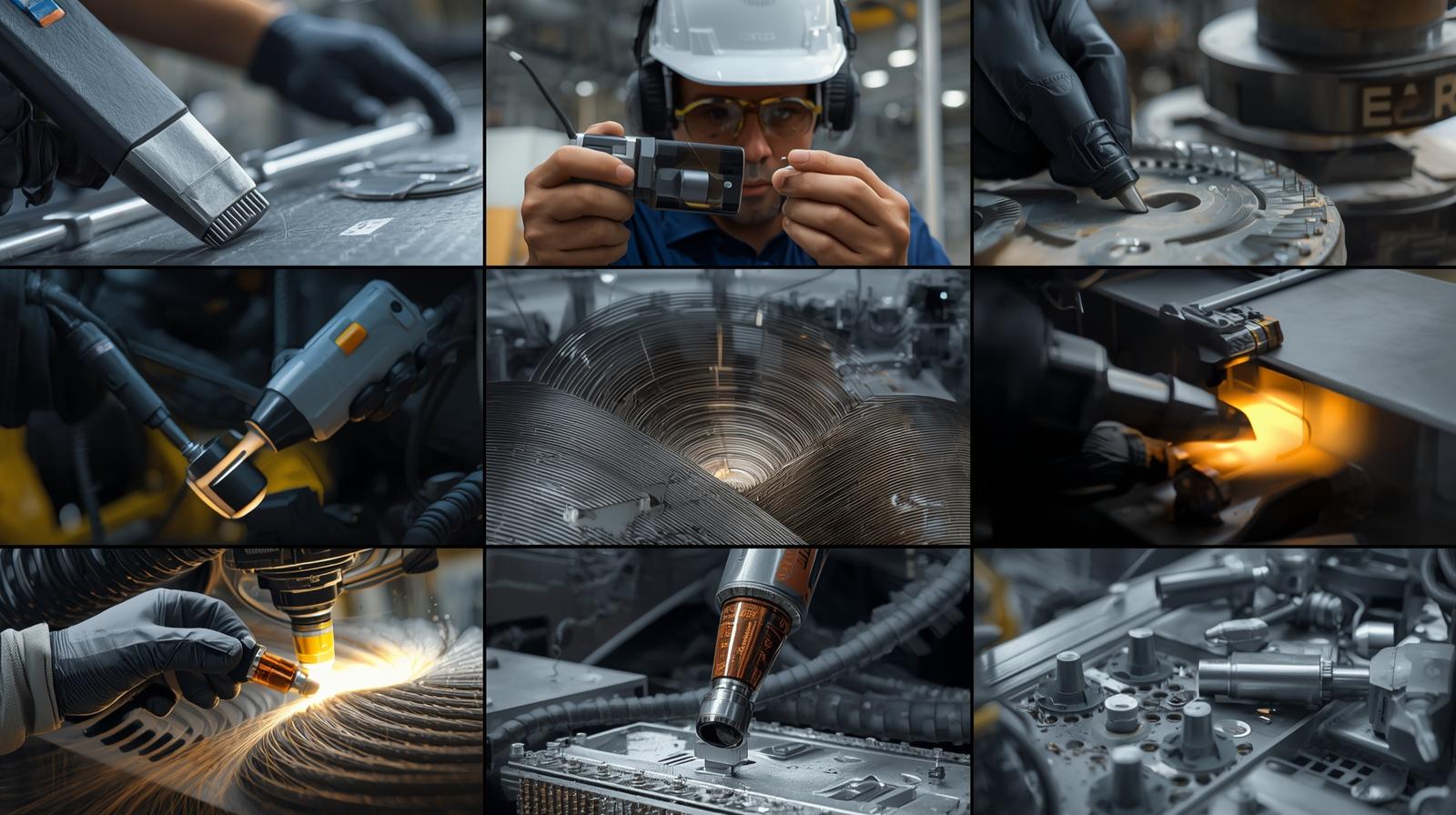
The Non-Destructive Testing (NDT) Equipment Market plays a crucial role in ensuring safety, reliability, and quality across industries without damaging materials or components. NDT equipment is widely used to detect defects, cracks, corrosion, and structural weaknesses in critical assets across aerospace, oil & gas, manufacturing, automotive, power generation, and infrastructure sectors.
As industries increasingly focus on predictive maintenance, operational safety, and regulatory compliance, the demand for advanced NDT equipment is rising steadily.
Market Size and Growth Outlook
According to MarketsandMarkets, the global Non-Destructive Testing (NDT) and Inspection Market is projected to grow from USD 14.99 billion in 2025 to USD 22.34 billion by 2030, at a CAGR of 8.3% during the forecast period.
This strong growth reflects the increasing adoption of advanced inspection technologies and the rising need for accurate, real-time defect detection systems across industrial applications.
Key Drivers of the NDT Equipment Market
1. Rising Demand for Industrial Safety and Asset Integrity
Industries are under growing pressure to ensure operational safety and prevent equipment failures. NDT equipment enables early detection of defects, reducing the risk of accidents and unplanned downtime.
2. Increasing Adoption of Predictive Maintenance
The shift from reactive to predictive maintenance strategies is significantly boosting demand for NDT equipment. Businesses are leveraging inspection technologies to monitor asset health and extend equipment lifespan.
3. Stringent Regulatory Standards
Government regulations across aerospace, oil & gas, and manufacturing sectors require regular inspection of critical assets. NDT equipment helps organizations comply with these stringent safety and quality standards.
4. Growth in Infrastructure and Industrialization
Rapid industrialization, especially in emerging economies, is increasing demand for construction, transportation, and energy infrastructure—driving the need for reliable inspection technologies.
5. Technological Advancements in Inspection Systems
Modern NDT equipment is becoming more advanced with innovations such as:
- Digital radiography
- Phased array ultrasonic testing
- AI-based defect detection
- Automated and robotic inspection systems
These advancements are improving accuracy, efficiency, and speed of inspections.
Download PDF Brochure @ https://www.marketsandmarkets.com/pdfdownloadNew.asp?id=882
Market Segmentation Overview
By Offering
The market is broadly segmented into:
- Equipment
- Services
While services dominate due to outsourcing trends, the equipment segment continues to grow steadily as industries invest in advanced inspection systems.
By Technique
Key NDT techniques include:
- Ultrasonic Testing (UT)
- Radiographic Testing (RT)
- Eddy Current Testing (ECT)
- Magnetic Particle Testing
- Liquid Penetrant Testing
- Visual Inspection
Among these, ultrasonic testing remains one of the most widely adopted methods due to its accuracy and versatility.
By Industry Vertical
Major end-use industries include:
- Aerospace and Defense
- Oil & Gas
- Manufacturing
- Automotive
- Power Generation
- Construction
The oil & gas and manufacturing sectors are among the largest adopters of NDT equipment due to high safety risks and asset intensity.
Regional Insights
North America
North America holds a significant share of the NDT equipment market due to:
- Strong industrial base
- Strict regulatory environment
- High adoption of advanced inspection technologies
Europe
Europe continues to adopt modern NDT solutions driven by aerospace innovation, automotive manufacturing, and infrastructure safety regulations.
Asia Pacific
Asia Pacific is the fastest-growing region, supported by:
- Rapid industrial expansion
- Infrastructure development
- Increasing investments in manufacturing and energy sectors
Emerging Trends in the NDT Equipment Market
1. Digital Transformation of Inspection Processes
The industry is shifting from traditional methods to digital and AI-powered inspection systems, enabling real-time defect detection and analytics.
2. Automation and Robotics in NDT
Robotic inspection systems and drones are increasingly used to inspect hazardous or hard-to-reach areas, improving safety and efficiency.
3. Portable and Wireless NDT Devices
Demand for portable equipment is growing, especially in field inspections and remote industrial environments.
4. Integration of AI and Machine Learning
AI-powered systems are enhancing defect recognition accuracy and reducing human error in inspection processes.
Challenges in the Market
Despite strong growth, the NDT equipment market faces several challenges:
- High cost of advanced inspection systems
- Shortage of skilled professionals
- Complexity in inspecting composite materials
- Integration challenges with digital platforms
Competitive Landscape
The market is highly competitive, with major players focusing on innovation, automation, and global expansion. Leading companies include:
- SGS SA
- Bureau Veritas
- Baker Hughes Company
- Intertek Group Plc
- Mistras Group Inc.
These companies are investing heavily in digital inspection technologies and AI-based solutions to strengthen their market position.
Future Outlook to 2030
The Non-Destructive Testing Equipment Market is expected to witness sustained growth as industries increasingly prioritize safety, efficiency, and predictive maintenance.
Key future developments include:
- Expansion of AI-enabled inspection systems
- Increased adoption of automated and robotic NDT solutions
- Growth in remote and real-time inspection technologies
- Wider use across renewable energy and advanced manufacturing sectors
The Non-Destructive Testing Equipment Market is evolving rapidly, driven by rising industrial safety requirements, technological advancements, and increasing adoption of predictive maintenance strategies. With strong growth projected through 2030, NDT equipment will continue to play a vital role in ensuring operational reliability and structural integrity across global industries.