
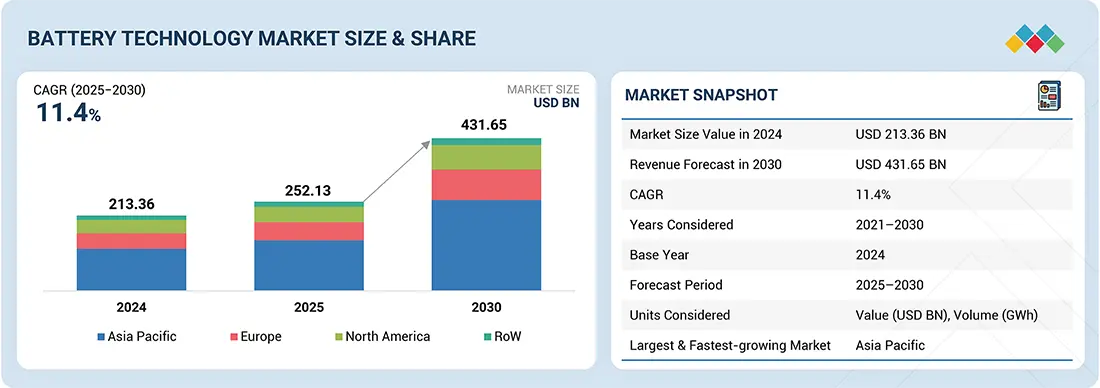
Electric Mobility Transformation Accelerates Battery Technology Demand
The rapid evolution of electric mobility is creating substantial demand for advanced battery technologies across the global transportation industry. Automakers, battery manufacturers, and technology developers are investing in innovative energy storage solutions to support electric passenger cars, commercial vehicles, buses, two wheelers, three wheelers, and specialized transportation platforms. Growing environmental concerns, government initiatives, improvements in charging infrastructure, and increasing interest in energy efficient transportation are encouraging the transition from conventional internal combustion engines toward electrified powertrains.
Batteries are central to this transformation because they determine driving range, charging time, vehicle performance, operating costs, and overall reliability. As electric mobility expands into new vehicle categories, manufacturers require batteries that combine higher energy density, improved safety, longer service life, and lower production costs. These requirements are encouraging research into advanced lithium ion chemistries, solid state batteries, silicon based anodes, sodium ion technologies, and intelligent battery management systems. Continued innovation across these areas is strengthening the battery technology market and creating opportunities throughout the automotive supply chain.
Download PDF Brochure @ https://www.marketsandmarkets.com/pdfdownloadNew.asp?id=253343109
Advanced Battery Chemistries Improve Electric Vehicle Performance
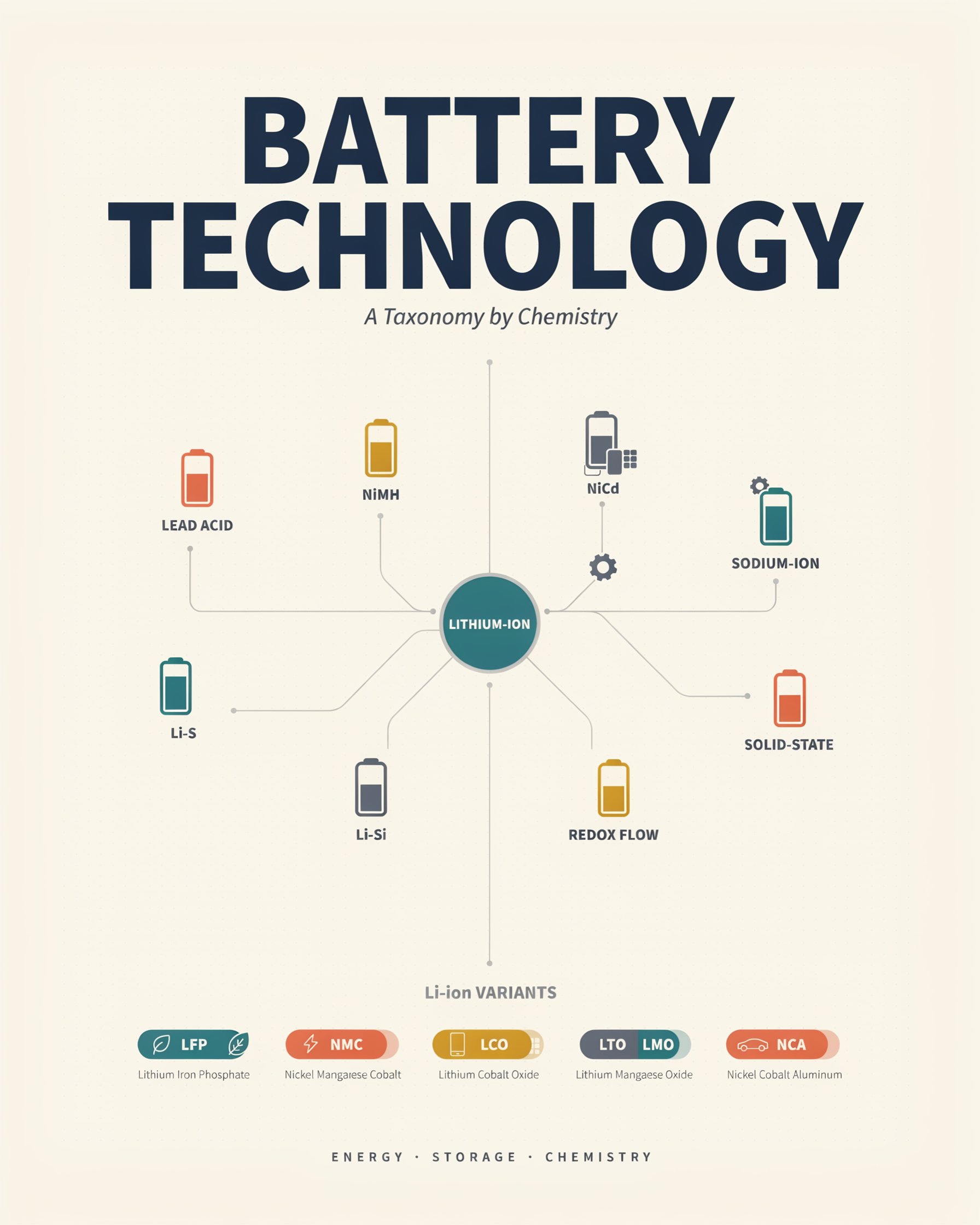
Lithium ion batteries remain widely used in electric mobility because of their favorable energy density, efficiency, and established manufacturing ecosystem. However, evolving vehicle requirements are encouraging manufacturers to improve electrode materials, electrolyte formulations, and cell architecture. Higher energy density can help electric vehicles travel longer distances without requiring significantly larger battery packs, while improved durability can reduce long term ownership costs.
Lithium iron phosphate batteries are gaining adoption in applications where cost effectiveness, thermal stability, and cycle life are important. These batteries can support mass market electric cars, buses, and commercial fleets. Nickel rich lithium ion chemistries remain relevant for vehicles that prioritize higher energy density and extended driving range. Selecting the appropriate chemistry depends on vehicle design, price targets, charging patterns, and expected operating conditions.
Silicon enhanced anodes are another important area of development. Silicon has a high theoretical capacity for storing lithium, potentially allowing batteries to store more energy. Nevertheless, its expansion during charging and discharging creates durability challenges that manufacturers must address. Solid state batteries also offer potential advantages in energy density and safety, although manufacturing scalability, material compatibility, cost, and long term performance remain significant development priorities.
Fast Charging Technologies Support Next Generation Transportation
Charging convenience is becoming a major consideration for electric vehicle buyers and fleet operators. Advanced battery technologies are being designed to accept higher charging power while limiting heat generation and battery degradation. Improvements in electrode structures, electrolytes, thermal management, and charging algorithms can help shorten charging sessions and improve vehicle availability.
High voltage electrical architectures are also supporting the development of faster charging systems. When combined with compatible charging infrastructure and efficient power electronics, these architectures can enable greater power transfer with reduced electrical losses. Silicon carbide semiconductor devices are contributing to efficient energy conversion in selected high power applications.
Battery performance during fast charging depends on chemistry, temperature, state of charge, and charger capability. Intelligent battery management systems monitor these conditions and adjust charging rates to protect battery health. Battery preconditioning can help bring cells toward a suitable temperature before charging, improving charging performance under certain environmental conditions.
Inquiry Before Buying @ https://www.marketsandmarkets.com/Enquiry_Before_BuyingNew.asp?id=253343109
Electrification Expands Beyond Passenger Cars
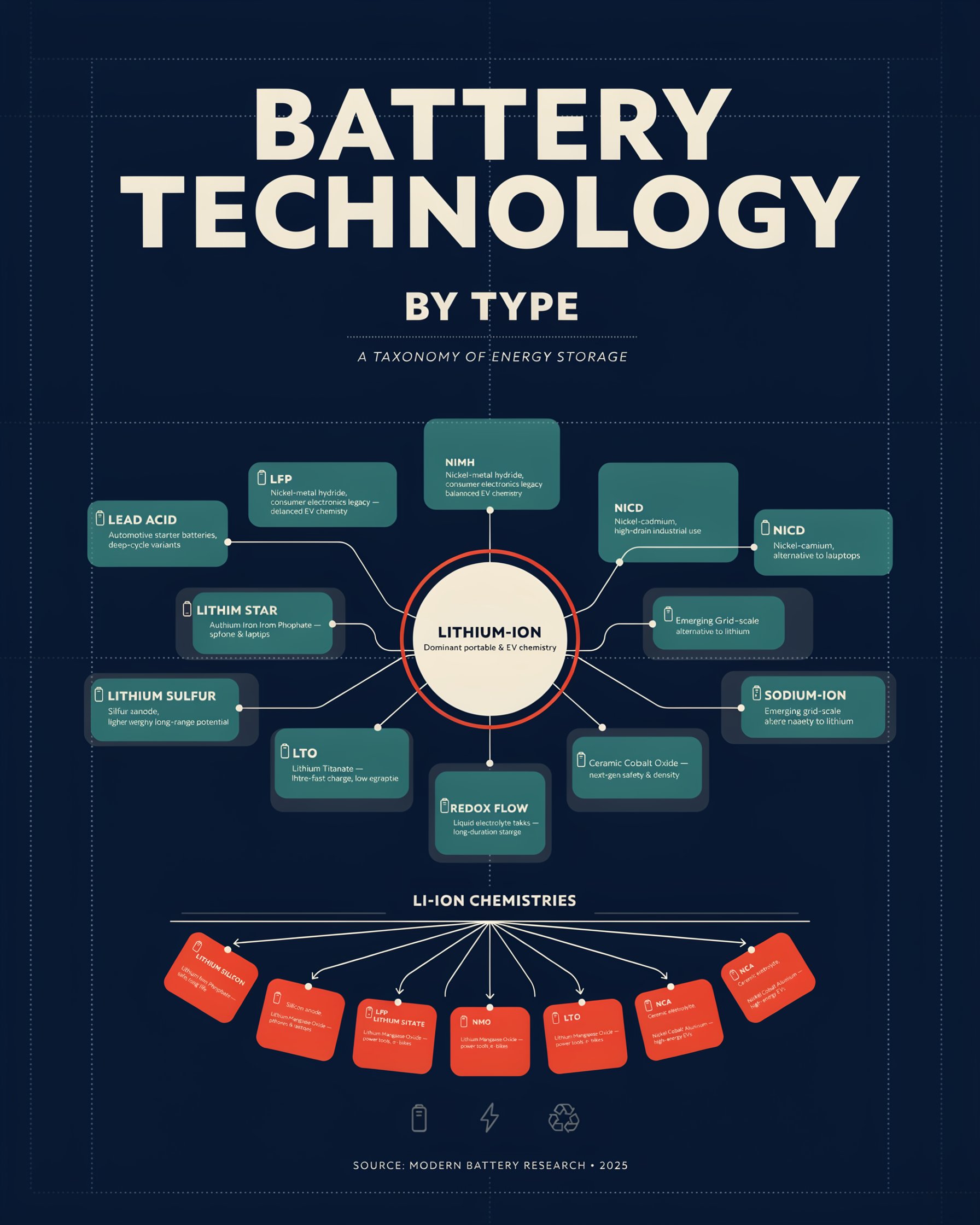
Next generation electric mobility extends beyond private passenger vehicles. Electric buses, delivery vans, heavy duty trucks, two wheelers, three wheelers, and off highway vehicles are creating additional demand for specialized battery systems. Each application has different requirements for energy capacity, power output, battery weight, charging frequency, and service life.
Commercial fleets often prioritize operational reliability and total cost of ownership. Electric buses require batteries capable of supporting repeated daily routes, while delivery vehicles need dependable range and convenient charging schedules. Heavy duty trucks may require high capacity battery packs and high power charging infrastructure. Electric two wheelers and three wheelers, meanwhile, depend on compact, lightweight, and affordable batteries.
These varied requirements are encouraging manufacturers to develop application specific battery solutions. Battery swapping may support selected high utilization fleets, while depot charging and opportunity charging can help commercial operators manage vehicle schedules. The expansion of these operating models is creating opportunities for battery suppliers, charging providers, and fleet energy management companies.
Digital Battery Management and Sustainability Drive Innovation
Digital technologies are improving battery performance, reliability, and lifecycle management. Advanced battery management systems monitor voltage, temperature, current, and state of charge to help maintain safe operation. Predictive analytics can estimate battery health, identify unusual behavior, and support maintenance planning. Connected monitoring platforms can also help fleet operators optimize charging schedules and reduce unexpected downtime.
Sustainability is becoming equally important as electric mobility expands. Battery manufacturers are evaluating material efficiency, responsible sourcing, recycling, and reuse to reduce environmental impacts and strengthen supply chain resilience. Recycling can recover valuable materials from used batteries, while selected batteries may be repurposed for stationary energy storage after their automotive service life, subject to appropriate testing and safety assessment.
View detailed Table of Content here – https://www.marketsandmarkets.com/Market-Reports/battery-technology-market-253343109.html
Future Outlook for the Battery Technology Market
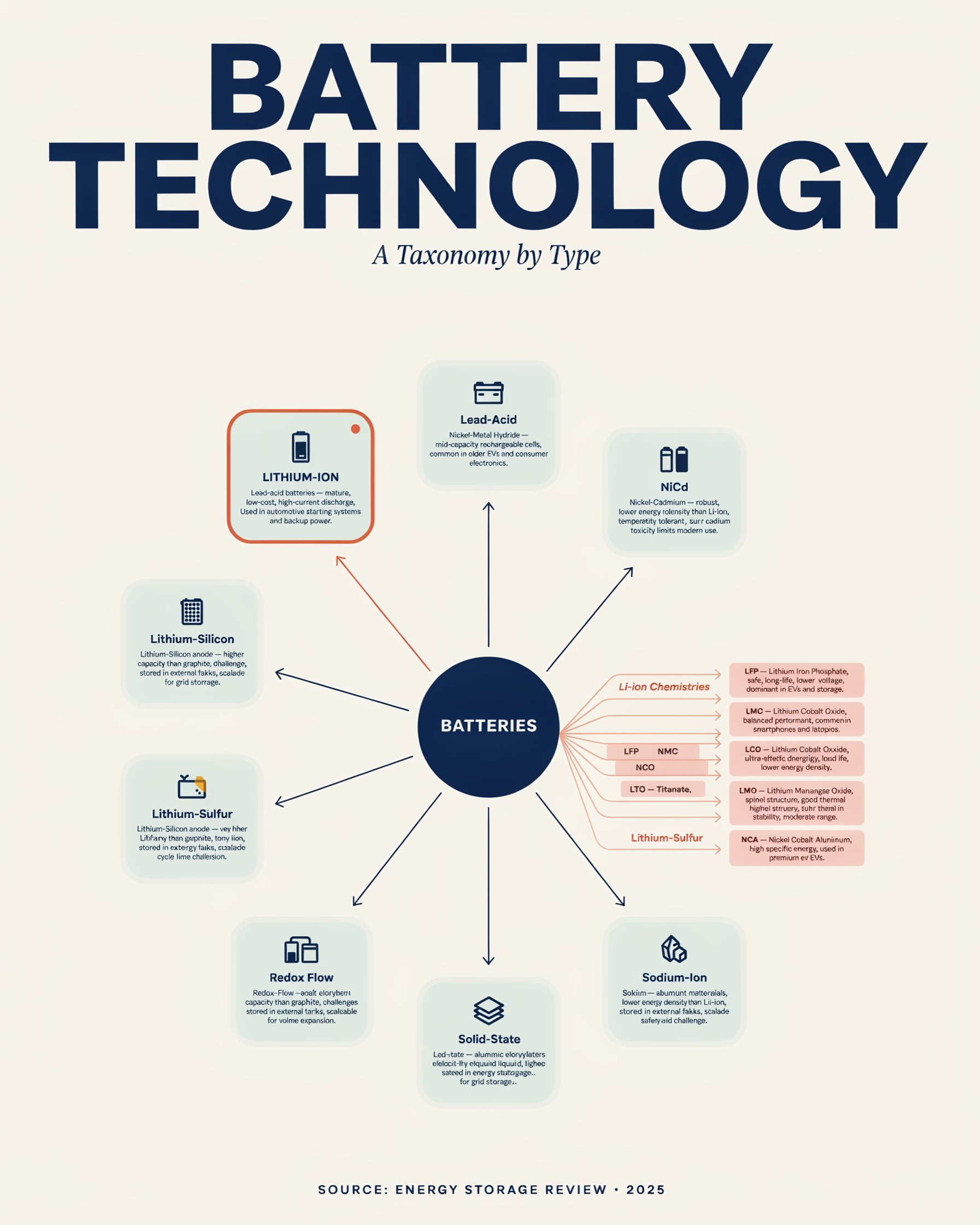
Next generation electric mobility will continue to stimulate innovation throughout the Battery Technology Industry. Advances in battery chemistry, fast charging, intelligent management systems, manufacturing automation, and recycling are expected to improve vehicle performance and expand the range of practical electric transportation solutions.
Challenges involving battery costs, critical material supply, charging infrastructure, safety, and manufacturing scalability remain important. However, continued research and collaboration among automakers, battery developers, semiconductor suppliers, and infrastructure providers are helping address these barriers. Companies that deliver reliable, cost effective, and sustainable battery systems will be well positioned to benefit as electrification expands across passenger transportation, commercial fleets, and emerging mobility applications.