

The Monolithic Microwave IC (MMIC) Market is experiencing substantial growth as autonomous communication systems become increasingly important across transportation, aerospace, defense, industrial automation, smart infrastructure, and satellite communications. Autonomous communication systems operate with minimal human intervention by continuously exchanging data, making intelligent decisions, and adapting to changing network conditions in real time. These systems require highly reliable, low-latency, and high-frequency wireless communication technologies capable of supporting continuous connectivity. MMICs, which integrate multiple microwave and radio frequency components onto a single semiconductor chip, provide the performance, efficiency, and miniaturization needed for these advanced communication environments. As autonomous technologies continue to evolve, MMICs are emerging as essential components enabling the next generation of intelligent wireless ecosystems.
One of the primary trends driving market growth is the rapid expansion of autonomous transportation systems. Self-driving vehicles depend on uninterrupted communication with surrounding vehicles, roadside infrastructure, cloud platforms, and navigation systems to ensure safe and efficient operation. Vehicle-to-everything communication requires high-frequency RF front-end solutions capable of supporting real-time information exchange with minimal latency. MMICs enable these communication platforms by providing compact microwave amplification, signal processing, and frequency conversion functions that ensure reliable wireless connectivity under dynamic operating conditions.
The deployment of advanced automotive radar systems further strengthens MMIC demand within autonomous communication ecosystems. Radar sensors operating around 77 GHz continuously monitor surrounding traffic, detect obstacles, measure distances, and support adaptive driving decisions. MMIC-based radar modules integrate transmitters, receivers, amplifiers, and signal conditioning circuits into compact semiconductor solutions that improve detection accuracy while reducing system complexity. These innovations contribute directly to safer autonomous driving capabilities.
Download PDF Brochure @ https://www.marketsandmarkets.com/pdfdownloadNew.asp?id=86745565
Fifth-generation wireless infrastructure is another important factor supporting autonomous communication systems. Autonomous platforms require ultra-reliable low-latency communication capable of supporting continuous machine-to-machine interaction. Fifth-generation networks provide the communication backbone for autonomous vehicles, industrial robots, drones, connected infrastructure, and intelligent public services. MMICs enable these advanced wireless networks by supporting beamforming, massive multiple-input multiple-output architectures, and millimeter-wave communication necessary for high-capacity autonomous communication.
The development of future sixth-generation communication technologies is expected to further accelerate MMIC adoption. Sixth-generation networks are anticipated to integrate artificial intelligence, distributed intelligence, integrated sensing, and autonomous network optimization into communication infrastructure. These advanced ecosystems will require semiconductor devices capable of operating across higher frequency bands while maintaining exceptional signal quality and energy efficiency. MMIC manufacturers are actively developing innovative microwave circuit technologies designed specifically to meet these future autonomous communication requirements.
Industrial automation represents another rapidly expanding application area. Smart factories increasingly deploy autonomous robots, automated guided vehicles, machine vision systems, wireless sensors, and industrial Internet of Things platforms that communicate continuously to coordinate manufacturing processes. These industrial communication systems require stable RF performance capable of supporting real-time operational decisions. MMICs provide efficient wireless communication solutions that improve system responsiveness while supporting reliable autonomous industrial operations.
Artificial intelligence is becoming deeply integrated into autonomous communication systems. AI-powered communication platforms continuously optimize network traffic, allocate wireless resources, predict communication bottlenecks, and adapt transmission parameters based on changing operational conditions. MMICs serve as the RF hardware foundation supporting these intelligent communication systems by providing efficient microwave processing across high-frequency communication channels. The combination of AI-driven optimization and advanced MMIC technologies enhances communication reliability and operational efficiency.
Inquiry Before Buying @ https://www.marketsandmarkets.com/Enquiry_Before_BuyingNew.asp?id=86745565
Satellite communication systems are increasingly supporting autonomous applications, particularly in remote and geographically challenging environments. Autonomous maritime vessels, unmanned aerial vehicles, remote industrial facilities, and emergency response platforms depend on satellite communication for continuous connectivity. MMICs provide highly efficient microwave signal amplification and frequency conversion capabilities within satellite terminals and communication payloads. Their compact integration supports reliable autonomous communication across global coverage areas.
The growing deployment of unmanned aerial systems is creating additional market opportunities. Commercial drones used for logistics, agriculture, infrastructure inspection, environmental monitoring, and defense operations require continuous communication with control stations, cloud platforms, and nearby autonomous systems. High-frequency MMIC solutions support secure wireless links capable of maintaining stable communication throughout autonomous flight operations. As drone applications continue expanding, demand for advanced microwave integrated circuits is expected to increase significantly.
Defense modernization continues driving innovation in autonomous communication technologies. Military organizations increasingly deploy autonomous surveillance platforms, unmanned ground vehicles, intelligent communication networks, and autonomous defense systems capable of making rapid operational decisions. These mission-critical applications require secure microwave communication with exceptional reliability and resistance to interference. MMIC technologies provide the high-performance RF capabilities necessary for these demanding autonomous military environments.
Edge computing is also influencing MMIC adoption within autonomous communication ecosystems. Rather than relying entirely on centralized cloud infrastructure, autonomous systems increasingly process data locally to reduce latency and improve decision-making speed. Edge computing platforms require high-speed microwave communication connecting distributed processing nodes with sensors and wireless devices. MMICs support these localized communication architectures by providing efficient RF front-end functionality suitable for real-time autonomous operations.
View detailed Table of Content here – https://www.marketsandmarkets.com/Market-Reports/monolithic-microwave-ic-market-86745565.html
Miniaturization remains a defining trend across autonomous communication technologies. Autonomous vehicles, drones, industrial robots, wearable devices, and intelligent sensors all require compact communication hardware capable of delivering excellent RF performance within limited physical space. MMIC integration reduces component counts while improving reliability and simplifying system design. Smaller communication modules also improve portability and support broader deployment across autonomous platforms.
Energy efficiency has become another important consideration. Autonomous communication systems often operate continuously, making power consumption a significant factor affecting operational costs and battery life. Advanced MMIC architectures minimize RF losses, improve amplifier efficiency, and reduce overall power requirements while maintaining high-frequency communication performance. These characteristics support longer operational lifespans for autonomous systems while contributing to more sustainable communication infrastructure.
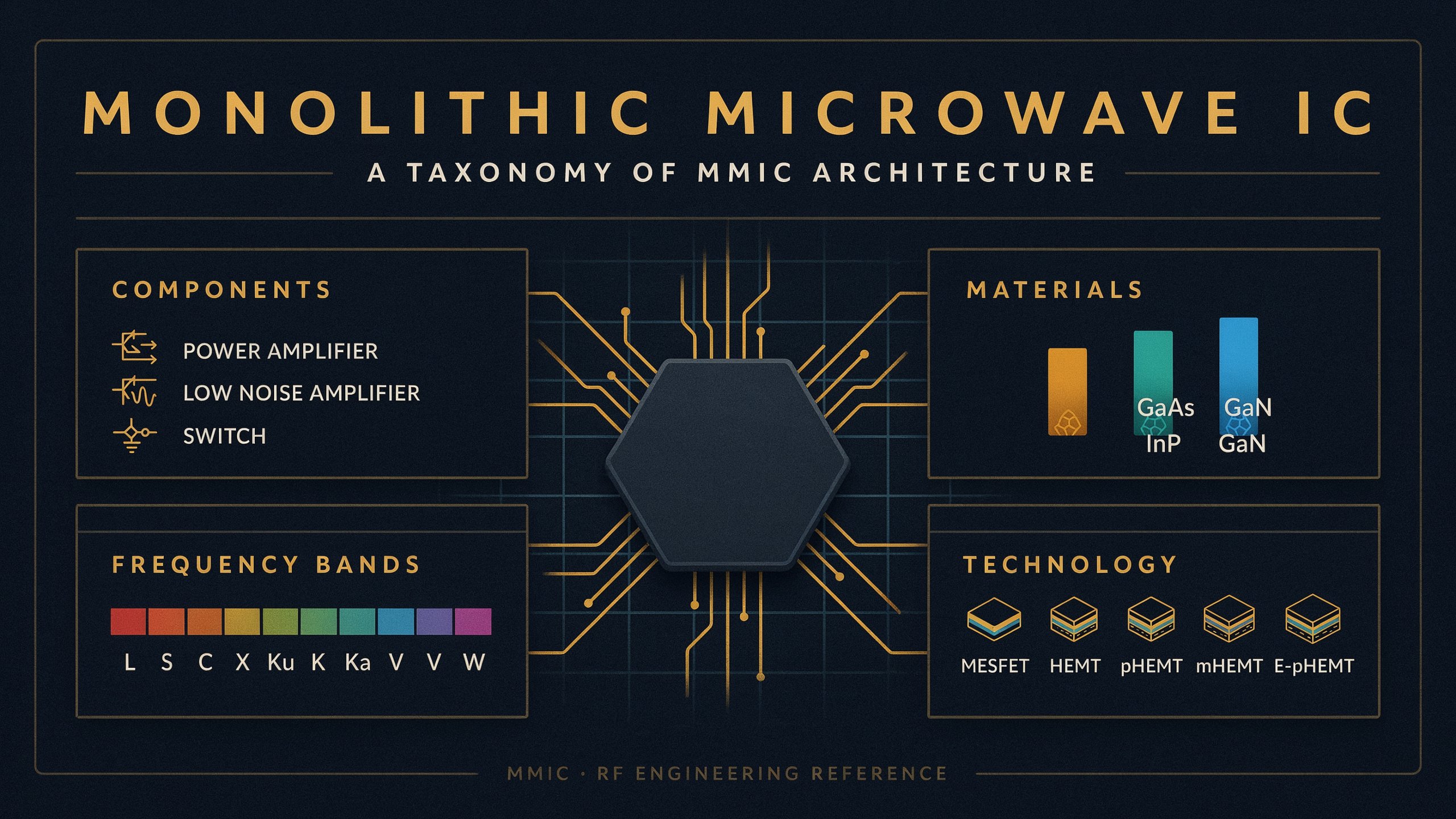
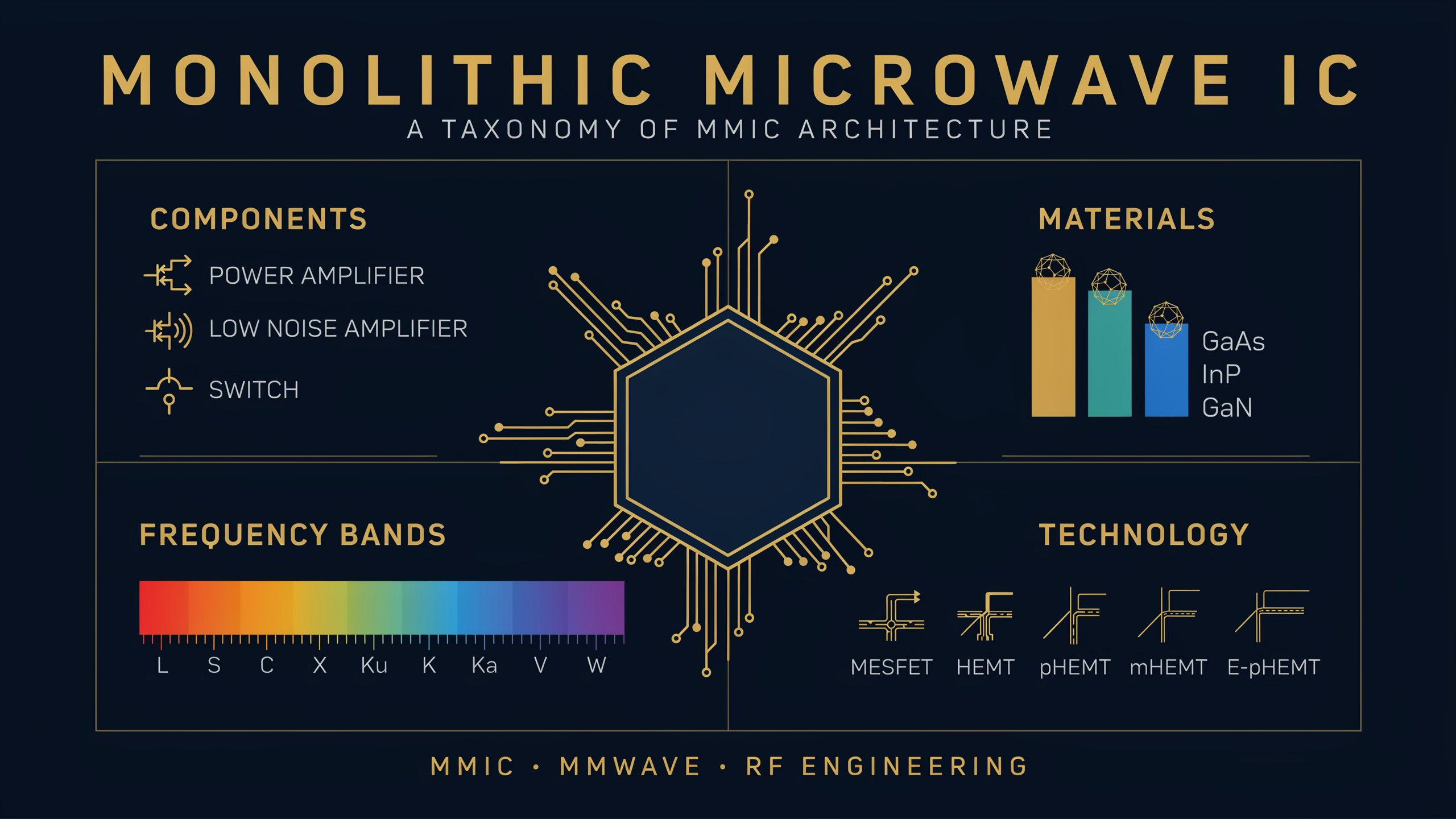
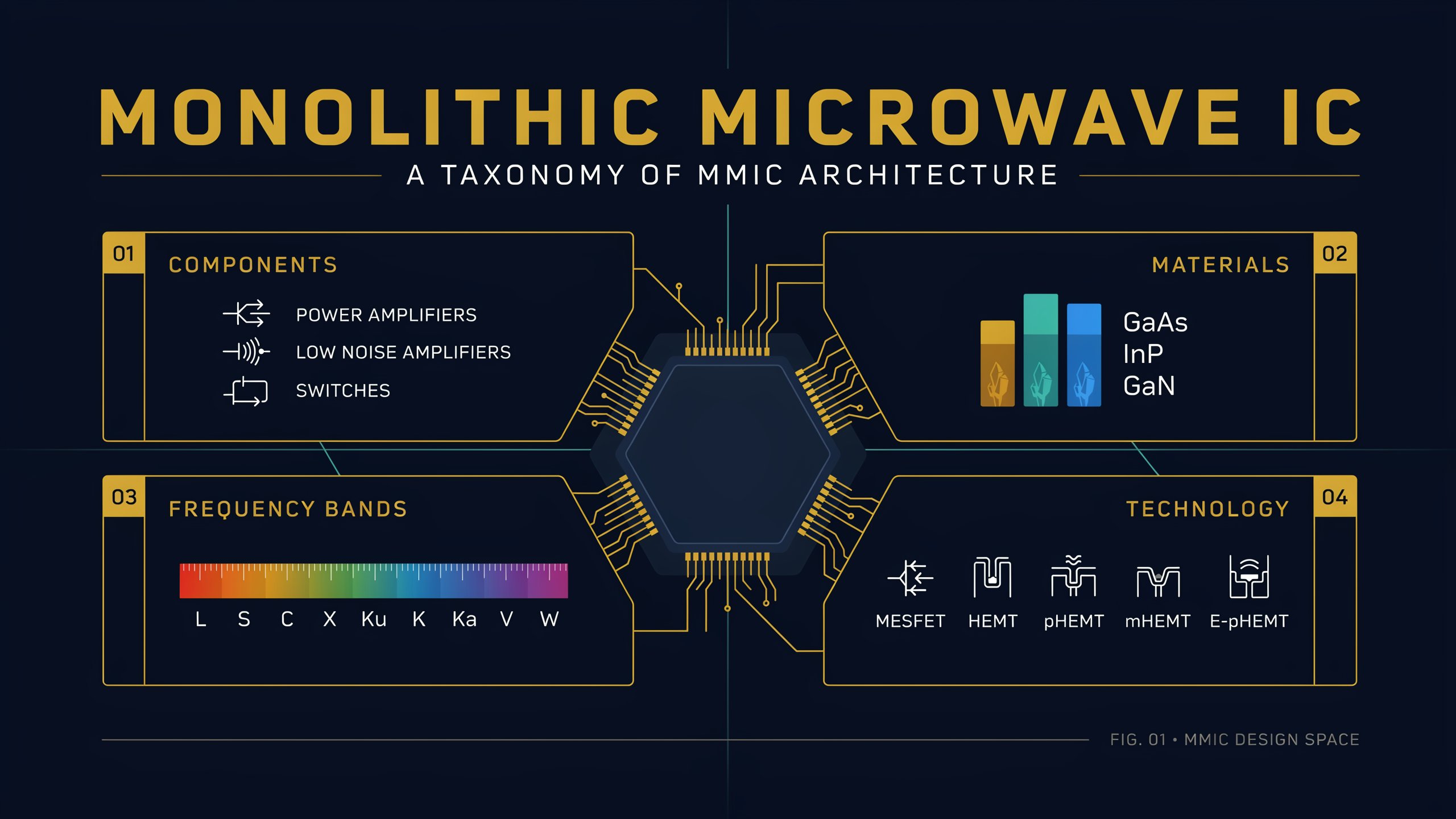
Semiconductor material innovation continues strengthening MMIC capabilities. Gallium nitride, gallium arsenide, silicon germanium, and indium phosphide technologies enable higher operating frequencies, improved thermal management, greater power efficiency, and superior signal quality. These material advances allow MMIC manufacturers to meet increasingly demanding autonomous communication requirements across numerous industries.
Looking ahead, autonomous communication systems will remain one of the most influential drivers shaping the Monolithic Microwave IC Market. Continued advancements in autonomous transportation, industrial automation, artificial intelligence, satellite communications, unmanned aerial systems, edge computing, smart cities, and future wireless technologies will continue increasing demand for highly integrated microwave semiconductor solutions. As communication networks become increasingly autonomous, intelligent, and interconnected, MMICs will play an essential role in enabling reliable, high-performance wireless communication across the next generation of autonomous digital ecosystems.