
Market Overview
The Monolithic Microwave Integrated Circuit (MMIC) Market is expanding as advanced radio frequency (RF) technologies become increasingly important across telecommunications, aerospace and defense, satellite communication, automotive electronics, and industrial applications. MMICs integrate multiple microwave functions, including amplification, frequency conversion, switching, and phase shifting, into a single semiconductor chip. This integration improves signal performance, reduces circuit complexity, and supports compact electronic system designs.
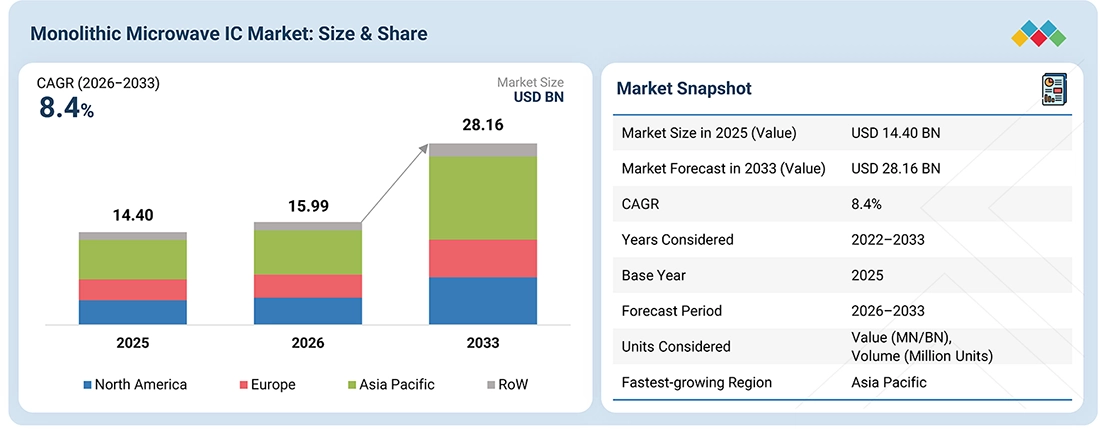
The growing demand for high-speed wireless connectivity, wider communication bandwidth, advanced radar capabilities, and reliable satellite networks is encouraging the adoption of sophisticated RF semiconductor solutions. As communication systems move toward higher frequencies and more complex architectures, advanced MMIC technologies are becoming essential for improving transmission efficiency, receiver sensitivity, and overall system reliability. According to MarketsandMarkets estimates, the global MMIC market is projected to grow from USD 15.99 billion in 2026 to USD 28.16 billion by 2033, registering a CAGR of 8.4% during the forecast period.
Advanced RF Front-End Integration Drives Market Expansion
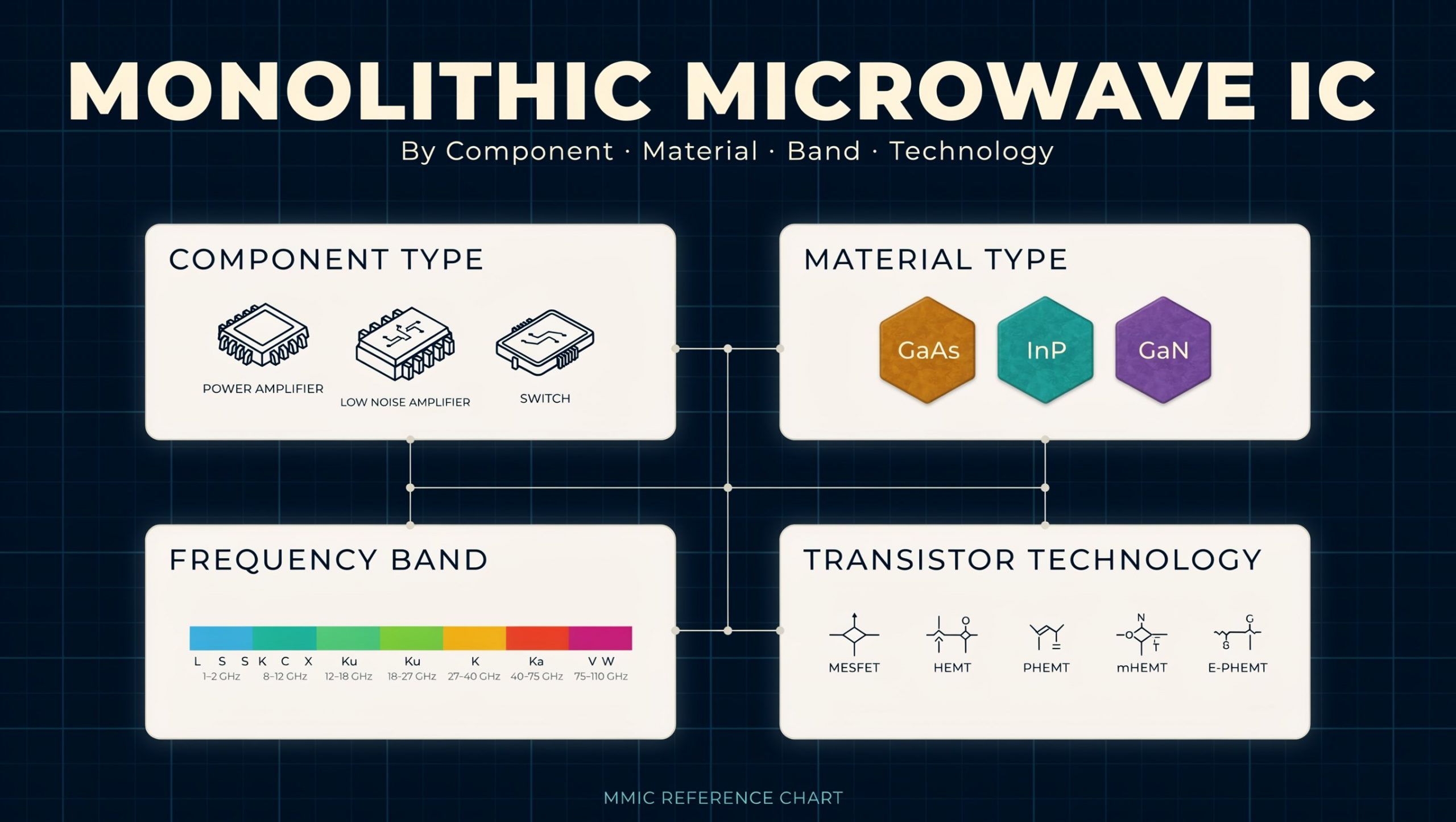
Advanced RF front-end technologies are creating significant opportunities for MMIC manufacturers. Modern wireless devices and communication infrastructure require multiple RF components to manage signal transmission, reception, amplification, and filtering. Integrating these functions into compact semiconductor architectures helps reduce component count, improve electrical performance, and simplify system design.
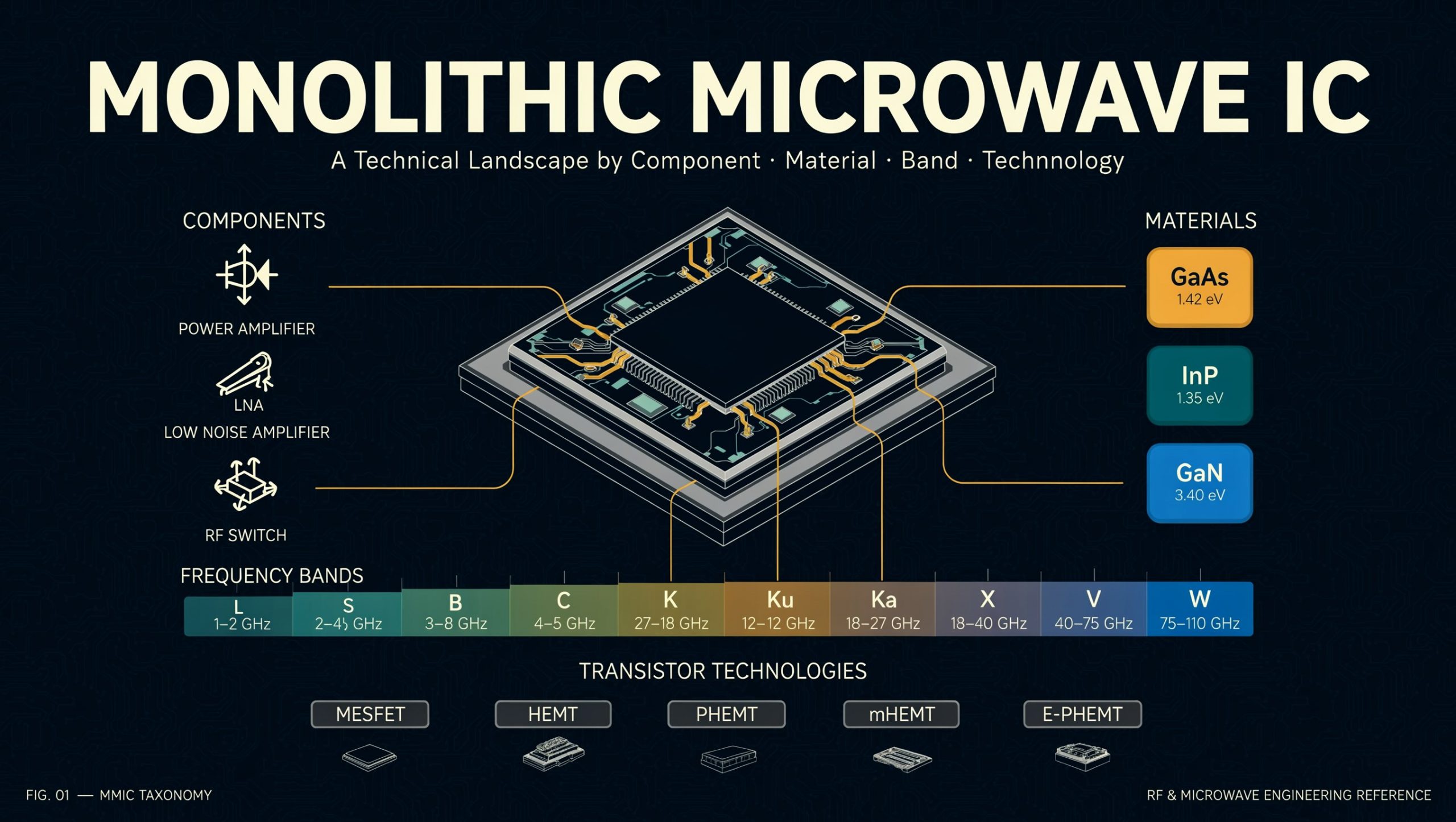
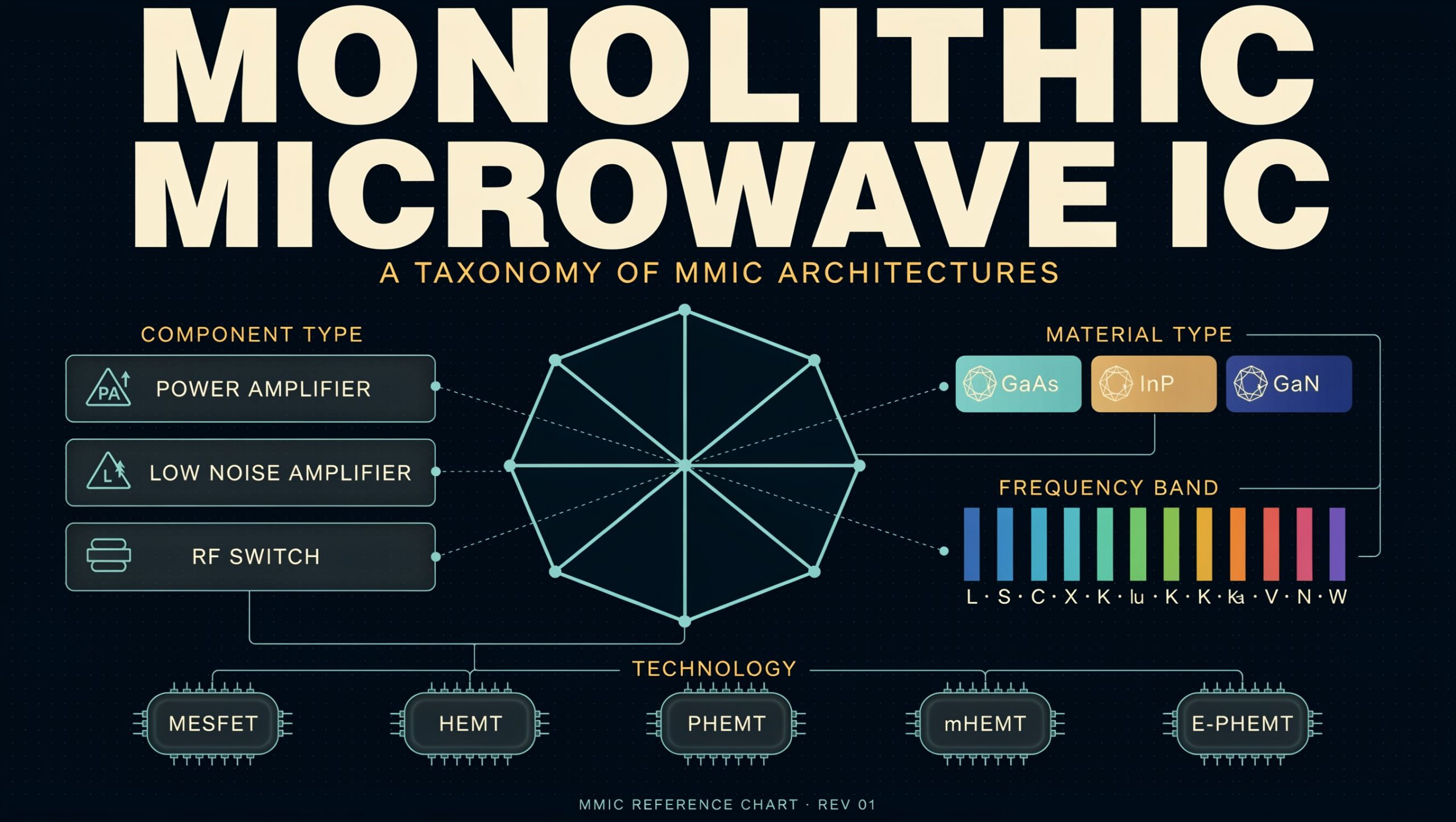
MMICs are widely used in power amplifiers, low-noise amplifiers, RF switches, mixers, and phase shifters. These components support communication equipment operating across different frequency bands. The increasing deployment of 5G infrastructure, including small cells and millimeter-wave base stations, is creating demand for integrated RF front-end solutions with improved efficiency and bandwidth capabilities. Manufacturers are focusing on multifunctional MMIC designs that support higher levels of integration while maintaining signal quality.
Download PDF Brochure @ https://www.marketsandmarkets.com/pdfdownloadNew.asp?id=86745565
GaN and GaAs Technologies Strengthen RF Performance
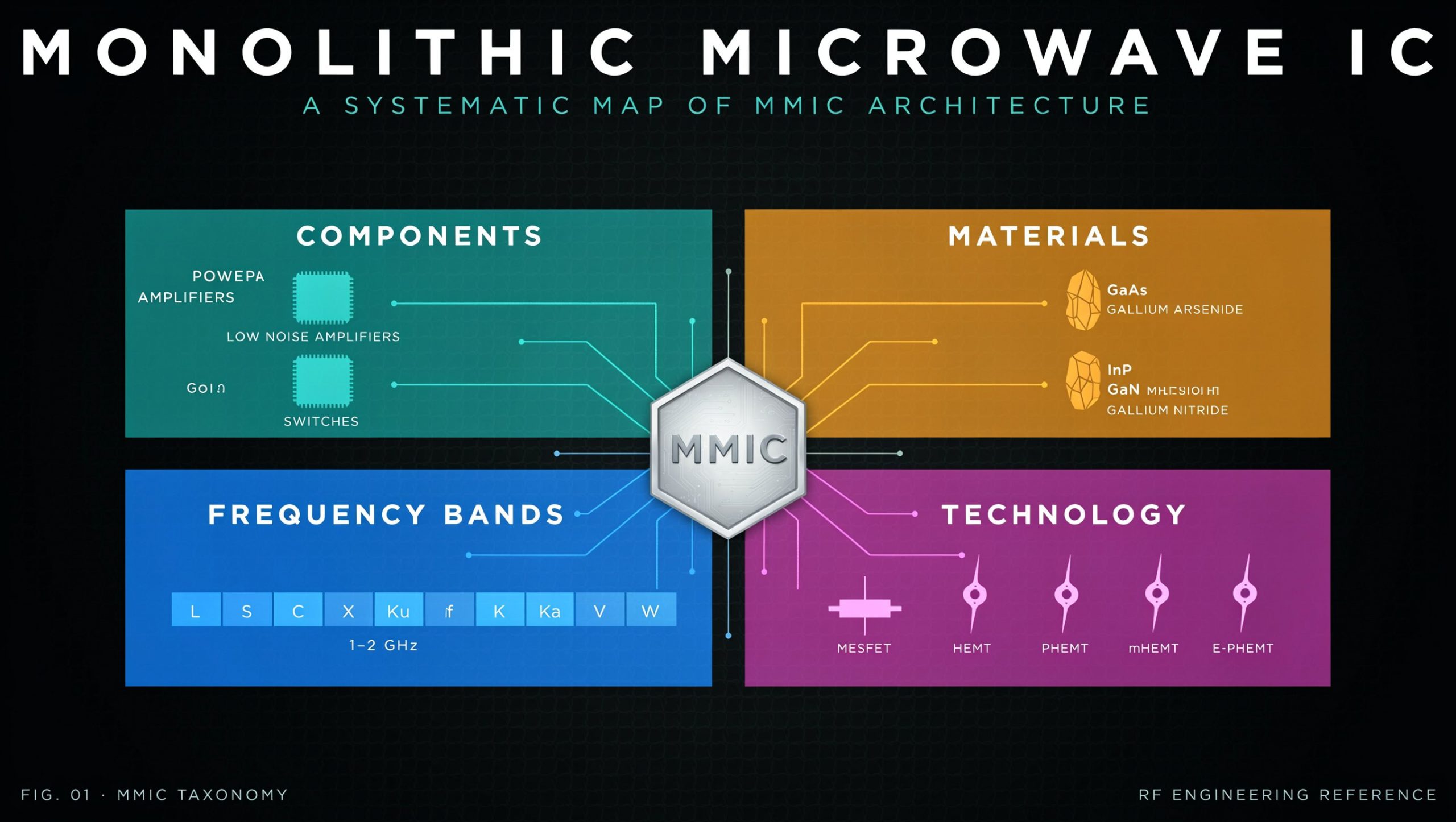
Advancements in compound semiconductor materials are playing an important role in expanding the MMIC market. Gallium nitride (GaN) technology is gaining attention because of its high power density, efficiency, and ability to operate at elevated frequencies. These characteristics make GaN-based MMICs suitable for high-power amplifiers used in defense radar, electronic warfare, satellite communication, and wireless infrastructure.
Gallium arsenide (GaAs) remains important for applications requiring strong high-frequency performance and low-noise characteristics. It is widely used in satellite terminals, RF receivers, and communication systems. Silicon germanium and RF CMOS technologies are also supporting the development of cost-effective and highly integrated RF circuits. The availability of different semiconductor materials allows manufacturers to select suitable technologies based on frequency, power, efficiency, and application requirements.
5G and Emerging 6G Networks Accelerate RF Innovation
The expansion of 5G networks is a major driver of advanced RF technology adoption. Telecommunications operators are investing in massive multiple-input multiple-output systems, millimeter-wave infrastructure, advanced antennas, and network densification to increase capacity and improve connectivity. These systems depend on high-performance MMICs to manage complex RF signals and support reliable wireless transmission.
Research into 6G communication is expected to create additional opportunities for advanced microwave integrated circuits. Future networks are being developed around higher-frequency spectrum, ultra-high data rates, intelligent antenna systems, and integrated sensing capabilities. These requirements are encouraging semiconductor companies to improve frequency performance, power efficiency, and circuit integration. MMICs capable of supporting millimeter-wave and emerging terahertz applications could become increasingly important as next-generation communication technologies mature.
Inquiry Before Buying @ https://www.marketsandmarkets.com/Enquiry_Before_BuyingNew.asp?id=86745565
Beamforming and Phased-Array RF Technologies
Beamforming is transforming wireless communication and radar systems by enabling electronic control over the direction of transmitted and received signals. MMICs integrate phase shifters, amplifiers, switches, and control circuits required for phased-array antenna systems. These technologies improve signal directionality, coverage, and communication reliability.
The adoption of beamforming is increasing across 5G infrastructure, satellite communication terminals, military radar, and aerospace applications. Electronically steered antennas are particularly valuable in satellite systems because they can maintain communication links without relying on traditional mechanical antenna movement. Growing demand for compact and electronically controlled antenna platforms is encouraging manufacturers to develop advanced beamforming MMIC solutions.
Advanced Packaging and RF System Integration
Advanced packaging technologies are improving the integration of RF components into smaller and more efficient systems. Wafer-level packaging, flip-chip assembly, chiplet architectures, antenna-in-package solutions, and heterogeneous integration are supporting the development of compact microwave modules. These technologies allow different semiconductor materials and circuit functions to work together within a unified architecture.
Heterogeneous integration is particularly relevant for combining GaN power devices with silicon-based control and signal-processing circuits. This approach can improve overall system functionality while addressing performance requirements across different applications. Manufacturers are also investing in thermal management and packaging reliability to support high-power and high-frequency operation.
View detailed Table of Content here – https://www.marketsandmarkets.com/Market-Reports/monolithic-microwave-ic-market-86745565.html
Competitive Landscape and Industry Developments
The competitive landscape includes companies such as Qorvo, Analog Devices, MACOM, and NXP Semiconductors, which participate in the broader RF and microwave semiconductor industry. Competition is increasingly influenced by semiconductor material innovation, frequency capabilities, power efficiency, manufacturing quality, and application-specific product development.
Companies are strengthening research and development activities to deliver advanced RF solutions for telecommunications, defense, satellite communication, and automotive electronics. Collaboration with equipment manufacturers and research institutions is also supporting the development of next-generation microwave technologies.
Future Outlook
Advanced RF technologies will remain central to the expansion of the Monolithic Microwave IC Industry. Increasing demand for integrated RF front ends, high-frequency amplifiers, beamforming circuits, and efficient semiconductor materials will create opportunities across communication and electronic industries. As 5G deployments expand and 6G, satellite broadband, and advanced radar technologies progress, MMIC manufacturers will continue to focus on higher integration, improved energy efficiency, and reliable high-frequency performance.