
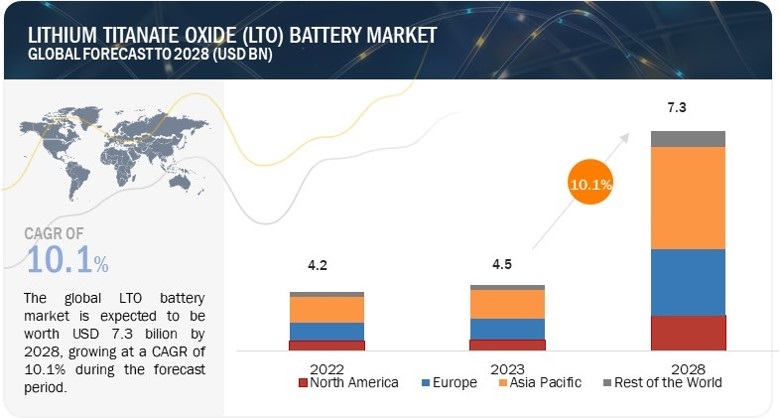
The Lithium Titanate Oxide (LTO) Battery Market is experiencing notable expansion as advanced manufacturing processes continue to transform production efficiency, performance quality, and commercial viability. As industries increasingly seek high-performance battery technologies for electric transportation, renewable energy storage, industrial automation, and smart infrastructure applications, manufacturers are investing heavily in innovative production techniques to improve LTO battery capabilities. These advancements are enabling battery producers to address traditional challenges related to production costs, scalability, and energy density while preserving the core advantages of LTO technology, including rapid charging, long cycle life, enhanced safety, and thermal stability.
One of the most significant contributors to LTO battery market growth is the adoption of precision material engineering in manufacturing. Advanced synthesis methods for lithium titanate nanoparticles have significantly improved the structural consistency and electrochemical properties of battery materials. Manufacturers are now using highly controlled production environments to optimize particle size, crystal uniformity, and surface conductivity. These improvements enhance lithium-ion transport efficiency and reduce internal resistance, resulting in batteries with faster charging capabilities and more stable long-term performance. Such precision manufacturing is critical for ensuring that LTO batteries meet the demanding requirements of modern energy storage applications.
Download PDF Brochure @ https://www.marketsandmarkets.com/pdfdownloadNew.asp?id=161263677
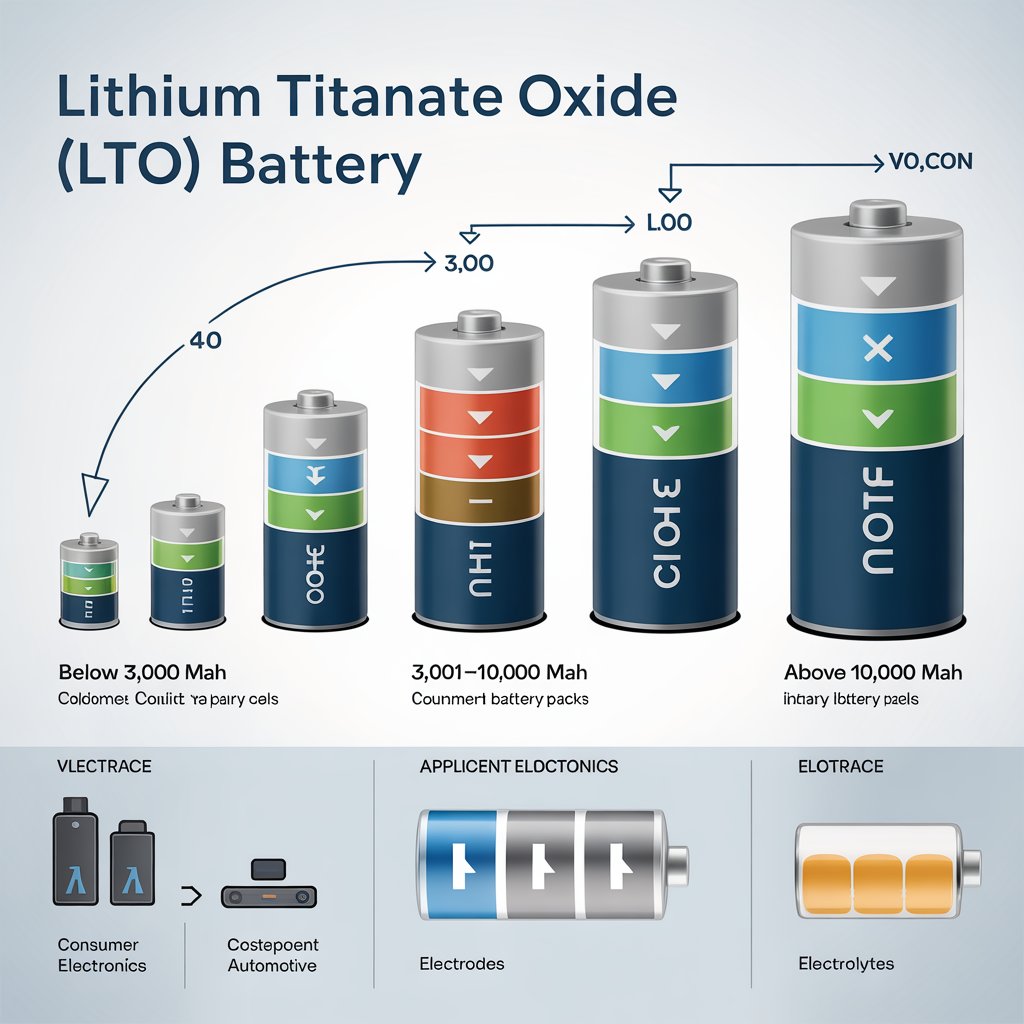 Automation and smart manufacturing technologies are also playing a major role in market expansion. Battery production facilities are increasingly incorporating robotics, artificial intelligence, and machine learning-driven quality control systems to streamline manufacturing operations. Automated assembly lines improve consistency in electrode coating, cell stacking, and sealing processes while reducing production errors. Real-time process monitoring allows manufacturers to identify deviations instantly and maintain strict quality standards. This level of manufacturing intelligence enhances product reliability and supports large-scale production, making LTO batteries more accessible to a wider range of industries.
Innovations in electrode fabrication processes are further strengthening the LTO battery market. Traditional electrode production methods often face challenges related to coating uniformity and material utilization efficiency. Advanced coating technologies, including precision slurry deposition and laser-assisted processing, are improving electrode structure and enhancing battery performance. These methods enable more uniform active material distribution, resulting in better conductivity, higher power output, and improved charge-discharge efficiency. Enhanced electrode manufacturing also contributes to longer battery life and reduced degradation over repeated cycles.
Another key trend supporting market growth is the development of scalable modular manufacturing systems. As demand for LTO batteries increases across sectors, manufacturers are shifting toward flexible production lines capable of adapting to different battery formats and capacities. Modular manufacturing allows faster customization for specific applications such as electric buses, telecom backup systems, grid-scale energy storage, and industrial automation. This production flexibility reduces lead times and supports rapid response to evolving market demands, accelerating the commercial deployment of LTO battery solutions.
Inquiry Before Buying @ https://www.marketsandmarkets.com/Enquiry_Before_BuyingNew.asp?id=161263677
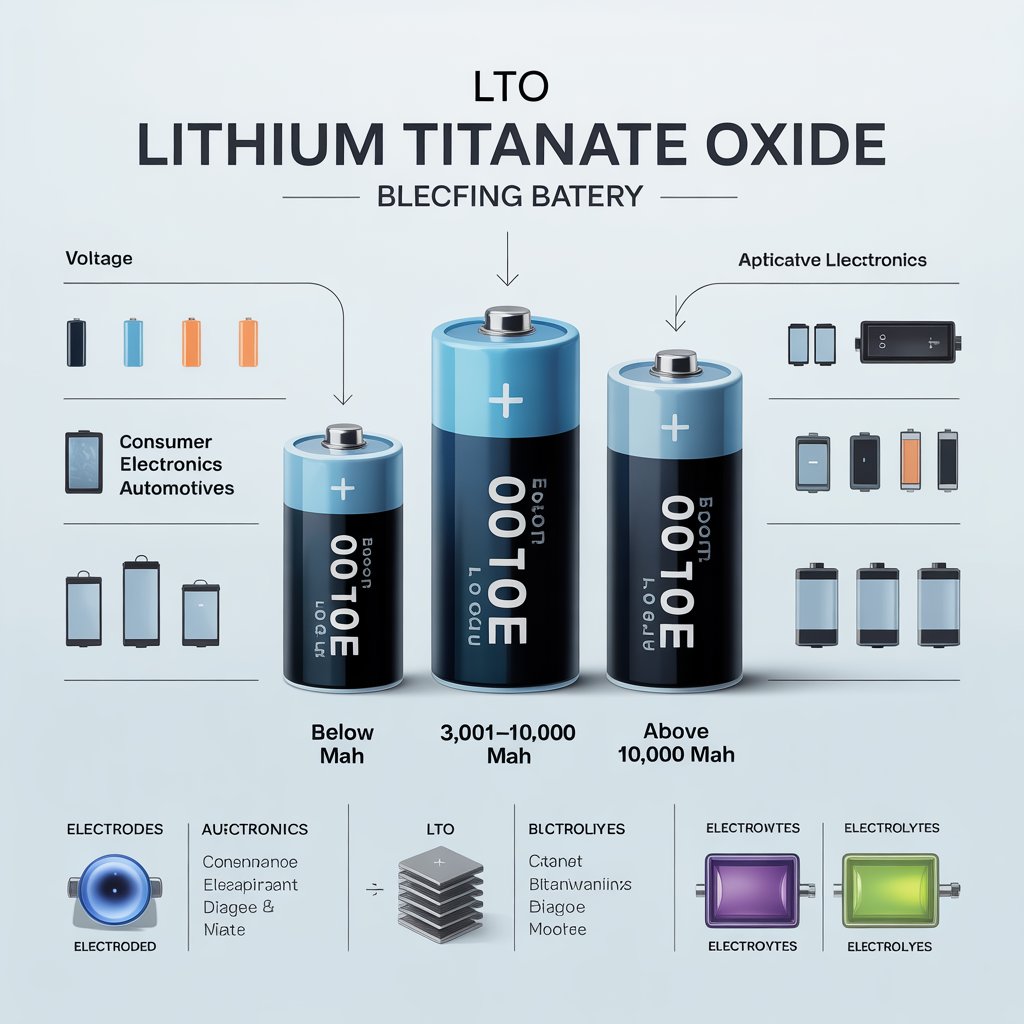 Advanced thermal integration during battery manufacturing is also contributing to market expansion. Effective heat management is essential for maintaining battery performance and safety, particularly in high-power applications. Manufacturers are now embedding advanced thermal control components directly into battery cells and modules during production. These integrated thermal solutions improve heat dissipation, reduce operational stress, and enhance charging efficiency. Such innovations strengthen the performance advantages of LTO batteries, particularly in environments requiring intensive charging and discharging cycles.
Cost optimization through advanced manufacturing is another critical factor driving the expansion of the LTO battery market. Historically, higher production costs have been a barrier to broader adoption of LTO technology. However, improvements in raw material processing, automated assembly, and waste reduction techniques are significantly lowering manufacturing expenses. Enhanced resource efficiency and streamlined production workflows are helping manufacturers achieve economies of scale. As costs continue to decline, LTO batteries are becoming more competitive with other lithium-ion chemistries across diverse applications.
Digital twin technology and data-driven manufacturing analytics are emerging as valuable tools in LTO battery production. These technologies allow manufacturers to simulate battery behavior during the design and production phases, enabling process optimization before physical manufacturing begins. Predictive modeling improves production efficiency, reduces material waste, and shortens product development cycles. This advanced manufacturing intelligence is accelerating innovation and improving overall market competitiveness.
View detailed Table of Content here – https://www.marketsandmarkets.com/Market-Reports/lithium-titanate-oxide-lot-battery-market-161263677.html
Regional manufacturing hubs, particularly in Asia-Pacific, are playing a leading role in advancing LTO battery production processes. Countries such as China, Japan, and South Korea are investing heavily in battery manufacturing infrastructure and research capabilities. North America and Europe are also strengthening domestic battery production through strategic investments aimed at building resilient supply chains and supporting energy transition goals.
The expansion of the Lithium Titanate Oxide battery market is closely linked to continuous advancements in manufacturing processes. As precision engineering, automation, scalable production systems, and cost optimization strategies continue to evolve, LTO batteries are becoming increasingly efficient and commercially attractive. These manufacturing innovations are unlocking new opportunities for widespread adoption and positioning LTO technology as a key driver of future energy storage development across global markets.