
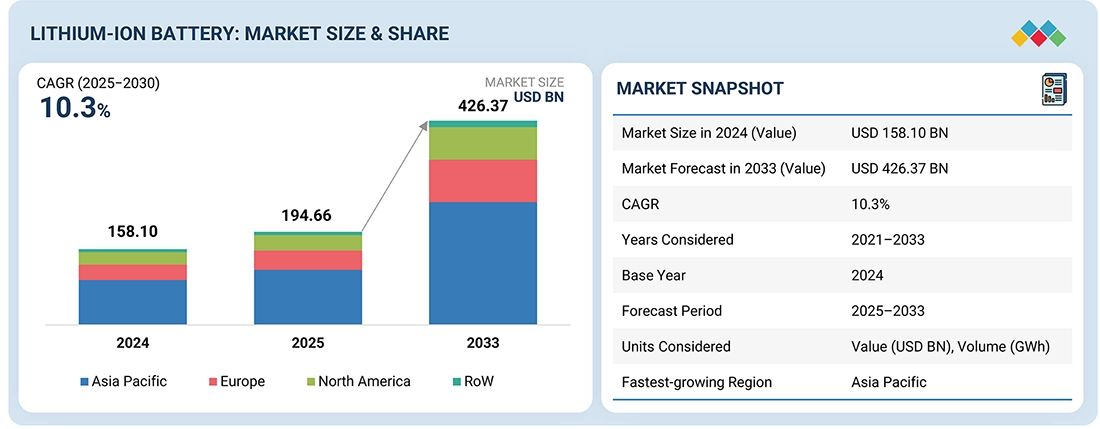
The Lithium-ion Battery Market is entering a transformative phase as demand for high-efficiency energy storage solutions accelerates across electric mobility, renewable energy integration, consumer electronics, and grid infrastructure. Lithium-ion batteries have become a preferred energy storage technology because of their high energy density, relatively long operating life, fast response capabilities, and declining manufacturing costs. As power systems increasingly incorporate intermittent renewable sources such as solar and wind, the need for flexible and reliable storage technologies is creating significant opportunities for lithium-ion battery manufacturers and technology providers.
The transition toward decentralized and renewable power generation is one of the strongest factors supporting the outlook for the lithium-ion battery market. Solar and wind power generation can fluctuate according to weather conditions and time of day, creating challenges for maintaining grid stability. Battery energy storage systems equipped with lithium-ion technology can store excess electricity during periods of high generation and discharge it when demand increases. This capability enables better utilization of renewable power while reducing dependence on conventional peaking plants and improving overall energy system efficiency.
Download PDF Brochure @ https://www.marketsandmarkets.com/pdfdownloadNew.asp?id=49714593
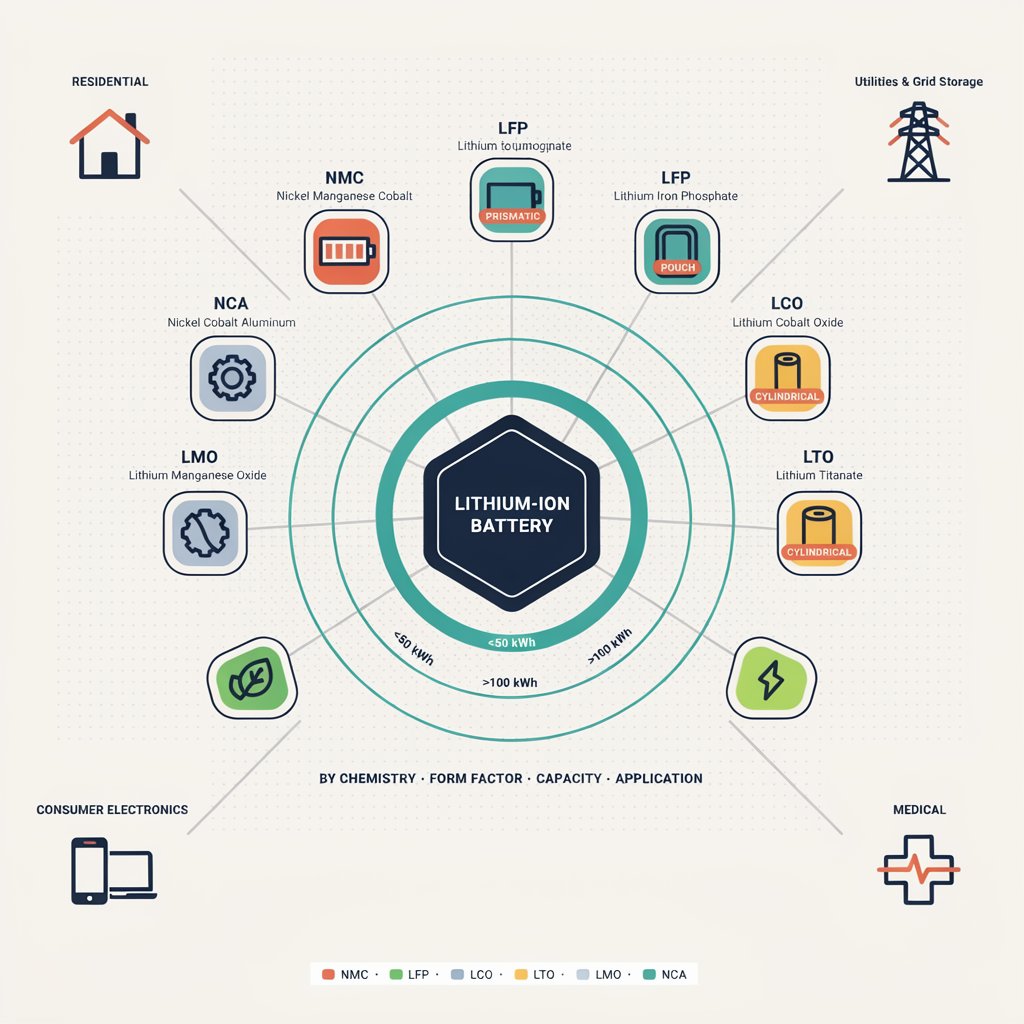
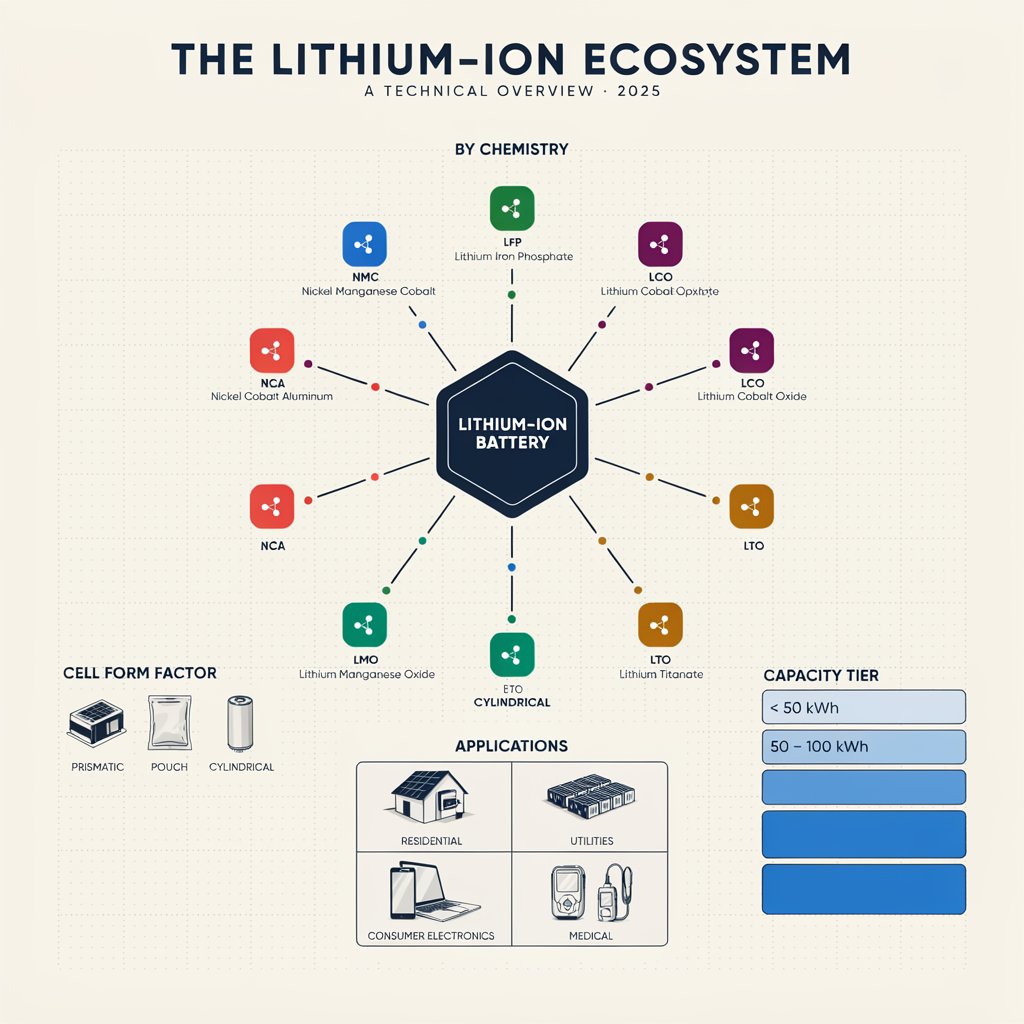
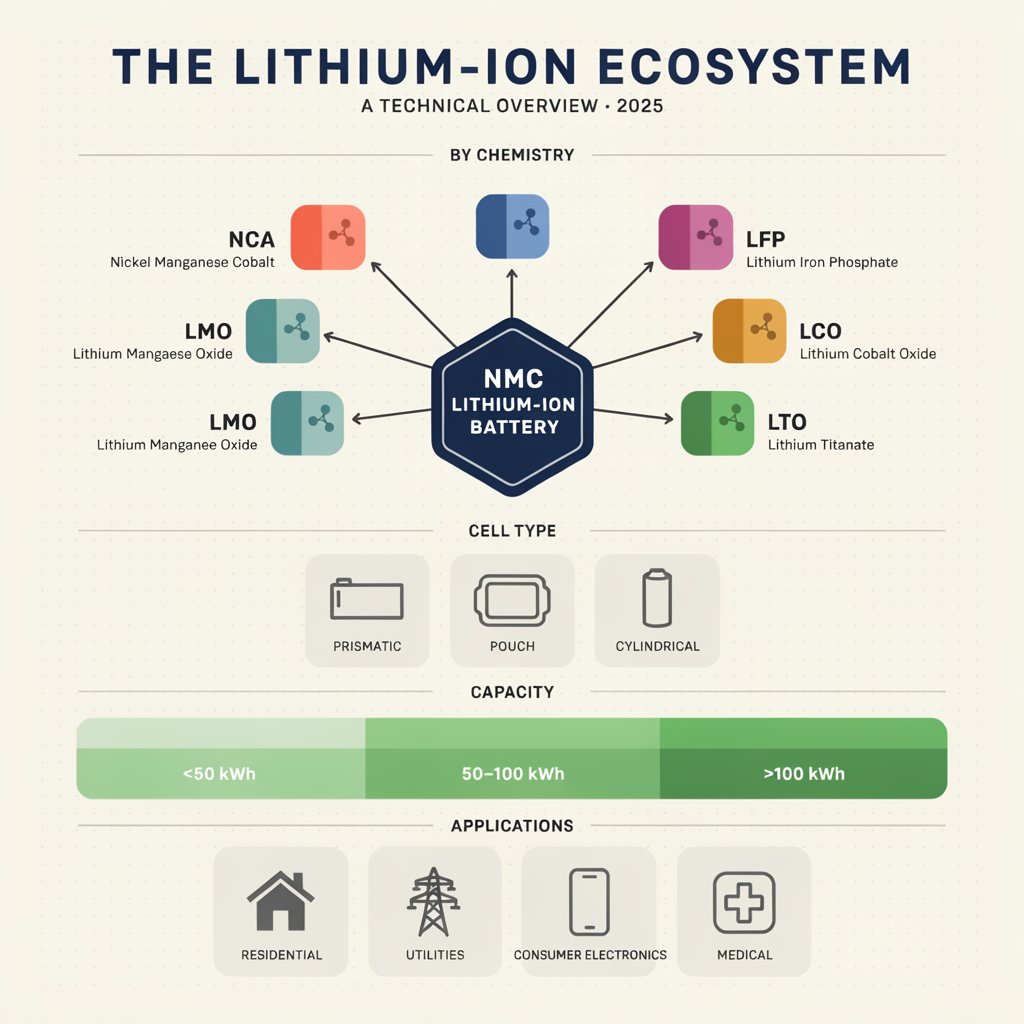
Advancements in lithium-ion battery chemistry are also contributing to the development of high-efficiency storage solutions. Lithium iron phosphate batteries are gaining attention for stationary energy storage applications because of their thermal stability, long cycle life, and improved safety characteristics. Nickel manganese cobalt chemistries continue to serve applications requiring higher energy density, particularly in electric vehicles and portable electronics. At the same time, manufacturers are optimizing electrode materials, cell designs, electrolytes, and manufacturing processes to improve energy density, charging performance, durability, and safety.
The growing deployment of battery energy storage systems is expected to create substantial opportunities for lithium-ion battery suppliers. Utility-scale storage projects are increasingly being installed alongside renewable power plants to manage energy fluctuations and support grid balancing. Commercial and industrial facilities are also adopting battery systems to reduce peak electricity costs, improve backup power capabilities, and increase the use of on-site renewable generation. Residential energy storage is expanding as homeowners seek greater energy independence and improved resilience against grid interruptions. These applications are broadening the addressable market for lithium-ion battery technologies beyond electric vehicles and consumer electronics.
Inquiry Before Buying @ https://www.marketsandmarkets.com/Enquiry_Before_BuyingNew.asp?id=49714593
Battery management systems are becoming increasingly important for achieving high-efficiency energy storage. Advanced BMS technologies continuously monitor cell voltage, temperature, current, state of charge, and state of health to optimize battery operation. Integration of artificial intelligence, machine learning, cloud connectivity, and predictive analytics can further improve battery performance by identifying degradation patterns and potential faults. These capabilities allow operators to optimize charging and discharging cycles, extend battery service life, and improve system reliability.
The lithium-ion battery market is also benefiting from improvements in battery manufacturing and supply-chain capabilities. Automation, digital manufacturing, advanced quality-control systems, and data analytics are helping manufacturers increase production efficiency and maintain consistent cell quality. Gigafactory-scale production is enabling economies of scale while supporting the growing demand for batteries across automotive and stationary storage applications. Manufacturers are simultaneously working to reduce material consumption, improve production yields, and develop more sustainable manufacturing processes.
Recycling and second-life applications are expected to become increasingly important as the installed base of lithium-ion batteries expands. Retired electric vehicle batteries can potentially be repurposed for stationary storage applications when their remaining capacity is no longer optimal for automotive use. Battery recycling can also recover valuable materials and reduce dependence on newly mined resources. Improvements in recycling technologies and closed-loop supply chains are therefore expected to support the long-term sustainability and resilience of the lithium-ion battery ecosystem.
View detailed Table of Content here – https://www.marketsandmarkets.com/Market-Reports/lithium-ion-battery-market-49714593.html
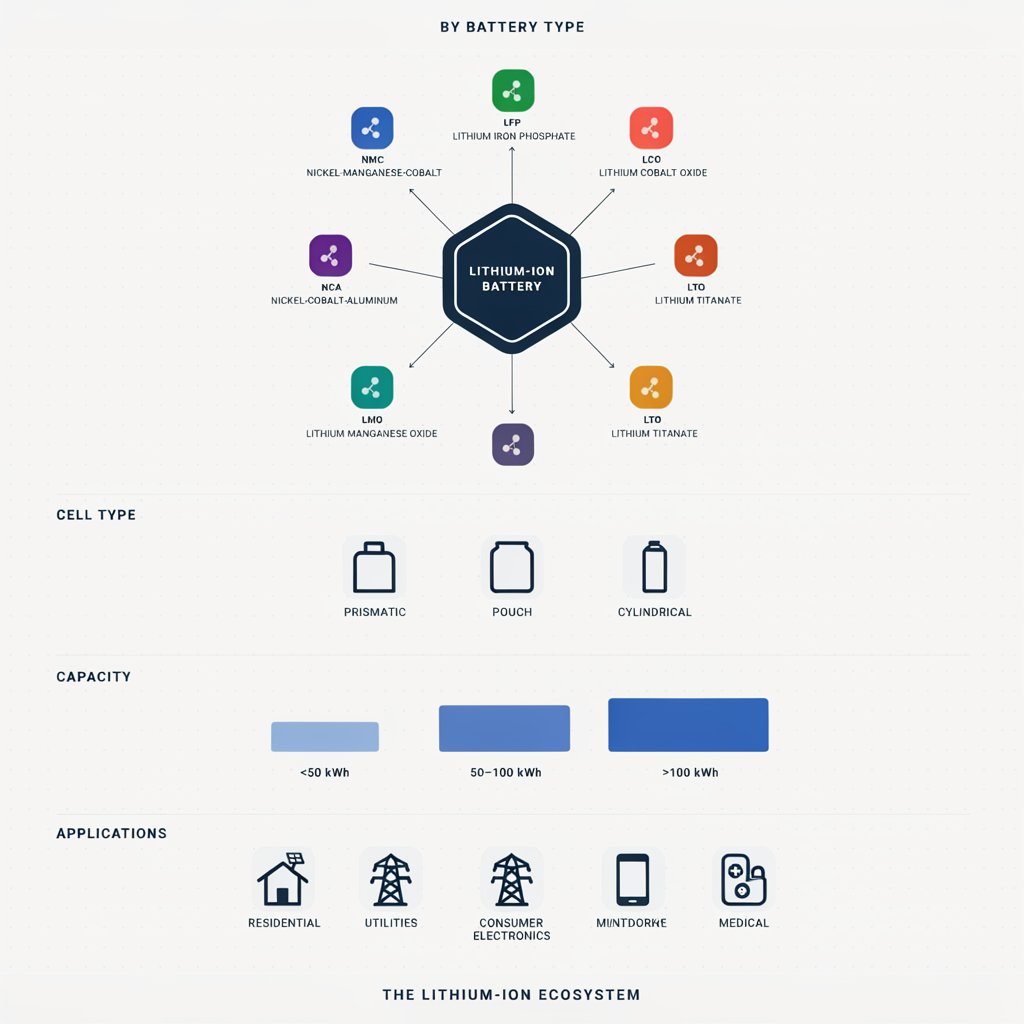
Despite strong growth prospects, the market faces challenges related to raw material availability, thermal management, safety, supply-chain volatility, and end-of-life management. Lithium, nickel, cobalt, graphite, and other critical materials can experience fluctuations in availability and pricing. Manufacturers are responding by diversifying supply chains, developing alternative chemistries, improving material efficiency, and increasing recycling capabilities. These efforts are expected to strengthen the industry’s ability to meet growing demand while reducing exposure to supply disruptions.
Looking ahead, the Lithium-ion Battery Industry is expected to remain central to the global transition toward electrification and renewable energy. Continuous improvements in cell chemistry, energy density, charging efficiency, battery management, thermal management, manufacturing automation, and recycling will enhance the competitiveness of lithium-ion technology. The convergence of lithium-ion batteries with smart grids, artificial intelligence, renewable generation, electric vehicles, and distributed energy resources will further expand market opportunities.
The future outlook for lithium-ion batteries is therefore closely connected to the broader development of high-efficiency energy infrastructure. As governments, utilities, automakers, technology companies, and industrial organizations increase investments in electrification and energy transition initiatives, demand for reliable and efficient storage is expected to rise. Lithium-ion battery technology, supported by ongoing innovation and expanding manufacturing capacity, is positioned to remain a major solution for storing and managing electricity across a wide range of applications.