
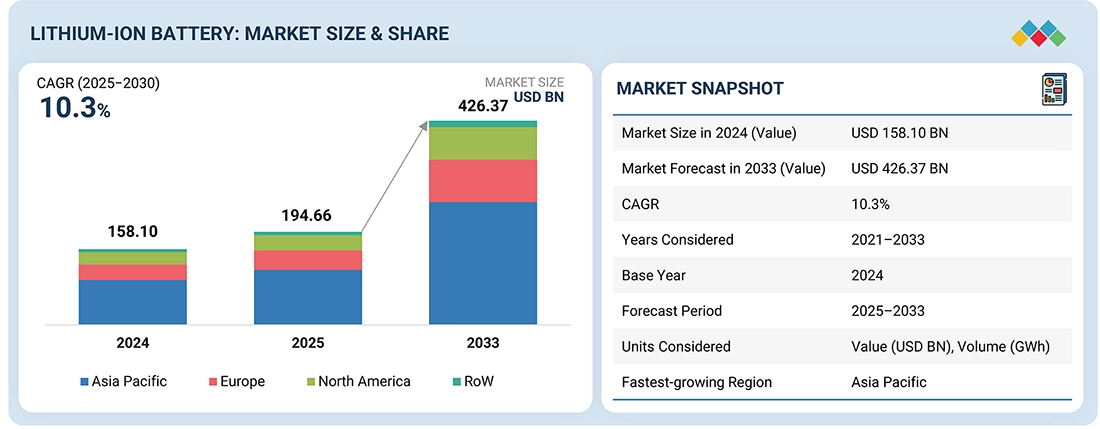
The Lithium-ion Battery Market is experiencing significant growth in smart building applications as the demand for energy-efficient, sustainable, and digitally connected infrastructure continues to increase worldwide. Smart buildings utilize advanced technologies such as automated energy management systems, Internet of Things (IoT) devices, intelligent lighting controls, smart HVAC systems, renewable energy integration, and real-time monitoring platforms to optimize operational efficiency and occupant comfort. As these buildings become more sophisticated, the need for reliable and efficient energy storage solutions is growing rapidly. Lithium-ion batteries have emerged as a preferred technology due to their high energy density, long operational lifespan, fast charging capabilities, and seamless compatibility with modern building management systems. Their increasing adoption is becoming a key factor driving expansion in the global lithium-ion battery market.
One of the primary drivers of lithium-ion battery demand in smart buildings is the growing emphasis on energy efficiency. Building owners and facility managers are continuously seeking ways to reduce energy consumption, lower operating costs, and improve sustainability performance. Lithium-ion battery systems enable smart buildings to store energy during periods of low demand or low electricity prices and use it during peak consumption periods. This approach helps reduce energy expenses while improving overall energy utilization. As energy efficiency regulations become more stringent and sustainability goals become more ambitious, battery storage systems are becoming an essential component of smart building strategies.
The integration of renewable energy systems within smart buildings is another important factor supporting market growth. Many commercial and residential buildings are installing rooftop solar panels and other renewable energy technologies to reduce dependence on conventional electricity sources. However, renewable energy generation is often variable and may not always align with energy consumption patterns. Lithium-ion batteries address this challenge by storing excess renewable energy for later use, ensuring a more consistent and reliable power supply. This capability enhances the value of renewable energy investments and supports broader efforts to create sustainable building environments.
Download PDF Brochure @ https://www.marketsandmarkets.com/pdfdownloadNew.asp?id=49714593
Smart building automation systems are increasingly incorporating energy storage technologies as part of comprehensive energy management strategies. Advanced building management platforms monitor energy generation, storage, and consumption in real time, enabling optimized energy distribution throughout the facility. Lithium-ion batteries integrated with these systems can automatically charge and discharge based on energy demand, electricity pricing, and renewable energy availability. This level of automation improves operational efficiency and helps building operators achieve significant energy savings.
The growing adoption of smart grids is also contributing to the expansion of lithium-ion battery applications in buildings. Smart grids enable two-way communication between buildings and utility providers, creating opportunities for more efficient energy management. Lithium-ion batteries can support demand response programs by storing energy during off-peak periods and supplying it during times of high grid demand. This capability helps reduce pressure on electricity networks while providing financial benefits to building owners. As smart grid infrastructure becomes more widespread, the role of battery storage within connected buildings is expected to increase significantly.
Energy resilience is becoming an increasingly important consideration for modern building owners. Commercial offices, healthcare facilities, educational institutions, data centers, and residential complexes require reliable power supplies to maintain operations and ensure occupant safety. Lithium-ion batteries provide dependable backup power during grid outages and electrical disruptions. Their rapid response capabilities and high reliability make them particularly valuable for critical building systems that must remain operational at all times. As concerns about energy security continue to grow, demand for advanced battery storage solutions is expected to increase.
Inquiry Before Buying @ https://www.marketsandmarkets.com/Enquiry_Before_BuyingNew.asp?id=49714593
The rise of electric vehicle charging infrastructure within smart buildings is creating additional opportunities for lithium-ion battery deployment. Many commercial and residential properties are installing electric vehicle charging stations to support growing EV adoption. These charging systems can place significant demands on building electrical infrastructure, particularly during peak charging periods. Lithium-ion batteries help manage these energy requirements by storing electricity and supplying power to charging stations when needed. This capability improves energy efficiency and reduces strain on local electricity networks.
Technological advancements in battery management systems are enhancing the effectiveness of lithium-ion batteries within smart building environments. Modern battery management platforms continuously monitor performance parameters such as temperature, voltage, charge levels, and battery health. These systems optimize battery operation, improve safety, and extend operational lifespan. Integration with building automation platforms enables facility managers to gain detailed insights into energy storage performance and make informed decisions regarding energy management strategies.
Artificial intelligence and data analytics are further strengthening the role of lithium-ion batteries in smart buildings. AI-powered energy management systems can analyze historical energy consumption patterns, predict future demand, and automatically optimize battery usage. These capabilities improve overall building efficiency while maximizing the economic value of energy storage assets. Intelligent energy management is becoming a critical feature of next-generation smart building infrastructure and is driving increased adoption of advanced battery technologies.
View detailed Table of Content here – https://www.marketsandmarkets.com/Market-Reports/lithium-ion-battery-market-49714593.html
Sustainability objectives are also playing a major role in market expansion. Governments, businesses, and property developers are increasingly prioritizing green building initiatives and carbon reduction strategies. Lithium-ion batteries support these goals by enabling greater renewable energy utilization, reducing energy waste, and improving building efficiency. Their long lifespan and compatibility with clean energy technologies make them a valuable tool for achieving environmental performance targets and obtaining green building certifications.
Continuous advancements in lithium-ion battery technology are making these systems more attractive for smart building applications. Improvements in energy density, charging efficiency, thermal management, and manufacturing processes are enhancing performance while reducing costs. These innovations are expanding the range of applications where lithium-ion batteries can be deployed and improving their overall return on investment for building owners and operators.
Looking ahead, smart building applications will remain an important growth driver for the lithium-ion battery market. The increasing adoption of building automation systems, renewable energy technologies, smart grids, electric vehicle infrastructure, and energy-efficient construction practices is creating strong demand for advanced energy storage solutions. With their superior performance, scalability, reliability, and integration capabilities, lithium-ion batteries are well positioned to support the next generation of intelligent and sustainable buildings. As urban development and digital transformation continue to accelerate, lithium-ion batteries will play an increasingly vital role in shaping the future of smart building infrastructure.
About MarketsandMarkets™
MarketsandMarkets™ has been recognized as one of America’s Best Management Consulting Firms by Forbes, as per their recent report.
MarketsandMarkets™ is a blue ocean alternative in growth consulting and program management, leveraging a man-machine offering to drive supernormal growth for progressive organizations in the B2B space. With the widest lens on emerging technologies, we are proficient in co-creating supernormal growth for clients across the globe.
Today, 80% of Fortune 2000 companies rely on MarketsandMarkets, and 90 of the top 100 companies in each sector trust us to accelerate their revenue growth. With a global clientele of over 13,000 organizations, we help businesses thrive in a disruptive ecosystem.
The B2B economy is witnessing the emergence of $25 trillion in new revenue streams that are replacing existing ones within this decade. We work with clients on growth programs, helping them monetize this $25 trillion opportunity through our service lines – TAM Expansion, Go-to-Market (GTM) Strategy to Execution, Market Share Gain, Account Enablement, and Thought Leadership Marketing.
Built on the ‘GIVE Growth’ principle, we collaborate with several Forbes Global 2000 B2B companies to keep them future-ready. Our insights and strategies are powered by industry experts, cutting-edge AI, and our Market Intelligence Cloud, KnowledgeStore™, which integrates research and provides ecosystem-wide visibility into revenue shifts.