
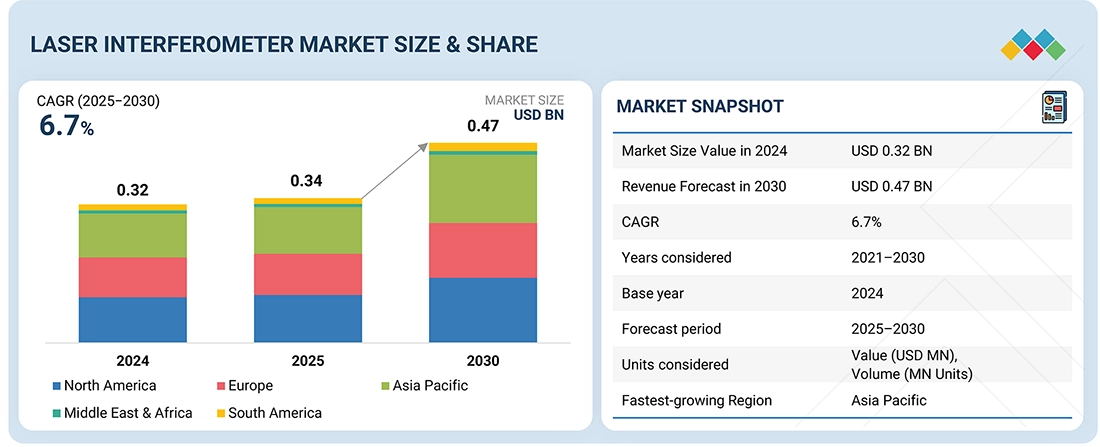
The Laser Interferometer Market is gaining opportunities from the growing use of optical measurement technologies in biomedical imaging, medical diagnostics, and life sciences research. Interferometry uses the interaction of light waves to detect small changes in optical path length, distance, and phase, enabling precise analysis of biological structures and optical properties. These capabilities are particularly relevant to imaging systems that require high resolution, non-contact measurement, and detailed visualization of biological tissues. Growing investments in advanced diagnostics, ophthalmology, biomedical instrumentation, and research laboratories are creating opportunities for interferometric technologies across healthcare applications.
Increasing Demand for High-Resolution Biomedical Imaging
Healthcare providers and researchers increasingly require imaging technologies that can reveal detailed information about biological structures. Conventional imaging methods remain important for many diagnostic applications, but certain biomedical investigations benefit from techniques capable of detecting subtle variations in tissue structure and optical properties.
Interferometric methods can support high-resolution imaging by analyzing differences in the optical paths of reflected or scattered light. This principle enables the reconstruction of detailed information from selected biological samples. As demand grows for earlier diagnosis, non-invasive examinations, and more precise clinical assessments, interferometry-based imaging technologies are expected to gain importance in specialized medical applications.
Download PDF Brochure @ https://www.marketsandmarkets.com/pdfdownloadNew.asp?id=83973072
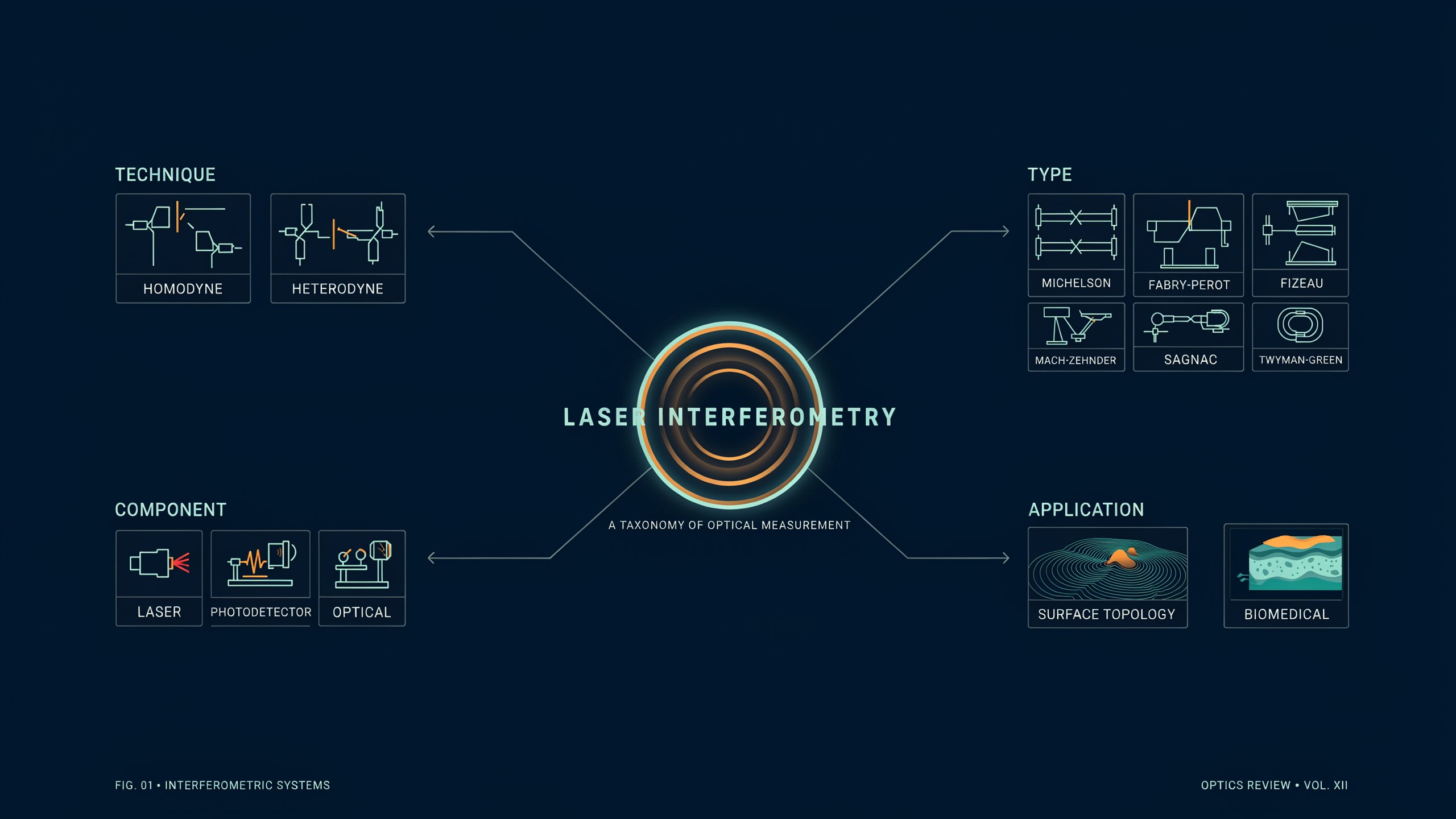
Optical Coherence Tomography Applications
Optical coherence tomography is one of the most significant biomedical applications associated with interferometric principles. OCT uses low-coherence interferometry to generate cross-sectional images of biological tissues by measuring light reflected from different depths within a sample.
The technology is widely used in ophthalmology to examine retinal structures and support the diagnosis and monitoring of eye conditions. It is also being investigated and applied in other medical fields, including dermatology, cardiology, and selected surgical procedures. The increasing use of OCT systems creates opportunities for optical components, light sources, photodetectors, and precision interferometric technologies.
Ophthalmology and Retinal Imaging
Ophthalmology represents an established application area for interferometry-based biomedical imaging. Detailed retinal imaging can help clinicians assess structural changes associated with various eye disorders and monitor disease progression.
OCT systems provide high-resolution views of retinal layers without requiring invasive tissue sampling. Improvements in image acquisition speed, optical sensitivity, and signal processing are helping enhance clinical usability. As eye-care providers expand diagnostic capabilities and demand more detailed retinal assessments, continued development of interferometry-based imaging systems is expected to support market opportunities.
Biomedical Research and Tissue Analysis
Biomedical research laboratories use optical imaging technologies to investigate tissue morphology, cellular structures, and biological processes. Interferometric methods can contribute to studies requiring precise optical measurements and detailed structural information.
Researchers are exploring advanced imaging approaches for applications involving tissue characterization, disease research, cellular analysis, and the evaluation of biological samples. The ability to obtain information without physically contacting the sample can be advantageous when examining delicate tissues. Continued investment in life sciences research and advanced laboratory instrumentation is expected to support demand for specialized interferometric systems.
Inquiry Before Buying @ https://www.marketsandmarkets.com/Enquiry_Before_BuyingNew.asp?id=83973072
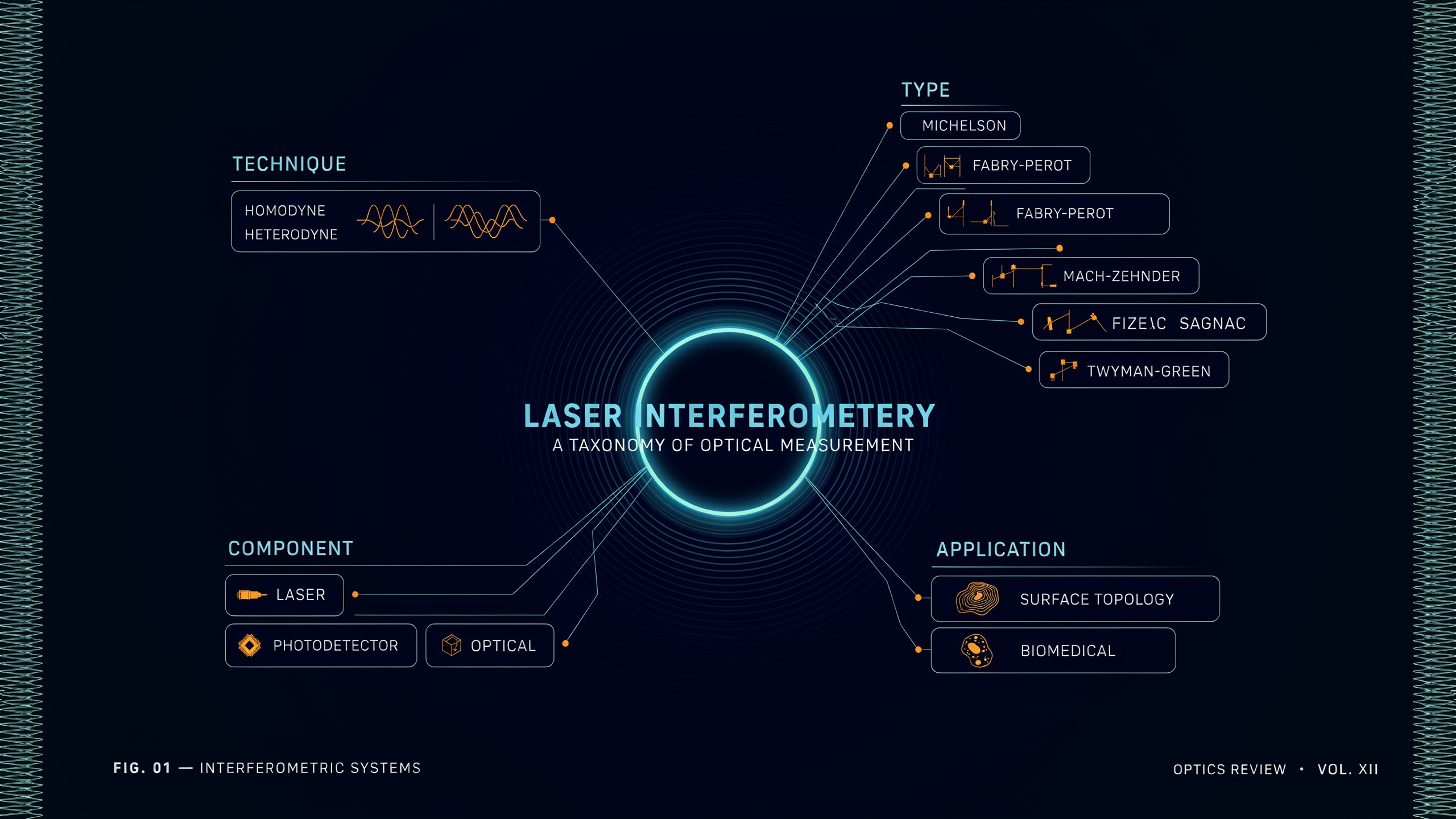
Non-Invasive Diagnostic Technologies
The shift toward non-invasive diagnostic procedures is influencing the development of advanced optical imaging technologies. Medical professionals increasingly seek methods that provide useful diagnostic information while minimizing discomfort and reducing procedural risks for patients.
Interferometry-based imaging can support this objective in applications where reflected light provides sufficient information about tissue structure. OCT is an important example because it can generate detailed tissue images without conventional biopsy procedures. However, suitability depends on the clinical application, tissue characteristics, imaging depth, and diagnostic requirements.
Advances in Lasers and Photodetectors
Laser sources and photodetectors are important components of interferometric imaging systems. The performance of these components affects signal quality, image resolution, acquisition speed, and measurement reliability.
Manufacturers are developing optical systems with improved stability, sensitivity, and compactness. Advances in broadband light sources, low-noise photodetectors, optical filters, and signal acquisition electronics can help improve the performance of biomedical imaging platforms. These developments also support the integration of advanced imaging systems into clinical equipment with limited space and demanding operational requirements.
Artificial Intelligence and Image Processing
Artificial intelligence is creating new opportunities to improve biomedical image interpretation. AI-based algorithms can analyze large volumes of imaging data, identify structural patterns, and assist clinicians in detecting abnormalities.
When integrated with interferometry-based imaging, advanced processing software can support image segmentation, quantitative tissue analysis, and automated assessment of selected diagnostic indicators. These tools may improve workflow efficiency and help clinicians interpret complex images. Nevertheless, AI-supported findings require appropriate clinical validation and should complement professional medical judgment rather than replace it.
View detailed Table of Content here – https://www.marketsandmarkets.com/Market-Reports/laser-interferometer-market-83973072.html
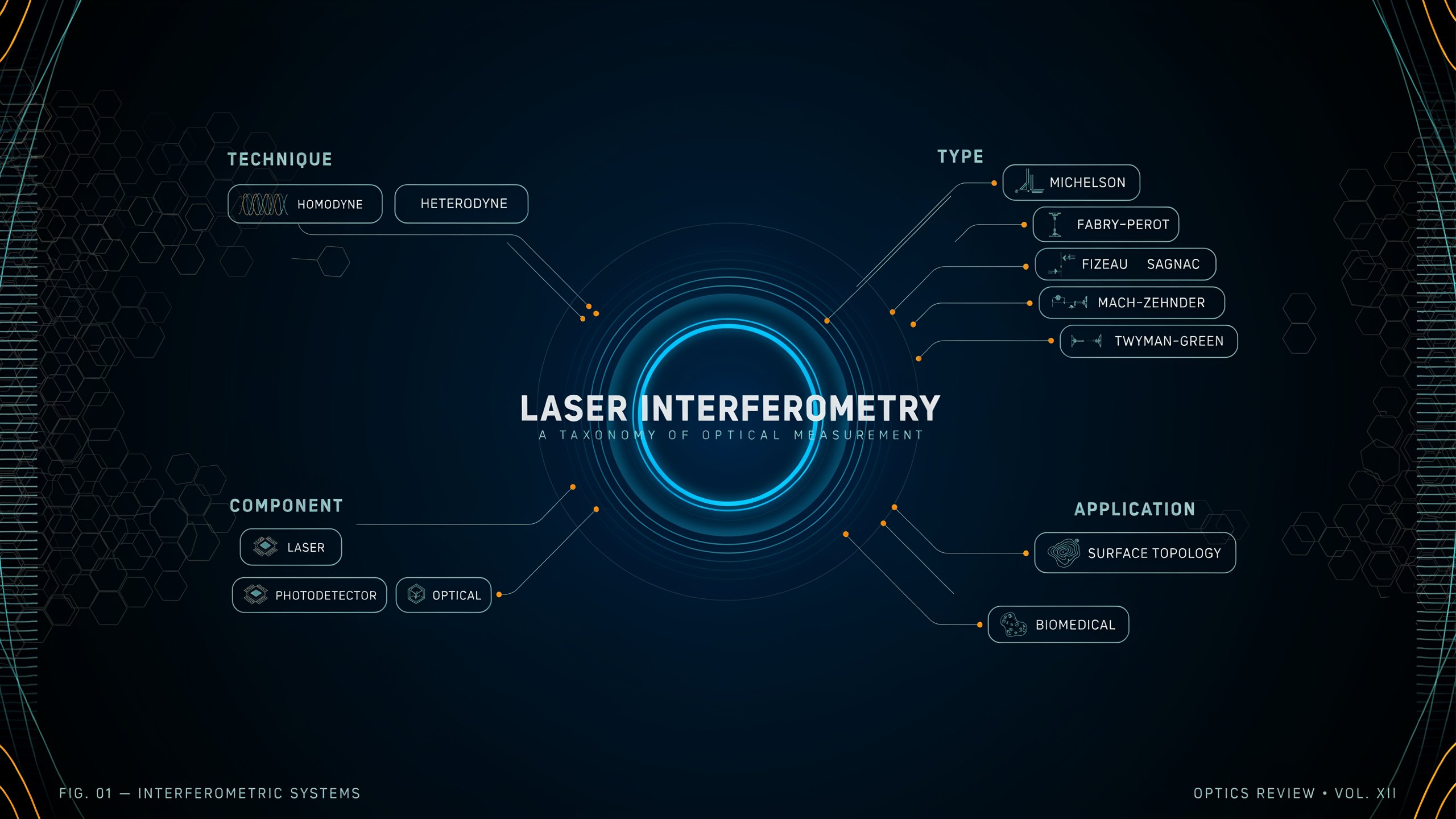
Miniaturization and System Integration
Medical equipment manufacturers are increasingly seeking compact imaging systems that can be integrated into ophthalmic instruments, surgical devices, and specialized diagnostic platforms. Miniaturized optical components and integrated photonic technologies can help reduce equipment size while maintaining useful imaging performance.
System integration also involves improving optical alignment, thermal stability, calibration, and user interfaces. Addressing these factors is important for ensuring reliable measurements in clinical environments. Continued progress in optical engineering may expand the deployment of interferometric imaging across hospitals, clinics, and research institutions.
Future Market Outlook
The Laser Interferometer Industry is expected to benefit from continued advances in biomedical imaging, ophthalmology, OCT systems, tissue analysis, and non-invasive diagnostic technologies. Through 2030, opportunities will be influenced by growing healthcare demand, expanding life sciences research, improvements in optical components, and the integration of AI-assisted image processing.
Manufacturers will focus on improving imaging resolution, acquisition speed, reliability, compactness, and cost efficiency. As medical providers increasingly adopt advanced optical diagnostics, interferometric technologies are positioned to remain important components of specialized biomedical imaging systems and next-generation clinical instrumentation.