
The global large format printer (LFP) market is entering a strong growth phase, driven by accelerating demand for wide-scale graphics across advertising, retail, construction, events, and interior décor industries. As businesses increasingly prioritize high-impact visual communication, large format printing has become a critical tool for delivering vibrant, customized, and durable graphics at scale.
The global large format printer market is projected to grow from USD 7.94 billion in 2025 to USD 10.36 billion by 2030, growing at a CAGR of 5.5%
Expanding Applications Across Industries
Large format printers are widely used to produce banners, billboards, vehicle wraps, posters, trade show displays, wall coverings, and architectural signage. The surge in outdoor advertising, retail branding, and experiential marketing campaigns is significantly boosting equipment adoption.
Retailers are investing heavily in in-store graphics and point-of-sale displays to enhance customer engagement. Similarly, the construction and real estate sectors are leveraging large-scale signage and project renderings to market developments more effectively. Growth in events, exhibitions, and sports branding further strengthens market momentum.
In addition, the rising popularity of personalized home décor—such as custom wallpapers, canvas prints, and textile graphics—has expanded the market beyond traditional commercial applications.
Download PDF Brochure @ https://www.marketsandmarkets.com/pdfdownloadNew.asp?id=523
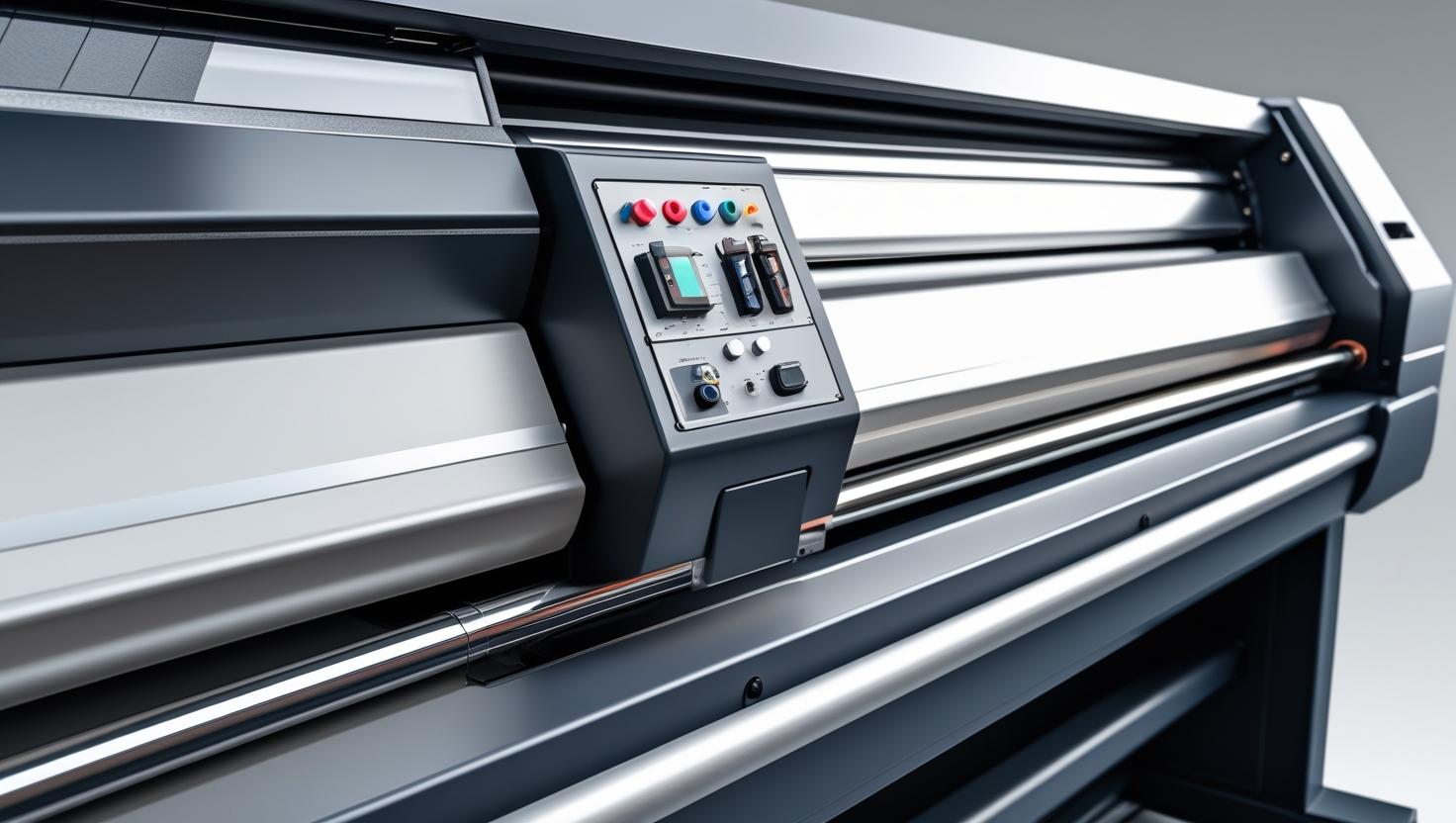
Technological Advancements Driving Performance
Rapid advancements in printing technology are reshaping the competitive landscape. Modern large format printers now offer:
-
Higher print speeds with enhanced resolution
-
Expanded color gamuts and improved ink adhesion
-
Compatibility with diverse substrates including vinyl, fabric, glass, metal, and wood
-
Automation features that reduce labor dependency
UV-curable and latex ink technologies are gaining widespread adoption due to their durability, eco-friendliness, and ability to print on non-porous surfaces. These innovations enable faster turnaround times while meeting increasingly stringent environmental regulations.
Integration of smart software solutions, cloud connectivity, and workflow automation is also improving operational efficiency for print service providers (PSPs). Businesses are increasingly seeking end-to-end digital ecosystems that streamline design, production, and finishing processes.
Sustainability as a Competitive Advantage
Environmental concerns are influencing purchasing decisions across industries, and the large format printer market is no exception. Manufacturers are focusing on energy-efficient systems, low-VOC inks, and recyclable substrates to align with global sustainability goals.
Eco-friendly printing solutions not only reduce environmental impact but also appeal to brand-conscious consumers who prioritize responsible sourcing and green marketing initiatives. As regulations tighten worldwide, sustainable innovation is becoming a key differentiator among leading vendors.
Growth in Emerging Markets
Emerging economies are presenting significant growth opportunities due to rapid urbanization, infrastructure development, and expanding retail sectors. Increasing digital advertising penetration and the rise of organized retail formats are creating consistent demand for large-scale printed graphics.
Small and mid-sized print service providers in developing regions are upgrading from conventional printing technologies to advanced digital large format systems, further accelerating market expansion.
Competitive Landscape and Strategic Investments
The market remains highly competitive, with manufacturers focusing on product innovation, strategic partnerships, and geographic expansion. Investment in research and development continues to deliver faster, more versatile, and cost-efficient solutions.
Companies are also offering modular systems and scalable solutions to cater to both entry-level users and high-volume industrial clients. Flexible financing options and service-based business models are helping drive broader adoption.
Market Outlook
Looking ahead, the large format printer market is expected to maintain robust growth as visual communication becomes increasingly central to brand strategy. The convergence of technological innovation, sustainability initiatives, and diversified applications positions the industry for long-term expansion.
As businesses compete for consumer attention in crowded marketplaces, demand for bold, high-quality, and large-scale graphics will remain strong—cementing the role of large format printing as a cornerstone of modern marketing and design.
Frequently Asked Questions (FAQ)
1. What is a large format printer?
A large format printer (LFP) is a printing device designed to produce materials that are wider than standard commercial printers, typically ranging from 18 inches to over 100 inches in width. These printers are commonly used for banners, posters, billboards, vehicle wraps, signage, wallpapers, and trade show displays.
2. What is driving growth in the large format printer market?
Market growth is primarily driven by rising demand for wide-scale graphics in advertising, retail branding, construction, events, and interior décor. Technological advancements, eco-friendly ink solutions, and increasing adoption in emerging markets also contribute significantly.
3. Which industries use large format printers the most?
Key industries include:
-
Advertising and marketing
-
Retail and e-commerce
-
Construction and real estate
-
Events and exhibitions
-
Interior design and décor
-
Automotive (vehicle wraps)
4. What types of inks are used in large format printing?
Common ink types include:
-
Solvent inks – Durable and suitable for outdoor applications
-
Eco-solvent inks – Lower emissions, improved environmental profile
-
UV-curable inks – Fast drying and versatile across substrates
-
Latex inks – Water-based, eco-friendly, and odorless
5. What materials can large format printers print on?
They can print on a wide range of substrates including vinyl, canvas, fabric, paper, mesh, glass, acrylic, metal, wood, and ceramics, depending on the printer type and ink technology.