
The world is becoming increasingly connected as businesses, governments, and consumers adopt intelligent technologies that communicate, analyze data, and automate everyday activities. At the center of this transformation is the Internet of Things (IoT), a technology ecosystem that connects devices, sensors, machines, and platforms to enable real-time data exchange and smart decision-making.
The IoT Technology Market growth is accelerating rapidly as smart ecosystems expand across industries, including manufacturing, healthcare, transportation, agriculture, retail, energy, and smart cities. The combination of advanced sensors, artificial intelligence (AI), cloud computing, edge computing, and 5G connectivity is creating new opportunities for connected solutions worldwide.
IoT technology is no longer limited to simple connected devices. It has evolved into an intelligent infrastructure that helps organizations improve efficiency, reduce costs, enhance customer experiences, and create new digital business models.
Top 10 Key Takeaways
- IoT is transforming industries through connected intelligence.
- Smart ecosystems are accelerating global IoT adoption.
- Industrial IoT is improving manufacturing efficiency.
- AI integration is making IoT systems smarter.
- 5G connectivity is enabling advanced IoT applications.
- Smart cities are increasing demand for connected solutions.
- Healthcare and agriculture are major IoT growth areas.
- Edge computing is improving real-time processing.
- IoT security is becoming a critical priority.
- Connected ecosystems will drive future digital transformation.
Understanding IoT Technology
The Internet of Things refers to a network of physical objects embedded with sensors, software, and connectivity capabilities that allow them to collect and exchange data.
IoT devices include:
- Smart sensors
- Connected appliances
- Industrial machines
- Wearable devices
- Smart vehicles
- Security systems
- Healthcare equipment
- Environmental monitoring devices
These devices generate massive amounts of data that can be analyzed to improve operations and support automated decision-making.
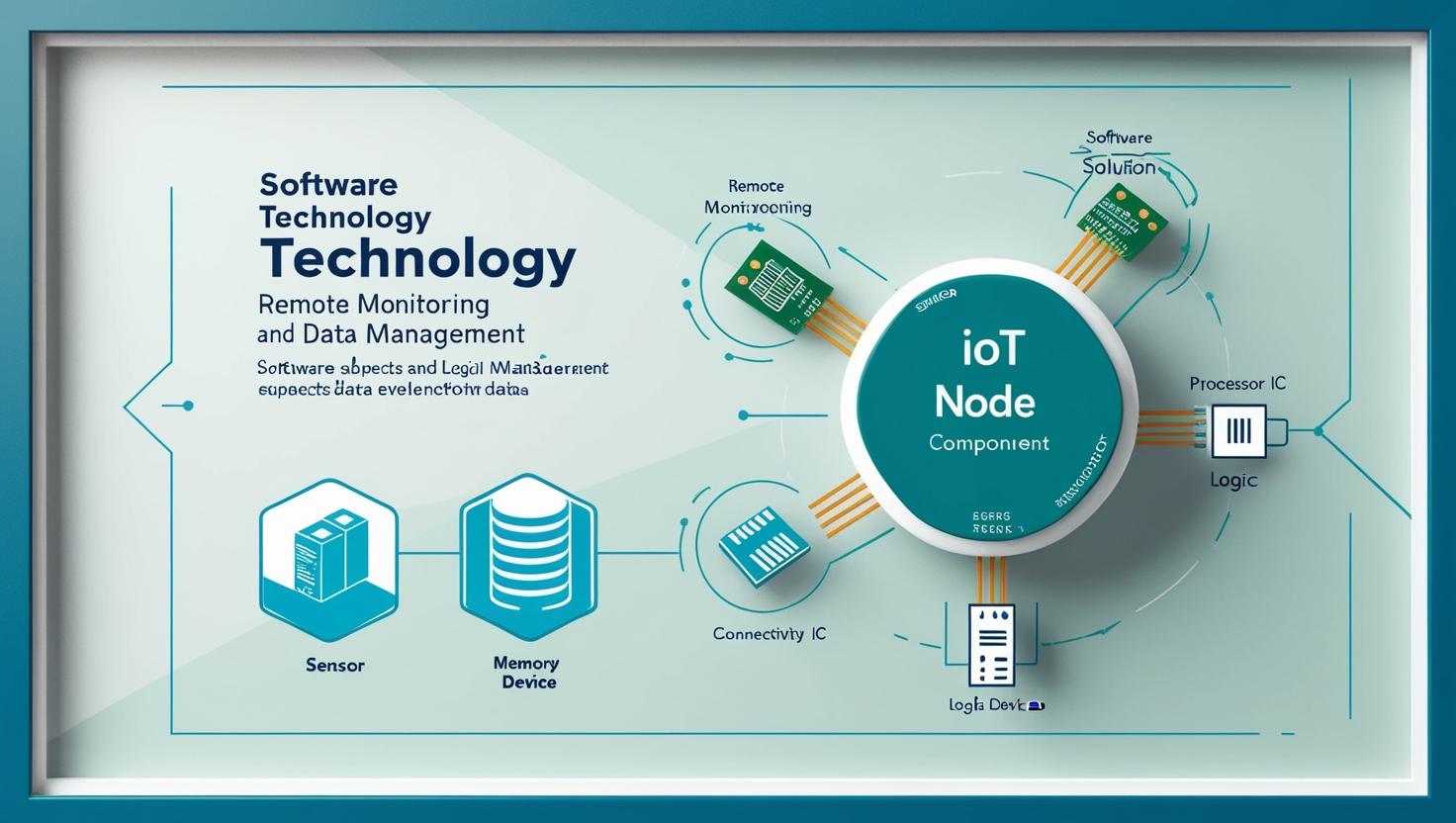
The core components of IoT technology include:
Sensors and Devices
Sensors collect information from the physical environment, such as:
- Temperature
- Pressure
- Motion
- Location
- Humidity
- Vibration
Connectivity
Communication technologies allow devices to share information through:
- Wi-Fi
- Bluetooth
- 5G
- LPWAN
- Cellular networks
Data Processing
Cloud and edge computing platforms process IoT data and transform it into actionable insights.
Applications
IoT applications use processed data to deliver automation, monitoring, and intelligent services.
Key Drivers Behind IoT Technology Market Growth
1. Expansion of Smart Ecosystems
One of the biggest contributors to IoT Technology Market growth is the expansion of smart ecosystems.
A smart ecosystem connects multiple devices and platforms to work together efficiently.
Examples include:
- Smart homes
- Smart factories
- Smart cities
- Smart healthcare systems
- Smart transportation networks
These ecosystems create interconnected environments where devices communicate and respond automatically.
For example, in a smart home, sensors can detect activity and automatically adjust lighting, temperature, and security settings. In smart factories, connected machines can monitor performance and predict maintenance requirements.
The growing demand for automation and connected experiences is accelerating IoT adoption globally.
Download PDF Brochure @ https://www.marketsandmarkets.com/pdfdownloadNew.asp?id=258239167
2. Industrial IoT Transforming Manufacturing
Industrial Internet of Things (IIoT) is one of the fastest-growing areas supporting the market.
Manufacturers are adopting connected technologies to build smarter production environments.
Industrial IoT applications include:
- Predictive maintenance
- Real-time monitoring
- Automated quality inspection
- Supply chain optimization
- Machine performance analysis
Connected machines continuously collect operational data, allowing companies to identify problems before equipment failures occur.
This helps industries:
- Reduce downtime
- Improve productivity
- Lower maintenance costs
- Increase operational efficiency
The rise of Industry 4.0 is creating strong demand for IoT-enabled manufacturing solutions.
3. Artificial Intelligence and IoT Integration
The combination of AI and IoT is creating a powerful technology trend known as AIoT.
AI enhances IoT systems by enabling devices to analyze data and make intelligent decisions.
AI-powered IoT solutions can:
- Identify patterns
- Predict future outcomes
- Automate responses
- Improve accuracy
Examples include:
- Smart security systems detecting unusual activity
- Healthcare devices identifying health risks
- Industrial systems predicting equipment failures
AI integration is expected to significantly influence future IoT Technology Market growth.
4. 5G Connectivity Accelerating IoT Adoption
The expansion of 5G networks is another major factor driving IoT growth.
IoT applications require fast, reliable, and low-latency communication.
5G provides:
- Higher data speeds
- Lower latency
- Increased device capacity
- Better network reliability
These capabilities support advanced IoT applications such as:
- Autonomous vehicles
- Smart cities
- Connected factories
- Remote healthcare
As 5G infrastructure expands, more industries are adopting large-scale IoT deployments.
5. Growth of Smart Cities
Urban areas worldwide are investing in smart city technologies to improve efficiency and quality of life.
IoT plays a major role in smart city development through:
- Intelligent traffic systems
- Smart lighting
- Waste management
- Environmental monitoring
- Public safety systems
Connected sensors collect real-time data that helps cities optimize resources and improve services.
Smart city initiatives are creating significant opportunities for IoT technology providers.
IoT Applications Across Industries
Healthcare Industry
Healthcare is experiencing major transformation through connected technologies.
IoT healthcare solutions include:
- Wearable health monitors
- Remote patient monitoring
- Smart medical devices
- Connected hospital equipment
IoT enables healthcare providers to collect real-time patient information and deliver personalized care.
Benefits include:
- Improved patient monitoring
- Faster diagnosis
- Reduced hospital visits
- Better healthcare accessibility
The growth of digital healthcare is supporting the expansion of IoT solutions.
Smart Agriculture and Farming
Agriculture is adopting IoT to improve productivity and sustainability.
Connected agricultural solutions include:
- Soil sensors
- Weather monitoring devices
- Smart irrigation systems
- Crop monitoring technologies
Farmers use IoT data to:
- Optimize water usage
- Improve crop yields
- Monitor environmental conditions
- Reduce resource waste
As global demand for sustainable agriculture increases, IoT adoption in farming continues to rise.
Connected Vehicles and Transportation
The transportation sector is rapidly becoming more connected.
IoT technologies support:
- Vehicle tracking
- Fleet management
- Traffic monitoring
- Driver assistance systems
Connected vehicles can communicate with:
- Other vehicles
- Infrastructure
- Cloud platforms
This improves:
- Safety
- Efficiency
- Travel experiences
The development of autonomous transportation is further increasing demand for IoT technologies.
Retail Transformation Through IoT
Retailers are using IoT to create smarter shopping experiences.
Applications include:
- Smart shelves
- Inventory tracking
- Connected payment systems
- Customer behavior analysis
IoT helps retailers:
- Manage inventory efficiently
- Improve customer engagement
- Reduce operational costs
Smart retail ecosystems are becoming an important growth area.
Energy and Utilities
The energy sector is adopting IoT for better resource management.
Applications include:
- Smart meters
- Grid monitoring
- Energy management systems
- Predictive maintenance
IoT enables utilities to:
- Improve energy distribution
- Detect faults quickly
- Reduce waste
The transition toward smart energy systems is supporting long-term market expansion.
Emerging IoT Technology Trends
Edge Computing
Edge computing processes data closer to where it is generated instead of sending everything to centralized cloud systems.
Benefits include:
- Faster response times
- Reduced network traffic
- Improved reliability
Edge computing is becoming essential for real-time IoT applications.
Digital Twins
Digital twin technology creates virtual models of physical assets.
IoT sensors provide real-time data that updates these digital models.
Applications include:
- Manufacturing optimization
- Infrastructure monitoring
- Product development
Digital twins are becoming a major component of advanced IoT ecosystems.
IoT Security Advancements
As connected devices increase, cybersecurity becomes more important.
IoT security solutions focus on:
- Device authentication
- Data encryption
- Network protection
- Threat detection
Strong security frameworks are necessary for sustainable IoT expansion.
Challenges Affecting IoT Market Growth
Despite strong opportunities, several challenges remain.
Data Security and Privacy
IoT devices collect large amounts of information, creating concerns about:
- Data protection
- Unauthorized access
- Privacy risks
Companies must implement strong security measures to protect connected ecosystems.
Integration Complexity
Organizations may face challenges when connecting different IoT platforms and devices.
Issues include:
- Compatibility problems
- Network management
- System integration
Standardization and improved interoperability are helping address these challenges.
High Deployment Costs
Large-scale IoT implementations require investment in:
- Devices
- Connectivity
- Software
- Infrastructure
However, long-term efficiency improvements often justify these investments.
Future Outlook of IoT Technology Market Growth
The future of IoT Technology Market growth looks promising as connected intelligence becomes a core part of digital transformation.
Future developments are expected to include:
- AI-powered IoT systems
- Autonomous smart environments
- Advanced robotics
- Connected healthcare
- Intelligent transportation
- Sustainable smart cities
IoT will continue moving from simple device connectivity toward intelligent ecosystems capable of making real-time decisions.
As industries embrace automation and data-driven operations, IoT technology will remain a major force shaping the future digital economy.
Frequently Asked Questions (FAQs)
1. What is IoT technology?
IoT technology connects physical devices with sensors and software, allowing them to collect, exchange, and analyze data through networks.
2. What is driving IoT Technology Market growth?
Major drivers include smart ecosystems, AI integration, 5G connectivity, industrial automation, smart cities, and increasing demand for connected devices.
3. How is IoT used in industries?
IoT is used for automation, monitoring, predictive maintenance, healthcare tracking, smart agriculture, transportation, and energy management.
4. What is AIoT?
AIoT combines artificial intelligence with IoT technology to enable connected devices to analyze data and make intelligent decisions.
5. What is the future of IoT?
The future of IoT includes intelligent smart cities, autonomous systems, connected industries, and AI-powered digital ecosystems.