
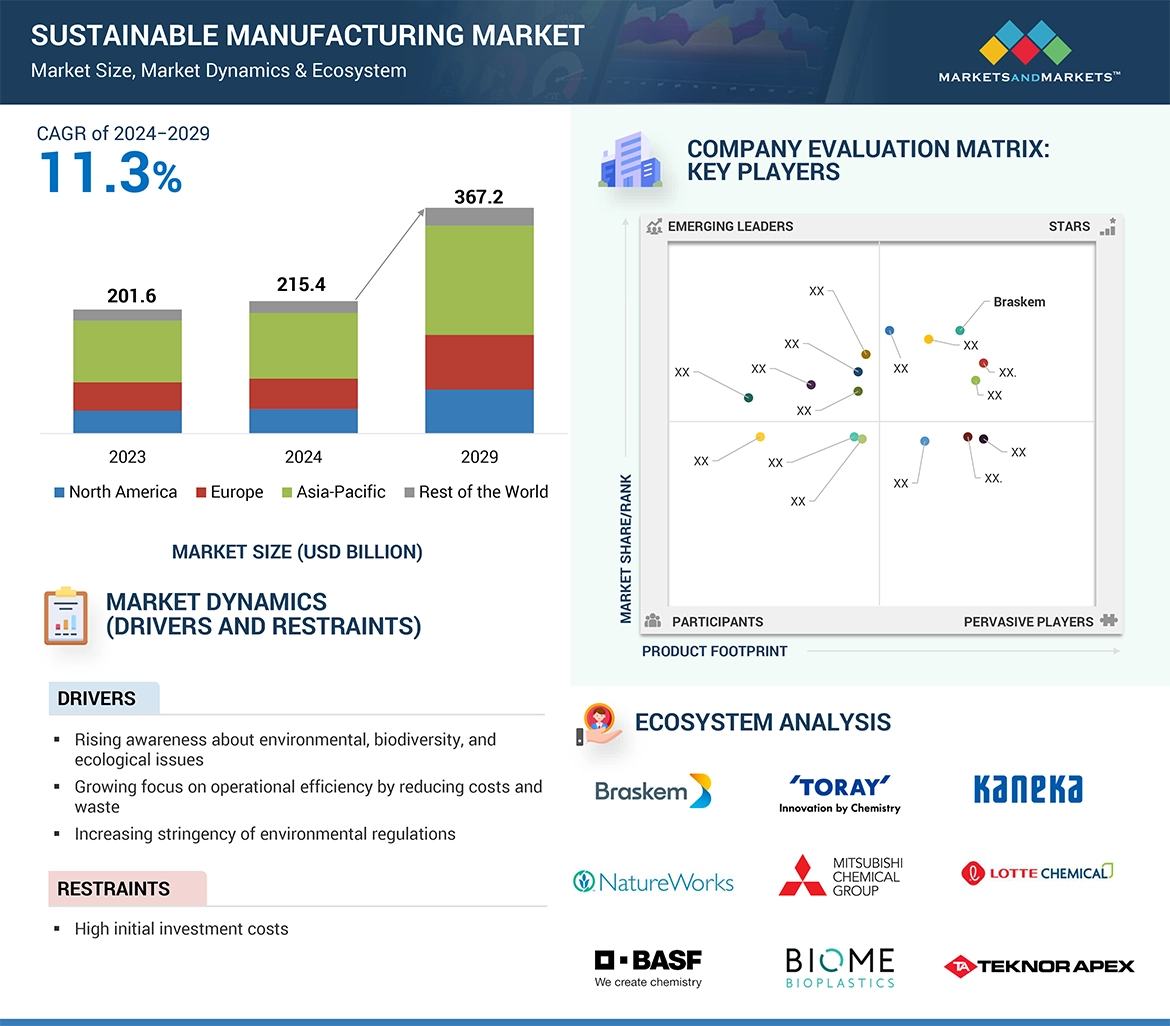
Introduction to IoT Integration in Sustainable Manufacturing
The integration of the Internet of Things (IoT) is transforming manufacturing operations by enabling companies to connect machines, equipment, sensors, and production systems through intelligent digital networks. Manufacturers are increasingly adopting IoT technologies to improve operational visibility, optimize resource consumption, reduce production waste, and strengthen equipment performance. As industries focus on environmental responsibility and operational efficiency, IoT integration is becoming an important enabler of sustainable manufacturing.
Traditional manufacturing facilities often face challenges related to inefficient energy usage, unplanned equipment downtime, excessive material consumption, and limited production monitoring. IoT-enabled systems address these issues by collecting real-time operational data and providing insights that support faster and more informed decisions. These capabilities help manufacturers improve productivity while reducing the environmental impact of industrial activities.
Download PDF Brochure @ https://www.marketsandmarkets.com/pdfdownloadNew.asp?id=140349832
Real-Time Monitoring Improves Manufacturing Efficiency
Real-time monitoring is one of the major benefits of IoT integration in manufacturing operations. Connected sensors installed across production equipment can collect information about temperature, pressure, vibration, humidity, energy consumption, and machine operating conditions. This data allows production teams to monitor manufacturing processes continuously and identify inefficiencies before they affect overall performance.
IoT platforms provide centralized visibility into production activities, helping manufacturers understand equipment utilization, production speed, and resource consumption. Managers can use these insights to adjust operating parameters, improve production schedules, and reduce unnecessary machine operation. Better monitoring also helps identify material losses and process variations that contribute to manufacturing waste.
In industries such as automotive, electronics, chemicals, food and beverage, and industrial equipment, connected monitoring systems can support consistent production quality. Manufacturers can use real-time information to maintain operating conditions within specified limits and reduce the likelihood of defective products.
Predictive Maintenance Reduces Waste and Downtime
IoT integration is strengthening predictive maintenance strategies by enabling manufacturers to monitor equipment health continuously. Conventional maintenance approaches often rely on fixed schedules or equipment inspections after problems occur. These methods can result in unnecessary maintenance activities or unexpected machine failures.
Connected sensors can detect changes in vibration, temperature, pressure, and other performance indicators that may signal equipment deterioration. IoT analytics platforms process this information to identify unusual operating patterns and support early maintenance decisions. Artificial intelligence and machine learning can further improve predictive capabilities by analyzing historical and real-time equipment data.
Predictive maintenance helps manufacturers reduce unplanned downtime, extend machinery lifespan, and improve the utilization of spare parts. It can also prevent secondary damage caused by operating faulty equipment. By maintaining machinery more effectively, manufacturers can reduce resource consumption associated with equipment replacement and unnecessary production interruptions.
Inquiry Before Buying @ https://www.marketsandmarkets.com/Enquiry_Before_BuyingNew.asp?id=140349832
Energy Management Supports Sustainable Production
Energy efficiency is a major priority for manufacturers seeking to reduce operating costs and environmental impacts. Industrial facilities use electricity and other energy sources for machinery, lighting, heating, cooling, compressed air, and production processes. Inefficient energy management can increase operational expenses and contribute to greenhouse gas emissions.
IoT-enabled energy monitoring systems provide detailed information about electricity consumption across machines, production lines, and facility operations. Manufacturers can identify energy-intensive equipment, detect unusual consumption patterns, and optimize operating schedules. Automated controls can also adjust equipment settings according to production requirements and facility conditions.
Connected energy management platforms can support the integration of renewable energy sources, including solar power, into industrial facilities. By combining real-time energy monitoring with intelligent controls, manufacturers can improve energy utilization and manage electricity demand more effectively.
Smart Resource Management Reduces Manufacturing Waste
IoT technologies are also helping manufacturers improve the management of water, raw materials, and other production resources. Sensors can monitor water consumption, material flow, storage conditions, and process performance. This information enables companies to identify leaks, reduce excessive consumption, and improve resource allocation.
In manufacturing processes that require significant water usage, connected monitoring systems can help detect abnormal consumption and support more efficient water management. Similarly, IoT-based inventory monitoring can improve raw material tracking, reduce excess stock, and minimize losses caused by poor storage conditions.
Integration with automated production systems can further improve material utilization. Connected machines can exchange operational information to coordinate production activities, reduce unnecessary processing, and minimize scrap generation. These capabilities support circular manufacturing initiatives by improving resource efficiency and encouraging responsible production practices.
View detailed Table of Content here – https://www.marketsandmarkets.com/Market-Reports/sustainable-manufacturing-market-140349832.html
 IoT Integration Strengthens Industrial Automation
The combination of IoT, robotics, artificial intelligence, cloud computing, and edge computing is supporting the development of smart factories. Connected manufacturing equipment can exchange data across production lines, warehouses, and supply chain systems. This connectivity improves coordination and enables manufacturers to respond more effectively to changes in production requirements.
Digital twins are another emerging application of IoT integration. These virtual representations of physical equipment or production systems use operational data to simulate performance, identify inefficiencies, and evaluate process improvements. Manufacturers can test potential adjustments digitally before implementing them in physical facilities, helping reduce operational risks and unnecessary resource consumption.
IoT-enabled automation also supports better product traceability and quality management. Manufacturers can track production conditions, material movements, and equipment performance throughout the manufacturing process. This information helps improve transparency and supports compliance with quality and environmental requirements.
Challenges and Future Market Outlook
Despite its advantages, IoT integration in manufacturing involves challenges related to implementation costs, cybersecurity, data management, connectivity, and compatibility with legacy equipment. Manufacturers must invest in sensors, communication networks, software platforms, and employee training. Protecting connected industrial systems against cyber threats is also essential as more production equipment becomes digitally interconnected.
Looking ahead, the adoption of IoT technologies is expected to expand as manufacturers pursue intelligent automation, energy efficiency, predictive maintenance, and sustainable production. Advances in artificial intelligence, edge computing, industrial connectivity, and digital twin technologies will further strengthen the capabilities of connected manufacturing environments.
Overall, IoT integration is becoming a key enabler of smarter and more sustainable manufacturing operations. By providing real-time visibility, improving equipment reliability, optimizing energy consumption, and reducing material waste, connected technologies can help manufacturers achieve operational and environmental objectives. Continued investment in industrial digitalization will support the development of more efficient, resilient, and environmentally responsible manufacturing systems.