
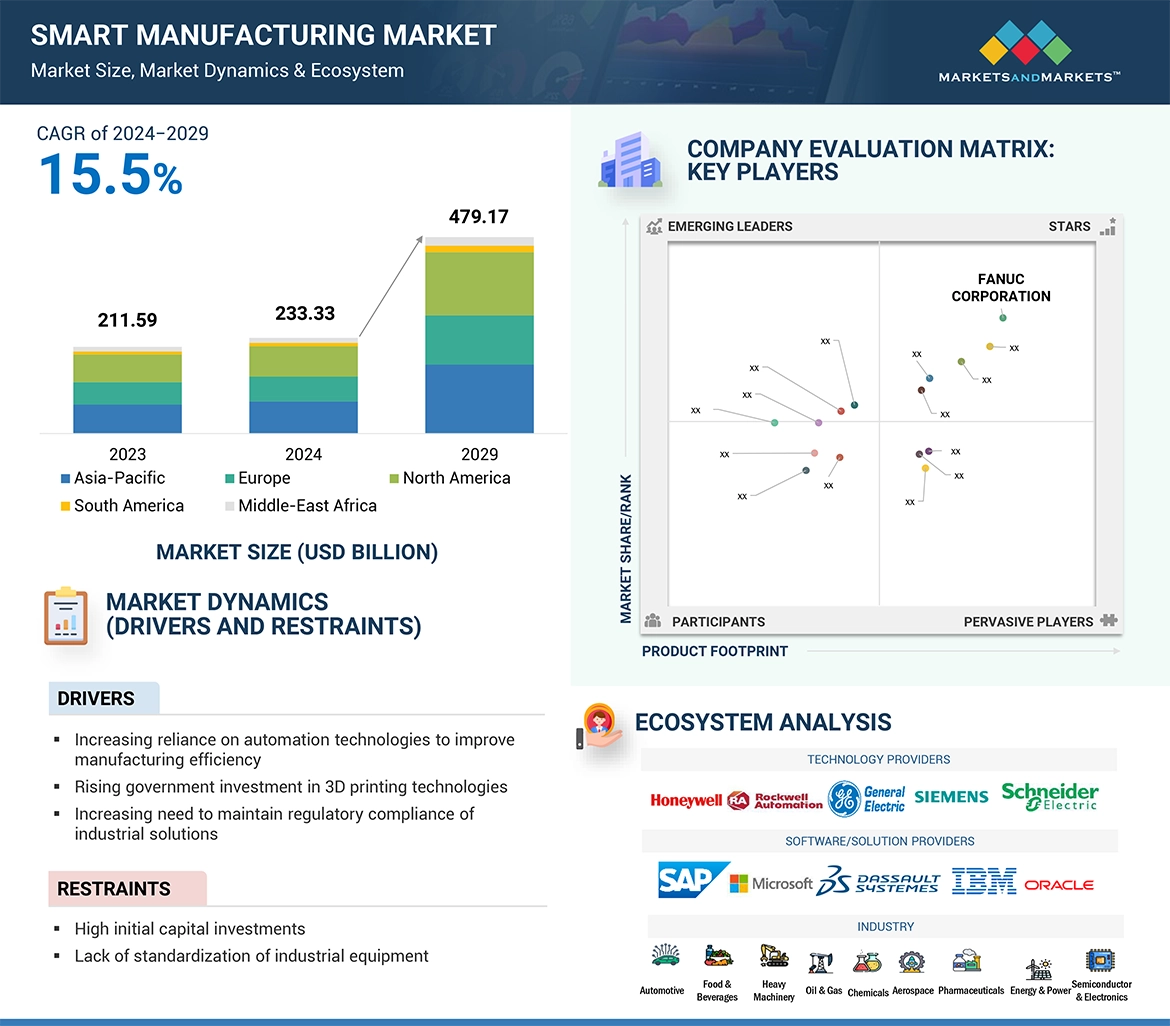
The integration of edge computing is emerging as a critical enabler of growth in the Smart Manufacturing Market, addressing the need for real-time data processing, low latency, and improved operational efficiency. As manufacturing environments become increasingly connected through digital technologies such as the Industrial Internet of Things, artificial intelligence, and advanced analytics, the volume of data generated on the factory floor has grown exponentially. Traditional cloud-based systems, while powerful, often struggle to meet the speed and responsiveness required for time-sensitive industrial operations. Edge computing bridges this gap by processing data closer to the source, enabling faster decision-making and more efficient manufacturing processes.
One of the primary advantages of edge computing in smart manufacturing is its ability to deliver real-time insights. In modern production environments, machines and sensors continuously generate data related to performance, quality, and environmental conditions. By processing this data locally at the edge, manufacturers can analyze information instantly and respond to changes without delay. This capability is particularly important in applications such as quality control and process optimization, where immediate action is required to maintain production standards. Real-time data processing enhances operational efficiency and reduces the risk of defects and downtime.
Download PDF Brochure @ https://www.marketsandmarkets.com/pdfdownloadNew.asp?id=105448439
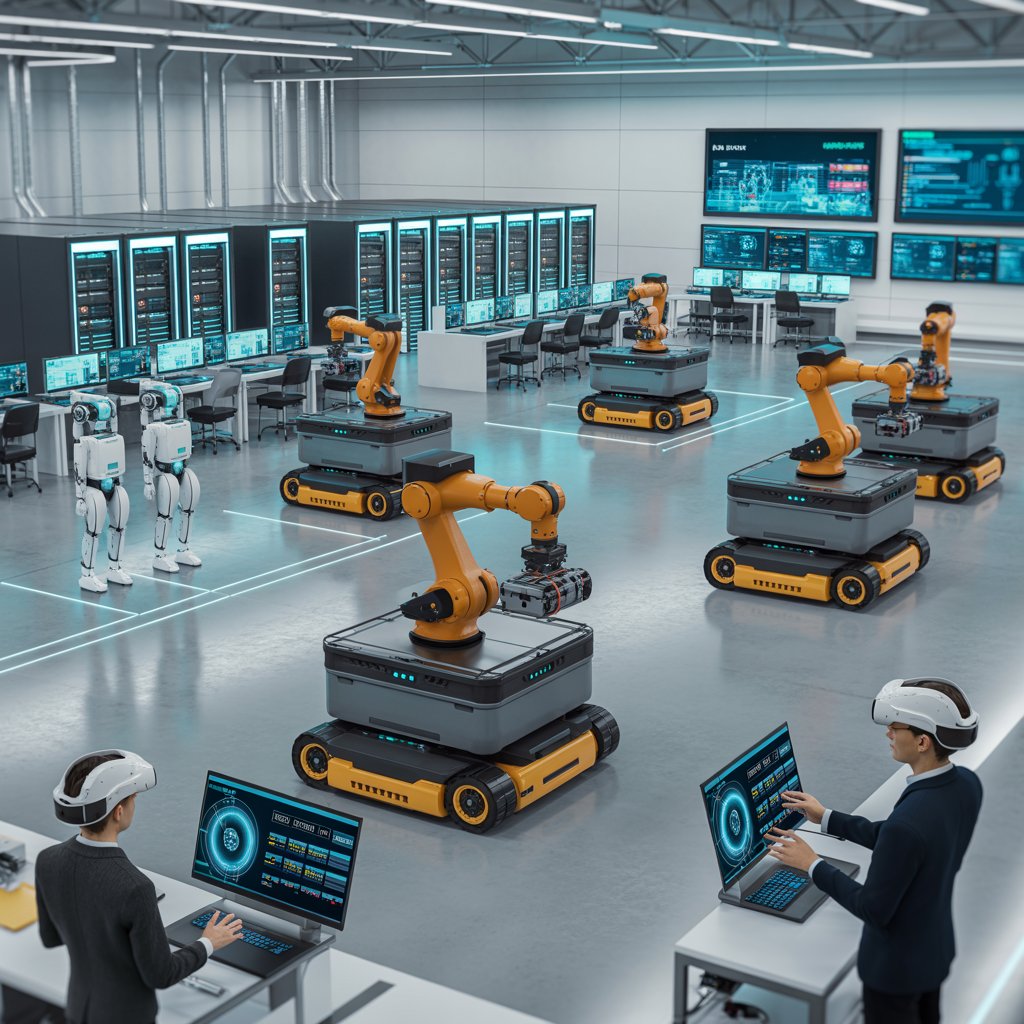
Another significant benefit of edge computing is the reduction of latency. In manufacturing operations, even minor delays in data transmission can impact system performance and productivity. Edge computing minimizes the need to send data to centralized cloud servers for processing, thereby reducing communication delays. This is especially valuable in high-speed production environments where rapid decision-making is essential. By enabling near-instantaneous responses, edge computing supports the seamless operation of automated systems and enhances overall system reliability.
Edge computing also plays a vital role in improving system resilience and reliability. Manufacturing facilities often operate in environments where network connectivity may be inconsistent or limited. In such cases, relying solely on cloud-based systems can lead to disruptions in data processing and system performance. Edge-enabled systems can continue to operate independently, processing data locally even when connectivity to the cloud is unavailable. Once the connection is restored, data can be synchronized with central systems. This capability ensures continuous operation and reduces the risk of production interruptions.
The integration of edge computing with industrial IoT devices is further driving the adoption of smart manufacturing solutions. IoT sensors and devices collect vast amounts of data from machines and processes, which can be processed at the edge to generate actionable insights. This integration enables real-time monitoring, predictive maintenance, and automated decision-making. For example, edge computing can analyze vibration or temperature data from machinery to detect early signs of wear and trigger maintenance actions before a failure occurs. This proactive approach improves equipment reliability and extends asset lifespan.
Inquiry Before Buying @ https://www.marketsandmarkets.com/Enquiry_Before_BuyingNew.asp?id=105448439
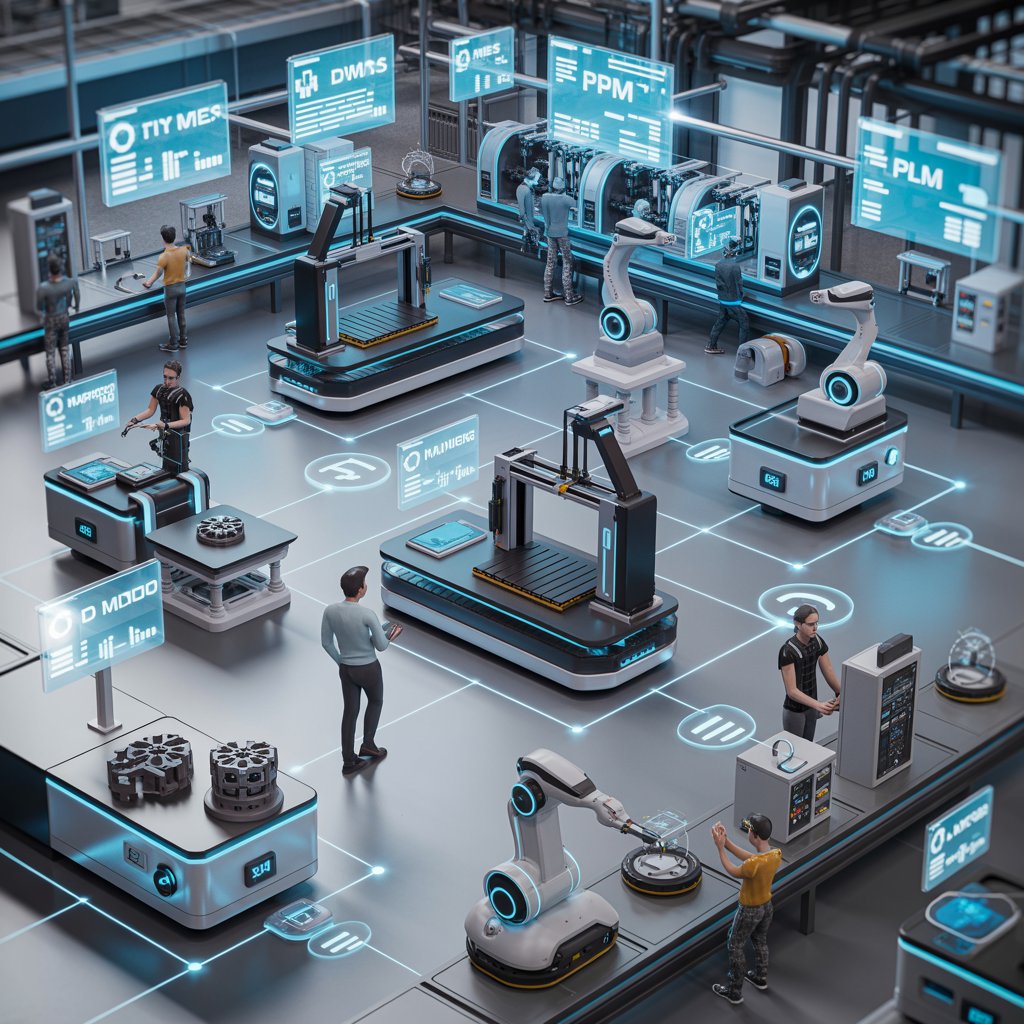
Artificial intelligence and machine learning are also benefiting from edge computing integration. AI algorithms can be deployed at the edge to analyze data in real time, enabling intelligent decision-making at the source. This reduces the dependency on centralized processing and allows for faster implementation of AI-driven applications. Use cases such as anomaly detection, quality inspection, and process optimization are becoming more efficient with edge-based AI capabilities. The combination of edge computing and AI is enhancing the intelligence and adaptability of manufacturing systems.
Data security and privacy are important considerations in smart manufacturing, and edge computing offers advantages in this area as well. By processing sensitive data locally, manufacturers can reduce the risk of data breaches associated with transmitting information over networks. Edge computing allows organizations to maintain greater control over their data, ensuring compliance with regulatory requirements and enhancing overall security. This is particularly important in industries where data confidentiality is critical.
Scalability and flexibility are additional benefits of integrating edge computing into manufacturing systems. Edge solutions can be deployed incrementally, allowing manufacturers to scale their operations as needed. This modular approach enables organizations to implement edge computing in specific areas of their operations and expand gradually. The flexibility of edge computing makes it suitable for a wide range of applications, from small-scale manufacturing units to large industrial facilities.
View detailed Table of Content here – https://www.marketsandmarkets.com/Market-Reports/smart-manufacturing-market-105448439.html
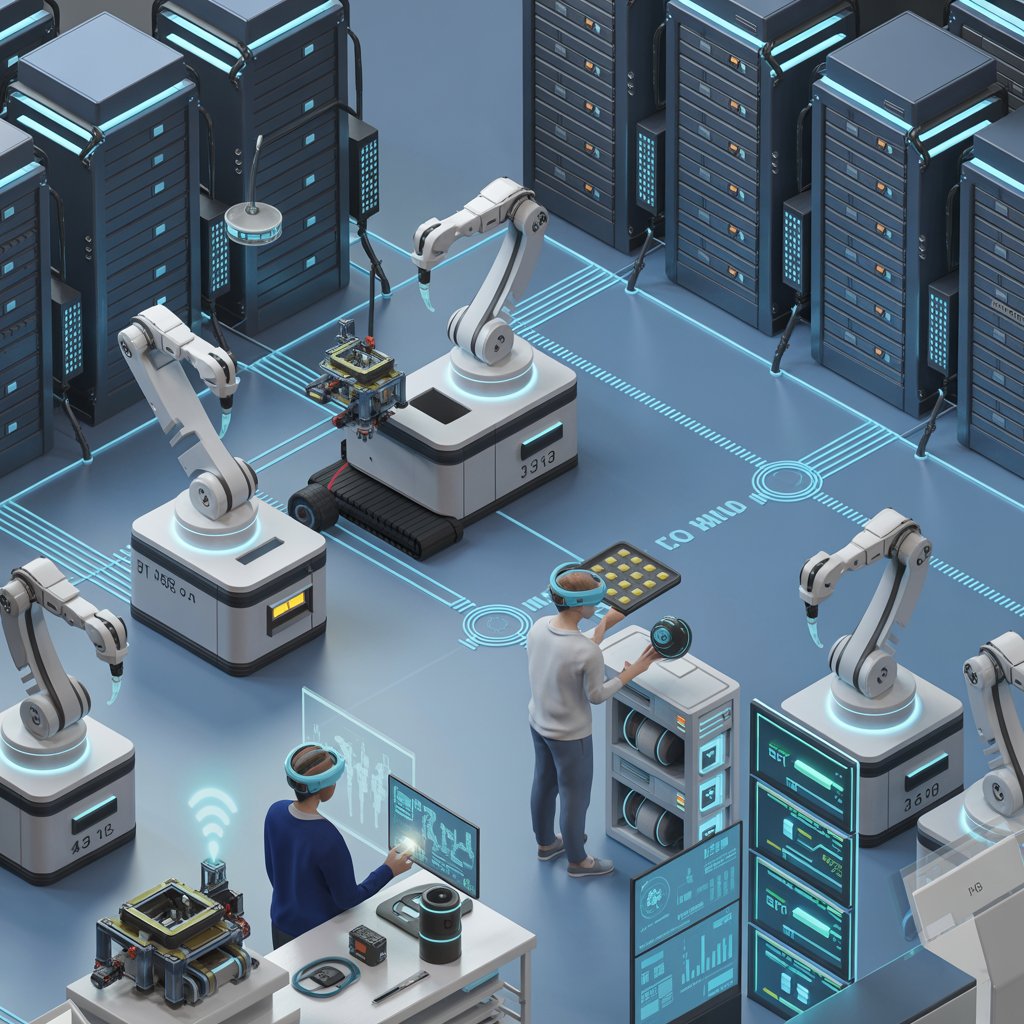
The synergy between edge computing and cloud computing is also shaping the future of smart manufacturing. While edge computing handles real-time processing and immediate decision-making, cloud platforms provide centralized data storage, advanced analytics, and long-term insights. This hybrid approach combines the strengths of both technologies, enabling manufacturers to achieve optimal performance and efficiency. Data processed at the edge can be transmitted to the cloud for further analysis, supporting strategic planning and continuous improvement.
Despite its advantages, the adoption of edge computing in smart manufacturing presents challenges such as integration complexity, initial investment costs, and the need for skilled workforce. However, ongoing technological advancements and increasing awareness of the benefits are helping to overcome these barriers. As edge computing solutions become more accessible and cost-effective, their adoption is expected to accelerate across industries.
The integration of edge computing is playing a crucial role in supporting the growth of the smart manufacturing market by enabling real-time data processing, reducing latency, and enhancing system reliability. By complementing cloud-based systems and supporting advanced technologies such as IoT and AI, edge computing is transforming manufacturing operations into more intelligent and responsive systems. As industries continue to embrace digital transformation, edge computing will remain a key driver of innovation and efficiency in smart manufacturing.