
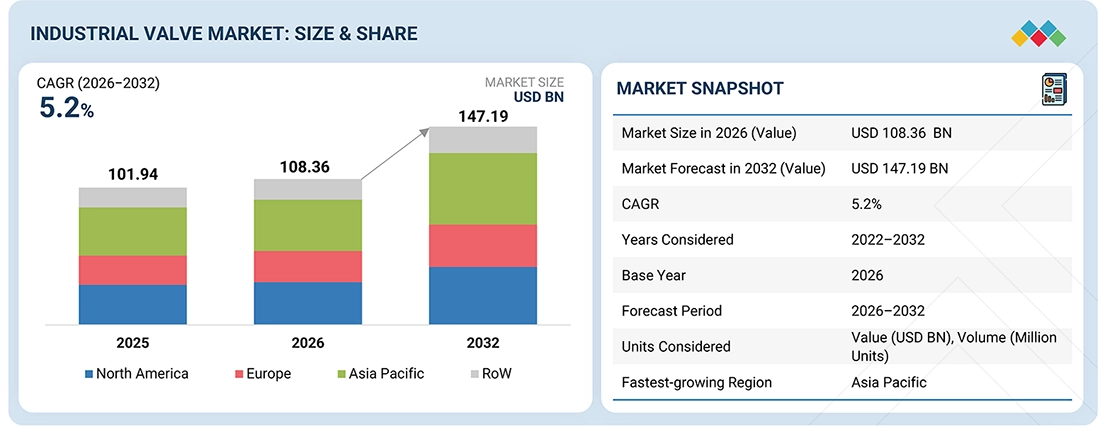
The Industrial Valves Market continues to expand as industries worldwide invest in advanced flow control solutions to support operational efficiency, process reliability, and infrastructure modernization. Industrial valves are critical components used to regulate, direct, and control the movement of liquids, gases, steam, and slurries across a wide variety of industrial environments. Their applications span numerous industry verticals, each with unique operational requirements and performance expectations. At the same time, evolving deployment strategies, including traditional installations, automated systems, and smart valve networks, are influencing market growth. Understanding market dynamics through the lens of industry verticals and deployment types provides valuable insight into the future direction of the industrial valves sector.
The oil and gas industry remains one of the largest consumers of industrial valves globally. Upstream exploration and production activities rely on valves to manage crude oil, natural gas, drilling fluids, and production processes. Midstream operations use valves extensively within pipelines, storage terminals, and transportation infrastructure. Downstream refining and petrochemical facilities depend on sophisticated valve systems for process control, safety management, and product handling. The industry’s ongoing focus on efficiency, safety, and digital transformation continues to drive demand for advanced valve technologies capable of operating under extreme pressures and temperatures.
The power generation sector represents another significant market vertical. Thermal power plants, nuclear facilities, hydroelectric projects, and renewable energy systems require reliable valve solutions for steam regulation, cooling systems, fuel management, and emissions control processes. As global energy demand grows and power infrastructure expands, industrial valves remain essential for maintaining operational stability and efficiency. The increasing integration of renewable energy technologies is also creating demand for specialized valve solutions designed to support emerging energy applications.
Download PDF Brochure @ https://www.marketsandmarkets.com/pdfdownloadNew.asp?id=256097136
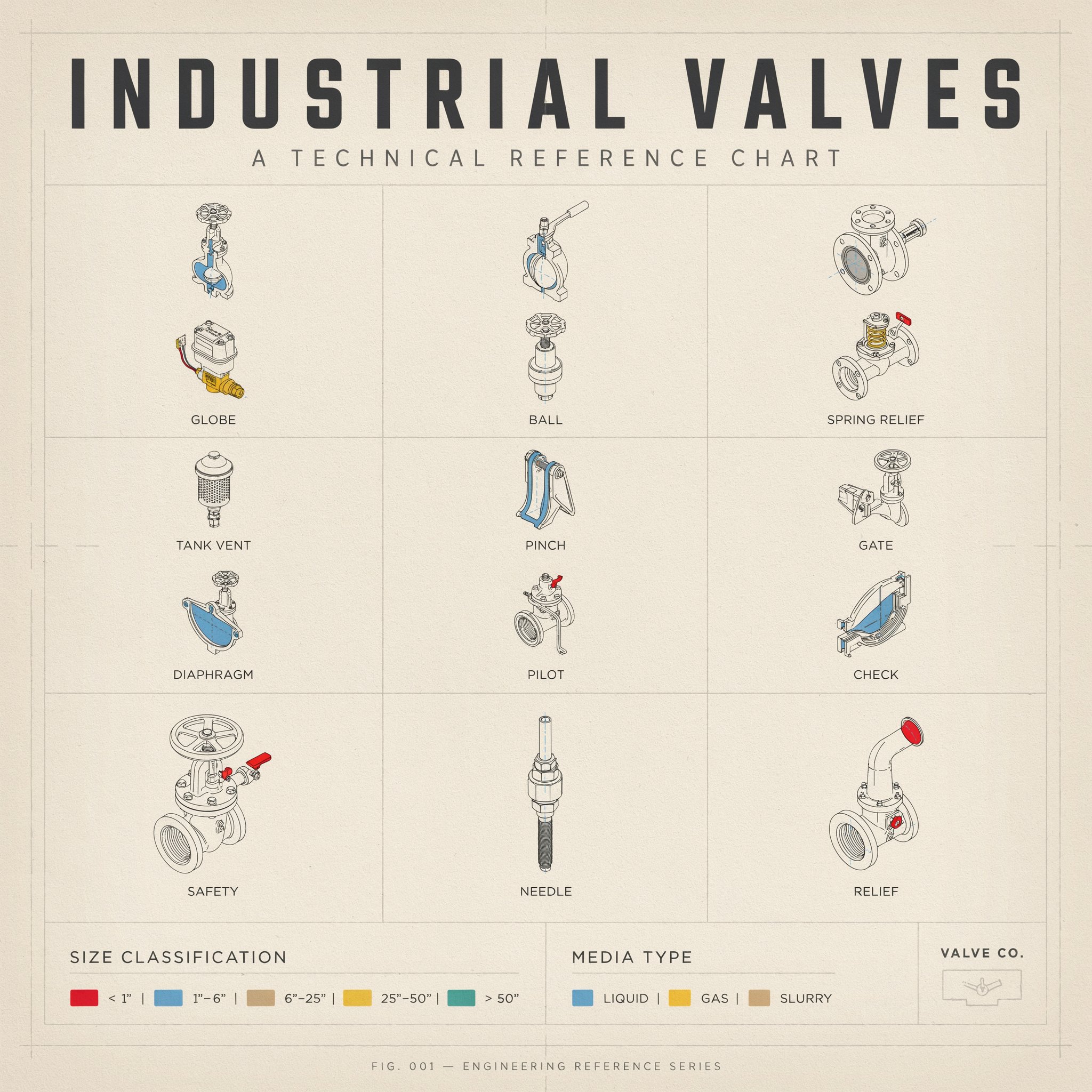
The water and wastewater treatment industry is experiencing substantial growth due to urbanization, population expansion, and environmental sustainability initiatives. Industrial valves play a crucial role in water treatment plants, distribution systems, desalination facilities, and wastewater management infrastructure. These valves support filtration, chemical dosing, pressure regulation, and flow control applications. Governments and municipalities are investing heavily in water infrastructure modernization, creating long-term opportunities for valve manufacturers serving this vertical.
Chemical and petrochemical industries require highly specialized valve systems capable of handling corrosive substances, hazardous materials, and demanding operating conditions. Precision flow control is critical for maintaining process consistency, product quality, and workplace safety. Industrial valves used within chemical processing facilities must meet strict performance and regulatory requirements. As global chemical production expands and process automation becomes more widespread, demand for advanced valve technologies continues to increase.
The pharmaceutical and biotechnology sectors represent important growth opportunities within the industrial valves market. Manufacturing processes in these industries require high levels of precision, cleanliness, and contamination control. Specialized valves designed for sterile applications help ensure compliance with stringent quality standards. The continued expansion of pharmaceutical manufacturing capacity and biotechnology research activities is supporting demand for advanced valve solutions tailored to highly regulated environments.
Food and beverage manufacturing is another significant industry vertical utilizing industrial valves extensively. Valves are essential for managing ingredients, liquids, gases, cleaning systems, and packaging processes. Hygienic valve designs help manufacturers maintain product safety and comply with food processing regulations. Increasing consumer demand for processed foods, beverages, and packaged products is driving investment in production capacity, creating opportunities for valve suppliers serving this sector.
Inquiry Before Buying @ https://www.marketsandmarkets.com/Enquiry_Before_BuyingNew.asp?id=256097136
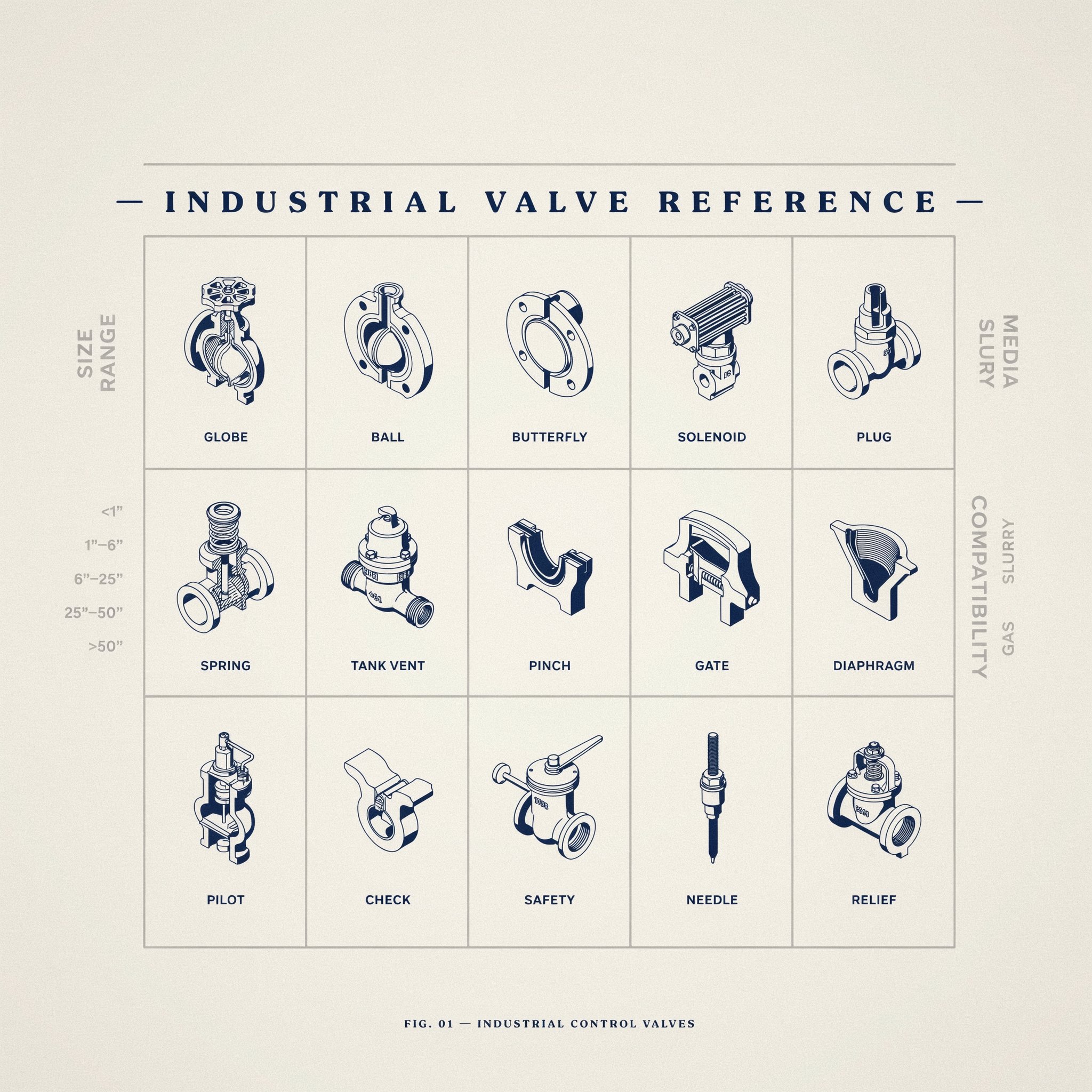
Mining and metals industries depend on industrial valves to manage slurry transport, water treatment, mineral processing, and refining operations. These applications often involve abrasive materials and challenging environmental conditions. High-performance valve technologies are required to ensure durability, reliability, and efficient process management. As global demand for minerals and raw materials continues to rise, the mining sector remains an important contributor to market growth.
Manufacturing and industrial processing facilities represent a broad market segment encompassing automotive production, electronics manufacturing, pulp and paper processing, textiles, and numerous other industries. Industrial valves support a wide range of production activities involving fluid handling, cooling systems, compressed air networks, and process control applications. Continued industrialization and smart manufacturing initiatives are driving demand for modern valve technologies that support automation and operational efficiency.
From a deployment perspective, traditional manually operated valves continue to maintain a significant presence across many industrial environments. These valves are valued for their simplicity, reliability, and cost-effectiveness in applications where frequent adjustments are not required. Many facilities continue to utilize manual valve systems for basic flow control functions and secondary process applications.
Automated valve systems represent one of the fastest-growing deployment categories. Automated valves utilize actuators and control systems that enable remote operation and real-time process adjustments. These solutions are increasingly adopted across industries seeking greater operational efficiency, process consistency, and reduced labor requirements. Automated valves are particularly valuable in large-scale industrial facilities where centralized control capabilities improve overall performance.
View detailed Table of Content here – https://www.marketsandmarkets.com/Market-Reports/industrial-valve-market-256097136.html
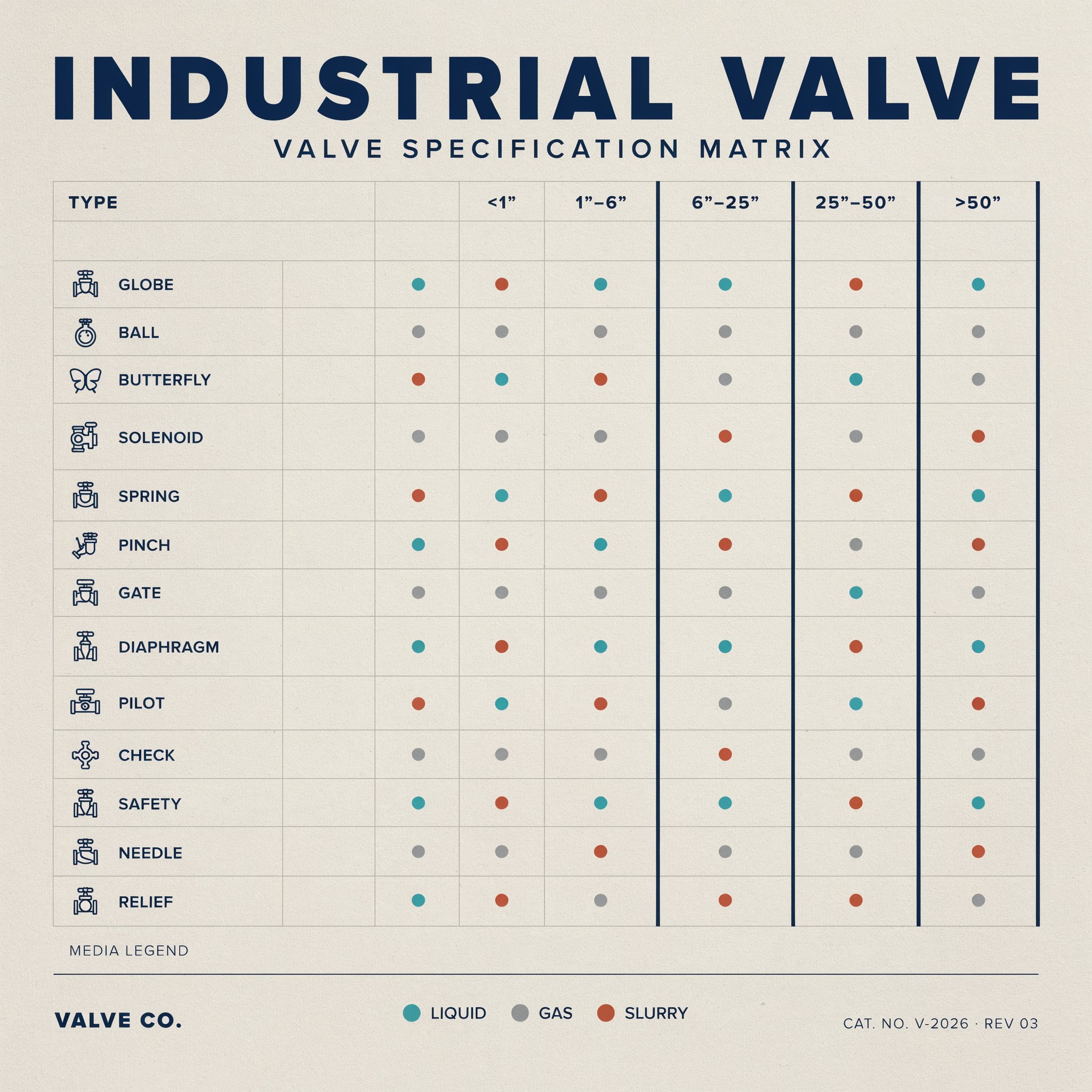
Smart valve deployment is emerging as a major trend within the market. Smart valves integrate sensors, communication technologies, and diagnostic capabilities that provide continuous operational insights. These valves support predictive maintenance, real-time monitoring, and advanced analytics applications. Smart deployment strategies align closely with Industry 4.0 initiatives and are becoming increasingly important as organizations pursue digital transformation goals.
Industrial Internet of Things integration is accelerating the adoption of intelligent valve deployments. Connected valve networks generate valuable operational data that can be analyzed to optimize system performance and improve asset management. Cloud-based monitoring platforms, artificial intelligence, and advanced analytics technologies further enhance the value of smart valve deployments by providing actionable insights and predictive capabilities.
The growing demand for sustainability and energy efficiency is also influencing deployment strategies. Organizations are increasingly selecting valve systems that support resource conservation, emissions reduction, and energy optimization objectives. Advanced deployments enable more precise process control and contribute to improved environmental performance.
Looking ahead, the Industrial Valves Market will continue to evolve as industry-specific requirements and deployment preferences shape purchasing decisions. Growth across key verticals such as oil and gas, power generation, water treatment, chemicals, pharmaceuticals, food processing, mining, and manufacturing will support strong demand for advanced valve technologies. Simultaneously, the transition from traditional systems toward automated and smart deployments will drive innovation and create new opportunities throughout the global industrial valves industry.