
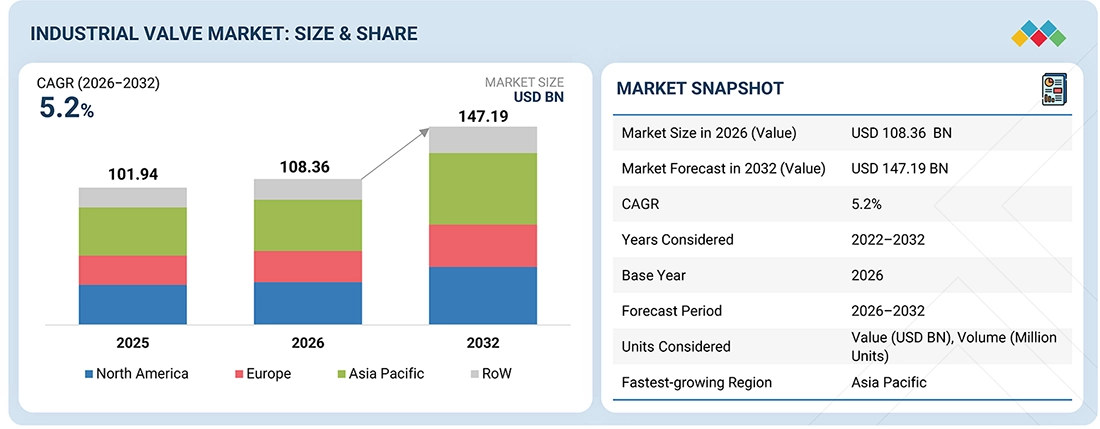
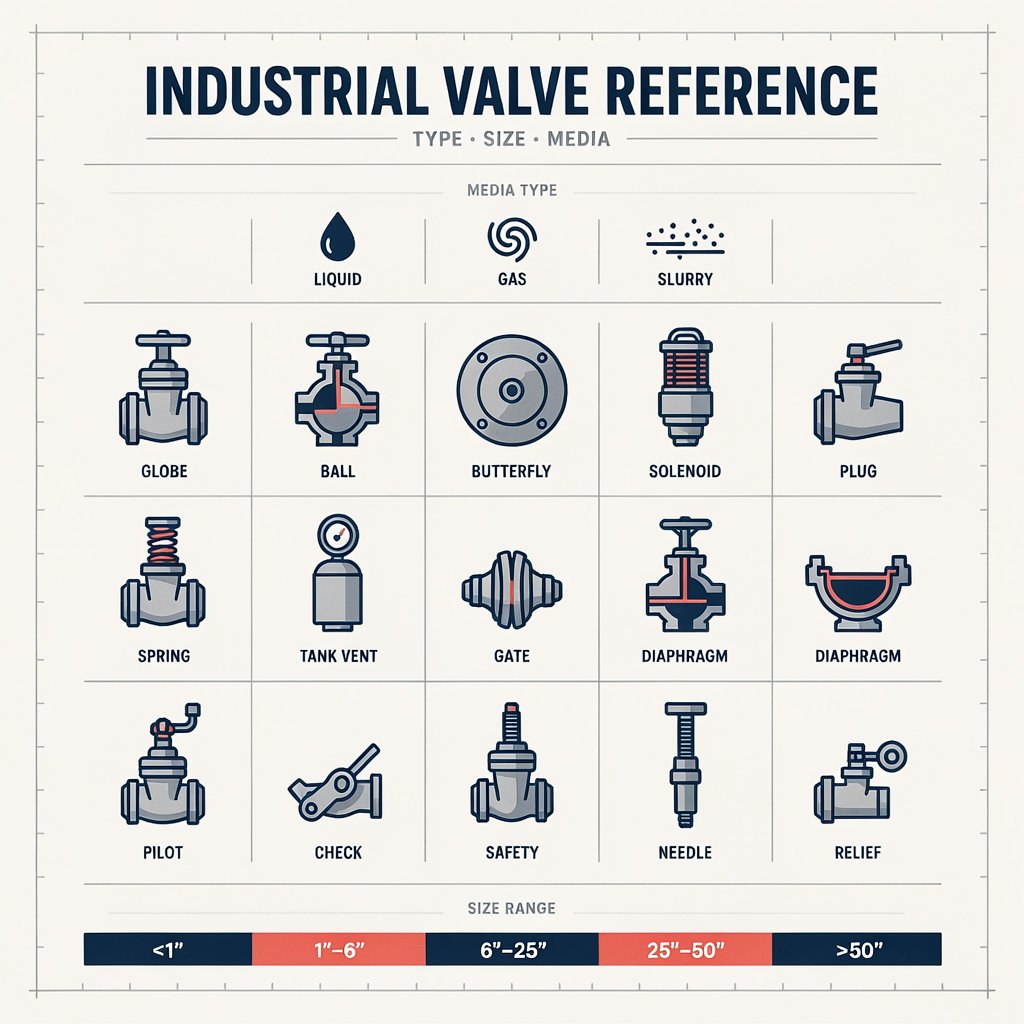
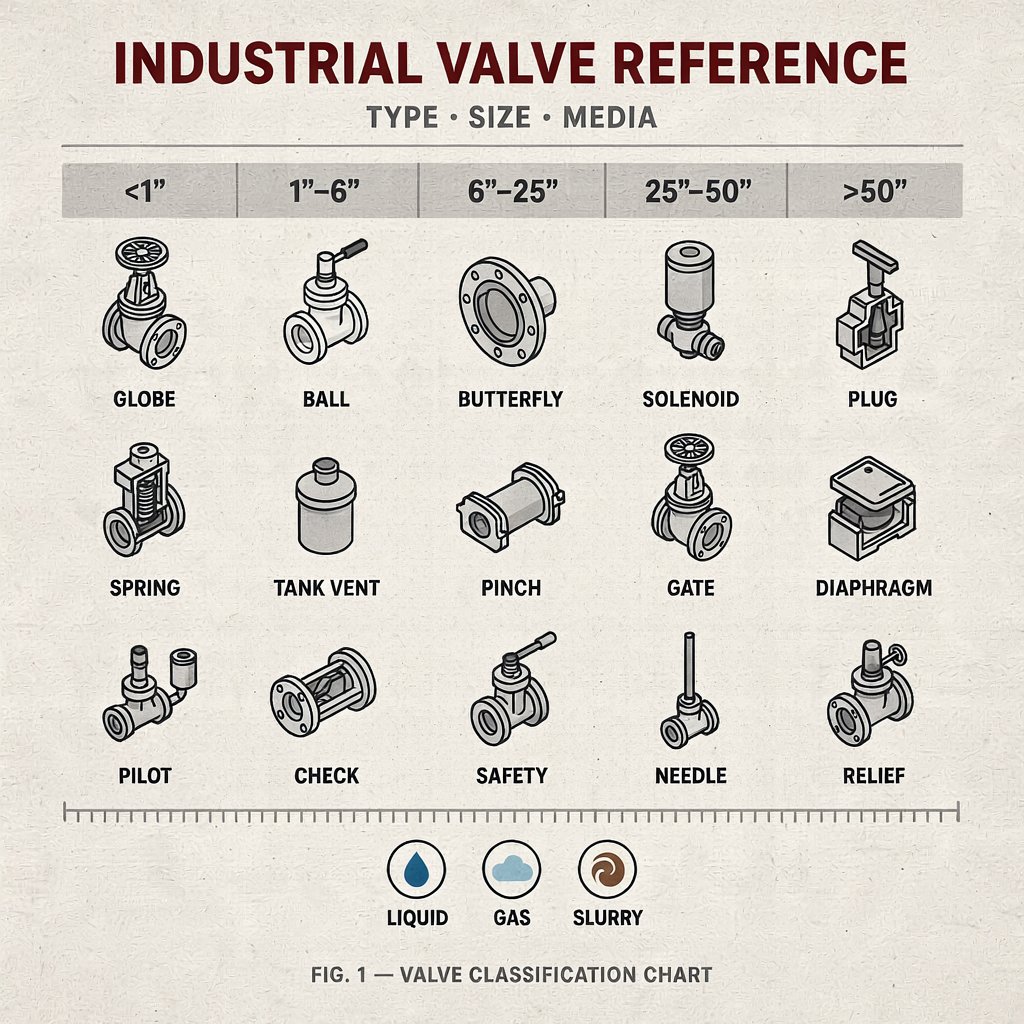
The Industrial Valve Market is gaining new opportunities from the development of smart industrial plants as manufacturers increasingly adopt automation, Industrial Internet of Things (IIoT), artificial intelligence, cloud computing, edge technologies, and digital twins. Valves are fundamental components in industrial processes because they regulate, isolate, and direct the movement of liquids, gases, steam, chemicals, and slurries. In smart plants, their role is expanding beyond basic mechanical flow control toward connected operation, real-time monitoring, predictive maintenance, and automated process optimization.
Transition Toward Smart Industrial Infrastructure
Smart industrial plants are designed to connect machines, sensors, control systems, and software platforms to improve operational visibility and productivity. This transformation is encouraging industries to modernize existing valve infrastructure and deploy intelligent valve solutions.
Traditional valves can operate effectively for many years, but limited visibility into their condition can make maintenance and troubleshooting difficult. Smart valve systems address this limitation by combining valves with sensors, actuators, digital positioners, and communication technologies.
This evolution creates opportunities for manufacturers to offer connected valve solutions as part of broader industrial automation platforms.
Download PDF Brochure @ https://www.marketsandmarkets.com/pdfdownloadNew.asp?id=256097136
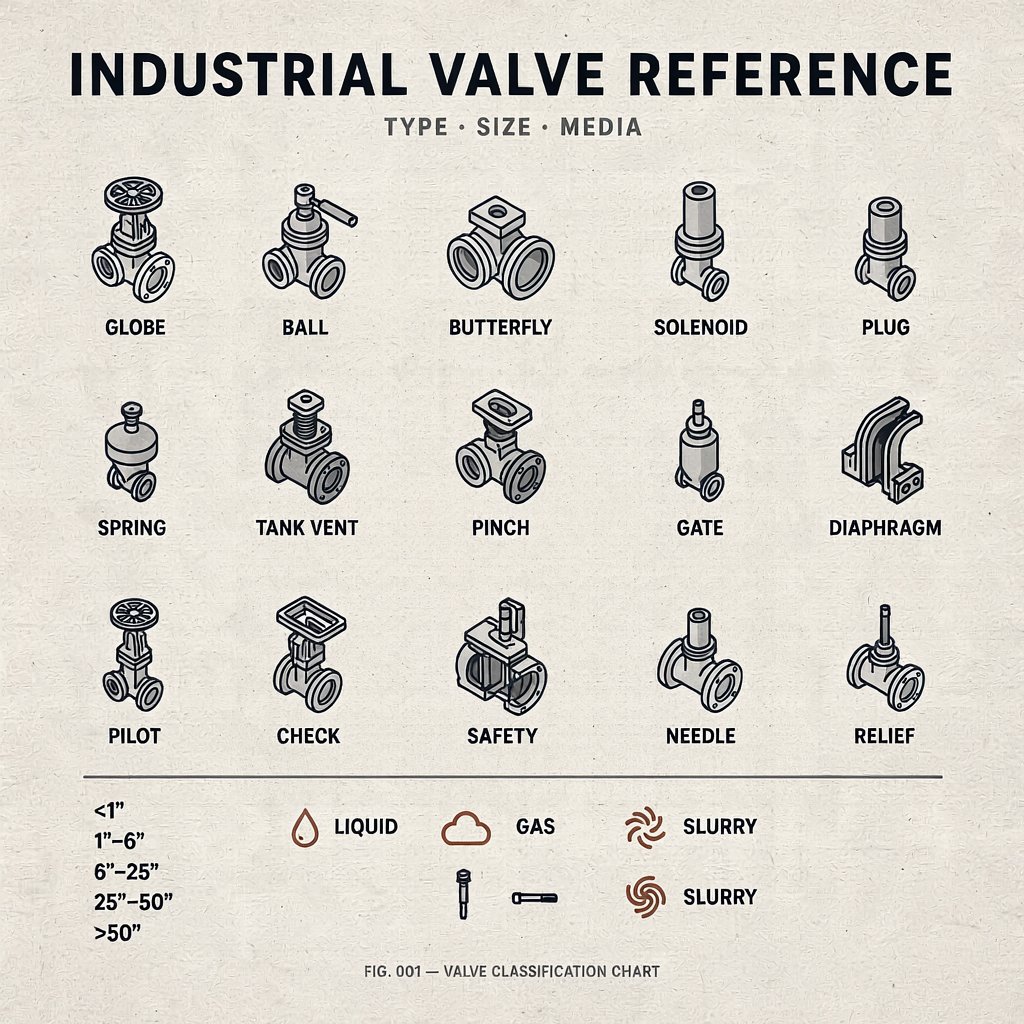
IIoT-enabled Valve Monitoring
IIoT connectivity is becoming an important growth opportunity in smart industrial plants. Connected valves can continuously transmit information about valve position, actuator condition, pressure, temperature, vibration, and flow characteristics.
This information can be integrated into centralized monitoring systems, allowing operators to understand valve performance in real time. Abnormal operating conditions can be identified earlier, reducing dependence on manual inspection.
As factories increasingly connect production equipment to industrial networks, demand for valves capable of communicating with digital systems is expected to increase.
AI-based Predictive Maintenance
Artificial intelligence can transform the way industrial valves are maintained. AI-based platforms can analyze historical and real-time data to identify patterns associated with valve wear, leakage, sticking, actuator degradation, or abnormal response.
Predictive analytics can help maintenance teams determine which valves require attention and when intervention is most appropriate. This approach can reduce unplanned downtime and prevent unnecessary replacement of components that continue to operate effectively.
For large industrial plants containing thousands of valves, AI-based maintenance can provide significant operational value by prioritizing assets according to risk and criticality.
Digital Twins and Virtual Process Models
Digital twin technology offers another opportunity for connected valve solutions. A digital twin can represent the physical condition and operating behavior of valves and related process equipment.
When connected to real-time sensor data, digital twins can help operators evaluate valve performance, simulate process conditions, and identify potential operational problems. Engineers can also use digital models during equipment commissioning and optimization.
Integration of valves into digital twin ecosystems can strengthen their role within smart plant infrastructure and create opportunities for advanced lifecycle-management services.
Inquiry Before Buying @ https://www.marketsandmarkets.com/Enquiry_Before_BuyingNew.asp?id=256097136
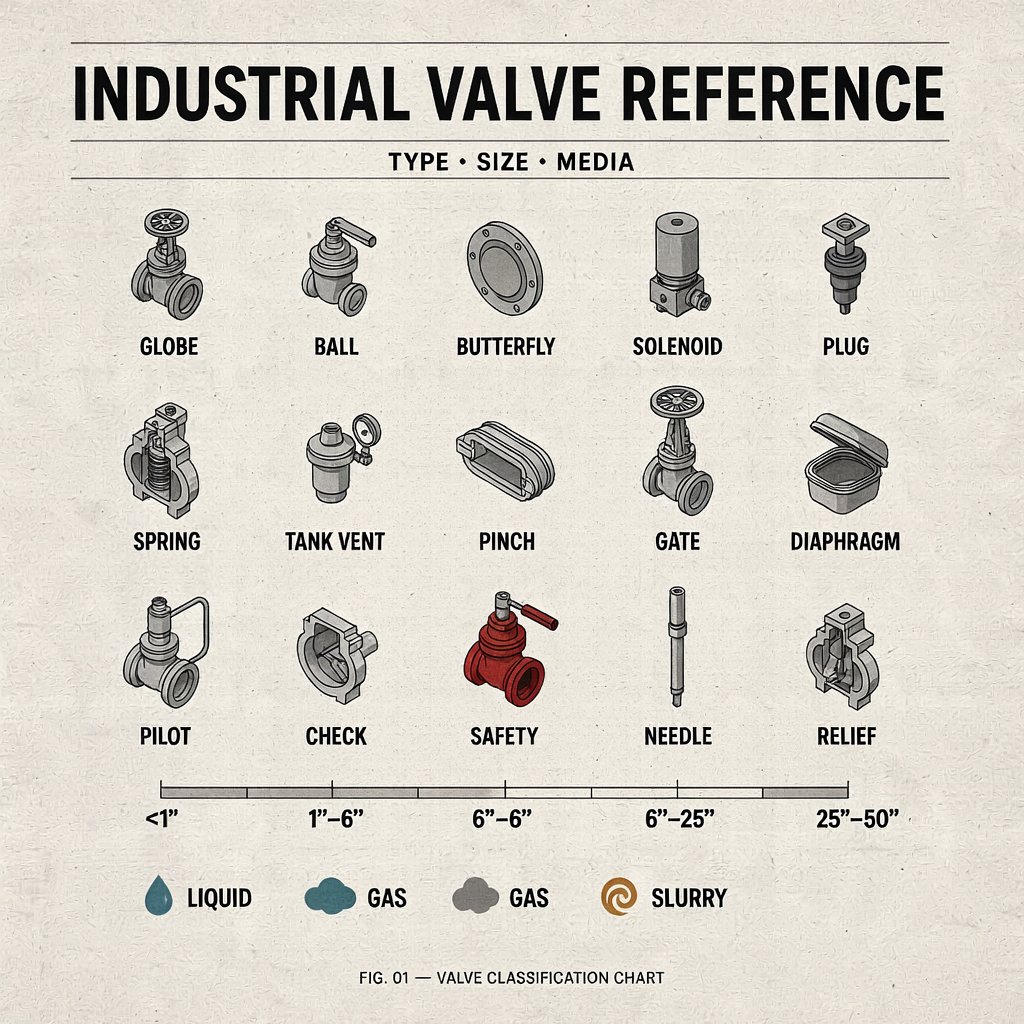
Edge Computing and Real-time Control
Smart plants generate large amounts of operational data, making edge computing increasingly relevant. Edge devices can process valve and process information close to the equipment, enabling rapid decisions without relying entirely on remote cloud systems.
Local processing can support immediate alerts when valve performance deviates from expected conditions. Cloud platforms can then store and analyze historical data for longer-term optimization and maintenance planning.
The combination of edge computing and connected valves can improve response times and strengthen the reliability of automated process-control systems.
Energy Efficiency Opportunities
Smart valve technologies can help industrial plants improve energy efficiency. Poorly regulated flow can increase the workload of pumps, compressors, and heating or cooling systems.
Automated control valves can continuously adjust flow according to real-time process requirements. Smart monitoring can identify inefficient operating conditions and support optimization of pressure and flow.
Energy-intensive industries can benefit from these capabilities as they seek to reduce operating costs and meet sustainability objectives.
Process Optimization
Connected valves can contribute to more consistent and optimized production processes. Real-time valve data can be combined with information from temperature, pressure, flow, level, and equipment sensors.
Advanced analytics can identify relationships between valve behavior and production performance. Operators can then adjust process parameters to reduce variability, improve throughput, and minimize material waste.
This capability is particularly valuable in chemicals, pharmaceuticals, food and beverages, oil and gas, and advanced manufacturing.
View detailed Table of Content here – https://www.marketsandmarkets.com/Market-Reports/industrial-valve-market-256097136.html
Safety and Reliability
Smart valve monitoring can improve industrial safety by providing early indications of abnormal operating conditions. Valves involved in hazardous processes may require rapid isolation when pressure, temperature, or flow conditions exceed safe limits.
Connected actuators and automated shutdown systems can support faster responses. Continuous diagnostics can also help identify equipment degradation before it becomes a major safety issue.
These capabilities are creating opportunities for valve manufacturers to develop intelligent products specifically for safety-critical applications.
Opportunities in Industrial Water and Energy Systems
Smart industrial plants increasingly incorporate sophisticated water and energy-management systems. Connected valves can regulate cooling water, steam, compressed air, process water, wastewater, and other utilities.
Monitoring these systems can help identify leaks, pressure losses, and inefficient flow conditions. Utilities can therefore use smart valve technologies to reduce resource consumption and improve plant-wide efficiency.
The increasing focus on industrial sustainability is expected to create additional demand for connected flow-control solutions.
Aftermarket and Lifecycle Services
Smart valves create opportunities beyond initial equipment sales. Manufacturers can provide remote diagnostics, condition monitoring, software updates, predictive maintenance, performance optimization, and lifecycle-management services.
Continuous data from connected valves can allow suppliers to support customers throughout the operating life of the equipment. Service-oriented business models can strengthen customer relationships and generate recurring revenue.
Future Market Outlook
The Industrial Valve Industry is expected to benefit from the continued development of smart industrial plants. Connected valve solutions can support real-time monitoring, predictive maintenance, process optimization, energy management, safety, and remote operation.
Future opportunities will increasingly center on intelligent actuators, IIoT connectivity, AI-based analytics, digital twins, edge computing, and integration with industrial automation platforms. Manufacturers that combine reliable valve hardware with digital intelligence and lifecycle services are likely to gain competitive advantages.
As industrial facilities transition toward connected and autonomous operations, valves will become increasingly important interfaces between physical process equipment and digital control systems. This transformation is expected to expand the role of industrial valves and create long-term opportunities across smart factories, process industries, utilities, and other digitally enabled industrial environments.