
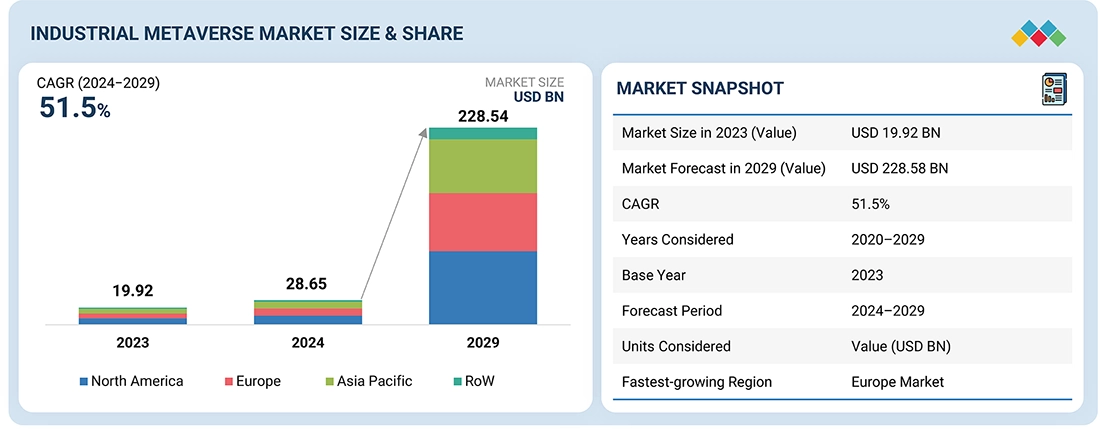
The industrial metaverse is rapidly transforming logistics and warehousing operations by enabling immersive, data-driven, and highly optimized digital environments. As global supply chains become more complex and customer expectations for speed and accuracy continue to rise, organizations are seeking advanced technologies to improve efficiency, reduce costs, and enhance visibility. The industrial metaverse, powered by digital twins, real-time analytics, and immersive visualization, is emerging as a key solution for addressing these challenges. Its adoption in logistics and warehousing is driving significant growth in the Industrial Metaverse Market.
One of the primary drivers of growth is the use of digital twin technology to create virtual replicas of warehouses and logistics networks. These digital twins allow organizations to simulate and analyze operations in real time, providing insights into inventory flow, storage utilization, and workforce productivity. By visualizing warehouse layouts and processes in a virtual environment, companies can identify inefficiencies, optimize space utilization, and improve overall operational performance. This capability is particularly valuable in large-scale distribution centers, where even small improvements can lead to significant cost savings.
Download PDF Brochure @ https://www.marketsandmarkets.com/pdfdownloadNew.asp?id=156427935
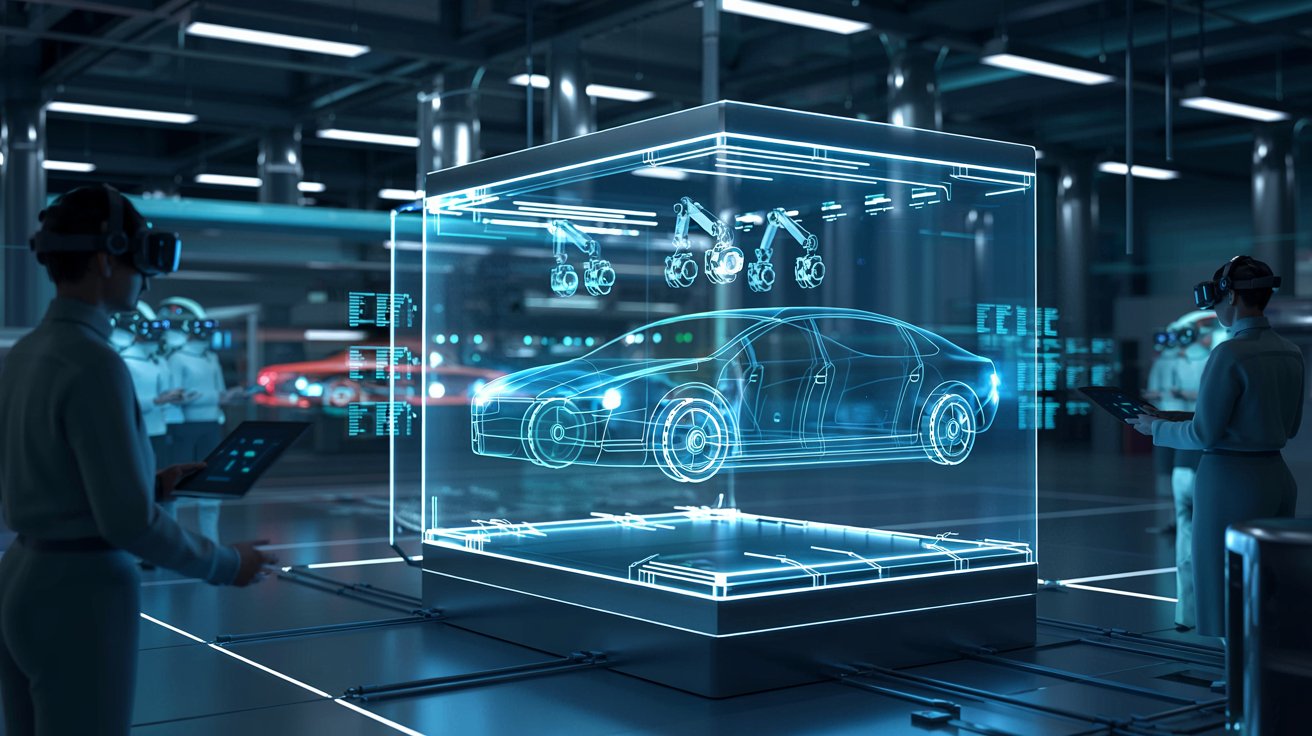
Real-time visibility is another critical factor contributing to the adoption of industrial metaverse solutions in logistics. Traditional supply chain systems often suffer from limited transparency, making it difficult to track inventory and shipments accurately. The industrial metaverse integrates data from IoT devices, sensors, and enterprise systems into a unified digital environment, providing a comprehensive view of operations. This real-time visibility enables organizations to monitor inventory levels, track shipments, and respond quickly to disruptions. Improved transparency enhances decision-making and ensures smoother supply chain operations.
Automation and robotics are also playing a significant role in driving market growth. Warehouses are increasingly adopting automated systems such as robotic picking, automated guided vehicles, and smart sorting systems. The industrial metaverse provides a platform for simulating and optimizing these automated processes before deployment. By testing different configurations and workflows in a virtual environment, organizations can ensure that automation systems operate efficiently and effectively. This reduces implementation risks and accelerates the adoption of advanced technologies in logistics operations.
Workforce optimization is another important aspect of industrial metaverse adoption in warehousing. Managing labor efficiently is a critical challenge, particularly in large and dynamic environments. The industrial metaverse enables organizations to analyze workforce performance, optimize task allocation, and improve productivity. Immersive technologies such as augmented reality and virtual reality are being used for training and operational support, allowing employees to interact with digital models and receive real-time guidance. This enhances skill development, reduces errors, and improves overall efficiency.
Inquiry Before Buying @ https://www.marketsandmarkets.com/Enquiry_Before_BuyingNew.asp?id=156427935
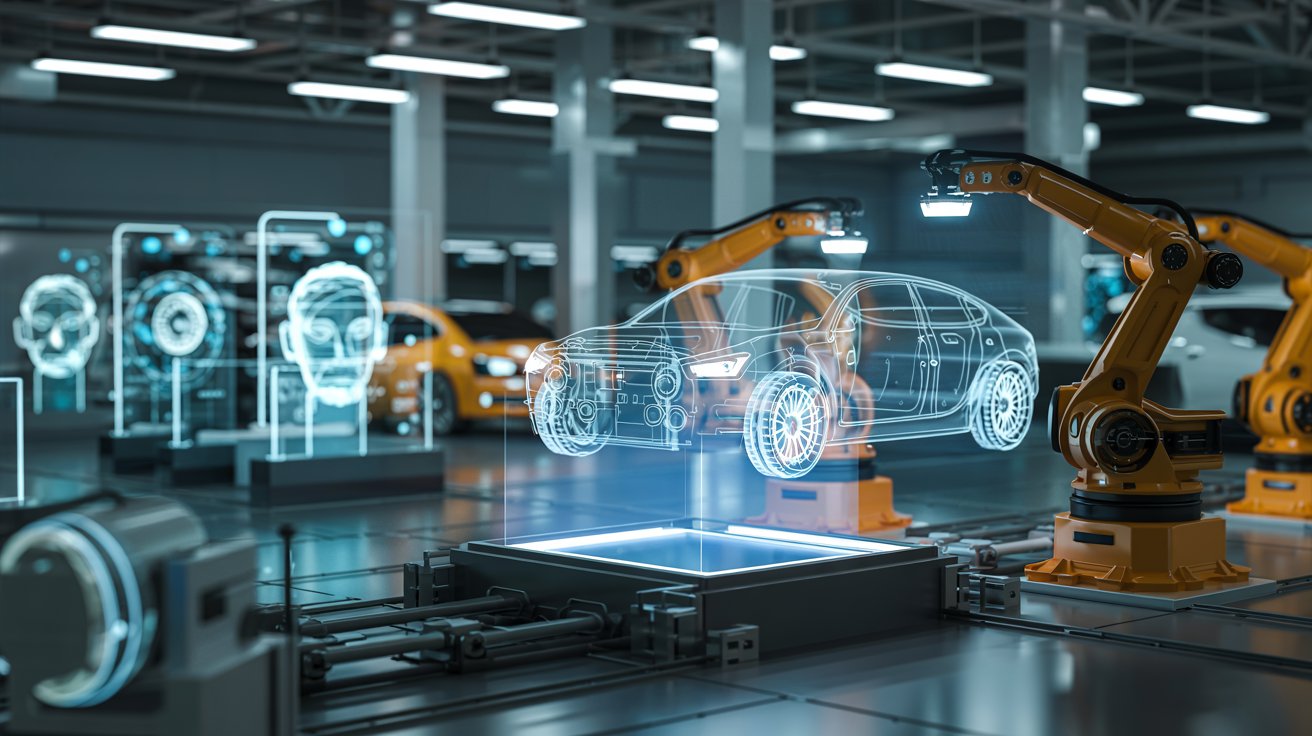
The optimization of warehouse design and layout is also benefiting from industrial metaverse technologies. Virtual simulations allow organizations to experiment with different layouts, storage systems, and workflows without physical modifications. This enables companies to identify the most efficient configurations and implement them with confidence. As e-commerce continues to drive demand for faster and more efficient logistics operations, the ability to optimize warehouse design is becoming increasingly important.
Another significant trend is the use of predictive analytics within the industrial metaverse to enhance logistics operations. By analyzing historical and real-time data, organizations can forecast demand, anticipate inventory needs, and optimize supply chain processes. Predictive insights enable better planning and reduce the risk of stockouts or overstocking. This data-driven approach improves efficiency and supports more agile and responsive supply chains.
Sustainability is also emerging as a key focus in logistics and warehousing, and the industrial metaverse is supporting this objective. Virtual simulations allow organizations to analyze energy consumption, transportation routes, and resource utilization, identifying opportunities for improvement. For example, companies can optimize delivery routes to reduce fuel consumption or redesign warehouse operations to minimize energy usage. These efforts contribute to environmental sustainability while also reducing operational costs.
View detailed Table of Content here – https://www.marketsandmarkets.com/Market-Reports/industrial-metaverse-market-156427935.html
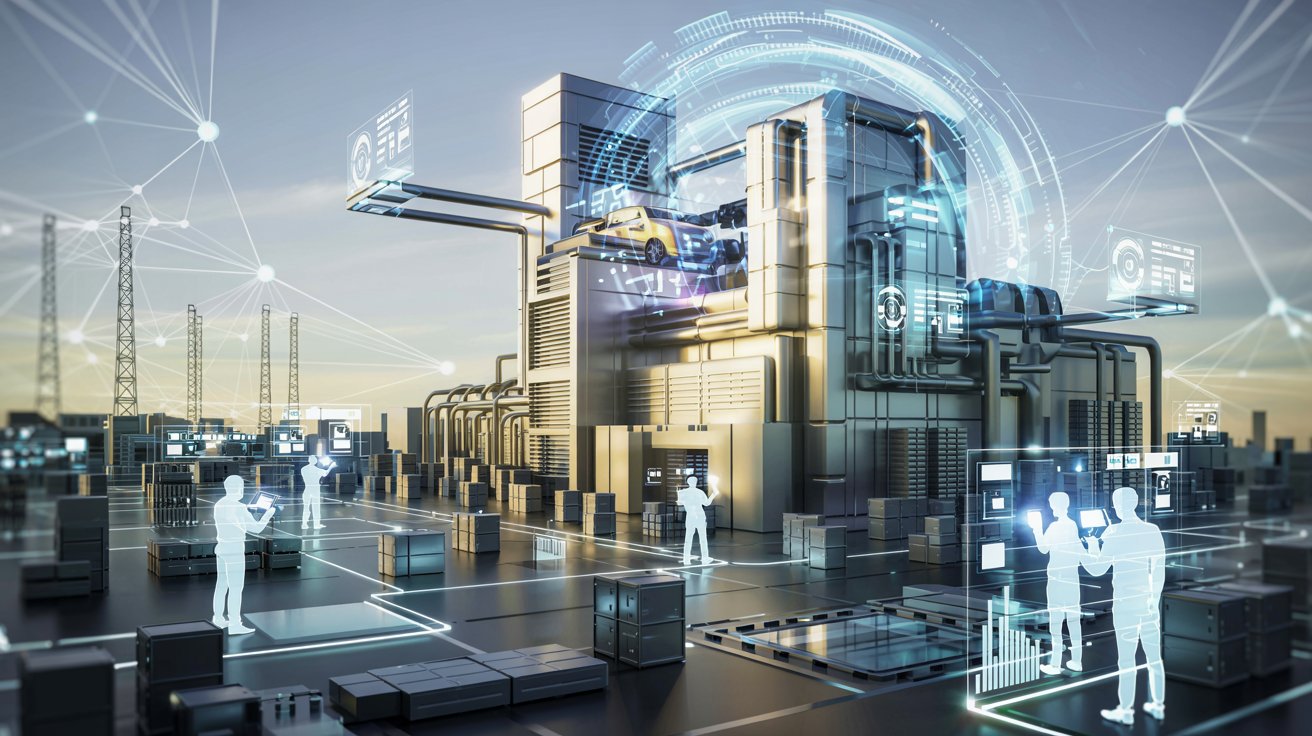
The integration of cloud computing and edge technologies is further enhancing the capabilities of industrial metaverse solutions in logistics. Cloud platforms provide the scalability and processing power required to handle large volumes of data, while edge computing enables real-time data processing at the source. This combination ensures that logistics operations are both efficient and responsive, supporting the seamless functioning of complex supply chains.
Despite the numerous benefits, challenges such as high initial investment, data integration complexities, and the need for skilled expertise remain. Implementing industrial metaverse solutions requires careful planning and coordination across multiple systems and technologies. However, ongoing advancements in technology and increasing adoption are helping to address these challenges, making these solutions more accessible and cost-effective.
The industrial metaverse is driving significant growth in logistics and warehousing by enabling real-time visibility, advanced simulation, and data-driven optimization. The integration of digital twins, automation, and predictive analytics is transforming how logistics operations are managed, improving efficiency and reducing costs. As supply chains continue to evolve and demand for faster, more reliable services increases, the industrial metaverse will play a crucial role in shaping the future of logistics and warehousing, supporting sustained market expansion.