
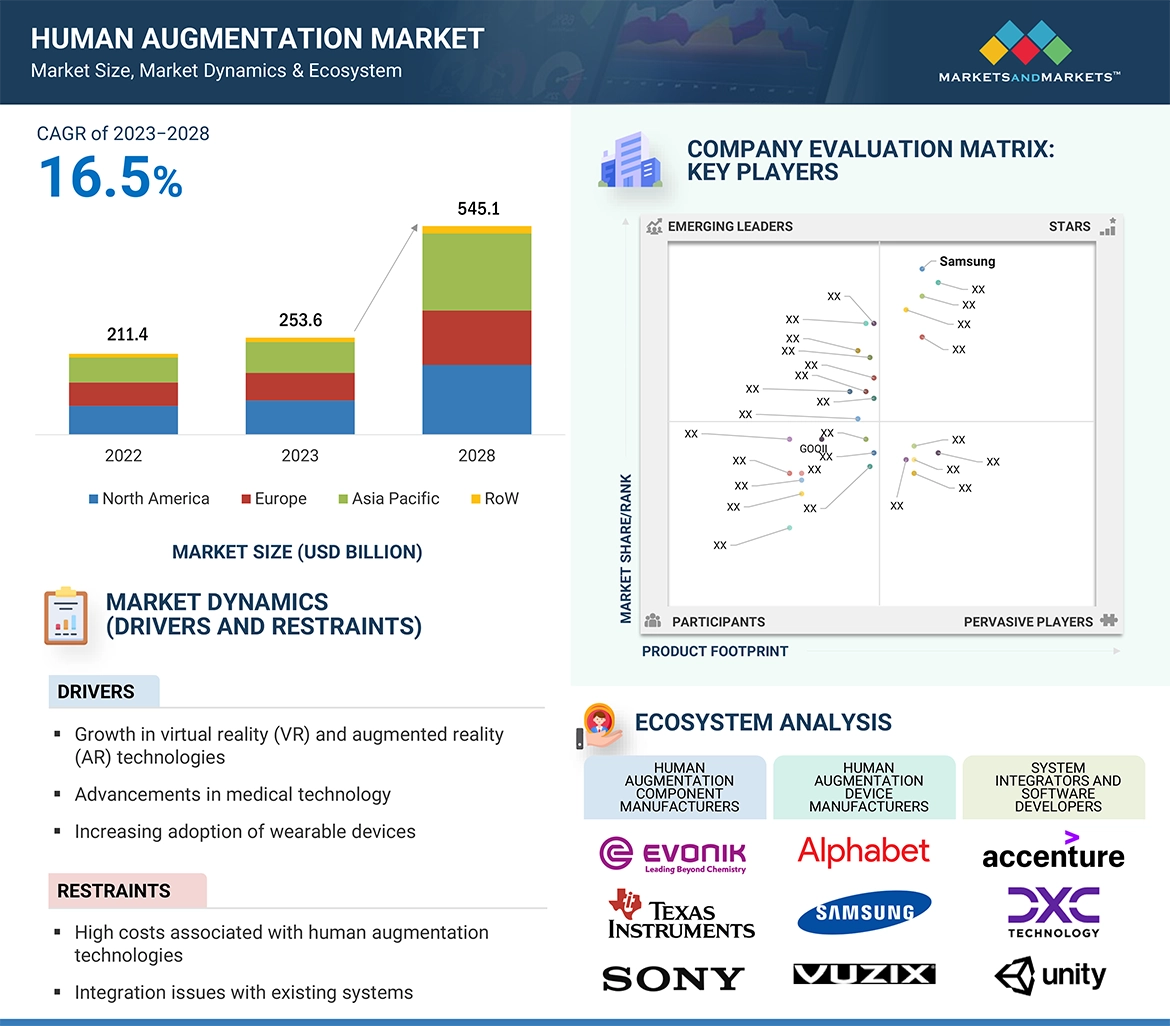
The Human Augmentation Market is evolving rapidly as the integration of the Internet of Things (IoT) and Edge Artificial Intelligence (Edge AI) transforms how augmentation technologies interact with users, devices, and digital ecosystems. Human augmentation is no longer limited to standalone wearable devices or assistive systems. Instead, modern augmentation platforms are becoming intelligent, interconnected solutions capable of collecting, processing, and acting upon real-time data without constant reliance on centralized cloud infrastructure. IoT enables seamless communication among connected devices, while Edge AI brings powerful data processing directly to wearable and embedded hardware. Together, these technologies are reshaping healthcare, industrial operations, defense, consumer electronics, and smart environments, creating a new generation of intelligent human augmentation systems.
The growing adoption of IoT has significantly expanded the capabilities of human augmentation technologies. Connected wearable devices, smart prosthetics, robotic exoskeletons, augmented reality glasses, biosensors, and implantable medical devices continuously exchange information with smartphones, cloud platforms, healthcare providers, industrial equipment, and enterprise management systems. This continuous connectivity enables augmentation devices to become part of larger digital ecosystems where information flows seamlessly across multiple platforms. Users benefit from synchronized experiences while organizations gain comprehensive visibility into performance, health status, and operational efficiency.
Edge AI has become one of the most influential innovations supporting this transformation. Unlike traditional artificial intelligence systems that rely heavily on cloud computing, Edge AI processes data directly on local devices or nearby computing hardware. Human augmentation devices equipped with embedded AI processors can analyze biometric information, environmental conditions, movement patterns, and user behavior in real time without transmitting every data point to remote servers. This local intelligence reduces latency, improves responsiveness, strengthens privacy, and enables autonomous decision-making even in environments with limited network connectivity.
Healthcare represents one of the most important sectors benefiting from IoT and Edge AI integration. Wearable health monitors continuously collect physiological information including heart rate, blood pressure, blood oxygen levels, respiration, sleep quality, stress indicators, glucose measurements, and movement patterns. Edge AI analyzes these data streams immediately on the wearable device, identifying abnormal conditions or health risks within seconds. Patients receive real-time health alerts without waiting for cloud-based analysis, while healthcare providers access summarized information through connected IoT healthcare platforms. This combination supports preventive healthcare, chronic disease management, and personalized medicine.
Download PDF Brochure @ https://www.marketsandmarkets.com/pdfdownloadNew.asp?id=177215310
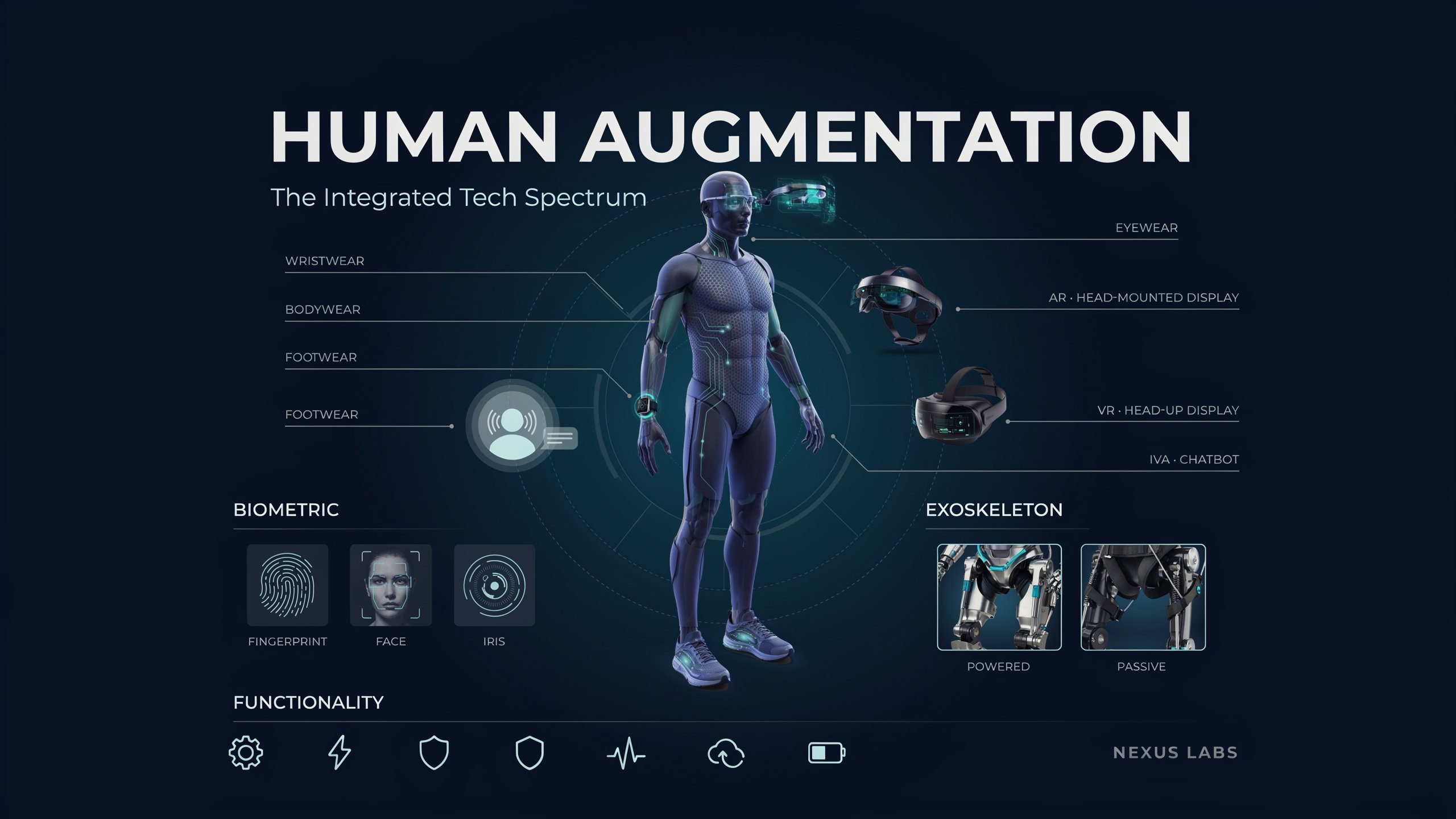
Remote patient monitoring has become significantly more effective through IoT-enabled augmentation technologies. Patients recovering from surgery or managing chronic illnesses use wearable devices that continuously monitor their condition while securely transmitting relevant information to healthcare providers. Edge AI filters and prioritizes health events locally, ensuring that only meaningful medical information requires cloud transmission. This intelligent processing reduces communication bandwidth while enabling faster clinical intervention when necessary. The result is a more efficient and responsive digital healthcare ecosystem.
Industrial workforce augmentation is another major area experiencing transformation. Smart exoskeletons, wearable safety devices, intelligent helmets, and biometric monitoring systems equipped with IoT connectivity continuously monitor worker performance and workplace conditions. Edge AI analyzes fatigue levels, posture, environmental hazards, equipment status, and worker movement in real time. When dangerous situations are detected, wearable devices immediately generate warnings without depending on external processing. This rapid response capability significantly improves workplace safety while supporting operational efficiency across manufacturing, logistics, construction, mining, and energy industries.
Robotic exoskeletons increasingly rely on Edge AI to provide natural movement assistance. Embedded processors interpret muscle activity, joint movement, walking speed, and user intentions in real time. AI algorithms continuously adapt support levels according to individual movement patterns, creating smoother and more comfortable interactions between humans and robotic systems. Because processing occurs locally, response times remain extremely fast, allowing exoskeletons to operate naturally during complex physical activities.
Consumer wearable electronics are also benefiting from this technological evolution. Smartwatches, fitness bands, smart rings, augmented reality glasses, and wearable biosensors increasingly perform sophisticated AI analysis directly on-device. Rather than simply collecting data, wearables now provide immediate health recommendations, activity coaching, sleep optimization, stress management guidance, and emergency notifications. Edge AI enables these capabilities while reducing battery consumption associated with constant cloud communication and improving user privacy by keeping sensitive health information on local devices whenever possible.
Inquiry Before Buying @ https://www.marketsandmarkets.com/Enquiry_Before_BuyingNew.asp?id=177215310
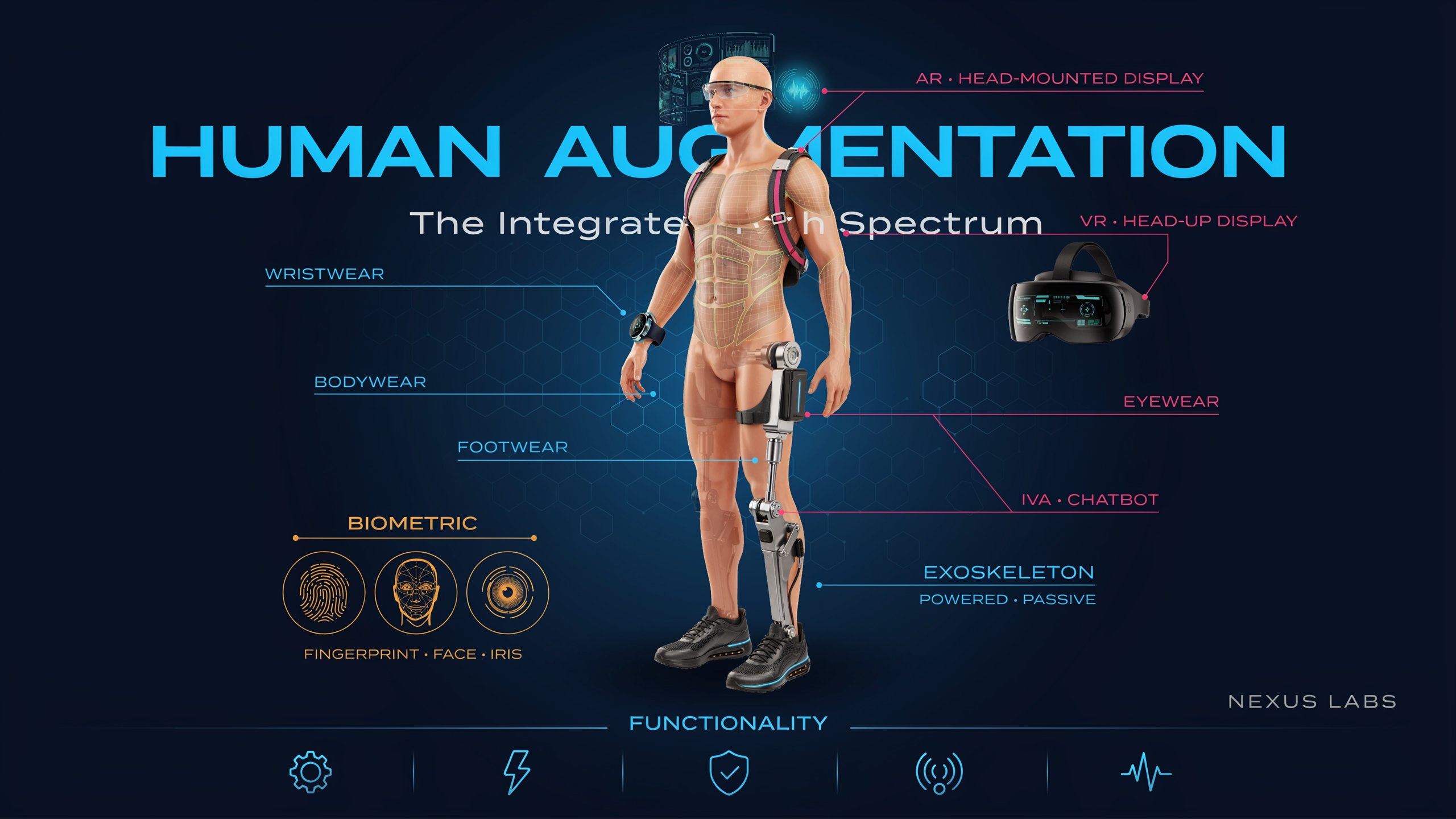
Augmented Reality devices have become more powerful through Edge AI integration. AR glasses analyze visual information from surrounding environments while recognizing objects, interpreting user gestures, and displaying relevant digital content in real time. Local AI processing enables smooth visual interactions with minimal delay, which is essential for industrial maintenance, healthcare procedures, navigation, education, and military operations. IoT connectivity further enriches these experiences by accessing equipment data, operational instructions, or cloud-based information whenever required.
Defense applications demonstrate the value of combining IoT with Edge AI. Military personnel increasingly utilize wearable technologies that monitor physiological conditions, environmental hazards, communication status, and battlefield information. Edge AI processes critical operational data directly within wearable devices, enabling immediate threat detection, navigation assistance, and health monitoring even in environments where communication with centralized systems may be unavailable. IoT connectivity synchronizes information across command centers whenever secure communication becomes possible.
Data privacy has become increasingly important as human augmentation technologies generate large volumes of sensitive personal information. Edge AI supports stronger privacy protection by processing biometric and behavioral information locally rather than continuously transmitting raw data across networks. Only essential information or aggregated insights are shared through IoT platforms, reducing exposure of confidential health and identity information. This approach strengthens user trust while supporting compliance with evolving global privacy regulations.
Energy efficiency also improves through Edge AI deployment. Constant communication with cloud platforms consumes significant battery power, particularly for wearable devices operating throughout the day. Local processing reduces network usage while allowing augmentation devices to operate longer between charging cycles. Advances in low-power AI processors continue extending battery life while increasing computational capabilities.
View detailed Table of Content here – https://www.marketsandmarkets.com/Market-Reports/human-augmentation-market-177215310.html
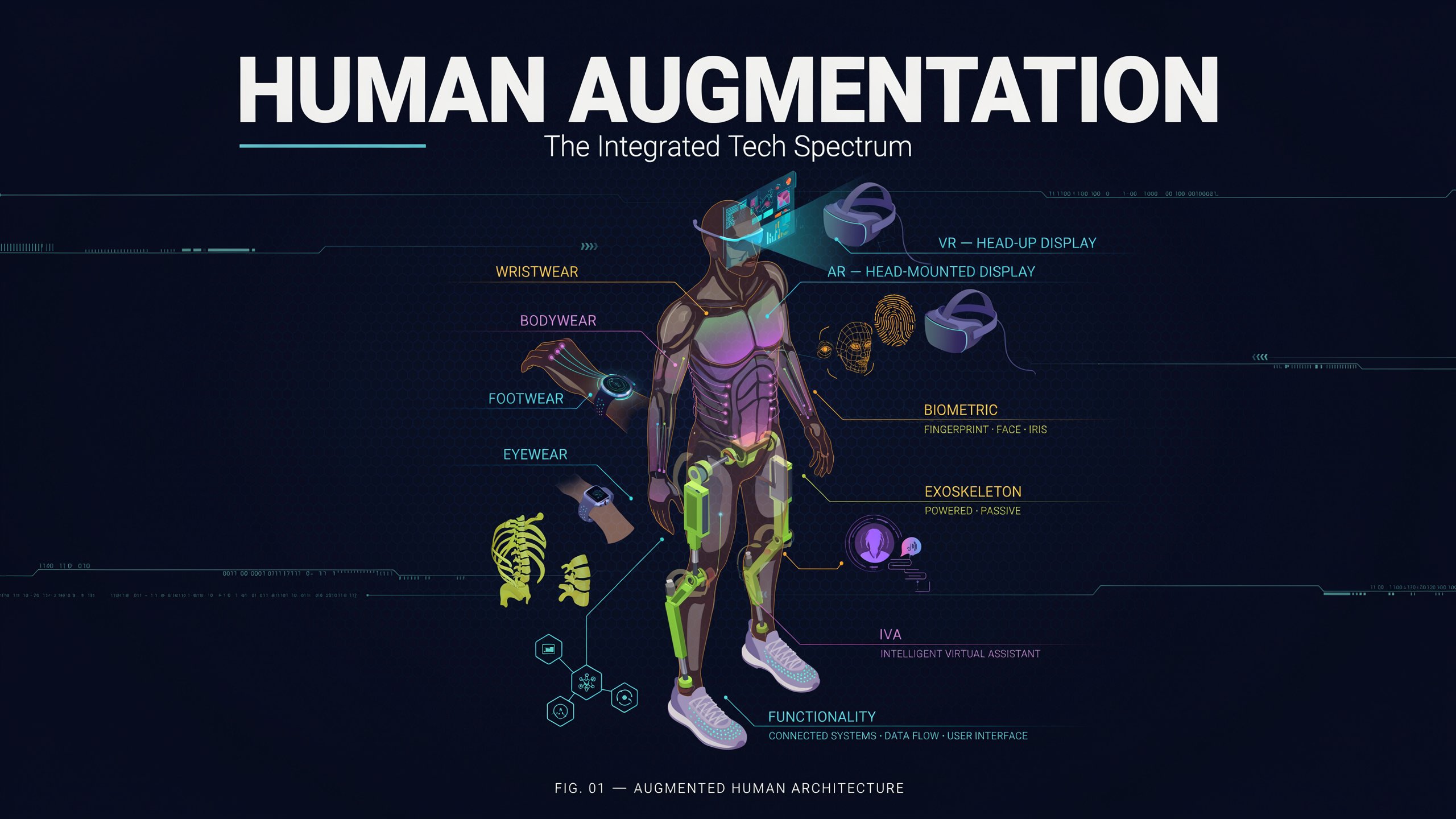
Interoperability remains essential for maximizing the benefits of IoT integration. Human augmentation devices increasingly communicate with electronic health records, industrial automation systems, smart homes, connected vehicles, enterprise platforms, and consumer digital ecosystems using standardized communication protocols. This interoperability creates unified digital environments where information flows securely between multiple intelligent systems, supporting more comprehensive user experiences.
Predictive analytics represents another emerging opportunity. IoT devices continuously generate operational and physiological data while Edge AI identifies long-term trends that may indicate future health conditions, equipment failures, or performance changes. Predictive maintenance in industrial environments and early disease detection in healthcare demonstrate how continuous local intelligence creates significant long-term value.
The expansion of 5G networks further strengthens IoT-enabled human augmentation. Faster wireless communication enables seamless synchronization between local Edge AI processing and cloud-based services when needed. High-speed connectivity supports collaborative healthcare, industrial automation, immersive augmented reality, and intelligent transportation applications while maintaining low-latency communication.
Looking ahead, the Human Augmentation Market will continue evolving through deeper integration of IoT and Edge AI technologies. Advances in semiconductor design, wireless communication, embedded artificial intelligence, wearable sensors, and cloud-edge collaboration will create increasingly intelligent augmentation platforms capable of delivering faster, safer, and more personalized experiences. As connected ecosystems expand across healthcare, manufacturing, defense, consumer electronics, and smart cities, IoT and Edge AI will become fundamental technologies driving the next generation of human augmentation innovation and market growth.