
The global large format printer market is undergoing a significant transformation as organizations increasingly demand faster, smarter, and more efficient printing solutions. Digitalization across industries such as architecture, engineering, construction (AEC), retail, advertising, textiles, and manufacturing is reshaping customer expectations and operational requirements. Within this evolving landscape, HP Development Company, L.P. has emerged as a leading force, driving digital transformation through intelligent workflow management, automation technologies, cloud-connected platforms, and advanced large-format printing solutions.
According to MarketsandMarkets, the global large format printer market is projected to grow from USD 7.94 billion in 2025 to USD 10.36 billion by 2030, registering a CAGR of 5.5% during the forecast period. The market’s growth is fueled by increasing demand for high-quality customized printing, digital signage, décor applications, textile printing, and eco-friendly production methods. HP has been identified among the leading players in the market due to its extensive product portfolio, strong market presence, and continuous innovation in large-format printing technologies.
The Shift Toward Digital Printing Ecosystems
Traditional large-format printing operations often involve multiple manual processes, including file preparation, print queue management, device monitoring, color calibration, and job tracking. These fragmented workflows can create inefficiencies, increase production costs, and slow project delivery.
As businesses embrace digital transformation initiatives, there is growing demand for integrated solutions that automate routine tasks while improving productivity and collaboration. HP has responded to this market need by developing a comprehensive ecosystem that connects printers, software, cloud services, and workflow applications into a unified production environment.
Rather than viewing large-format printers as standalone hardware devices, HP positions them as intelligent production hubs capable of supporting end-to-end digital workflows. This approach aligns closely with broader industry trends emphasizing automation, remote management, data-driven decision-making, and operational efficiency.
Download PDF Brochure @ https://www.marketsandmarkets.com/pdfdownloadNew.asp?id=523
HP’s Leadership in the Large Format Printer Market
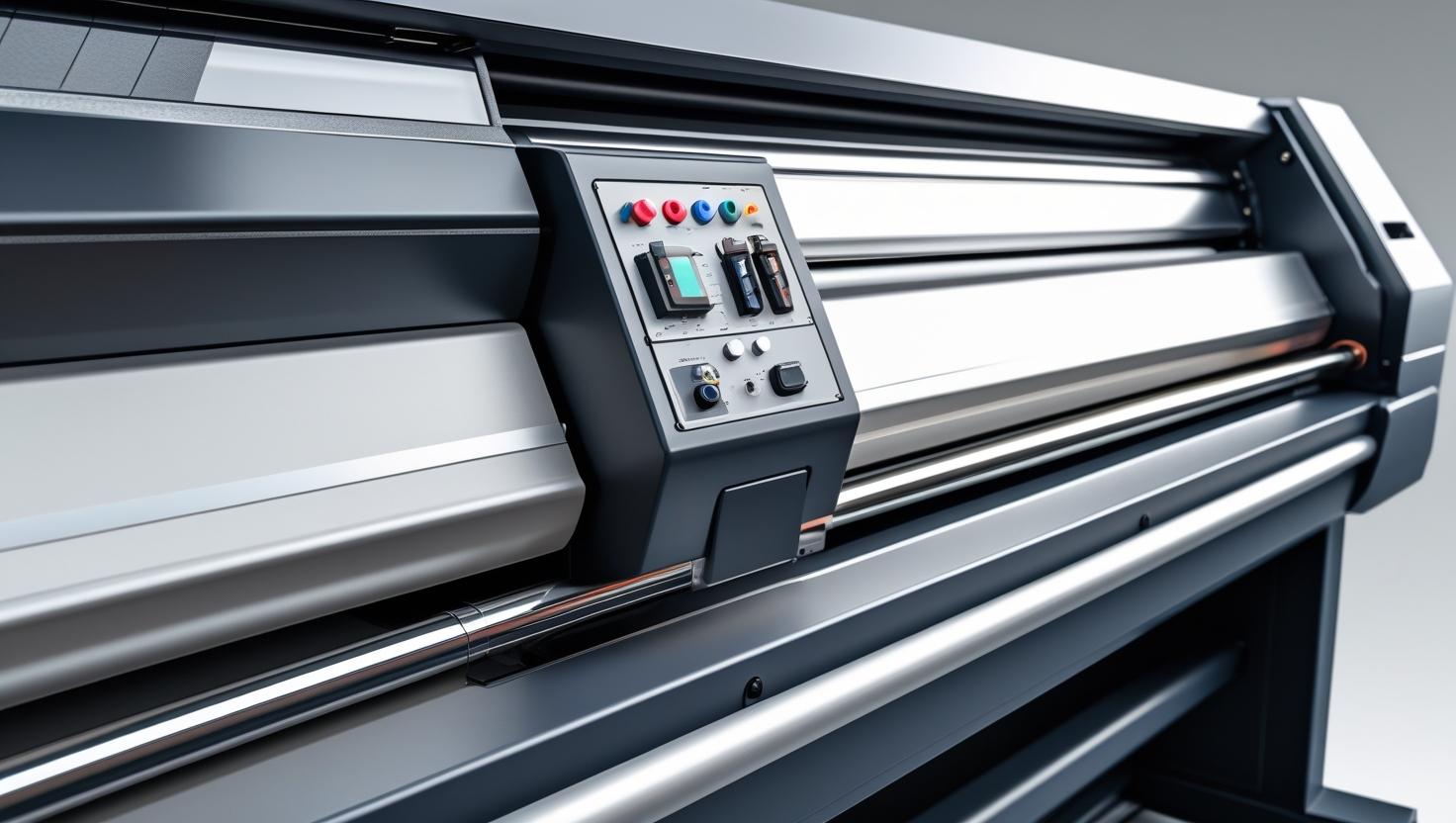
HP’s leadership position within the large format printer industry is supported by its extensive portfolio of DesignJet and Latex solutions serving a wide range of applications, including CAD drawings, GIS mapping, technical documentation, signage, retail graphics, vehicle wraps, and interior décor. MarketsandMarkets identifies HP as a star player within the global large format printer market due to its strong market share and comprehensive product footprint.
The company has consistently invested in research and development to address evolving customer requirements. Its strategy focuses on three primary pillars:
- Workflow simplification
- Intelligent automation
- Sustainable printing innovation
By integrating these capabilities across its portfolio, HP enables customers to improve productivity while reducing operational complexity.
Intelligent Workflow Solutions Redefining Productivity
One of HP’s most significant contributions to digital transformation is the development of intelligent workflow solutions designed to streamline print production processes.
HP Click software simplifies job submission by allowing users to print multiple files with minimal setup and reduced manual intervention. The platform is designed to help organizations eliminate repetitive tasks and improve overall workflow efficiency.
Similarly, HP SmartStream software helps production environments manage complex print jobs more effectively. The solution automates repetitive workflow processes, optimizes print layouts, and accelerates project completion, enabling organizations to meet increasingly demanding deadlines.
These technologies are particularly valuable for engineering firms, architecture practices, print service providers, and construction companies that frequently handle large volumes of technical documents and graphics.
By reducing workflow bottlenecks, HP allows organizations to focus on higher-value activities rather than administrative print management tasks.
Cloud-Based Print Management Through HP PrintOS
Cloud technology is becoming a cornerstone of digital transformation strategies across industries. HP has embraced this trend through HP PrintOS, a cloud-based operating platform that connects printers, operators, and business systems into a centralized digital environment.
HP PrintOS enables organizations to:
- Monitor printer performance remotely
- Track production metrics in real time
- Automate maintenance activities
- Manage print queues efficiently
- Improve collaboration across distributed teams
The platform provides actionable operational insights that help businesses optimize resource utilization and maximize equipment uptime. By leveraging cloud connectivity, organizations gain greater visibility into production workflows while reducing manual oversight requirements.
This capability is particularly important as hybrid work environments and geographically dispersed operations become increasingly common.
Automation in Architecture, Engineering, and Construction
The architecture, engineering, and construction sector represents one of the most significant application areas for large-format printing. Technical drawings, blueprints, GIS maps, and project documentation require precision, speed, and consistency.
HP has expanded beyond traditional printing hardware by introducing digital solutions specifically designed for construction workflows.
HP Build Workspace enables project teams to automate manual processes and improve collaboration throughout project lifecycles. The platform helps architects, engineers, and construction professionals manage project documentation more effectively while reducing administrative burdens.
In addition, HP AI Vectorization technology uses artificial intelligence to convert scanned plans into editable CAD files. According to HP, the solution can significantly reduce drafting time by automating much of the vectorization process. This innovation represents a major advancement in document digitization and workflow efficiency for construction professionals.
These technologies demonstrate HP’s commitment to integrating AI-powered automation into large-format printing environments.
Robotics and Next-Generation Automation
Perhaps one of HP’s most innovative developments is HP SitePrint, a robotic solution that automates floor layout and measurement processes within construction projects.
Traditionally, floor marking and layout activities require extensive manual labor and are susceptible to human error. HP SitePrint automates these tasks while improving accuracy and efficiency. The technology also provides real-time data processing and floor deviation printing capabilities.
This expansion into construction robotics highlights HP’s broader vision of digital transformation—one that extends beyond printing hardware into workflow automation across entire project ecosystems.
As industries increasingly seek labor-saving technologies and productivity enhancements, solutions such as SitePrint are likely to gain greater adoption.
Advancing Industrial Large Format Printing
HP is also strengthening its position within industrial-scale printing applications through continuous innovation in its Latex portfolio.
Recent product introductions such as the HP Latex 730 and 830 printer series have been designed to enhance productivity while maintaining high-quality output standards. These solutions target professional print service providers seeking greater operational efficiency and faster turnaround times.
More recently, HP introduced the Latex FS70 W, its fastest large-format latex printer. The system is engineered to deliver exceptionally high production speeds while supporting large-scale graphics, signage, and billboard applications. By enabling faster job completion without sacrificing quality, the printer helps businesses increase throughput and profitability.
These developments reflect HP’s focus on helping customers scale operations through automation and production optimization.
Sustainability as a Driver of Digital Transformation
Environmental responsibility is becoming an increasingly important purchasing criterion within the large format printer market.
MarketsandMarkets highlights the growing demand for eco-friendly printing solutions as a major factor supporting market expansion. Customers are increasingly seeking technologies that reduce waste, energy consumption, and environmental impact.
HP’s Latex technology aligns closely with these sustainability objectives. Latex inks are designed to provide high-quality output while supporting environmentally conscious printing practices. The company also continues to invest in energy-efficient hardware and sustainable production methodologies.
By combining sustainability with automation and productivity improvements, HP delivers a compelling value proposition for organizations pursuing both operational and environmental goals.
Aligning with Emerging Market Trends
Several key trends identified by MarketsandMarkets support HP’s long-term growth strategy within the large format printer market.
The increasing adoption of wireless connectivity, cloud-enabled workflows, high-resolution printing technologies, and customized printing applications is driving demand for advanced solutions. MarketsandMarkets also notes strong growth opportunities in décor printing, digital signage, and industrial printing applications.
HP’s investment in intelligent workflow software, cloud platforms, AI-powered applications, and industrial production systems positions the company to capitalize on these emerging opportunities.
Furthermore, rapid growth across Asia Pacific markets, driven by expanding retail, advertising, textile, and packaging industries, creates additional opportunities for HP’s digital printing ecosystem.
Future Outlook
As digital transformation continues reshaping industrial and commercial printing environments, HP remains well-positioned to lead the next phase of innovation within the large format printer market.
The company’s strategy extends beyond traditional hardware sales toward the creation of interconnected digital ecosystems that integrate software, cloud services, artificial intelligence, automation, and robotics. This comprehensive approach addresses the evolving needs of organizations seeking greater efficiency, flexibility, and competitiveness.
With continued investments in intelligent workflow technologies, AI-enabled automation, cloud-based print management, and high-performance printing platforms, HP is helping redefine how businesses approach large-format printing operations.
As the global large format printer market moves toward a projected value of more than USD 10 billion by 2030, HP’s commitment to digital transformation is expected to strengthen its leadership position while enabling customers to achieve new levels of productivity, innovation, and operational excellence.