
The global automotive industry is undergoing one of the most significant transformations in its history, driven by electrification, digitalization, and sustainability goals. At the center of this transformation lies the Automotive Battery Management System (BMS) market, a critical technology that ensures the safety, performance, and longevity of electric vehicle (EV) batteries. As smart mobility trends accelerate worldwide, the demand for advanced BMS solutions is gaining unprecedented momentum. The global automotive battery management system market is estimated to be USD 6.53 billion in 2025 and is projected to reach USD 15.65 billion by 2030, registering a CAGR of 19.1% during the forecast period.
The Growing Importance of Battery Management Systems
Battery Management Systems are essential for monitoring and controlling the performance of rechargeable battery packs used in electric and hybrid vehicles. These systems manage key functions such as state-of-charge estimation, temperature regulation, voltage balancing, and fault detection. Without a reliable BMS, the efficiency and safety of EV batteries would be significantly compromised.
With the rapid adoption of electric vehicles, the complexity of battery architectures has increased. Modern EVs rely on high-capacity lithium-ion batteries that require sophisticated monitoring and control. This has made BMS not just a supporting component but a core technology in the automotive ecosystem.
Market Growth Driven by Electrification
The global Automotive Battery Management System market is witnessing strong growth, fueled primarily by the surge in electric vehicle adoption. Governments across the globe are implementing stringent emission regulations and offering incentives to promote EV adoption, creating a favorable environment for BMS technologies.
In addition, the increasing popularity of hybrid electric vehicles (HEVs) and plug-in hybrid electric vehicles (PHEVs) is contributing to market expansion. These vehicles also rely on battery systems that require efficient management, further driving demand for advanced BMS solutions.
Smart Mobility Trends Reshaping the Market
Smart mobility is redefining how transportation systems operate, integrating technologies such as artificial intelligence (AI), the Internet of Things (IoT), and cloud computing. These innovations are playing a crucial role in the evolution of Battery Management Systems.
AI-powered BMS solutions can analyze large volumes of battery data in real time, enabling predictive maintenance and improving battery lifespan. IoT connectivity allows vehicles to communicate with external systems, providing insights into battery health and performance remotely. This level of intelligence is essential for fleet operators and mobility service providers who rely on data-driven decision-making.
Furthermore, smart mobility ecosystems are emphasizing energy efficiency and sustainability. Advanced BMS solutions help optimize energy usage, reduce waste, and enhance overall vehicle performance, aligning with global sustainability goals.
Download PDF Brochure @ https://www.marketsandmarkets.com/pdfdownloadNew.asp?id=15321159
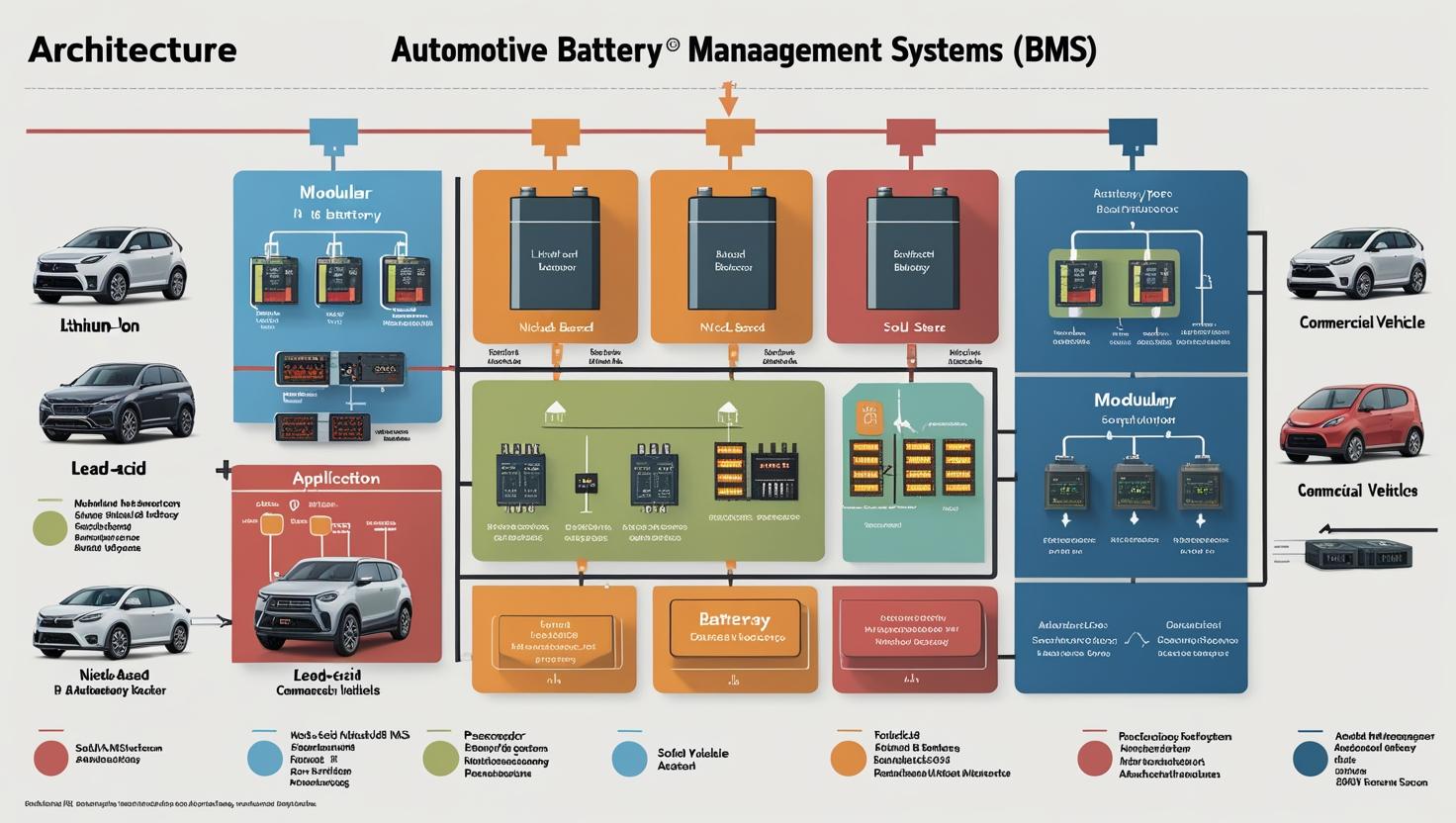
Technological Advancements Driving Innovation
Technological innovation is a key driver of growth in the Automotive Battery Management System market. Manufacturers are investing heavily in research and development to create more efficient, reliable, and scalable BMS solutions.
One of the major advancements is the integration of cloud-based platforms that enable real-time monitoring and analytics. These platforms provide valuable insights into battery performance, helping manufacturers and users make informed decisions.
Another emerging trend is the development of wireless BMS (wBMS), which eliminates the need for complex wiring harnesses. This not only reduces vehicle weight but also simplifies battery design and improves scalability. Wireless systems are expected to play a significant role in next-generation electric vehicles.
Additionally, advancements in thermal management technologies are enhancing battery safety and performance. Efficient heat management is critical for maintaining optimal battery conditions, especially in high-performance EVs.
Regional Dynamics and Market Expansion
The Automotive Battery Management System market is expanding across all major regions, with Asia-Pacific leading the charge. Countries like China, Japan, and South Korea are at the forefront of EV production and adoption, driving significant demand for BMS solutions.
North America is also experiencing strong growth, supported by increasing investments in electric mobility and the presence of leading automotive and technology companies. Europe remains a key market, driven by strict environmental regulations and ambitious carbon neutrality targets.
Emerging markets in Latin America and the Middle East are gradually adopting electric mobility, presenting new growth opportunities for BMS providers.
Challenges and Opportunities
Despite the positive growth outlook, the Automotive Battery Management System market faces several challenges. High development costs, complexity in battery integration, and the need for standardization are some of the key hurdles.
However, these challenges also present opportunities for innovation. Companies that can develop cost-effective, scalable, and interoperable BMS solutions will have a competitive advantage. Collaboration between automotive manufacturers, technology providers, and research institutions will be crucial in overcoming these challenges.
Future Outlook
The future of the Automotive Battery Management System market looks promising, with strong growth expected over the next decade. As electric vehicles become mainstream and smart mobility ecosystems continue to evolve, the demand for intelligent battery management solutions will only increase.
AI, IoT, and automation will play a pivotal role in shaping the next generation of BMS technologies. From predictive analytics to autonomous energy management, these systems will become more sophisticated and integral to vehicle performance.
In conclusion, the Automotive Battery Management System market is gaining significant momentum, driven by the convergence of electrification and smart mobility trends. As the automotive industry moves toward a more sustainable and connected future, BMS will remain a cornerstone technology, enabling safer, smarter, and more efficient transportation systems worldwide.
FAQs