
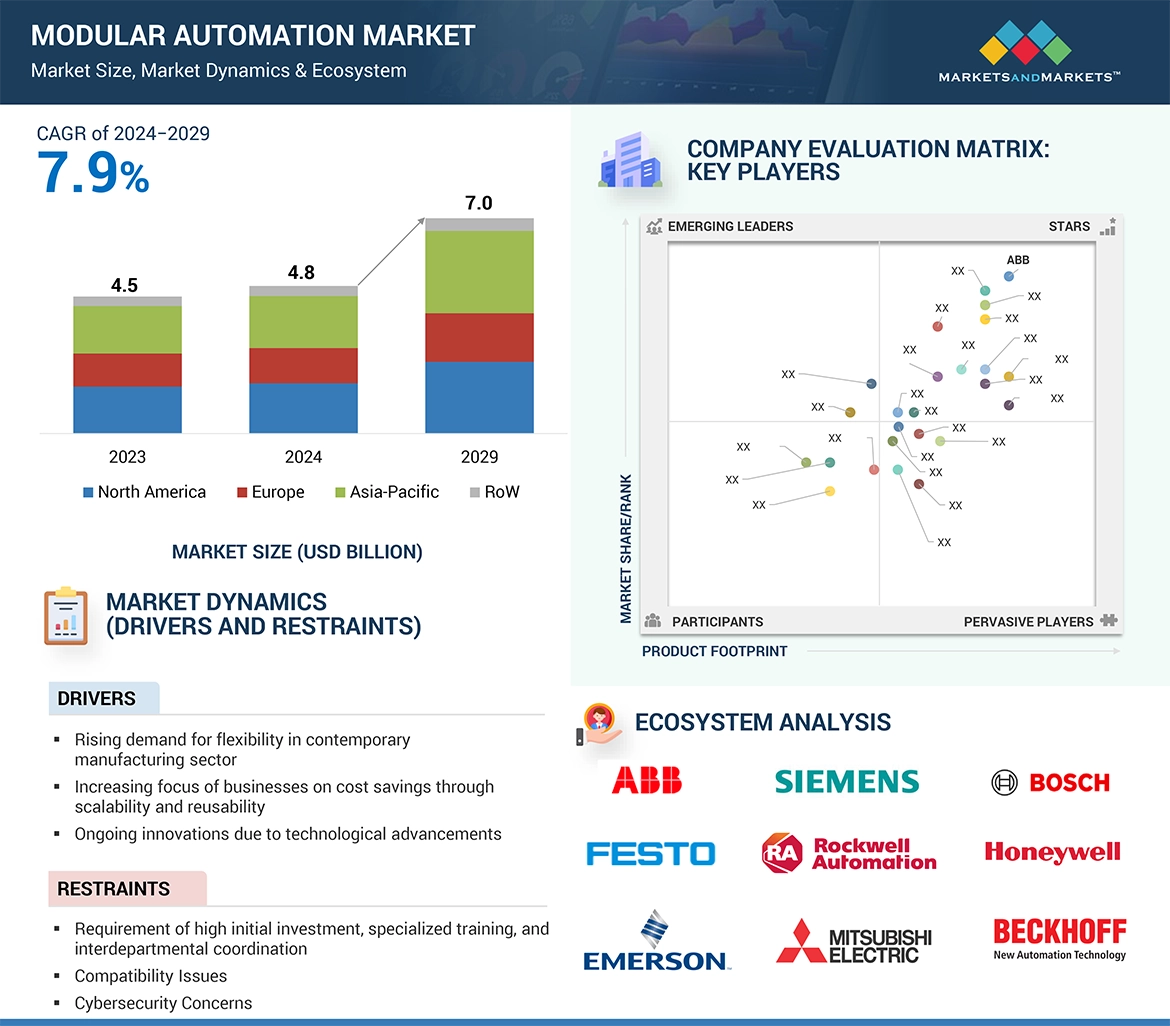
The global Modular Automation Market is expected to witness robust growth through 2029 as manufacturers across industries accelerate investments in flexible production systems, digital transformation, and intelligent factory technologies. The increasing need to improve manufacturing agility, reduce operational costs, and respond rapidly to changing customer demands is driving organizations to replace conventional fixed automation with modular and scalable production solutions. Modular automation enables manufacturers to build production lines using standardized and interoperable modules that can be easily expanded, upgraded, or reconfigured without disrupting overall operations. As industries continue to embrace smart manufacturing strategies, the market outlook remains highly positive, supported by technological innovation, industrial modernization, and increasing automation adoption across developed and emerging economies.
One of the strongest growth drivers through 2029 will be the continued expansion of Industry 4.0 initiatives. Manufacturers worldwide are integrating advanced digital technologies into production facilities to create intelligent factories capable of real-time monitoring, autonomous decision-making, and predictive process optimization. Modular automation provides the ideal infrastructure for Industry 4.0 because its standardized architecture allows seamless integration of connected machines, industrial sensors, robotics, enterprise software, and cloud-based management platforms. As governments and private enterprises continue investing in digital manufacturing programs, modular automation will play an increasingly central role in supporting next-generation industrial production.
Artificial intelligence is expected to become a core technology shaping the future of modular automation. AI-powered manufacturing systems are evolving beyond simple automation to provide intelligent production planning, predictive maintenance, adaptive process control, and automated quality optimization. Machine learning algorithms will continuously analyze manufacturing data to improve production efficiency, reduce downtime, optimize equipment utilization, and enhance operational decision-making. By 2029, AI is expected to be deeply integrated into modular production systems, allowing manufacturing facilities to operate with higher levels of autonomy while maintaining flexibility to accommodate changing production requirements.
Download PDF Brochure @ https://www.marketsandmarkets.com/pdfdownloadNew.asp?id=10649136
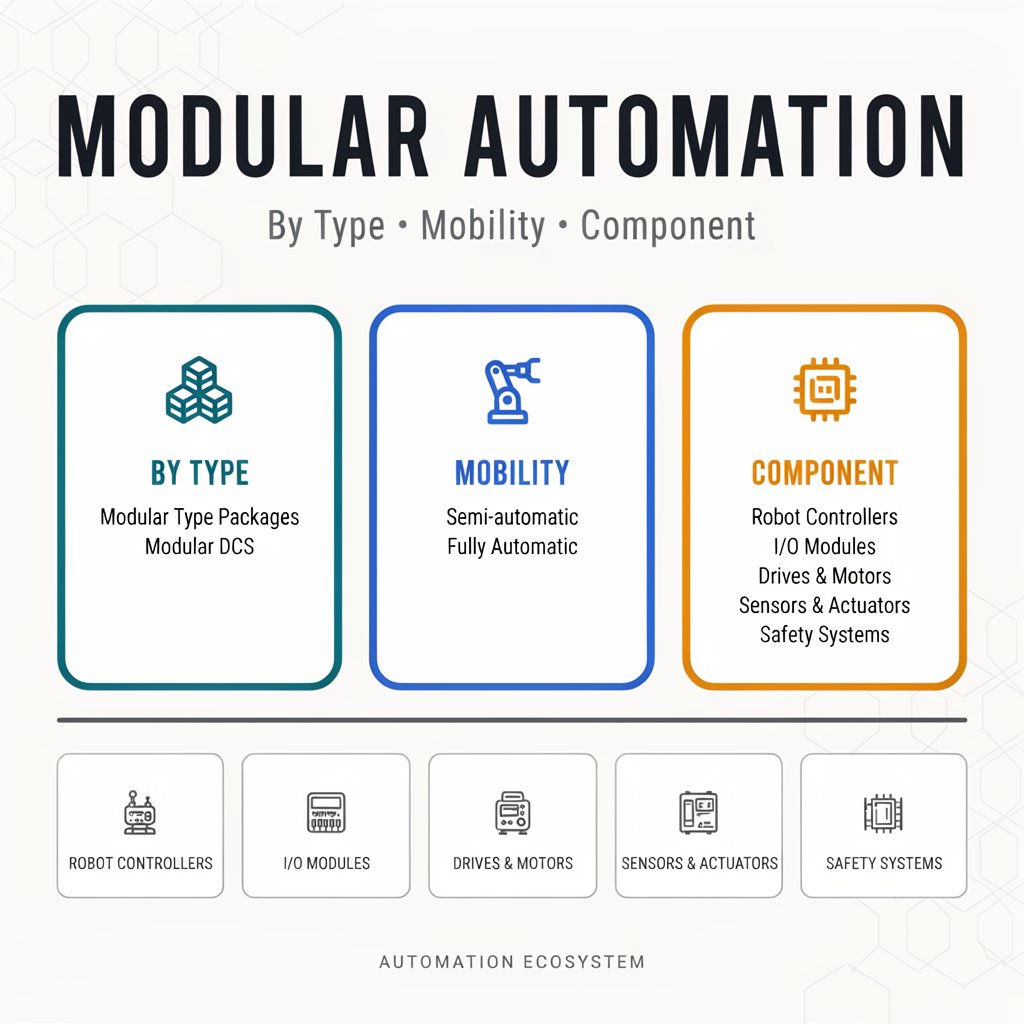
The Industrial Internet of Things will continue expanding its influence across modular automation systems during the forecast period. Connected sensors, controllers, industrial devices, and communication networks will generate large volumes of operational data that support intelligent manufacturing processes. Real-time monitoring of machine health, energy consumption, production efficiency, inventory movement, and environmental conditions will enable manufacturers to optimize factory operations with unprecedented precision. Modular automation systems will increasingly incorporate standardized connectivity solutions that simplify Industrial Internet of Things deployment while ensuring interoperability between equipment supplied by different vendors.
Collaborative robotics is expected to become a standard component of modular automation environments by 2029. Collaborative robots will increasingly perform assembly, packaging, inspection, material handling, machine tending, and logistics operations while working safely alongside human employees. Advances in artificial intelligence, machine vision, force sensing, and motion control will enable collaborative robots to perform more sophisticated manufacturing tasks with greater accuracy and adaptability. Modular automation will facilitate rapid deployment and relocation of robotic workstations, supporting flexible production layouts that can evolve according to changing manufacturing requirements.
Digital twin technology will become increasingly important in factory planning, production optimization, and equipment lifecycle management. Digital twins create virtual models of manufacturing facilities that accurately replicate the behavior of physical production systems. Engineers will use these virtual environments to simulate manufacturing scenarios, optimize factory layouts, evaluate production strategies, and predict equipment performance before implementing physical changes. Modular automation systems, with their standardized production modules, are particularly well suited for digital twin applications, enabling manufacturers to reduce implementation risks, shorten commissioning time, and improve long-term operational performance.
Cloud computing and edge computing will continue transforming manufacturing operations throughout the forecast period. Cloud platforms will provide centralized management of production facilities, enabling organizations to monitor equipment performance, coordinate manufacturing schedules, analyze operational data, and deploy software updates across multiple locations. At the same time, edge computing will enable real-time data processing directly within manufacturing facilities, allowing automation systems to respond immediately to changing production conditions without relying on external network connectivity. The combination of cloud and edge technologies will enhance the scalability, reliability, and responsiveness of modular automation systems.
Inquiry Before Buying @ https://www.marketsandmarkets.com/Enquiry_Before_BuyingNew.asp?id=10649136
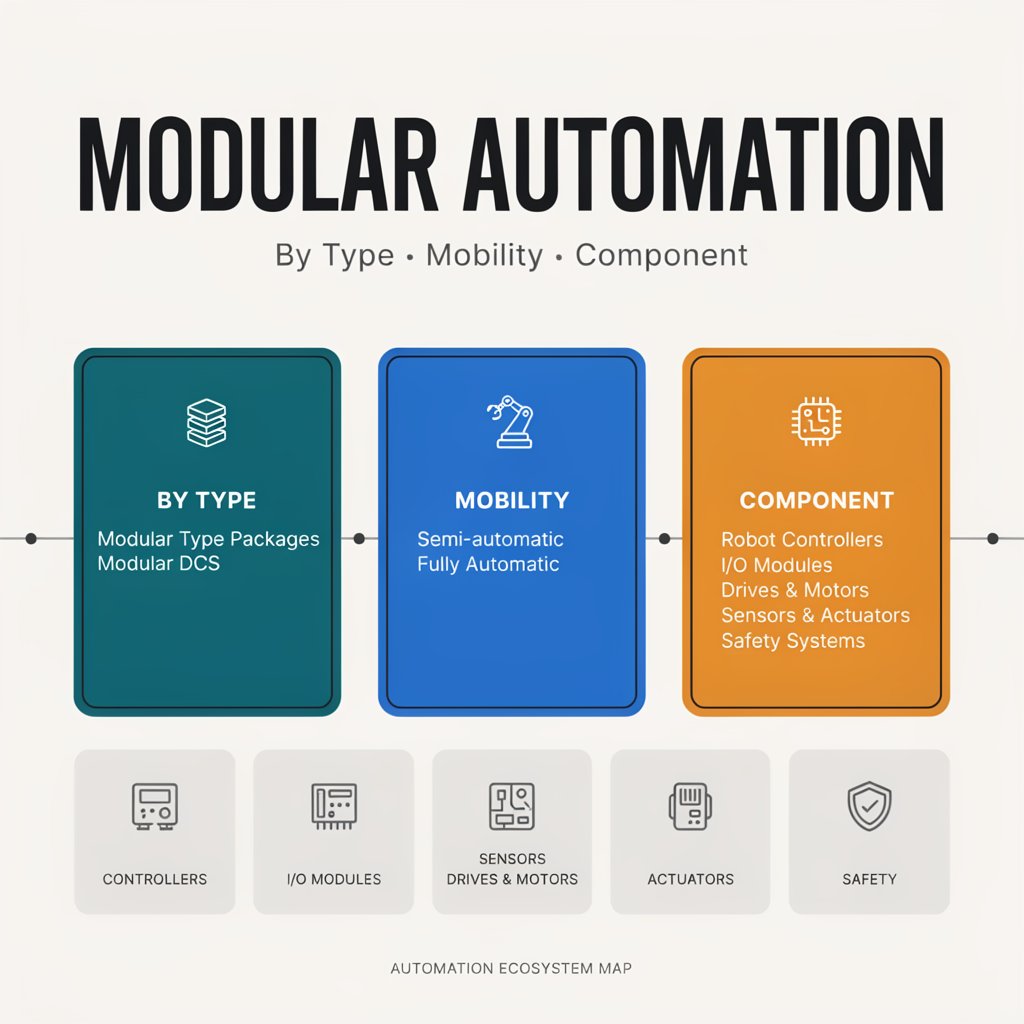
Sustainability will become an increasingly important factor influencing the modular automation market through 2029. Manufacturers are under growing pressure to reduce carbon emissions, improve energy efficiency, minimize material waste, and support environmentally responsible production practices. Modular automation contributes to these objectives by optimizing equipment utilization, reducing idle machine operation, improving process efficiency, and enabling gradual system upgrades rather than complete production line replacement. Intelligent energy management systems integrated into modular automation platforms will further support sustainable manufacturing while helping organizations achieve environmental compliance and long-term cost savings.
The expansion of electric vehicle production will generate substantial opportunities for modular automation providers. Automotive manufacturers are redesigning production facilities to accommodate battery manufacturing, electric powertrains, advanced electronics, and new vehicle architectures. Modular automation offers the flexibility required to adapt production lines quickly as battery technologies and vehicle designs continue evolving. This capability will support the rapid scaling of electric vehicle manufacturing while reducing capital investment requirements and improving production efficiency.
Pharmaceutical manufacturing will also represent a major growth area for modular automation through 2029. Increasing demand for biologics, personalized medicines, vaccines, and advanced therapeutic products requires highly flexible manufacturing systems capable of maintaining strict quality standards and regulatory compliance. Modular automation supports rapid production reconfiguration, automated quality control, process traceability, and continuous manufacturing, making it well suited for the evolving pharmaceutical industry. Similar opportunities will emerge across food and beverage, electronics, logistics, chemicals, and consumer goods manufacturing.
Autonomous mobile robots and intelligent material handling systems are expected to become increasingly integrated into modular automation environments. These technologies will optimize internal logistics by transporting raw materials, work-in-progress inventory, and finished products between production modules without human intervention. Artificial intelligence-powered navigation systems will improve warehouse efficiency, production flow, and factory flexibility while reducing labor requirements and operational costs.
View detailed Table of Content here – https://www.marketsandmarkets.com/Market-Reports/modular-automation-market-10649136.html
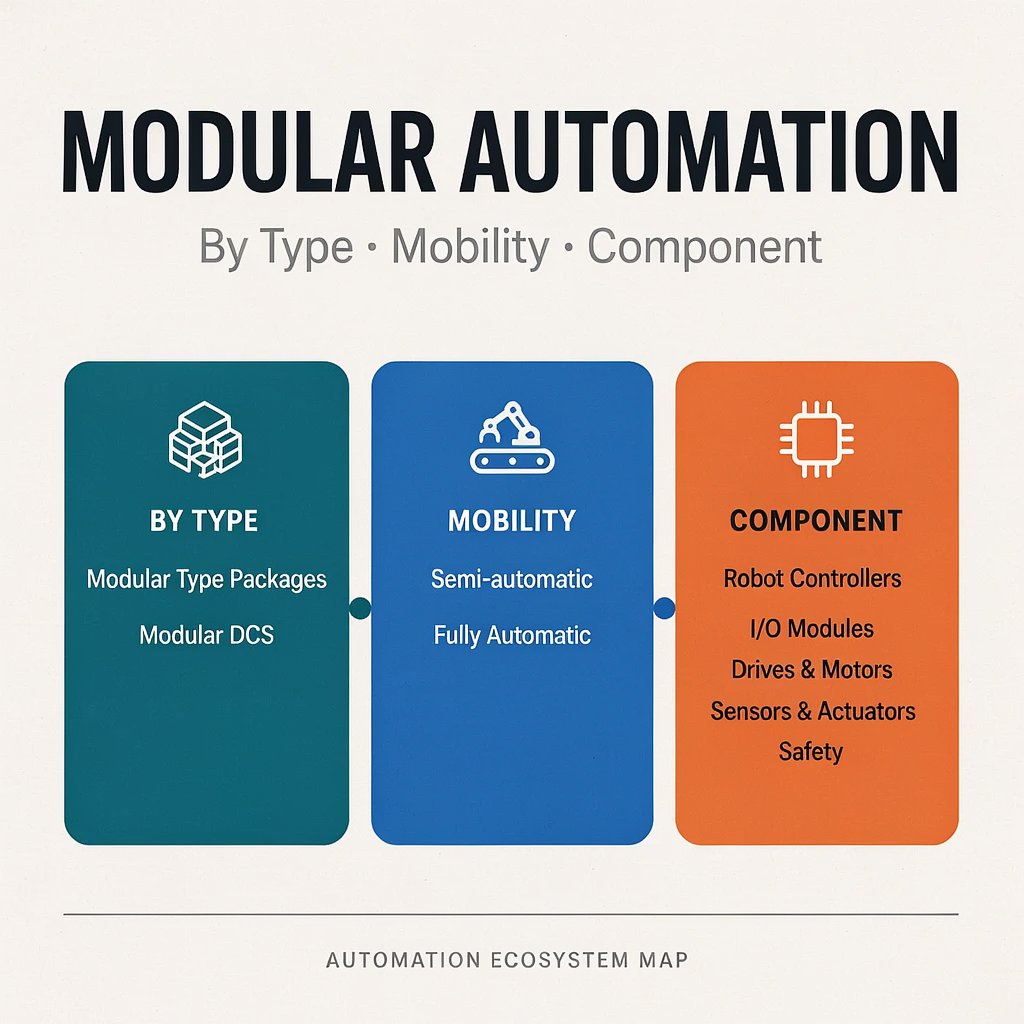
Cybersecurity will remain a critical priority as manufacturing systems become increasingly connected. Future modular automation platforms will incorporate advanced security technologies including encrypted industrial communication, artificial intelligence-based threat detection, secure identity management, continuous network monitoring, and zero-trust security architectures. These measures will help protect manufacturing infrastructure from evolving cyber threats while ensuring uninterrupted production and regulatory compliance.
Regional market dynamics will continue supporting strong global growth. Asia Pacific is expected to remain the fastest-growing regional market due to rapid industrialization, increasing factory automation, expanding manufacturing capacity, and government support for smart manufacturing initiatives across China, Japan, South Korea, India, and Southeast Asia. North America will continue leading technological innovation through investments in artificial intelligence, robotics, cloud computing, and digital manufacturing. Europe will maintain strong market growth driven by Industry 4.0 adoption, sustainability programs, and advanced industrial engineering capabilities.
Competition within the modular automation market is expected to intensify through 2029 as automation providers expand product portfolios, invest in research and development, and strengthen digital capabilities. Strategic partnerships, mergers and acquisitions, software integration, and cloud-enabled automation services will become increasingly important as companies seek to deliver comprehensive smart manufacturing solutions. Vendors that combine advanced hardware, intelligent software, industrial services, and cybersecurity capabilities will be well positioned to capture future market opportunities.
Overall, the future outlook for the modular automation market through 2029 remains highly optimistic. Continuous advancements in artificial intelligence, Industrial Internet of Things, collaborative robotics, digital twins, cloud computing, edge computing, machine vision, predictive analytics, and autonomous mobility will reshape manufacturing operations across industries. As businesses increasingly prioritize flexibility, productivity, sustainability, and resilience, modular automation will continue serving as a foundational technology that enables intelligent, scalable, and future-ready manufacturing ecosystems worldwide.