
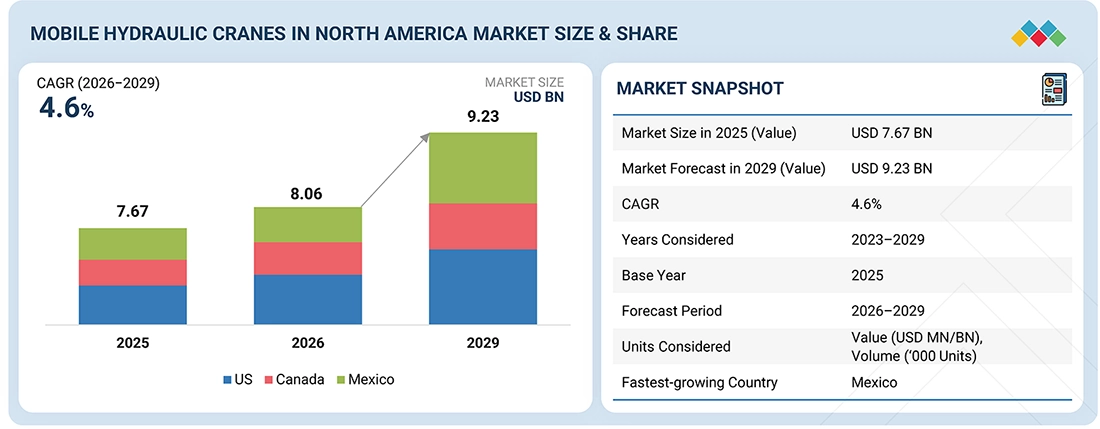
The Mobile Hydraulic Cranes Market is expected to experience strong and sustained growth through 2029, driven by rapid infrastructure development, industrial expansion, technological innovation, and increasing adoption of smart construction practices worldwide. Mobile hydraulic cranes have become essential equipment across industries such as construction, transportation, logistics, mining, oil and gas, renewable energy, utilities, and manufacturing due to their flexibility, lifting capacity, and operational efficiency. As global economies continue investing in modernization and large-scale industrial projects, the demand for advanced crane systems is projected to rise significantly over the coming years.
One of the major factors supporting future market growth is the increasing investment in infrastructure projects across both developed and emerging economies. Governments worldwide are focusing on expanding transportation systems, urban infrastructure, industrial facilities, ports, railways, airports, and smart city developments to support economic growth and urbanization. These projects require efficient and high-capacity lifting equipment capable of handling heavy construction materials and complex structural installations. Mobile hydraulic cranes offer the mobility and versatility necessary for dynamic construction environments, making them indispensable in modern infrastructure projects. Continued infrastructure investment through 2029 is expected to create substantial opportunities for crane manufacturers and service providers.
Download PDF Brochure @ https://www.marketsandmarkets.com/pdfdownloadNew.asp?id=38642664
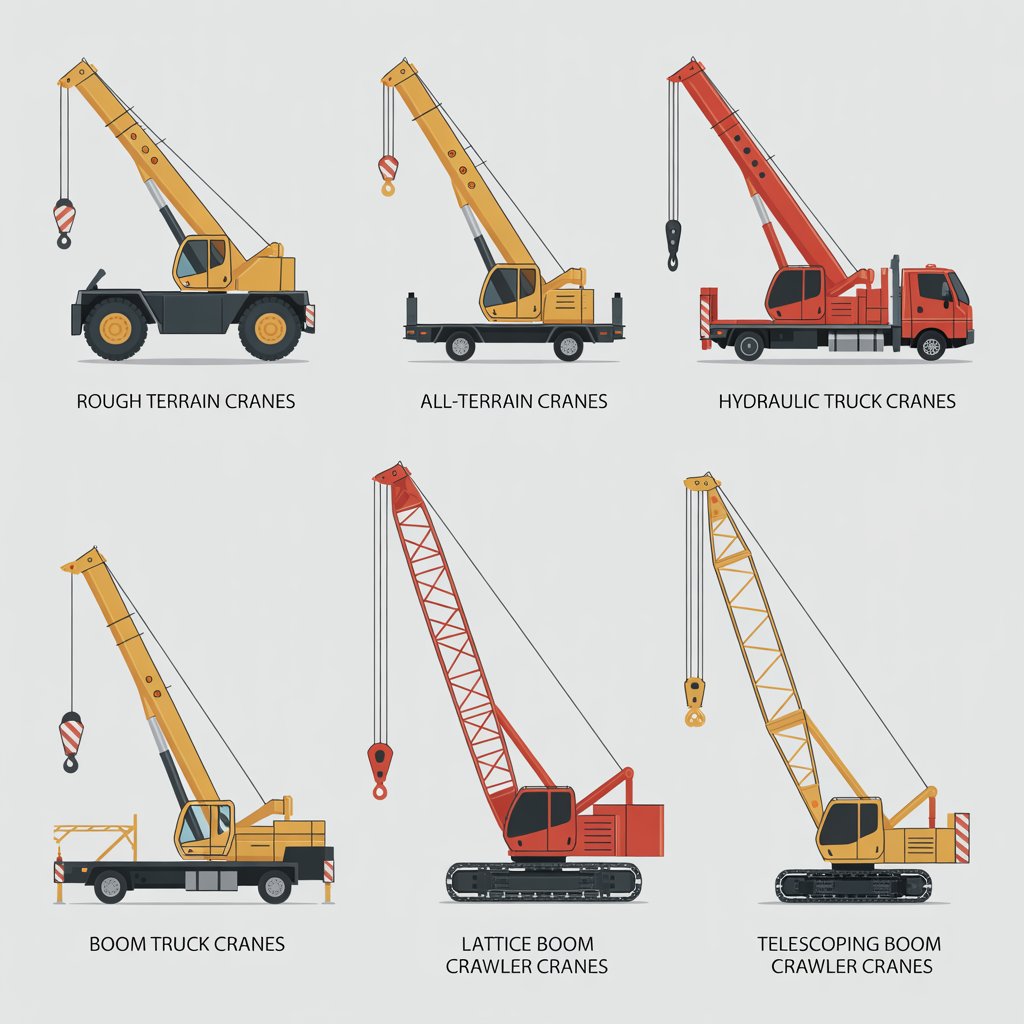
The rapid growth of smart city initiatives is also expected to play a key role in market expansion. Smart cities rely on advanced transportation systems, intelligent communication networks, sustainable energy infrastructure, and digitally connected urban environments. The construction of these technologically advanced urban systems requires precise lifting operations and flexible heavy equipment solutions. Mobile hydraulic cranes equipped with automation technologies, telematics systems, and intelligent controls are increasingly being used to support smart infrastructure development. As urban populations continue to grow and governments prioritize smart urban planning, demand for technologically advanced crane systems is likely to accelerate.
Renewable energy projects are anticipated to become one of the most important growth drivers for the mobile hydraulic cranes market by 2029. Wind energy installations, solar power developments, and smart grid infrastructure projects require cranes capable of lifting oversized and heavy components such as turbine blades, towers, transformers, and transmission equipment. Mobile hydraulic cranes with high lifting capacities and advanced stability systems are essential for these applications. Global efforts to reduce carbon emissions and transition toward clean energy sources are increasing investments in renewable energy infrastructure, creating long-term demand for specialized lifting equipment and advanced crane technologies.
Technological innovation will continue to shape the future growth prospects of the market. Manufacturers are heavily investing in research and development to improve crane efficiency, automation, safety, and digital connectivity. The integration of IoT-enabled sensors, telematics platforms, cloud-based fleet management systems, and predictive maintenance technologies is transforming crane operations into highly connected and data-driven systems. These smart capabilities improve operational visibility, reduce downtime, optimize maintenance planning, and enhance equipment utilization. As industries increasingly adopt digital transformation strategies, connected and intelligent mobile hydraulic cranes are expected to gain significant market traction.
Inquiry Before Buying @ https://www.marketsandmarkets.com/Enquiry_Before_BuyingNew.asp?id=38642664
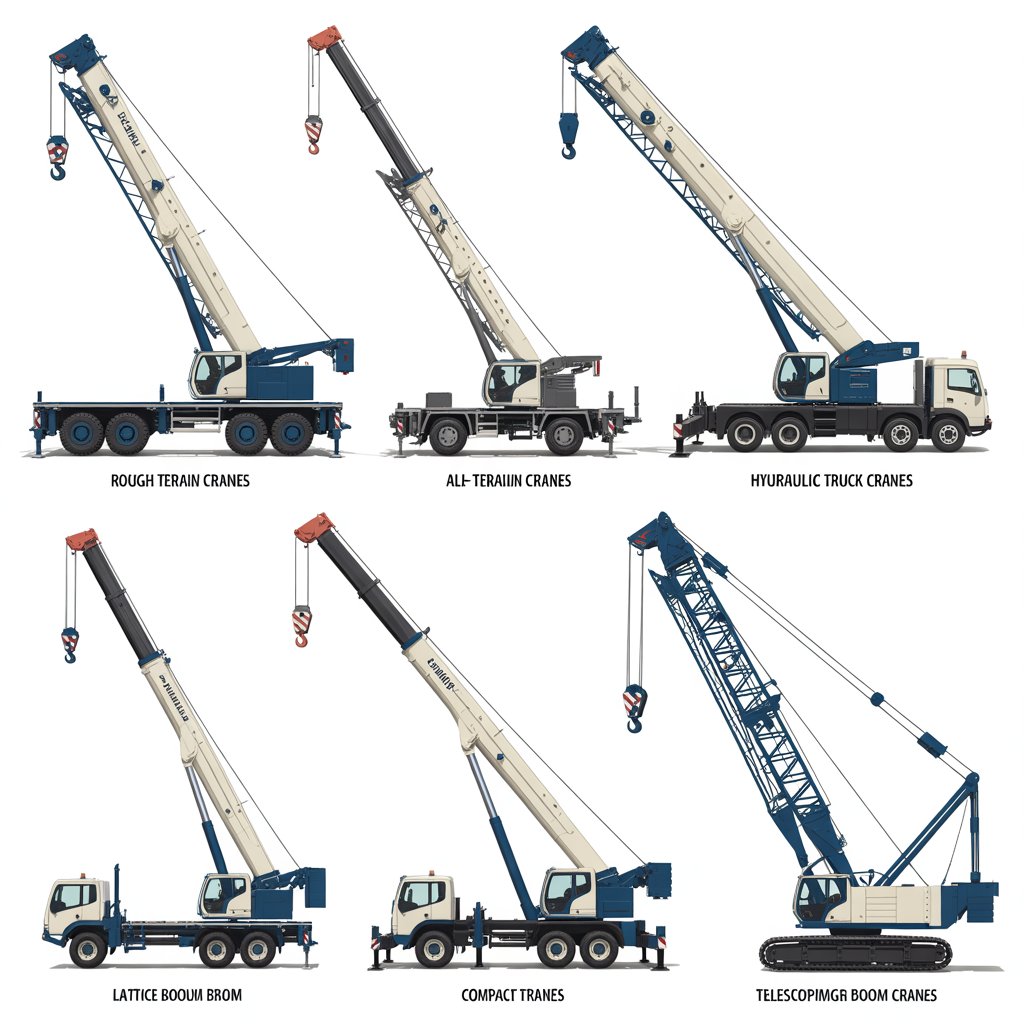
Artificial intelligence and machine learning technologies are also expected to influence the future direction of the mobile hydraulic cranes market. AI-driven systems can analyze real-time operational data to optimize lifting operations, improve load management, and predict maintenance requirements. Machine learning algorithms help crane systems continuously improve operational efficiency based on historical performance data and environmental conditions. These intelligent systems reduce human error, improve safety, and enhance productivity across industrial applications. As automation technologies mature, semi-autonomous and remotely operated crane systems are expected to become more common in construction and industrial projects.
The growing trend toward sustainable and energy-efficient construction equipment will further support market growth by 2029. Environmental regulations and corporate sustainability goals are encouraging manufacturers to develop cranes with lower emissions, improved fuel efficiency, and reduced operational noise. Hybrid hydraulic systems, electric drive technologies, and energy-efficient hydraulic components are becoming increasingly important in product development strategies. Electric and hybrid mobile hydraulic cranes are expected to gain popularity, particularly in urban construction projects and regions with strict environmental regulations. Sustainability-focused innovation will create new opportunities for manufacturers capable of delivering environmentally responsible crane solutions.
The equipment rental industry is projected to remain a major contributor to market expansion. Many construction and industrial companies prefer renting mobile hydraulic cranes due to the high capital costs associated with equipment ownership and maintenance. Rental providers are increasingly investing in advanced crane fleets equipped with telematics, predictive maintenance systems, and digital monitoring technologies to improve asset utilization and customer service. The growing preference for flexible and cost-effective rental solutions is expected to support steady demand for technologically advanced crane systems through 2029.
Regional market dynamics indicate strong growth opportunities across multiple geographic areas. Asia-Pacific is expected to remain the dominant market due to rapid urbanization, industrialization, and infrastructure investment in countries such as China, India, and Southeast Asian nations. Government initiatives related to smart cities, renewable energy, and transportation modernization are driving significant crane demand across the region. North America and Europe are likely to focus on technologically advanced, automated, and sustainable crane systems as infrastructure modernization and digital construction practices continue to evolve. Meanwhile, the Middle East and Africa are expected to generate growth opportunities through energy projects, industrial development, and large-scale infrastructure initiatives.
View detailed Table of Content here – https://www.marketsandmarkets.com/Market-Reports/mobile-hydraulic-cranes-market-38642664.html
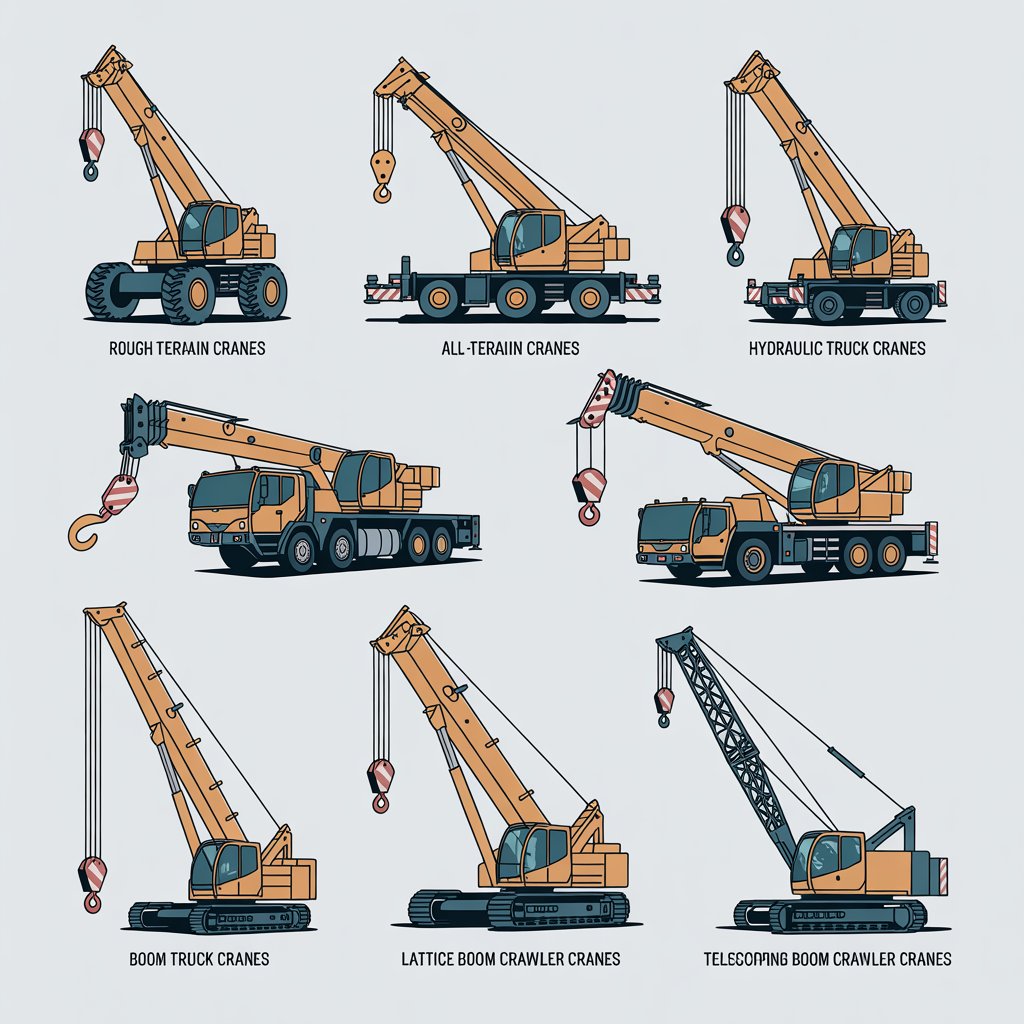
The mining and oil and gas sectors will continue to contribute to long-term market growth. Mining operations, refinery projects, pipeline installations, and industrial facility expansions require durable and high-performance crane systems capable of operating in challenging environments. Mobile hydraulic cranes with advanced hydraulic systems, intelligent monitoring technologies, and enhanced safety features are becoming increasingly important for these industries. Continued investment in energy and resource infrastructure will support crane demand through the forecast period.
Safety and workforce efficiency will remain central priorities influencing future market development. Advanced crane systems equipped with anti-sway controls, overload protection, collision avoidance systems, and remote monitoring technologies are helping improve operational safety while reducing labor-intensive processes. As workplace safety regulations become stricter worldwide, companies are expected to invest more heavily in technologically advanced crane systems that support compliance and reduce operational risks.
The mobile hydraulic cranes market is positioned for substantial growth through 2029 due to rising infrastructure investments, renewable energy expansion, technological advancements, and increasing adoption of smart construction practices. Innovations in automation, digital connectivity, sustainability, and intelligent equipment management are transforming the capabilities of mobile hydraulic cranes and creating new market opportunities across industries. As construction and industrial sectors continue evolving toward more connected, efficient, and environmentally responsible operations, the demand for advanced mobile hydraulic crane systems is expected to remain strong globally. Companies that focus on innovation, operational efficiency, and customer-focused solutions will be well-positioned to capitalize on the future growth prospects of the mobile hydraulic cranes market.