
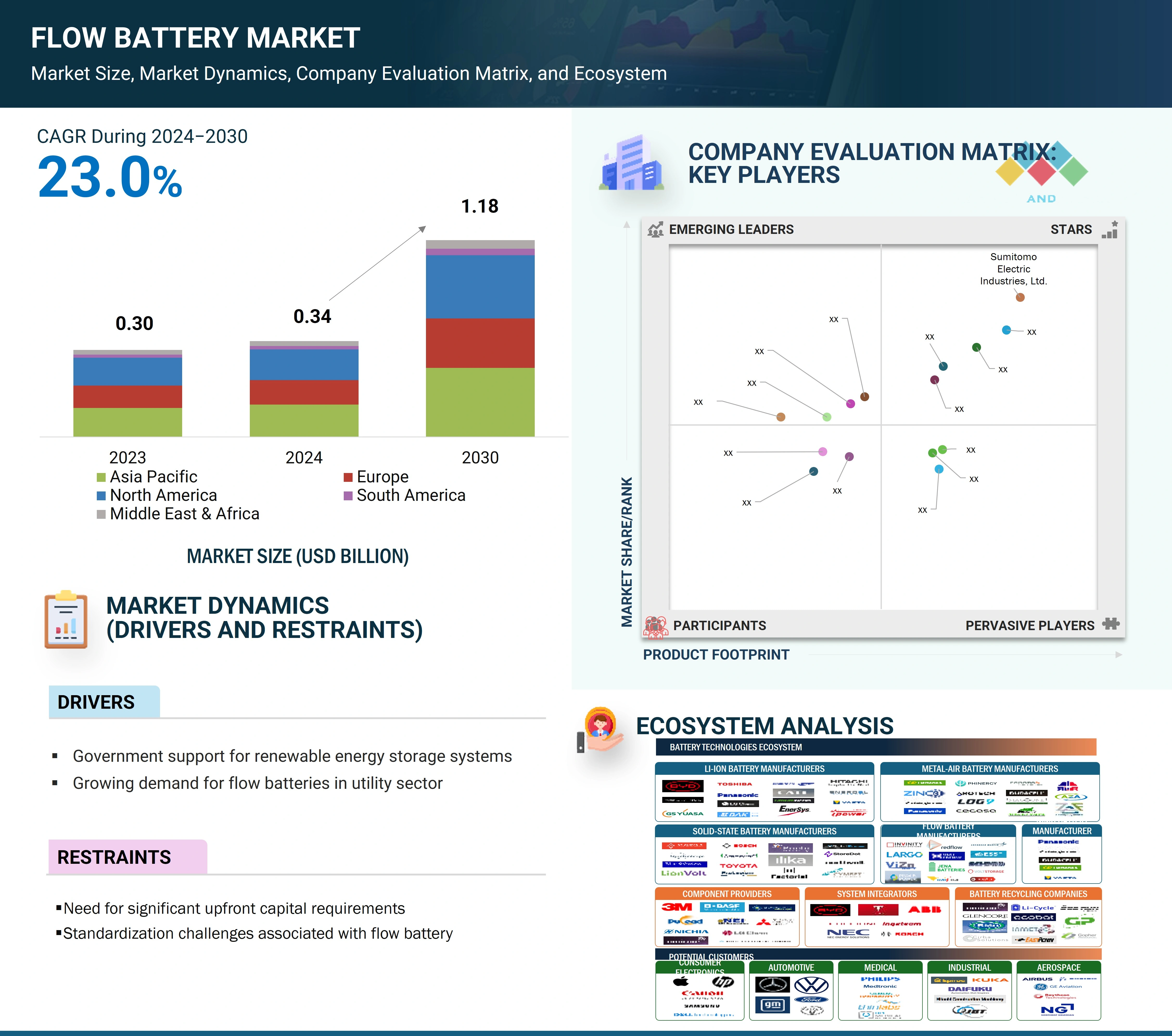
The Flow Battery Market is entering a period of accelerated opportunity as evolving business models reshape how energy storage solutions are deployed, financed, and utilized. Among these emerging models, Energy Storage-as-a-Service (ESaaS) is becoming a key driver of market growth, offering organizations access to advanced energy storage capabilities without the burdens of upfront capital investment or complex system ownership. Flow batteries, with their long lifecycle performance, operational flexibility, and scalability, are well positioned to play a central role in the expanding ESaaS landscape, especially as demand for long-duration energy storage increases across commercial, industrial, and utility sectors.
Download PDF Brochure @ https://www.marketsandmarkets.com/pdfdownloadNew.asp?id=82953888
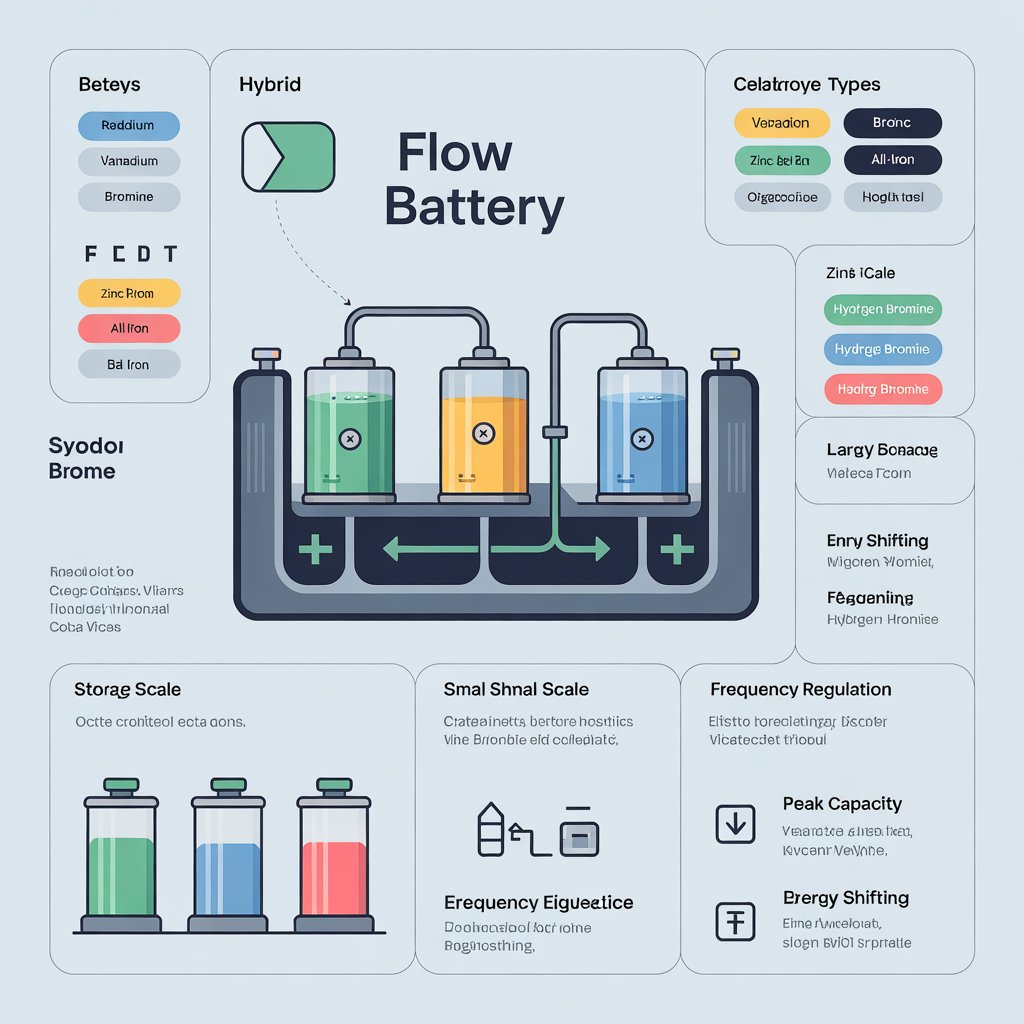
ESaaS represents a shift from traditional asset purchasing to a subscription- or performance-based framework where customers pay for energy services such as peak shaving, backup power, demand charge reduction, or renewable storage integration. Flow batteries align well with this model due to their minimal degradation over time, ability to cycle deeply without loss of capacity, and expected operational lifespan exceeding two decades. These characteristics enable predictable operating expenses and long-term service contracts, which are essential for ESaaS providers seeking strong financial viability and customer value over extended periods.
One of the most significant opportunities within the ESaaS model is the integration of flow batteries into renewable energy portfolios. As wind and solar adoption expands globally, the need for storage solutions capable of managing intermittency, stabilizing output, and shifting energy over long durations becomes more pressing. Flow batteries offer consistent multi-hour discharge capability, making them ideal for renewable smoothing and daily energy arbitrage. When deployed under ESaaS frameworks, these capabilities can be delivered to energy users without the need for complex asset management, making adoption faster and more cost-effective.
Commercial and industrial applications present another major growth opportunity. High electricity tariffs, rising demand charges, and stricter sustainability requirements are motivating organizations to seek energy autonomy and operational resilience. With ESaaS models, businesses can utilize flow batteries to reduce energy costs, support mission-critical operations, and integrate onsite renewables without capital expenditure risks. Because flow batteries lack thermal runaway risk and offer superior safety performance compared to lithium-ion systems, they are particularly suited for deployment in dense urban, manufacturing, data center, and microgrid environments.
Inquiry Before Buying @ https://www.marketsandmarkets.com/Enquiry_Before_BuyingNew.asp?id=82953888
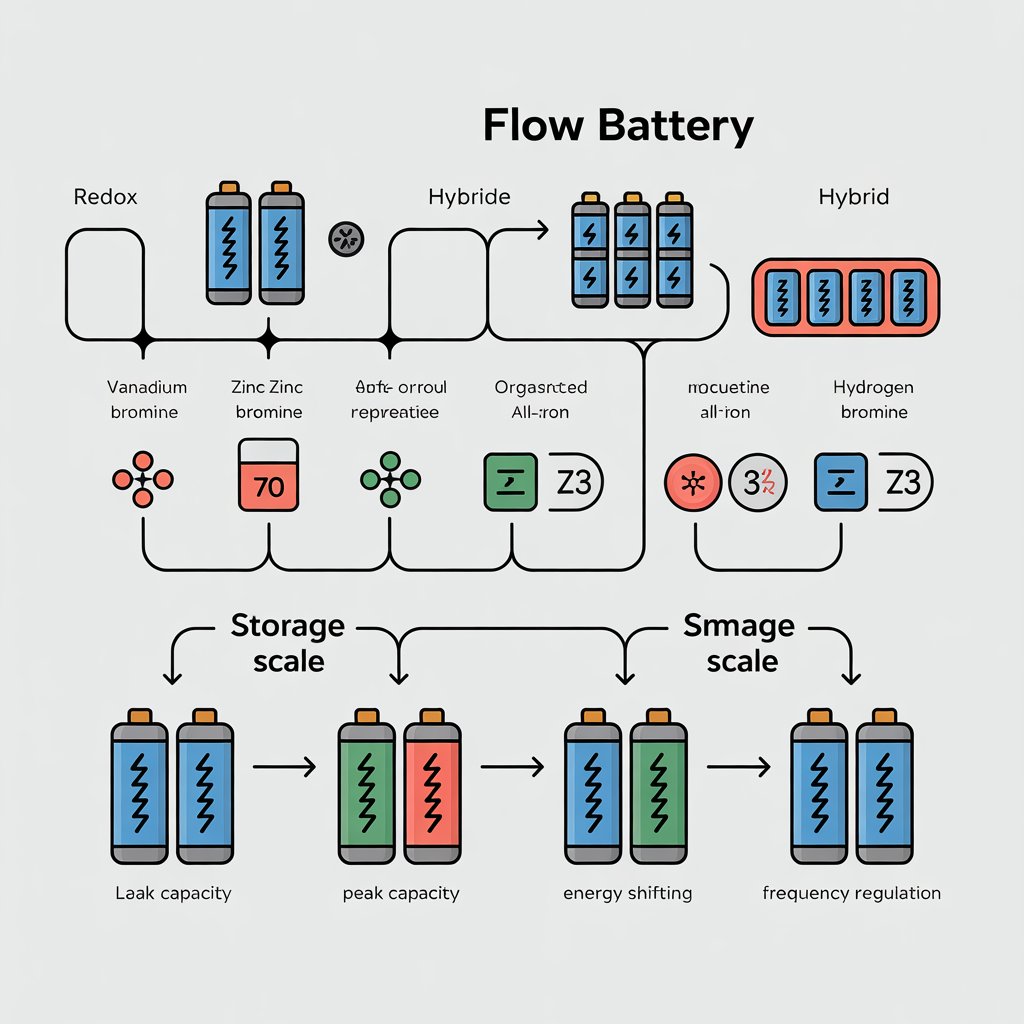
Utilities and grid operators are also exploring ESaaS models using flow battery technology to support grid modernization and flexible capacity planning. Flow batteries deployed as shared service resources can enable dynamic grid services such as frequency regulation, capacity reserve, load shifting, and seasonal storage. The ability to scale storage capacity through increasing electrolyte volume without replacing power components allows utilities to align system sizing with evolving grid demand. This flexibility is a critical differentiator compared with fixed-capacity technologies and strengthens the long-term revenue case within utility-scale service agreements.
Financial innovation plays an important role in enabling ESaaS adoption. Flow battery providers, energy developers, and financiers are increasingly collaborating to create leasing models, power-as-a-service agreements, and performance guarantee frameworks that lower risk and accelerate deployment. As manufacturing capacity expands and next-generation electrolyte chemistries reduce material costs, the economics of flow batteries within subscription-based business models are expected to improve significantly. Government incentives, carbon-reduction funding, and long-duration energy storage mandates are further supporting financial feasibility.
Digitalization enhances the value proposition of ESaaS by enabling remote monitoring, optimization, predictive maintenance, and automated control services. Flow batteries are particularly compatible with intelligent asset management platforms due to their stable cycling performance and predictable long-term behavior. With software-led optimization, ESaaS platforms can stack multiple revenue streams, maximizing asset utilization and improving return on investment for service providers and end users.
View detailed Table of Content here – https://www.marketsandmarkets.com/Market-Reports/flow-battery-market-82953888.html

Looking ahead, the combination of flow battery technology and ESaaS business models is expected to play a transformative role in the future of energy systems. As markets shift from centralized power generation to distributed, flexible, and customer-centric energy architecture, flow batteries will provide the reliability, longevity, and operational economics required to support large-scale adoption. By lowering ownership barriers and aligning cost structures with ongoing service value, ESaaS represents one of the strongest pathways for accelerating flow battery deployment globally and unlocking their full potential in the clean energy transition.