
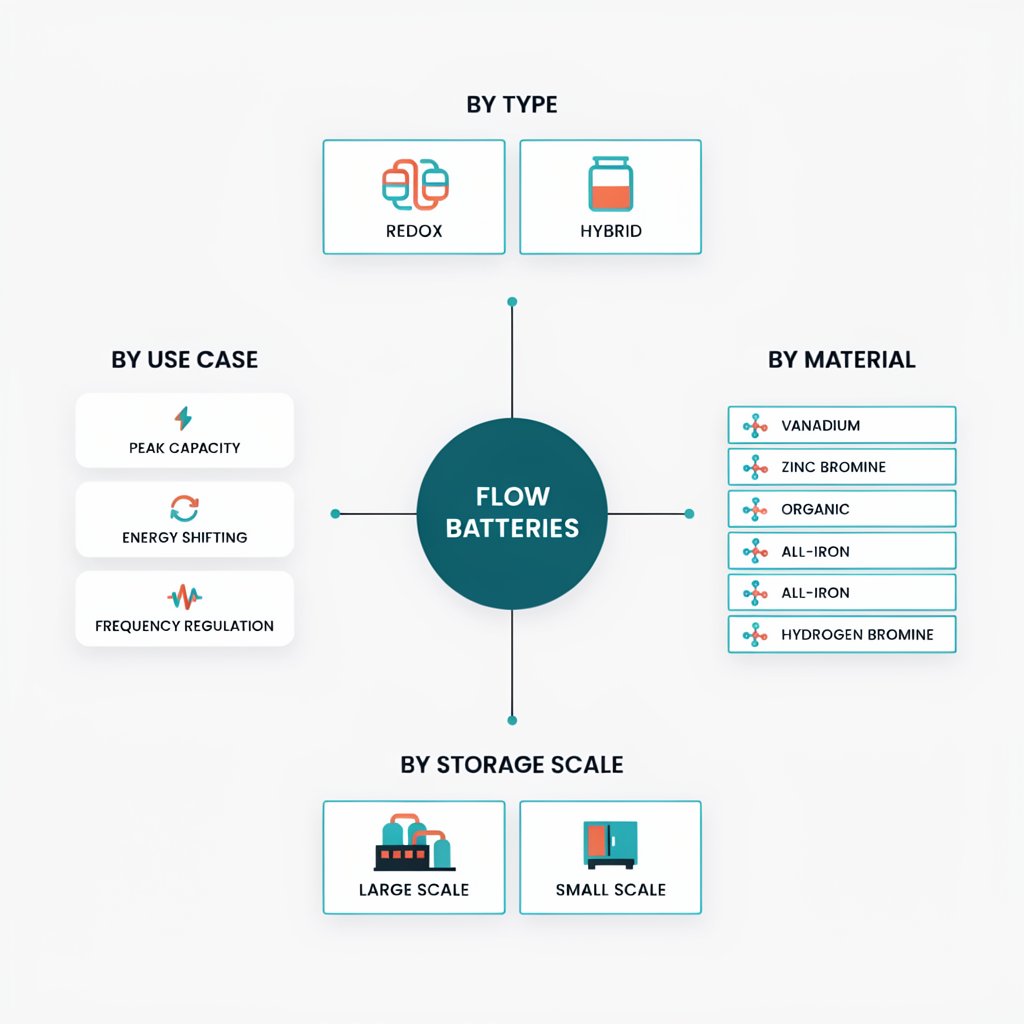
The Flow Battery Market is experiencing growing interest in vanadium redox flow battery systems as utilities and energy developers seek reliable solutions for long-duration electricity storage. Vanadium redox flow batteries, commonly known as VRFBs, use vanadium-based electrolytes stored in external tanks and circulate them through an electrochemical cell stack during charging and discharging. This architecture provides a distinct advantage for stationary energy storage because power capacity and energy capacity can be scaled independently, making VRFB systems suitable for applications requiring several hours of storage.
Growing Demand for Long-duration Storage
The increasing deployment of renewable energy is creating a strong need for long-duration storage technologies. Solar and wind generation can vary throughout the day, while electricity demand may peak at different times. VRFB systems can store excess renewable electricity and release it when generation declines or demand increases.
This capability makes VRFBs particularly relevant to utility-scale solar-plus-storage projects, wind farms, microgrids, and grid-connected energy storage facilities. As renewable energy penetration increases, long-duration storage is becoming increasingly important for maintaining electricity system flexibility and reliability.
Independent Power and Energy Scaling
One of the defining advantages of VRFB technology is the separation of power and energy capacity. The size and number of electrochemical stacks determine the power output, while the volume of electrolyte stored in tanks determines the amount of energy that can be stored.
This configuration allows developers to increase storage duration by adding electrolyte capacity without proportionally increasing the power-conversion system. Such flexibility is valuable for utility projects where storage requirements may evolve as electricity demand and renewable generation increase.
Download PDF Brochure @ https://www.marketsandmarkets.com/pdfdownloadNew.asp?id=82953888
High Cycling Capability
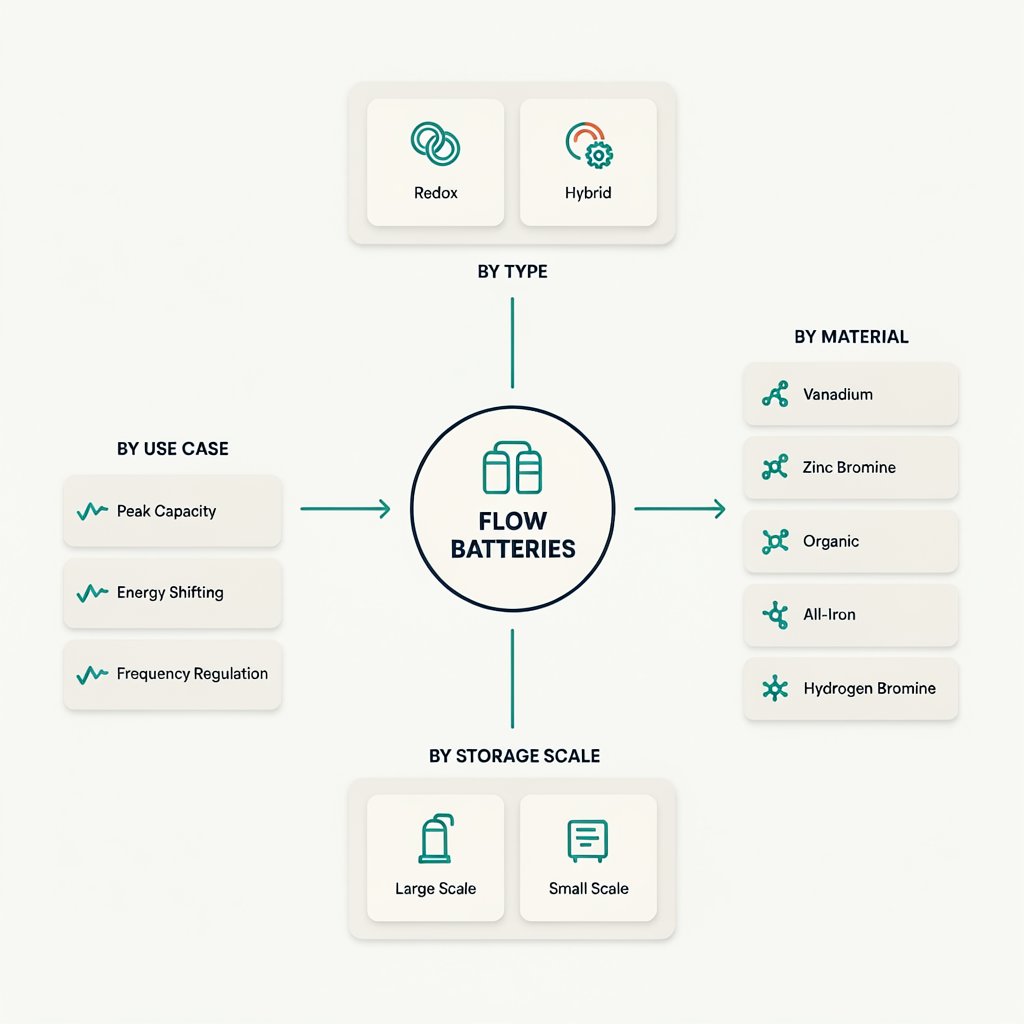
VRFB systems are well suited to applications requiring frequent charging and discharging. Renewable energy shifting, peak-load management, frequency regulation, and electricity price arbitrage can require repeated daily cycling.
The flow battery architecture can support extensive cycling without the same degradation characteristics associated with some conventional battery technologies. This can improve lifecycle economics for projects where the storage system is expected to operate frequently.
Long operational life can also reduce the need for repeated battery replacement and support predictable long-term performance.
Renewable Energy Integration
VRFB systems can play an important role in integrating variable renewable generation into electricity networks. Solar plants can use VRFBs to store excess daytime generation and discharge it during evening demand peaks.
Wind farms can similarly use VRFB systems to manage changes in electricity output and improve the predictability of renewable generation.
By shifting electricity from periods of high renewable production to periods of higher demand, VRFBs can help reduce renewable curtailment and improve the utilization of clean energy assets.
Grid Stability Applications
Beyond energy shifting, VRFB systems can provide several grid-support services. Frequency regulation requires storage resources to respond when generation and demand become unbalanced. VRFBs can adjust power output through their inverter systems to support grid frequency.
They can also contribute to voltage management, ramp-rate control, reserve capacity, and other ancillary services. The combination of fast power response and substantial stored energy can allow VRFB systems to participate in multiple grid applications.
Inquiry Before Buying @ https://www.marketsandmarkets.com/Enquiry_Before_BuyingNew.asp?id=82953888
Utility-scale Deployment
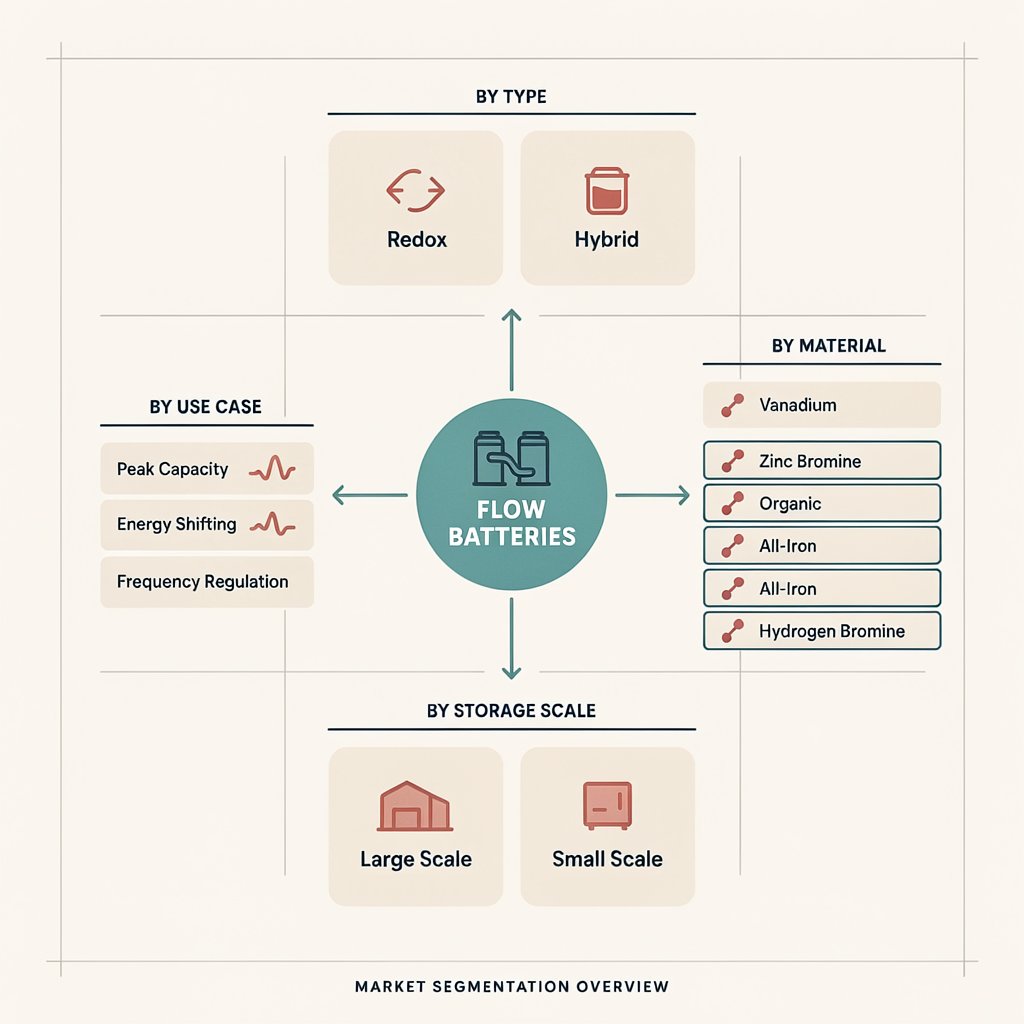
Utility-scale applications represent an important growth area for vanadium redox flow batteries. Utilities are evaluating long-duration storage to complement renewable generation, manage peak demand, and strengthen grid resilience.
Large VRFB installations can be configured with substantial electrolyte storage to provide several hours of discharge. Their scalable architecture can also support project expansion when additional energy capacity is required.
This makes VRFB systems attractive for electricity networks where long-duration storage is considered part of broader grid modernization strategies.
Commercial and Industrial Applications
VRFB systems are also being evaluated for commercial and industrial energy storage. Manufacturing facilities, large commercial buildings, logistics centers, data centers, and other energy-intensive sites can use VRFBs for peak-demand management, renewable energy integration, and backup power.
Industrial users may particularly benefit from long-duration operation when electricity demand remains elevated for extended periods. Frequent cycling capability can also support daily energy management based on electricity tariffs and onsite renewable generation.
Vanadium Electrolyte Considerations
Vanadium electrolyte is central to VRFB performance and economics. One advantage of using the same element in both electrolyte solutions is that cross-contamination during operation does not introduce the same type of irreversible material mixing associated with systems using different active elements.
However, vanadium prices and electrolyte availability can influence project economics. The development of electrolyte supply chains, recycling systems, and leasing models is therefore becoming increasingly important for the VRFB industry.
Electrolyte leasing can potentially reduce upfront project costs while allowing suppliers to retain ownership of the vanadium inventory.
View detailed Table of Content here – https://www.marketsandmarkets.com/Market-Reports/flow-battery-market-82953888.html
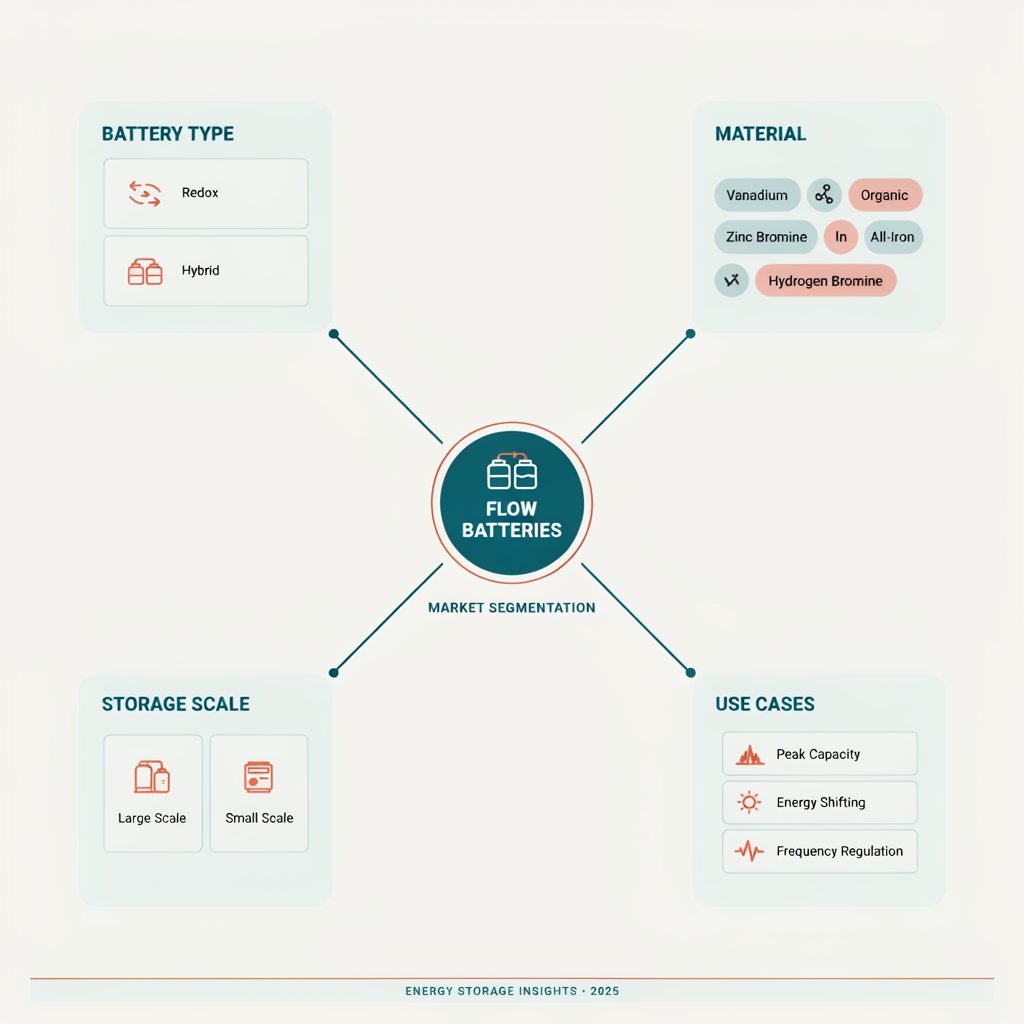
Technology Development
Manufacturers are improving VRFB systems through advances in membranes, electrodes, electrolyte formulations, pumps, stack architecture, power electronics, and digital controls. These improvements aim to increase round-trip efficiency, reduce auxiliary energy consumption, improve reliability, and lower lifecycle costs.
Advanced monitoring systems can track electrolyte conditions, temperature, voltage, current, and stack performance. Digital energy-management platforms can use this information to optimize charging and discharging and support predictive maintenance.
Safety and Sustainability
Safety is an important consideration for large stationary energy storage projects. Many VRFB systems use aqueous electrolytes, providing a different thermal operating profile from lithium-ion batteries. This can be advantageous for installations where fire-risk management is a major consideration.
VRFBs can also support long-term sustainability objectives through their long operating life and potential electrolyte reuse. Vanadium electrolyte can potentially be recovered and reused, supporting circular approaches to energy storage materials.
Market Challenges
Despite their advantages, VRFB systems face challenges related to capital costs, energy density, electrolyte costs, system footprint, and balance-of-system complexity. Their lower energy density compared with lithium-ion batteries can result in larger physical installations.
The technology is therefore particularly competitive in stationary applications where space constraints are less important and long-duration performance, safety, and cycling capability provide greater value.
Future Market Outlook
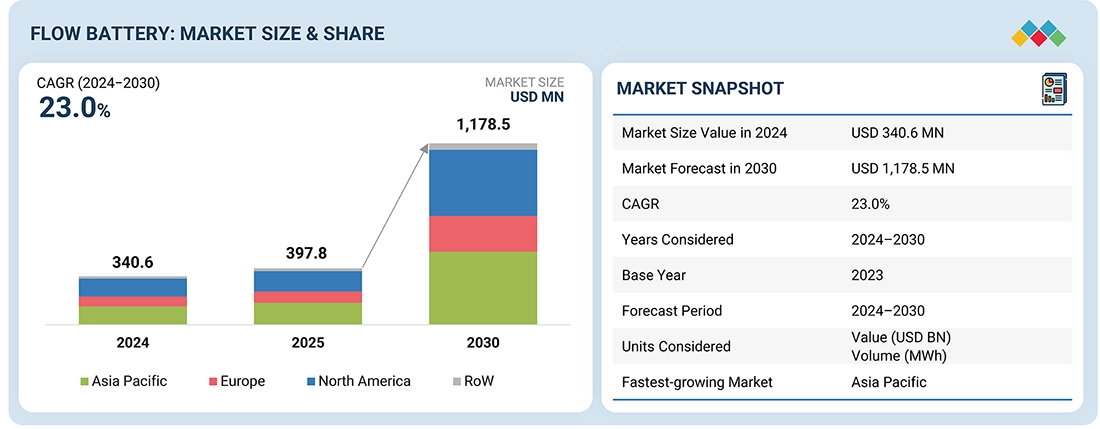
The Flow Battery Industry is expected to provide significant opportunities for vanadium redox flow battery systems as utilities and energy developers increasingly seek long-duration storage solutions. Renewable energy integration, grid stability, peak management, commercial and industrial storage, and microgrids will remain important application areas.
Future growth will depend on reducing system costs, improving efficiency, expanding vanadium electrolyte supply, developing recycling and leasing models, and increasing manufacturing scale. Advances in digital controls and system integration can further enhance performance.
With its scalable power and energy architecture, high cycling capability, long operational life, and suitability for large stationary applications, vanadium redox flow battery technology is expected to remain an important technology pathway within the global Flow Battery Market.